Are you wondering what could happen if you feed your puppy adult dog food? It might seem like a small detail, but the food you choose plays a big role in your puppy’s growth and health.
Feeding the wrong type of food can affect their energy, development, and even their future wellbeing. You’ll discover why it matters what you feed your puppy and how making the right choice can set them up for a happy, healthy life.
Keep reading to learn what you need to know to give your furry friend the best start.
Nutritional Needs Of Puppies
Puppies need special food to grow healthy and strong. Their diet must support fast growth and high energy levels.
Feeding a puppy adult dog food may not meet these needs. It is important to understand what makes puppy nutrition different.
Growth Requirements
Puppies grow quickly during their first year. They need extra calories and nutrients to build bones, muscles, and organs.
Adult dog food often has fewer calories. This can slow down a puppy’s growth and affect their development.
Essential Nutrients
- Higher protein levels to support muscle growth
- More fat for energy and brain development
- Calcium and phosphorus for strong bones
- Vitamins and minerals to boost immunity
- DHA for healthy brain and eye development
Adult dog food may lack these vital nutrients or have them in lower amounts. Puppies need a balanced mix to thrive.
Differences From Adult Dogs
| Aspect | Puppies | Adult Dogs |
| Calorie Needs | Higher per pound | Lower per pound |
| Protein | 22% to 32% | 18% to 25% |
| Fat | 8% to 20% | 5% to 15% |
| Calcium | More for bone growth | Maintains bone health |
| Feeding Frequency | 3 to 4 times daily | 1 to 2 times daily |
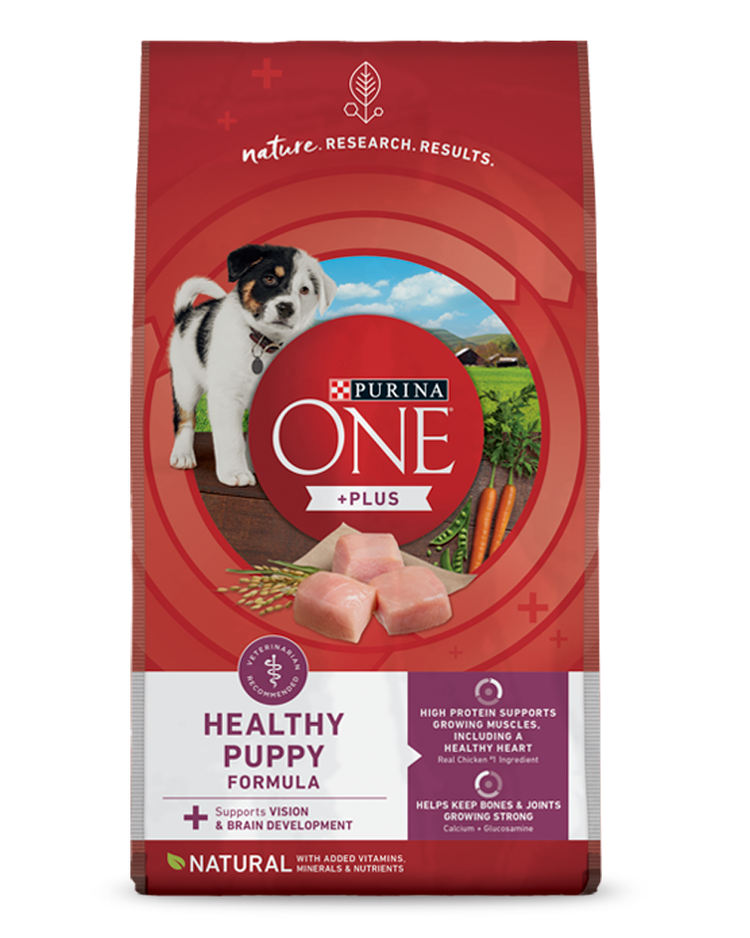
Credit: www.purina.com
What’s Inside Adult Dog Food
Adult dog food has different ingredients than puppy food. It suits the needs of grown dogs.
Knowing what is inside helps you understand why feeding puppies adult food can be a problem.
Calorie Content
Adult dog food usually has fewer calories than puppy food. Puppies need more energy to grow fast.
Adult dogs have slower metabolisms and need fewer calories to stay healthy.
Protein Levels
Adult dog food has less protein than puppy food. Puppies require more protein for muscle and tissue growth.
- Adult food protein: 18-25%
- Puppy food protein: 22-32%
- Lower protein in adult food helps maintain weight in grown dogs
- High protein in puppies supports strong bones and muscles
Vitamin And Mineral Balance
| Vitamin or Mineral | Adult Dog Food | Puppy Food |
| Calcium | Lower | Higher for bone growth |
| Vitamin D | Moderate | Higher for development |
| Iron | Standard | Increased for growth |
| Fat-soluble Vitamins | Balanced for maintenance | Elevated for puppy health |
Adult food has nutrients balanced for maintenance, not growth. Puppies need more vitamins and minerals to build strong bodies.
Risks Of Feeding Adult Food To Puppies
Puppies need special food to grow strong and healthy. Adult dog food does not have the right nutrients for them.
Feeding adult food to puppies can cause problems. These risks affect their health and development.
Nutritional Deficiencies
Puppies need more protein, fat, and vitamins than adult dogs. Adult food may lack these important nutrients.
Without the right nutrition, puppies can miss key nutrients that help their bones and muscles grow.
- Lower protein levels in adult food
- Less fat for energy
- Fewer vitamins and minerals
- May cause weak bones and muscles
Digestive Issues
Puppies have sensitive stomachs. Adult food is harder for them to digest because it is richer and less balanced for young dogs.
Feeding adult food may cause diarrhea, vomiting, or upset stomach in puppies.
- Adult food has more calories and fat
- Puppies may get an upset stomach
- Possible diarrhea and vomiting
- Digestive discomfort can affect eating habits
Impact On Growth And Development
Proper growth needs the right balance of nutrients. Adult food does not support fast growth in puppies.
Feeding adult food can slow down bone growth and muscle development. This may lead to long-term health problems.
- Slower bone and muscle growth
- Risk of weak joints and bones
- May affect puppy’s energy and strength
- Can cause long-term health issues
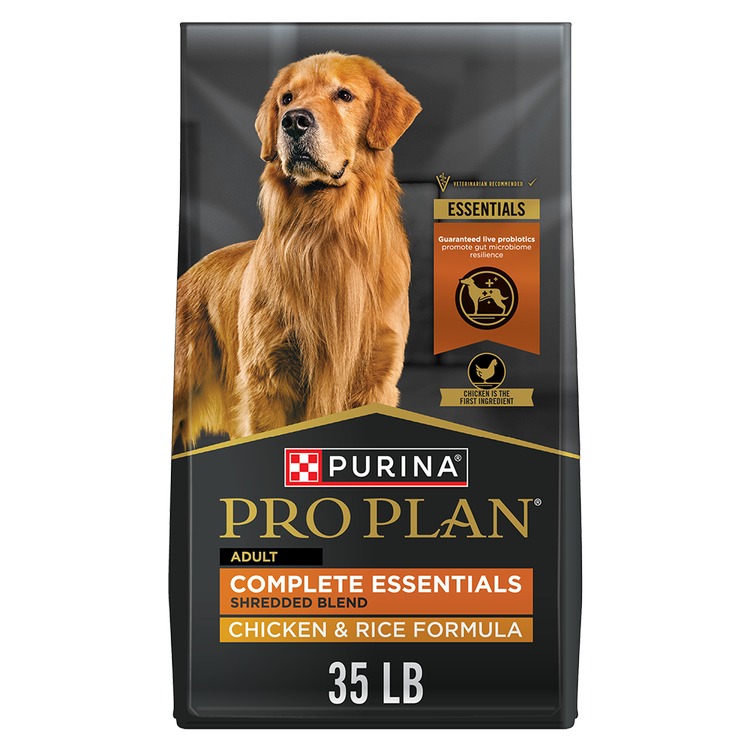
Credit: www.purina.com
Signs Your Puppy Is Affected
Feeding a puppy adult dog food can cause problems. Puppies need special nutrition to grow well. Adult dog food lacks some nutrients puppies need.
Watch your puppy closely for signs of trouble. Early signs can show if the food is not right for them.
Behavioral Changes
Your puppy may act differently if fed adult food. They might seem tired or less playful than usual. Some puppies become fussy or refuse to eat.
- Less energy during playtime
- Unusual irritability or restlessness
- Refusing food or eating less
- Increased whining or attention-seeking
Physical Symptoms
Physical signs show when a puppy’s body is affected. These symptoms can be mild or severe depending on how long they eat adult food.
| Symptom | Description |
| Diarrhea | Loose stools due to improper digestion |
| Vomiting | Stomach upset and nausea |
| Poor Coat | Dull or dry fur indicating nutrient lack |
| Weight Loss | Failing to gain weight as expected |
Long-term Health Concerns
Feeding adult food to puppies for a long time can cause serious health problems. Some issues may not show immediately but can affect your puppy’s future.
Common long-term concerns include:
- Weak bone development due to low calcium
- Poor muscle growth
- Digestive problems that last
- Lower immune system strength
When Is Adult Food Appropriate
Feeding a puppy adult dog food can cause problems. Puppies need specific nutrients to grow well. Adult food lacks some of these nutrients.
Knowing the right time to switch to adult food helps keep your dog healthy. This guide explains when adult food is suitable for puppies.
Transitioning Age
Puppies grow fast and need puppy food for energy and development. Most dogs switch to adult food between 9 and 12 months old. Large breeds may need more time.
Switching too early can slow growth. Feeding adult food after this age supports their health and weight.
- Small breeds: 9 to 12 months
- Medium breeds: 12 months
- Large breeds: 12 to 18 months
Consulting A Veterinarian
Your vet knows your puppy’s needs best. They can advise the right age to switch to adult food. Some puppies have special health needs.
Ask your vet before changing diets to avoid health problems. They can recommend the best food type and timing.
Gradual Diet Changes
Sudden food changes can upset a puppy’s stomach. Introduce adult food slowly over 7 to 10 days. Mix increasing amounts of adult food with puppy food.
- Day 1-3: 25% adult food, 75% puppy food
- Day 4-6: 50% adult food, 50% puppy food
- Day 7-9: 75% adult food, 25% puppy food
- Day 10: 100% adult food
This gradual change helps your puppy adjust without digestive issues.

Credit: www.petscare.com
Safe Feeding Tips For Puppies
Feeding a puppy the right food is crucial for its growth. Puppies have different nutritional needs than adult dogs.
Learn how to choose the best food and schedule for your puppy. Monitor their health for a happy, healthy pet.
Choosing Puppy-specific Food
Puppies need more protein and fats than adult dogs. Puppy-specific food is designed to meet these needs.
- Check labels for “complete and balanced” nutrition
- Avoid food with artificial preservatives
- Consult your vet for recommendations
Feeding Schedules
Regular feeding schedules help your puppy develop a routine. Divide their daily food into multiple small meals.
| Age | Meals per Day |
| 8-12 weeks | 4 meals |
| 3-6 months | 3 meals |
| 6-12 months | 2 meals |
Monitoring Growth And Health
Keep an eye on your puppy’s weight and activity levels. Regular vet check-ups are important for their health.
Frequently Asked Questions
What Are The Risks Of Feeding Puppies Adult Dog Food?
Feeding puppies adult dog food can cause nutritional imbalances. Puppies need higher protein, fat, and calories for growth. Adult food may lack essential nutrients, leading to slow development and weak immunity. Always choose puppy-specific food for optimal health and growth.
Can Adult Dog Food Cause Digestive Issues In Puppies?
Yes, adult dog food may cause digestive problems in puppies. It often has less fat and fiber, which puppies need. This mismatch can lead to diarrhea, constipation, or upset stomach. Proper puppy food supports healthy digestion and nutrient absorption.
How Long Can A Puppy Eat Adult Dog Food Safely?
Puppies should not eat adult dog food for more than a short emergency period. Prolonged feeding risks growth and health issues. Transition to puppy food as soon as possible, ideally within a few days, to ensure balanced nutrition.
Will Feeding Adult Dog Food Affect Puppy Growth?
Feeding adult dog food can stunt a puppy’s growth. Adult formulas lack the right nutrients for bone and muscle development. Puppies need food designed to support rapid growth phases. Use puppy-specific diets to promote healthy weight and size.
Conclusion
Feeding a puppy adult dog food can cause health problems. Puppies need more nutrients to grow strong and healthy. Adult dog food lacks some important vitamins and minerals for puppies. This can slow their growth and affect their energy. Always choose food made for puppies to support their development.
Proper nutrition helps puppies become happy, healthy dogs. Remember, good food builds a strong foundation for life. Take care with what you feed your puppy every day.

Emily Barker is the founder of ChillDogLife.com, a space dedicated to helping pup parents discover the best dog products, lifestyle tips, and cozy ideas for happier homes.
A lifelong dog lover, Emily combines her passion for pets with a knack for research to share trusted recommendations on everything from toys and furniture to health and everyday care.
Her goal is simple: to make life easier, stylish, and more joyful for dogs and the people who love them.




