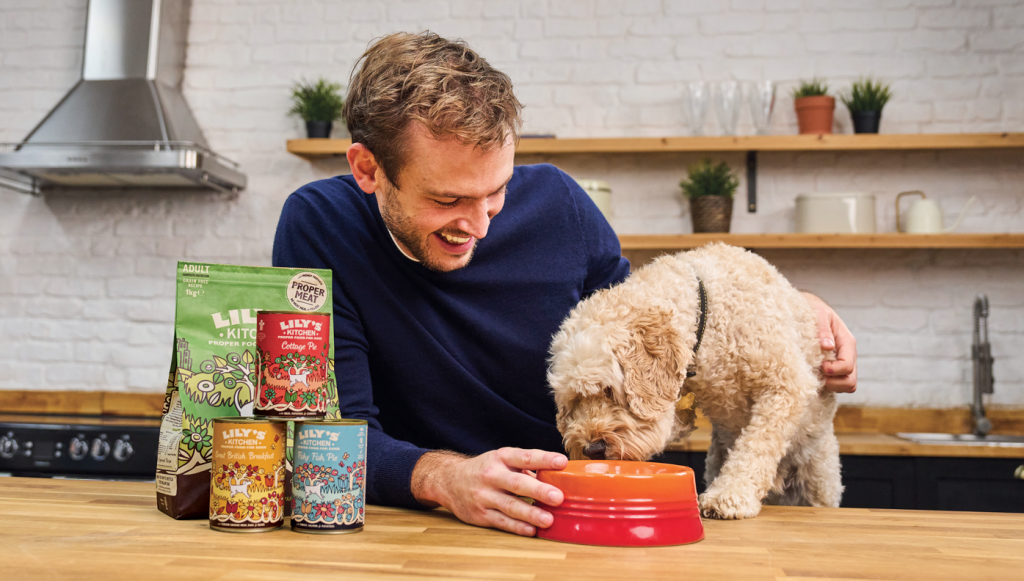
Are you worried that feeding your puppy adult dog food might cause diarrhea? It’s a common concern for many dog owners.
Puppies have sensitive tummies, and what you feed them can make a big difference in their health and happiness. If you want to keep your little friend feeling good and avoid any messy surprises, it’s important to understand how adult dog food affects puppies.
Keep reading to learn the truth and find out what’s best for your puppy’s diet.
Credit: blog.myollie.com
Puppy Digestive System Basics
Puppies have delicate digestive systems that are still growing. Their digestion works differently than adult dogs.
Understanding how puppies digest food helps explain why adult dog food can cause diarrhea in them.
How Puppies Digest Food
Puppies digest food with organs that are smaller and less mature than adult dogs. Their stomachs produce fewer enzymes to break down food.
Their intestines absorb nutrients slowly to protect their bodies. This process needs gentle, easy-to-digest food to avoid upset stomachs.
- Smaller stomach size limits food quantity
- Lower enzyme production slows digestion
- Intestines absorb nutrients carefully
- Immature gut bacteria affect digestion quality
Differences Between Puppy And Adult Dog Digestion
Adult dogs have stronger digestive systems. They produce more enzymes and have a balanced gut flora for better digestion.
Adult dog food is richer and harder to digest. Feeding it to puppies can lead to diarrhea and stomach pain because their bodies cannot handle it well.
- Adult dogs digest fats and proteins faster
- Puppies need more frequent, smaller meals
- Adult dog food has higher nutrient density
- Puppies require special food for growth and digestion
Credit: www.petco.com
Ingredients In Adult Dog Food
Adult dog food has different ingredients than puppy food. These differences can affect a puppy’s digestion.
It is important to understand what is inside adult dog food. Some ingredients may cause diarrhea in puppies.
Nutritional Content Variations
Adult dog food has more protein and fat than puppy food. Puppies need special nutrients to grow strong.
Puppy food also contains more calories and vitamins. These help support their fast growth and energy needs.
Common Ingredients That Affect Puppies
Some ingredients in adult dog food can upset a puppy’s stomach. These may cause diarrhea or other digestive problems.
- High fat content can be hard for puppies to digest.
- Large amounts of protein may cause stomach upset.
- Fiber levels are usually lower, which can affect digestion.
- Some adult formulas include additives that puppies do not tolerate well.
- Ingredients like certain preservatives or artificial flavors may irritate a puppy’s gut.
| Ingredient | Effect on Puppies |
| High Fat | Can cause diarrhea and stomach upset |
| Excess Protein | May lead to digestive discomfort |
| Low Fiber | Can slow digestion and cause irregular stools |
| Artificial Additives | Possible irritation and allergic reactions |
Why Adult Dog Food Can Cause Diarrhea
Feeding puppies adult dog food can lead to diarrhea. Their digestive systems are not ready for adult food. This causes upset stomach and loose stools.
Puppies need special nutrients for growth. Adult dog food lacks some of these key nutrients. This can make their digestion hard and cause diarrhea.
Lack Of Essential Nutrients For Puppies
Puppies need more vitamins and minerals than adult dogs. Adult food may not provide enough calcium, DHA, and other nutrients. This lack can upset their stomach and slow growth.
- Calcium for strong bones
- DHA for brain development
- Higher vitamins for immune support
- Proper energy sources for growth
High Protein And Fat Levels
Adult dog food often has more protein and fat than puppies need. Puppies have sensitive digestive tracts. Too much protein or fat can cause diarrhea and stomach pain.
| Food Type | Protein Level | Fat Level |
| Puppy Food | 22-32% | 8-20% |
| Adult Food | 25-35% | 10-25% |
Allergens And Sensitivities
Some puppies react to ingredients in adult food. Common allergens include beef, dairy, and wheat. These can cause diarrhea and skin issues.
Signs of food allergies in puppies:
- Loose stools or diarrhea
- Itchy or red skin
- Vomiting or gas
- Swollen paws or face
Signs Of Food-related Diarrhea In Puppies
Puppies can get diarrhea from eating adult dog food. Their stomachs are sensitive to new foods. Knowing the signs helps you act fast.
Food-related diarrhea can cause discomfort and dehydration. Watch your puppy closely after feeding adult dog food.
Symptoms To Watch For
Diarrhea often comes with other signs. These help you know if the problem is food-related or something else.
- Loose or watery stools that last more than a day
- Frequent bowel movements with urgency
- Soft stool mixed with mucus
- Loss of appetite or refusal to eat
- Lethargy or low energy levels
- Vomiting or nausea
- Abdominal pain or bloating
- Weight loss or failure to gain weight
When To Seek Veterinary Help
Some diarrhea cases need a vet’s care. Watch for serious signs that show your puppy is unwell.
- Diarrhea lasting more than 48 hours
- Signs of dehydration like dry gums and sunken eyes
- Blood or black tarry stool
- High fever or shaking
- Severe vomiting or refusal to drink water
- Extreme weakness or collapse
- Any sudden behavior changes
Contact your vet quickly if you see these signs. Early help keeps your puppy safe and healthy.
Safe Feeding Practices For Puppies
Feeding puppies the right food helps them grow strong and healthy. Using adult dog food can cause tummy troubles like diarrhea.
Puppies need special care with their food. This guide shows safe ways to feed puppies and avoid stomach problems.
Choosing The Right Puppy Food
Puppies need food made just for them. Puppy food has more nutrients than adult dog food. It helps their bones and muscles grow well.
Adult dog food may be too rich or not balanced for puppies. This can upset their stomach and cause diarrhea. Always pick food labeled for puppies.
Gradual Food Transitions
Switching foods too fast can upset a puppy’s stomach. Change their food slowly over several days. This helps their tummy adjust.
- Start by mixing 25% new food with 75% old food
- Increase new food to 50% after two days
- Move to 75% new food after another two days
- Feed 100% new food after about a week
This slow change lowers the chance of diarrhea or vomiting. Watch your puppy during the switch for any problems.
Portion Control Tips
Feeding the right amount of food is key to good health. Too much or too little food can cause stomach problems or poor growth.
- Follow the feeding guide on the puppy food package
- Divide daily food into 3 to 4 small meals for young puppies
- Adjust portions as your puppy grows and gains weight
- Keep fresh water available at all times
Proper portions support digestion and energy levels. Check with your vet if you are unsure about how much to feed.
Alternatives When Puppy Food Is Unavailable
Puppies need special food to grow strong and healthy. Sometimes, puppy food is not available. Adult dog food can upset their stomachs, causing diarrhea. Here are some safe alternatives you can try.
Temporary Food Options
Finding the right temporary food is important for your puppy’s health. You can use certain adult dog foods that have simple ingredients. Choose those with rice and chicken as the main components.
- Check labels for low fat and low protein content
- Avoid foods with artificial additives
- Introduce new food slowly to avoid stomach upset
Homemade Diet Suggestions
Homemade diets can be a good option for your puppy. They are fresh and you control the ingredients. Simple recipes with chicken, rice, and vegetables are easy to make.
Cook plain chicken and mix it with cooked rice. Add small amounts of carrots or peas for vitamins. Make sure all ingredients are cooked well.
| Ingredient | Amount |
| Chicken | 1 cup, cooked and shredded |
| Rice | 1 cup, cooked |
| Carrots/Peas | 1/2 cup, cooked |
Long-term Effects Of Feeding Adult Food To Puppies
Feeding puppies the right food is important for their growth. Adult dog food may not meet their needs.
Puppies need specific nutrients for healthy development. Adult food lacks some of these essential nutrients.
Growth And Development Concerns
Puppies grow fast and need lots of energy. Adult dog food is lower in calories and may slow their growth.
- Adult food has less protein.
- Calcium levels may not be enough.
- Essential vitamins might be missing.
Potential Health Risks
Feeding adult dog food to puppies can lead to health issues. Puppies have different dietary needs compared to adult dogs.
- Risk of weak bones due to low calcium.
- Poor muscle development from less protein.
- Digestive problems like diarrhea.
| Nutrient | Adult Food | Puppy Needs |
| Protein | Lower | Higher |
| Calcium | Less | More |
| Calories | Reduced | Increased |
Credit: www.thinkjinx.com
Frequently Asked Questions
Can Adult Dog Food Cause Diarrhea In Puppies?
Yes, adult dog food can cause diarrhea in puppies. It lacks the right nutrients puppies need, and higher protein or fat levels may upset their digestive system.
Why Is Puppy Food Better Than Adult Dog Food?
Puppy food is specially formulated with balanced nutrients and calories. It supports healthy growth, brain development, and a strong immune system in puppies.
How Long Can Puppies Eat Adult Dog Food Safely?
Puppies should avoid adult dog food until about 12 months old. Feeding adult food too early can lead to digestive issues like diarrhea or nutrient deficiencies.
What Are Common Signs Of Food Intolerance In Puppies?
Signs include diarrhea, vomiting, bloating, and gas. These symptoms often appear when puppies eat unsuitable food like adult dog formula.
Conclusion
Feeding puppies adult dog food can cause diarrhea due to different nutrients. Puppies need food made for their growth and sensitive stomachs. Switching foods too fast often leads to stomach upset. Always choose puppy-specific food to keep their digestion healthy.
Watch your puppy’s reaction when changing diets. A healthy diet supports strong growth and good health. Keep your puppy happy and free from tummy troubles.

Emily Barker is the founder of ChillDogLife.com, a space dedicated to helping pup parents discover the best dog products, lifestyle tips, and cozy ideas for happier homes.
A lifelong dog lover, Emily combines her passion for pets with a knack for research to share trusted recommendations on everything from toys and furniture to health and everyday care.
Her goal is simple: to make life easier, stylish, and more joyful for dogs and the people who love them.




