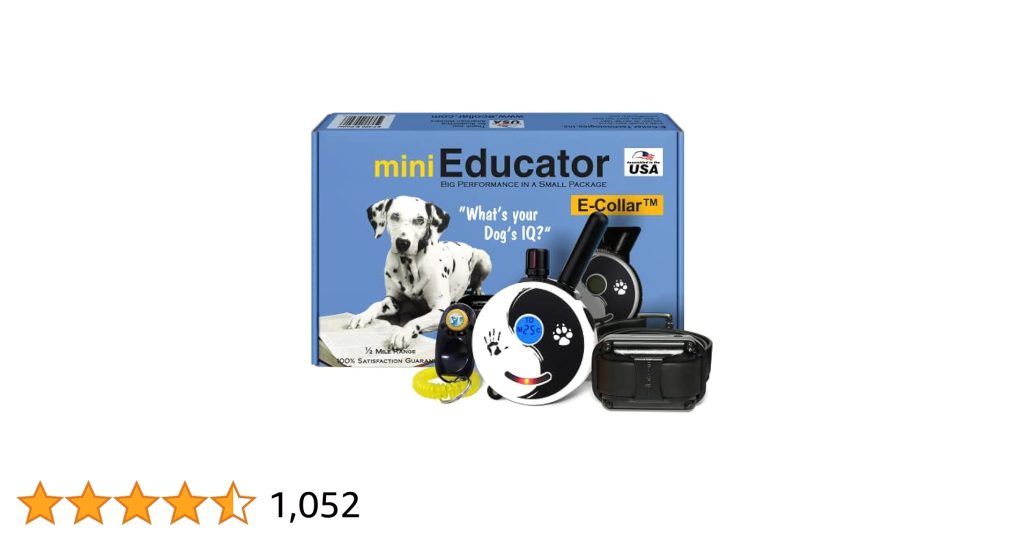
If you’ve ever wondered how to train your dog more effectively or solve behavior problems, you might have heard about an E collar. But what exactly is an E collar for a dog, and how can it help you?
Understanding this tool could make a big difference in your training approach and your dog’s behavior. Keep reading to discover what an E collar is, how it works, and whether it’s the right choice for you and your furry friend.
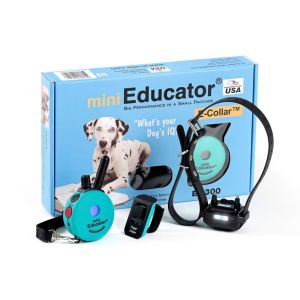
Credit: www.educatorcollars.com
Types Of E Collars
There are several types of e collars designed for different training needs. Each type works in a unique way to communicate with your dog. Choosing the right collar depends on your dog’s behavior and sensitivity.
Static Shock Collars
Static shock collars deliver a mild electric pulse. The intensity can usually be adjusted. They are used to correct unwanted behaviors quickly. Proper use requires care to avoid causing pain.
Vibration Collars
Vibration collars use gentle vibrations to get your dog’s attention. They are less intense than shock collars. These collars work well for dogs sensitive to touch. They provide a safe way to train without discomfort.
Spray Collars
Spray collars release a burst of air or citronella near the dog’s nose. This interrupts barking or other behaviors. The spray startles the dog but does not harm it. They are popular for bark control and distraction.
Ultrasonic Collars
Ultrasonic collars emit a high-pitched sound only dogs can hear. This sound draws the dog’s attention without physical contact. It is a gentle option for training. Dogs usually respond quickly to the noise.
How E Collars Work
Understanding how an E collar works is crucial for effective dog training. E collars, also known as electronic collars, help pet owners communicate with their dogs. These devices send signals to guide or correct a dog’s behavior. Let’s explore their components and functionalities.
Signal Transmission
E collars use a signal to communicate with the dog. The collar receives signals from a remote transmitter. Signals can be vibrations, tones, or static stimulation. These signals get the dog’s attention or deter unwanted actions. Signal transmission is immediate and effective.
Remote Control Features
Remote controls are integral to E collars. They allow the trainer to send signals to the collar. Remote controls have buttons for different signal types. They offer control over the intensity and type of signal. Some remotes have a range of up to several hundred yards.
Adjustable Settings
E collars come with adjustable settings for personalized training. Users can change the signal type and intensity. Settings vary based on the dog’s size and temperament. Adjustments ensure safe and effective communication. Proper settings promote positive training experiences.
Benefits Of Using E Collars
E collars offer many benefits for dog training and behavior management. They provide clear signals to dogs. This helps dogs learn commands faster and behave better. Using an e collar responsibly can improve training outcomes and communication.
Effective Training Aid
E collars help trainers deliver consistent signals. Dogs understand what is expected of them. This consistency speeds up learning. Trainers can use different levels of stimulation. It matches the dog’s size and sensitivity. This makes training safer and more effective.
Behavior Correction
E collars assist in reducing unwanted behaviors. They provide immediate feedback to dogs. Dogs quickly connect the correction with their actions. This helps stop barking, digging, or running away. It promotes good behavior without harsh punishment.
Enhanced Communication
E collars improve communication between dogs and owners. Signals are clear, simple, and timely. Dogs respond better to consistent commands. Owners can guide dogs from a distance. This is useful in open spaces or busy areas.
Safety Considerations
Safety is a key factor when using an E collar for a dog. It must be handled with care to protect your pet’s health and well-being. Understanding how to fit and use the collar properly helps prevent harm. Knowing the risks and limits of use also keeps your dog safe and comfortable.
Proper Fit And Usage
The E collar must fit snugly but not too tight. It should sit high on the dog’s neck, just below the ears. Check the fit daily to avoid irritation or sores. Use the collar only during training sessions, not all day. Follow the manufacturer’s instructions for settings and timing. Always supervise your dog while wearing the collar.
Avoiding Overuse
Using an E collar too often can cause stress and fear. Limit the training time to short sessions of 10 to 15 minutes. Give your dog breaks to relax without the collar. Avoid using the collar to punish your dog. Use positive reinforcement along with the collar for best results.
Health Risks To Watch For
Look for signs of skin irritation or hair loss under the collar. Watch for changes in behavior, like anxiety or aggression. If your dog shows pain or discomfort, stop using the collar immediately. Consult a vet if you notice any health problems. Regular checks keep your dog safe and happy with training.
Choosing The Right E Collar
Choosing the right e collar for your dog is important for safety and comfort. The correct collar helps your dog learn faster and stay calm. Several factors matter when selecting an e collar. Focus on size, range, battery life, and brand reputation. These ensure the collar fits well and works as expected.
Size And Fit
The collar must fit your dog comfortably. Too tight can hurt, too loose may not work well. Measure your dog’s neck before buying. Look for adjustable straps to get the right fit. Consider the collar’s weight; small dogs need lighter options. A proper fit prevents skin irritation and improves signal contact.
Range And Battery Life
Range shows how far the remote works from the collar. Longer range suits outdoor training or large spaces. Short range may work indoors or small yards. Battery life affects how long the collar lasts before recharging. Check for collars with rechargeable batteries or easy replacements. Consistent power ensures reliable training sessions.
Brand Reputation
Choose brands known for quality and safety. Good brands offer warranties and customer support. Read reviews to see what other dog owners say. Trusted brands test their products for safety and durability. Avoid cheap, unknown brands that may harm your dog or stop working quickly.

Credit: www.ebay.ca
Training Tips With E Collars
Using an E collar for training can be effective, but it requires care and patience. The key is to make sure your dog understands what the collar signals mean and to keep the experience positive. Here are some practical tips to help you get started and maintain good training habits with your dog.
Introducing The Collar
Start by letting your dog wear the E collar without turning it on. This helps your dog get used to the feel of the collar without any pressure or correction. Spend a few days doing this while giving treats and praise to create a positive association.
Next, try using the lowest stimulation level just to see how your dog reacts. Watch for signs like head shaking or confusion; your goal is to find the level that catches your dog’s attention without causing stress. This approach builds trust and prevents fear.
Positive Reinforcement
Pair the collar signals with rewards like treats, toys, or affection. For example, if you use the collar to get your dog’s attention, immediately follow with a treat when they respond correctly. This teaches your dog that good things happen when they listen.
Remember, the collar is a communication tool, not a punishment. Use it to guide, not to scare. This balance encourages your dog to learn faster and enjoy the training process.
Consistency In Commands
Always use the same words and signals when training with the E collar. If “sit” means sit, don’t switch to “stay” or “wait” for the same action. Consistency helps your dog understand exactly what you want.
Make sure everyone in your household uses the same commands and collar settings. Conflicting signals can confuse your dog and slow progress. Are you ready to commit to consistent training that benefits both you and your dog?
Common Misconceptions
Many people misunderstand what an e collar does for dogs. These collars often get a bad reputation. Myths can cause fear and confusion among dog owners. Clearing up these myths helps you make better choices. Knowing the truth about e collars improves training experiences and outcomes.
E Collars Cause Pain
Many believe e collars hurt dogs. Actually, modern e collars use a mild static signal. It is more like a gentle vibration or tap. The signal warns the dog without causing pain. Proper use means no harm or discomfort. Training focuses on positive reinforcement, not punishment.
Immediate Results
Some expect dogs to learn instantly with e collars. Training takes time and patience. Dogs need to understand what the signal means. Consistent use and proper guidance matter most. Quick fixes are rare in dog training. Slow and steady training gives lasting results.
Suitable For All Dogs
Not every dog should wear an e collar. Dogs with health issues or very sensitive skin may not suit them. Puppies often need gentler training methods. Each dog’s personality and needs differ. Consulting a professional trainer helps decide if an e collar fits your dog.
Credit: www.caminadepet.com
Frequently Asked Questions
What Is An E Collar For A Dog Used For?
An E Collar is used for dog training and behavior correction. It delivers mild electrical stimulation to get the dog’s attention. This helps in teaching commands and reducing unwanted behaviors like barking or aggression.
Are E Collars Safe For Dogs To Wear?
Yes, E Collars are safe when used correctly. Proper settings and timing are crucial to avoid discomfort. Always follow manufacturer instructions and consult a trainer for effective and humane use.
How Does An E Collar Work On Dogs?
An E Collar works by sending a controlled electrical pulse. This pulse signals the dog to stop or change behavior. It acts as a communication tool between the owner and the dog during training.
Can E Collars Help With Aggressive Dog Behavior?
E Collars can aid in managing aggression when used properly. They help reinforce commands and discourage aggressive actions. However, professional training guidance is recommended for best results.
Conclusion
An e collar helps train dogs safely and effectively. It offers clear signals that dogs can understand. Using it right needs patience and care. Always choose the right collar for your dog’s size. Training with kindness builds trust and good habits.
Remember, the e collar is a tool, not a punishment. It supports better communication between you and your dog. With proper use, your dog learns commands faster. Training becomes easier and more consistent. Keep your dog’s comfort and safety as top priorities.

Emily Barker is the founder of ChillDogLife.com, a space dedicated to helping pup parents discover the best dog products, lifestyle tips, and cozy ideas for happier homes.
A lifelong dog lover, Emily combines her passion for pets with a knack for research to share trusted recommendations on everything from toys and furniture to health and everyday care.
Her goal is simple: to make life easier, stylish, and more joyful for dogs and the people who love them.




