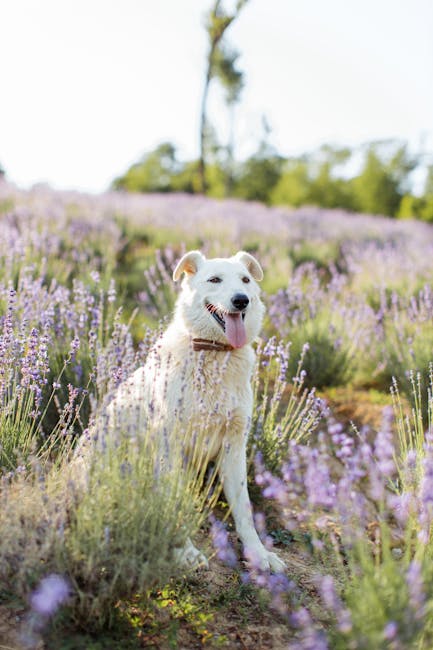
Are you tired of finding your beautiful flower beds dug up or trampled by your playful dog? It’s frustrating to see your hard work ruined, isn’t it?
You want your garden to look vibrant and healthy, but keeping your furry friend away can feel like a constant battle. The good news is, you don’t have to choose between a happy dog and a stunning garden. You’ll discover simple and effective ways to protect your flower beds while still letting your dog enjoy the yard.
Keep reading, and you’ll learn how to create a peaceful space where both your plants and your pet can thrive.

Credit: www.msn.com
Common Reasons Dogs Enter Flower Beds
Understanding why your dog is drawn to your flower beds is the first step in keeping them out. Dogs have natural behaviors and needs that often lead them straight to those colorful patches in your garden. Recognizing these reasons helps you find solutions that work for both you and your furry friend.
Curiosity And Exploration
Dogs are naturally curious creatures. Your flower bed might be full of new smells, textures, and sights that catch their attention. Have you noticed your dog sniffing around or pawing at the soil just to figure out what’s there?
This urge to explore is a way for them to learn about their environment. Providing alternative outlets for their curiosity, like puzzle toys or new play areas, can reduce their interest in your flowers.
Seeking Comfort Or Shade
Flower beds often offer soft soil and shaded spots—perfect for a dog looking to relax. On hot days, your dog might choose the cool earth in your flower bed as a resting place. Have you caught your dog lying in the dirt rather than on their bed?
Creating designated comfy zones with shade and soft bedding can help redirect this behavior. Your dog will appreciate a cozy spot that’s just for them, away from your plants.
Digging Instincts
Digging is a natural behavior for many dogs. Some breeds have stronger digging instincts, while others dig out of boredom or to bury items. Flower beds provide loose soil that’s easy to dig into.
Try giving your dog a specific digging area filled with safe soil or sand. This way, they satisfy their urge without ruining your garden.
Attraction To Plants Or Insects
Dogs may be attracted to the scent or taste of certain plants in your flower bed. Some flowers have a smell that intrigues them, while others might attract insects that your dog wants to chase or catch. Have you seen your dog nibbling petals or pawing at buzzing bees?
Identifying which plants attract your dog can help you rearrange or replace them with less tempting options. Also, keeping your garden free of insects reduces these distractions.
Physical Barriers To Protect Flower Beds
Dogs love to explore, which can lead to trampled flower beds. Protecting these beds with physical barriers is essential. This ensures your garden stays beautiful and intact. Let’s explore effective ways to keep dogs away from your flowers.
Fencing Options
Fences are a reliable way to keep dogs out. Choose a fence that suits your garden style. Wooden fences are sturdy and blend well with nature. Metal fences offer durability and require little maintenance. For a modern look, consider vinyl fences. They are long-lasting and easy to clean. Whichever you choose, ensure it’s tall enough to deter jumping dogs.
Using Garden Edging
Garden edging can act as a subtle barrier. It defines your flower bed’s boundaries clearly. Use stone or brick edging for a classic look. Plastic or metal edging offers flexibility for curved designs. Edging not only keeps dogs out but also enhances garden aesthetics.
Netting And Mesh Covers
Netting and mesh covers are lightweight and effective. They protect delicate flowers from curious paws. Use them over flower beds to create a gentle barrier. Ensure the netting is taut to prevent dogs from pushing through. Mesh covers can also keep other pests at bay. They are easy to install and can be removed when needed.
Training Techniques To Keep Dogs Away
Training your dog to stay out of flower beds takes patience and consistency. Teaching clear boundaries helps your dog understand where to go. Using positive methods builds trust and encourages good behavior. Redirecting unwanted actions gives your dog better ways to play and dig.
Basic Commands For Boundaries
Start with simple commands like “leave it” or “stay.” Use a calm voice and show the dog where it can go. Practice these commands near the flower bed often. Reward the dog when it listens and stays away from flowers. Repeat sessions daily for better results.
Positive Reinforcement Strategies
Give treats or praise when the dog avoids the flower bed. Positive feedback helps the dog learn quickly. Use small, tasty treats to keep the dog interested. Always reward good behavior immediately after it happens. Avoid punishment, as it can cause fear or confusion.
Redirecting Digging Behavior
Provide a special digging area with soft soil or sand. Encourage the dog to dig there using toys or treats. When the dog starts digging in the flower bed, gently lead it to the digging zone. Praise the dog for digging in the right place. This helps satisfy the dog’s digging needs safely.

Credit: www.reddit.com
Natural Deterrents And Repellents
Natural deterrents and repellents offer gentle ways to keep dogs away from flower beds. These options protect plants without harming pets. Using nature’s scents and plants can guide dogs to avoid certain areas.
Scent-based Repellents
Dogs dislike certain smells. These scents act as invisible barriers around flower beds. Common scents that repel dogs include:
- Citronella
- Vinegar
- Citrus peels
- Essential oils like eucalyptus and peppermint
Spray these scents around the flower bed edges. Reapply after rain to keep the smell strong. Avoid harsh chemicals that may hurt your dog or plants.
Planting Dog-repellent Plants
Some plants naturally discourage dogs from entering areas. Their smell or texture can be unpleasant to dogs. Consider planting:
- Rue
- Lavender
- Rosemary
- Marigolds
These plants add beauty while protecting your flowers. Plant them along borders for the best effect.
Safe Homemade Solutions
Homemade repellents are easy to make with household items. Mix vinegar and water in a spray bottle. Spray around the flower bed but not on plants. Another option is sprinkling ground black pepper or cayenne pepper. These irritate dogs’ noses and keep them away. Always test small areas first to avoid harming plants.
Creating Dog-friendly Zones
Creating dog-friendly zones in your yard is a smart way to protect your flower beds while keeping your dog happy and engaged. Instead of just trying to block off areas, you can guide your dog’s energy and curiosity toward spots designed specifically for their needs. This approach reduces frustration for both you and your pet, making your garden a peaceful and enjoyable space.
Designated Digging Areas
Give your dog a spot where digging is allowed and even encouraged. Choose a corner of your yard and fill it with soft soil or sand, then hide some toys or treats there. Your dog will likely focus their digging energy here instead of in your flower beds.
Try adding a low fence or border around this area to make it clear where digging is okay. You might notice your dog happily running to this spot whenever they want to dig, which protects the rest of your garden.
Providing Comfortable Rest Spots
Dogs often dig or trample flower beds because they want a cozy place to relax. Create inviting rest areas with soft grass, a shaded bench, or a dog bed outside. This can keep your dog comfortable and less likely to wander into your plants.
Adding elements like a small canopy or a water bowl nearby shows your dog this is their special spot. You’ll find that your dog prefers resting in these areas rather than disturbing your carefully planted flowers.
Engaging Outdoor Activities
Keep your dog busy with interactive games or toys to reduce boredom-driven digging or trampling. Use fetch, agility courses, or puzzle feeders to stimulate both their mind and body.
Regular playtimes can prevent your dog from seeking entertainment by digging in flower beds. Have you noticed how a tired dog is less likely to cause trouble? Engaging activities help you enjoy your garden without worrying about damage.

Credit: www.yahoo.com
Maintaining Healthy Flower Beds
Keeping your flower beds healthy is key to discouraging your dog from digging or trampling them. Well-maintained beds not only look beautiful but also create a natural barrier that your dog will respect. Let’s look at how you can maintain your flower beds to keep them thriving and dog-proof.
Regular Mulching And Ground Cover
Mulching your flower beds regularly helps protect the soil and plants. It keeps moisture in and reduces weeds, which means less temptation for your dog to dig around. Using thick bark mulch or smooth river rocks can make the surface less appealing for pawing or sniffing.
Ground cover plants like creeping thyme or low-growing sedum act as living mulch. They fill in gaps, making it harder for your dog to find bare spots to dig. Have you tried planting tough ground covers that survive some foot traffic?
Removing Attractants
What draws your dog to the flower bed? Fallen fruit, tempting scents, or even leftover food scraps can make your garden irresistible. Clear away any such attractants promptly to reduce curiosity and digging urges.
Check for plants with strong fragrances or bright colors that might lure your dog. Sometimes, simply relocating these plants or replacing them with less appealing varieties can make a big difference. Have you noticed certain plants your dog favors more than others?
Monitoring And Adjusting Strategies
Keep an eye on how your dog interacts with the flower beds. If you spot repeated attempts to get in, try changing your approach. Adding physical barriers like low fencing or using safe deterrent sprays might be necessary.
Adjust your methods based on what works and what doesn’t. It might take some trial and error, but your attentiveness can save your plants and keep your dog happy. How often do you check your garden for signs of your dog’s activity?
Frequently Asked Questions
How Can I Train My Dog To Avoid Flower Beds?
Use positive reinforcement by rewarding your dog when it stays away. Consistently redirect your dog away from flower beds. Training with commands like “leave it” helps establish boundaries. Supervise outdoor time until your dog learns. Patience and consistency are key to success.
What Natural Barriers Keep Dogs Out Of Flower Beds?
Use physical barriers like low fences, garden edging, or decorative rocks. Plants with strong scents, like lavender or rosemary, deter dogs naturally. Mulch with prickly materials to discourage digging. Combining barriers increases effectiveness and protects your flower beds efficiently.
Are Commercial Repellents Safe For Dogs And Plants?
Many commercial repellents are pet-safe but always check labels before use. Natural repellents like vinegar or citrus sprays work well and are safer. Avoid harmful chemicals that may irritate your dog or damage plants. Use repellents as part of a broader training strategy.
Why Do Dogs Dig In Flower Beds?
Dogs dig to explore, seek comfort, or relieve boredom and anxiety. Flower beds have soft soil, making them attractive for digging. Understanding the reason helps address the behavior effectively. Providing alternative digging spots and exercise can reduce digging.
Conclusion
Keeping your dog out of flower beds takes patience and simple steps. Use barriers like fences or plants dogs don’t like. Train your dog to stay away with treats and praise. Make the area less tempting by removing toys or food.
Always watch your dog when outside near flowers. With time and care, your garden stays safe, and your dog stays happy. Small changes make a big difference. Your flower beds will bloom beautifully without damage.

Emily Barker is the founder of ChillDogLife.com, a space dedicated to helping pup parents discover the best dog products, lifestyle tips, and cozy ideas for happier homes.
A lifelong dog lover, Emily combines her passion for pets with a knack for research to share trusted recommendations on everything from toys and furniture to health and everyday care.
Her goal is simple: to make life easier, stylish, and more joyful for dogs and the people who love them.




