Have you ever wondered what happens if you or someone you care about gets bitten by a dog in Texas? Knowing whether Texas holds dog owners strictly responsible can make a big difference in how you handle the situation.
If you’re concerned about your safety or your rights after a dog bite, understanding the law is crucial. Keep reading to find out if Texas is a strict liability state for dog bites and what that means for you and your family.
This information could protect you from unexpected costs and help you take the right steps if the worst happens.
Texas Dog Bite Laws
Texas dog bite laws set clear rules about who is responsible for injuries caused by dogs. These laws aim to protect victims and guide dog owners on their duties. Understanding Texas’s approach helps in knowing what happens after a dog bite incident.
Legal Basis For Liability
Texas follows a strict liability rule for dog bites. This means a dog owner is responsible if their dog bites someone. The victim does not need to prove the dog was aggressive before. Liability applies even if the dog has no history of biting.
Statutory Provisions
The Texas Health and Safety Code covers dog bite cases. It states owners must control their dogs to prevent attacks. The law allows victims to claim damages for medical costs and pain. Owners may face penalties for failing to restrain dangerous dogs.
Common Law Principles
Texas courts also use common law to decide dog bite cases. Courts look at facts like how the dog behaved before. They consider if the owner was negligent in controlling the dog. Common law supports strict liability but adds case-by-case details.

Credit: taejawilliams.medium.com
Strict Liability Explained
Understanding strict liability is crucial if you want to grasp how dog bite cases are handled in Texas. It’s a legal principle that can affect whether a dog owner is held responsible for injuries without the need to prove negligence. Knowing this can help you better navigate claims and protect your rights.
Definition And Scope
Strict liabilitymeans the dog owner is automatically responsible for damages caused by their dog biting someone, regardless of whether the owner was careless.
This legal concept removes the need to prove the owner knew the dog was dangerous or had a history of biting. Instead, the focus is on the act itself — the bite and resulting injury.
Strict liability covers physical harm, emotional distress, and medical costs stemming from the bite. It’s designed to encourage owners to control their pets and prevent harm.
Application In Dog Bite Cases
In Texas, strict liability applies to dog bites occurring in public places or when the victim is lawfully on private property. This means if you’re bitten while walking down the street or visiting a friend, the dog owner can be held liable without you proving negligence.
However, there are exceptions. For example, if you were trespassing or provoking the dog, the owner may not be held responsible under strict liability.
Think about a time when you or someone you know was bitten by a dog. Did the owner try to claim they had no idea the dog would bite? Under Texas law, that defense often doesn’t hold up.
Understanding these details can help you protect yourself or take the right steps if you’re a dog owner. Have you ever considered how strict liability impacts your daily interactions with dogs?
Texas Approach To Dog Bites
The Texas approach to dog bites is shaped by specific legal standards that balance the rights and responsibilities of dog owners with the protection of victims. Understanding how the state treats liability, owner duties, and victim involvement helps you navigate potential dog bite incidents more effectively.
Strict Liability Status
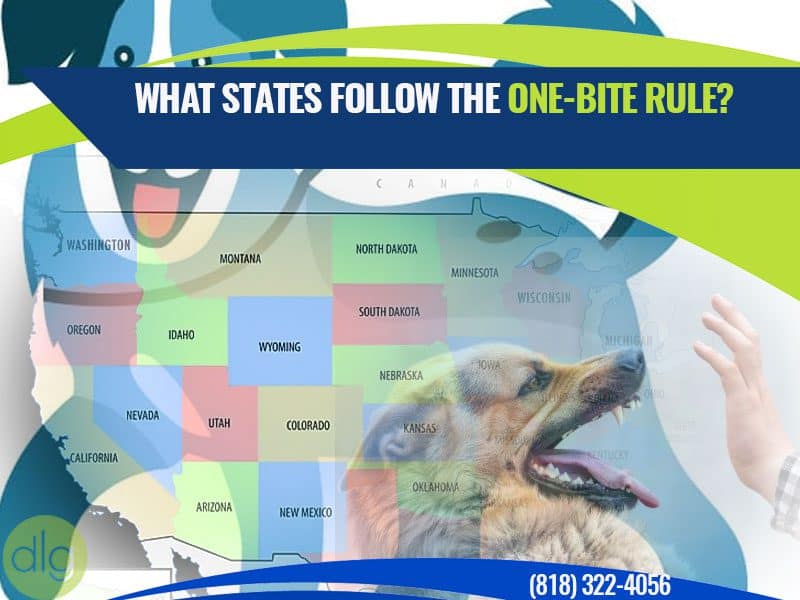
Texas is not a strict liability state for dog bites. This means that dog owners are not automatically responsible for injuries caused by their pets.
Instead, the state follows a “one bite” rule, which requires the victim to prove the owner knew or should have known the dog had aggressive tendencies before the bite.
So, if your dog bites someone without any previous incidents or warnings, you might not be held legally liable under Texas law.
Owner’s Responsibility
As a dog owner in Texas, you must exercise reasonable care to prevent your dog from biting others.
This includes actions like proper training, securing your dog on your property, and warning guests or visitors if your dog has a history of aggression.
Failing to meet these responsibilities can increase your liability if a bite occurs, especially if it shows negligence.
Victim’s Role
If you are bitten by a dog in Texas, gathering evidence is crucial to support your claim.
Document the injury, seek medical attention, and try to find out if the dog has bitten someone before.
You will need to prove the owner was aware or should have been aware of the dog’s dangerous behavior to hold them accountable.
Exceptions And Defenses
Understanding the exceptions and defenses to strict liability in Texas dog bite cases is crucial. While the state generally holds dog owners responsible, certain situations can change the outcome. Knowing these exceptions helps you navigate the legal landscape more effectively.
Provocation By Victim
If you provoke a dog, the owner may not be liable for any bite or injury. Provocation means any action that might cause the dog to react aggressively, such as hitting, teasing, or cornering the animal. Have you ever thought about how your behavior around a dog could influence its reaction?
This defense protects owners when their dogs respond to direct threats or harassment. So, it’s important to stay calm and avoid provoking any dog, no matter how friendly it seems.
Trespassing And Illegal Activities
Dog owners in Texas usually aren’t responsible if the victim was trespassing or involved in illegal activities during the bite. For example, if someone breaks into a yard or tries to steal a dog, the owner’s liability decreases significantly. This rule encourages respect for property and lawful behavior.
But what if the trespasser was a child who wandered onto the property? This can complicate the case, and courts may consider the dog owner’s duty to secure their property.
Knowledge Of Dog’s Dangerous Propensity
Texas law often requires owners to know their dog’s dangerous tendencies before holding them strictly liable. If the owner had no reason to believe their dog was aggressive, they might use this as a defense. Think about how important it is for owners to recognize and manage their dog’s behavior early on.
However, once an owner is aware of past incidents or aggressive behavior, they must take precautions. Failure to do so can lead to full liability if the dog bites someone.
Comparisons With Other States
Texas follows specific rules about dog bite liability. These rules differ widely across the United States. Understanding other states’ laws helps highlight Texas’ position on dog bite cases.
States vary mainly in how they assign responsibility for dog bite injuries. Some impose strict liability, others focus on negligence, and some use a mix of both. These differences affect the outcome of dog bite claims.
Strict Liability States
Strict liability means the dog owner is responsible for any bite, no matter what. The owner does not need to know the dog is dangerous. Many states, like California and Florida, apply this rule.
In strict liability states, victims do not have to prove the owner’s fault. The law assumes the owner is liable if the dog bites.
Negligence-based States
Negligence-based states require the victim to prove the owner failed to act carefully. The owner is liable only if they knew the dog was dangerous or failed to prevent the bite.
States such as New York and Illinois follow this approach. Victims must show the owner’s carelessness caused the injury.
Hybrid Approaches
Some states use a mix of strict liability and negligence rules. They may apply strict liability for certain breeds or situations.
Other cases might require proof of negligence. States like Colorado and Pennsylvania have such hybrid laws.
These hybrid systems create a balance between protecting victims and considering owners’ efforts.

Credit: thomasjhenrylaw.com
Filing A Dog Bite Claim In Texas
Filing a dog bite claim in Texas involves specific steps and rules. Understanding these can help protect your rights and improve your case. Knowing what evidence is needed, the time limits for filing, and the damages you may recover is crucial. Texas law has unique aspects about dog bite claims that every victim should know.
Required Evidence
Gathering strong evidence is key to a successful dog bite claim. Proof must show the dog owner’s responsibility and the injury caused. Important evidence includes:
- Medical records documenting the bite and treatment
- Photos of the injuries and the scene
- Witness statements describing the attack
- Proof of the dog’s ownership, like vaccination records
- Any prior complaints or reports about the dog’s behavior
Statute Of Limitations
Texas law sets a strict deadline for filing dog bite claims. The statute of limitations is two years from the date of the bite. Missing this deadline usually means losing the right to sue. Acting quickly ensures your claim stays valid.
Possible Damages
Victims can seek various damages from a dog bite claim. These damages cover both financial losses and pain suffered. Common types include:
- Medical expenses for treatment and recovery
- Lost wages due to injury
- Pain and suffering caused by the attack
- Emotional distress and trauma
- Permanent scarring or disfigurement
Preventive Measures For Dog Owners
Preventive measures help dog owners reduce risks of bites and legal troubles. Taking simple steps keeps dogs calm and people safe. These actions protect both pets and owners from harm and costly lawsuits. Care and responsibility go hand in hand with dog ownership.
Proper Training And Socialization
Training shapes a dog’s behavior. Teach basic commands like sit, stay, and come. Socialize dogs early by exposing them to people and other animals. This reduces fear and aggression. Consistent training creates calm and obedient dogs.
Securing Property
Fences and gates keep dogs contained. Check for holes or weak spots regularly. Use locks to prevent accidental escapes. Clear signs warn visitors about a dog on the property. Secure yards reduce chances of bites outside the home.
Liability Insurance
Liability insurance covers damages if a dog bites someone. It helps pay medical bills and legal fees. Many policies offer protection specifically for dog owners. Insurance provides peace of mind and financial security.

Credit: siegfriedandjensen.com
Frequently Asked Questions
Is Texas A Strict Liability State For Dog Bites?
Yes, Texas follows a strict liability law for dog bites. Owners are responsible for injuries caused by their dogs, regardless of prior knowledge or warnings.
What Does Strict Liability Mean In Texas Dog Bite Cases?
Strict liability means dog owners are liable for bites, even without previous incidents. Victims don’t need to prove negligence to claim damages.
Are There Exceptions To Texas Dog Bite Strict Liability?
Yes, Texas law exempts dog bites if the victim provoked the dog or was trespassing. Liability may not apply in these cases.
How Can Dog Bite Victims Prove Liability In Texas?
Victims must show the dog caused the injury and the bite happened without provocation. Texas law simplifies proving liability for owners.
Conclusion
Texas holds unique laws for dog bites. Strict liability applies in certain cases. Dog owners need to be aware. Knowing the law helps prevent legal issues. Always control your pets properly. Understanding rights and responsibilities is key. It protects both the owner and others.
Stay informed to ensure safety for all. Legal advice can clarify specific concerns. Awareness reduces risks and ensures compliance. Always prioritize safety and responsibility. This helps maintain a harmonious community. Texas laws can seem complex, but they’re vital.

Emily Barker is the founder of ChillDogLife.com, a space dedicated to helping pup parents discover the best dog products, lifestyle tips, and cozy ideas for happier homes.
A lifelong dog lover, Emily combines her passion for pets with a knack for research to share trusted recommendations on everything from toys and furniture to health and everyday care.
Her goal is simple: to make life easier, stylish, and more joyful for dogs and the people who love them.




