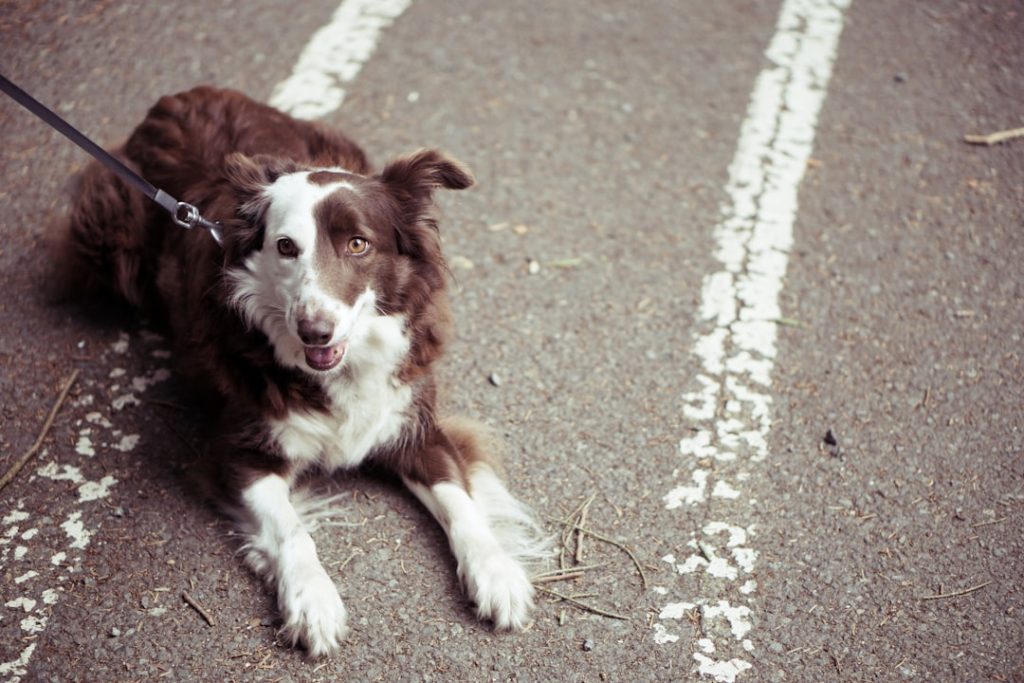
Have you ever wondered what happens if your dog causes an accident? Maybe your furry friend suddenly runs into the street or distracts a driver, leading to a crash.
You might be asking yourself, “Am I responsible for the damages? Could I be held liable? ” Understanding your legal responsibilities is crucial—not just for your peace of mind, but to protect yourself from unexpected costs and complications. Keep reading to find out exactly when you could be held liable and what steps you can take to stay safe and prepared.
Dog Owner Liability Basics
Understanding dog owner liability basics is key to knowing your legal duties. Owning a dog means more than just care and love. It involves responsibility for your pet’s behavior and any harm it might cause. Liability laws protect people from injuries or damage caused by dogs. Knowing these rules helps prevent legal trouble and keeps everyone safe.
Legal Responsibilities
Dog owners must control their pets at all times. This means keeping dogs on a leash in public places. Owners must also train dogs to avoid aggressive behavior. Laws often require owners to warn others about a dog’s dangerous tendencies. If a dog bites or causes damage, the owner is usually responsible. Many places have “strict liability” rules, holding owners accountable regardless of fault.
Types Of Accidents Involved
- Dog bites that cause injuries to people or other animals
- Car accidents caused by dogs running onto roads
- Property damage like torn fences or destroyed gardens
- Slip and fall incidents triggered by dogs in public areas
Each accident type can lead to claims against the dog owner. Understanding these scenarios helps owners prevent accidents and stay compliant with laws.
Laws Governing Dog-related Accidents
Understanding the laws around dog-related accidents is important for every dog owner. These laws decide who pays for damages if a dog causes injury or a crash. Different states and areas follow different rules. Knowing these rules helps you stay responsible and protect yourself legally.
Strict Liability States
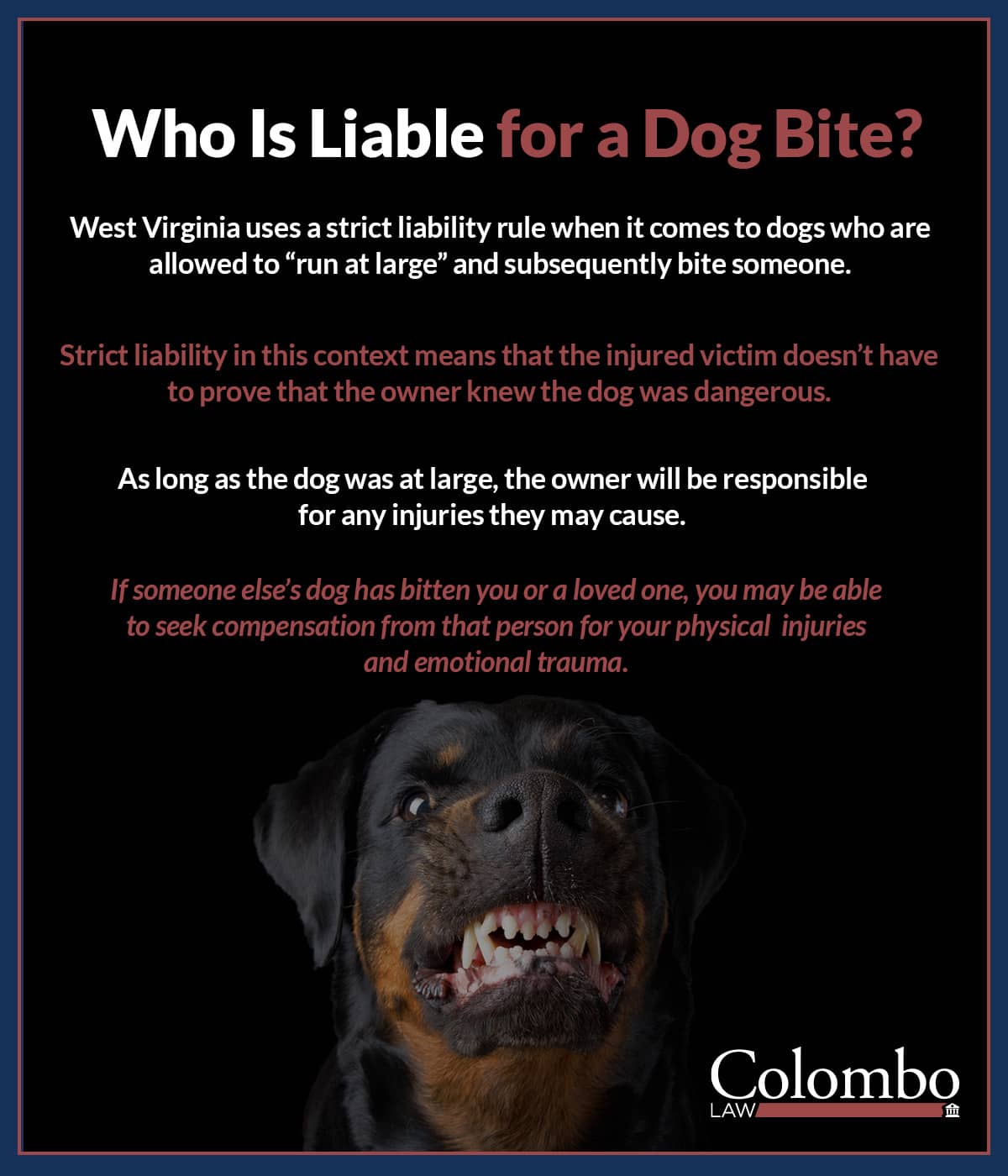
In strict liability states, owners are responsible for damages their dog causes. Owners do not need to prove the dog was dangerous before. The law assumes the owner is liable if the dog causes harm. This rule makes owners more careful about controlling their dogs. It also helps victims get compensation faster.
Negligence-based States
Negligence-based states require proof that the owner was careless. Victims must show the owner knew or should have known about the dog’s behavior. The owner is liable only if they failed to act responsibly. This rule can be harder for victims to prove. It encourages owners to train and supervise their dogs properly.
Local Ordinances And Regulations
Many cities and towns have their own dog laws. These rules can include leash requirements and dangerous dog designations. Local rules vary widely and may add extra penalties. Some places require dog licenses or specific fencing. Knowing local laws helps avoid fines and legal trouble.
Common Scenarios Of Dog-related Accidents
Dog-related accidents can happen in many ways, causing harm to people, vehicles, or property. Knowing common scenarios helps owners understand their responsibilities. These situations show how dogs may cause accidents and the possible consequences.
Dog Bites And Injuries
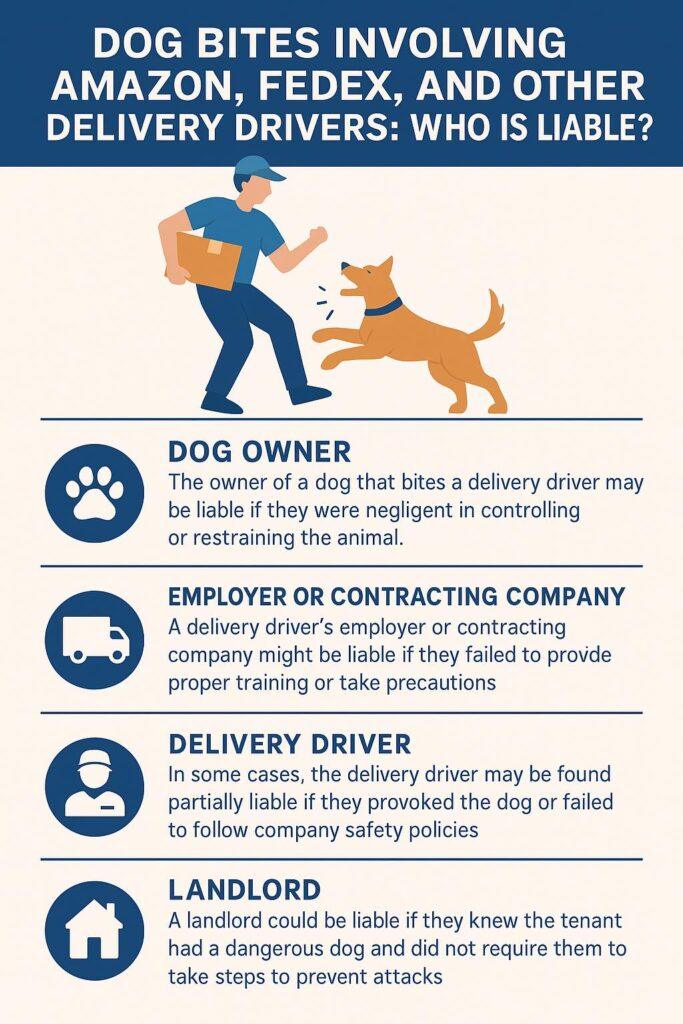
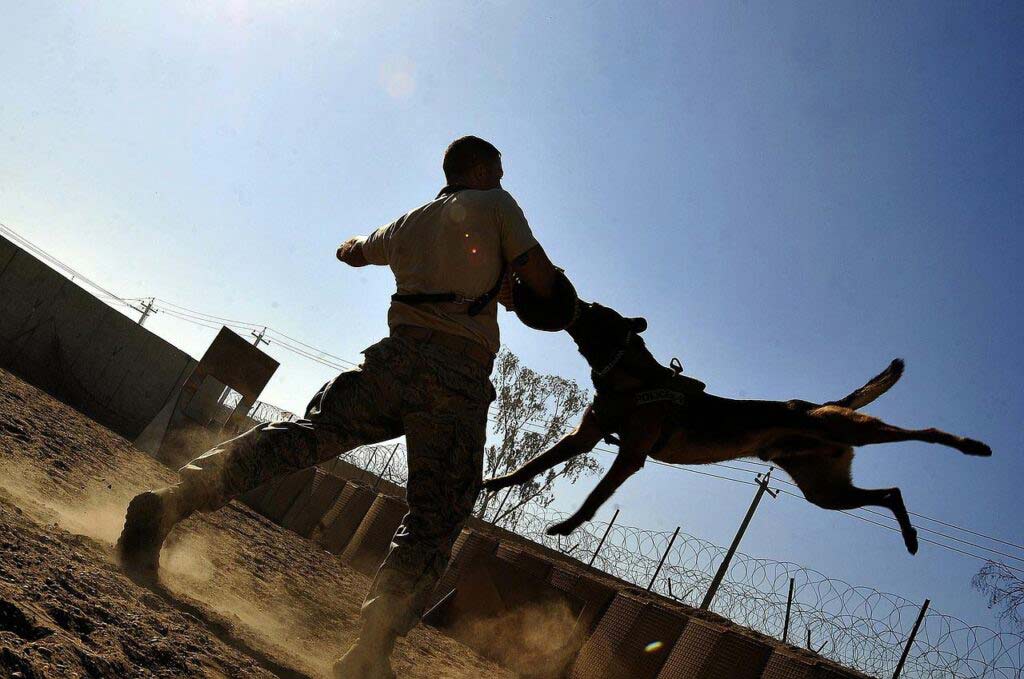
Dog bites are a frequent cause of injury. Dogs may bite out of fear, protection, or surprise. Victims often suffer from cuts, bruises, or infections. Owners can be held liable if their dog bites someone. Laws vary by location but usually hold owners responsible for injuries caused by their pets.
Vehicle Accidents Caused By Dogs
Dogs running into streets can cause traffic accidents. Drivers may swerve or brake suddenly to avoid hitting a dog. These reactions can lead to crashes with other vehicles or objects. If a dog owner did not control their pet, they might face liability for damages and injuries.
Property Damage
Dogs sometimes damage property by digging, chewing, or scratching. This damage can affect neighbors or public spaces. Owners might be required to pay for repairs or replacements. Preventing property damage means supervising dogs and training them properly.
Establishing Fault And Liability
Determining who is at fault when a dog causes an accident can be complex. Fault and liability depend on various factors, including the owner’s behavior, the dog’s past, and the actions of those involved in the accident. Understanding these elements can help you assess your responsibility and protect your rights.
Proving Owner Negligence
Negligence is key in deciding if you’re liable. If you failed to control your dog properly or ignored safety measures, you could be held responsible. Evidence like witness statements, photos, or videos showing your dog off-leash in a restricted area strengthens the case against you.
Think about whether you took reasonable steps to prevent the accident. Did you secure your dog with a leash or fence? If not, that might be enough to show negligence in court.
Role Of Dog’s History
Your dog’s past behavior plays a big role. If your dog has a record of aggression or prior incidents, courts often see this as a warning you ignored. This history can tip the scales toward liability, even if the accident seems minor.
Have you ever been warned about your dog’s behavior? Ignoring such warnings can make you liable for accidents your dog causes later. Keep records of any training or behavior assessments; they can help your defense.
Contributory Negligence By Victims
Sometimes, the victim shares some blame. If someone provoked your dog or ignored safety rules, their actions might reduce your liability. For example, a jogger entering a fenced yard and teasing your dog may be partly responsible.
Have you considered how the victim’s behavior affected the incident? Courts may reduce or even deny damages if the victim’s negligence contributed. Understanding this can help you prepare a stronger case or negotiate settlements more effectively.
Insurance And Financial Implications
Understanding the insurance and financial implications of a dog-caused accident is crucial. You might think your pet’s accident is just an unfortunate event, but it could lead to significant financial responsibility. Knowing how your insurance works and what costs you might face can save you from unexpected burdens.
Homeowners Insurance Coverage
Your homeowners insurance policy often includes liability coverage for incidents involving your dog. This means the insurer may cover injuries or property damage caused by your pet, up to your policy limits.
However, not all policies are equal. Some exclude certain dog breeds or specific types of injuries. It’s important to review your policy carefully and speak with your agent about what is and isn’t covered.
Have you checked if your policy covers dog bites or accidents involving your dog? If not, you might want to do that today.
Claims Process
If your dog causes an accident, you or the injured party can file a claim with your insurance company. You’ll need to provide detailed information about the incident, including date, location, and any medical or repair bills.
Keep in mind, insurance companies investigate claims thoroughly. They may require statements or evidence to determine fault and coverage eligibility.
Act quickly and document everything. Taking photos and gathering witness contact info can make the process smoother and help avoid disputes.
Potential Costs And Penalties
Even if your insurance covers the accident, you could face out-of-pocket costs like deductibles or coverage limits. If the damages exceed your policy limits, you may have to pay the remainder yourself.
There’s also the risk of increased premiums after a claim. Insurance companies often raise rates if you have liability claims, impacting your finances in the long term.
In some cases, legal penalties or fines may apply, especially if negligence is proven. Are you prepared to handle these financial hits if your dog causes an accident?
Credit: www.colombolaw.com
Preventing Accidents And Liability
Preventing accidents caused by your dog is not just about keeping others safe—it also protects you from potential legal trouble. Taking proactive steps to manage your dog’s behavior and environment helps reduce risks significantly. What measures can you take to keep control and avoid liability?
Training And Socialization
Training your dog is essential for preventing accidents. Teaching basic commands like “sit,” “stay,” and “come” gives you control in unexpected situations. Socializing your dog with other people and animals helps reduce fear or aggression that could lead to dangerous encounters.
Think about how a well-trained dog behaves calmly around strangers versus one that reacts unpredictably. Have you noticed how consistent training builds trust between you and your pet? This trust can be key in managing your dog safely.
Proper Restraint And Control
Using the right restraint methods keeps your dog from wandering into harm’s way. Leashes, harnesses, and secure fences are crucial tools. Always consider your dog’s size and strength when choosing restraints to ensure they can’t break free easily.
Have you ever seen a loose dog dart into traffic or cause a scuffle? That moment shows how important it is to maintain control at all times. Even in familiar places, don’t assume your dog won’t get distracted or scared.
Safe Environment Practices
Creating a safe environment minimizes risks for accidents. Remove hazards like sharp objects, toxic plants, or unsecured gates from areas where your dog spends time. Regularly check your yard or home for anything that might provoke your dog or cause injury.
Consider how small changes, like locking your gate or storing cleaning products out of reach, can prevent unexpected incidents. Are you regularly inspecting your dog’s space to keep it secure? Small efforts here pay off big in safety and liability prevention.
Steps To Take After An Accident
Knowing what to do immediately after your dog causes an accident can make a significant difference in how the situation unfolds. Taking the right steps helps protect your rights and those of others involved. It also ensures the matter is handled responsibly and legally.
Immediate Actions
First, check if anyone is injured and call for medical help if needed. Your dog’s safety is important too, so secure your pet to prevent further incidents.
Next, gather information from everyone involved. This includes names, contact details, and insurance information. Take photos of the scene, your dog, and any damage for evidence.
Stay calm and avoid admitting fault at the scene. How you react can influence the outcome, so keep communication clear and factual.
Reporting To Authorities
Depending on your location and the accident’s severity, you may need to report the incident to local animal control or police. This official record can be crucial if legal issues arise later.
Ask the authorities about the proper procedure and deadlines for filing reports. Missing these can affect your liability and the resolution process.
Keep copies of all reports and documents. They serve as proof of your cooperation and can support your case if disputes occur.
Legal Advice And Representation
Consult a lawyer experienced in animal liability cases. They can clarify your rights and guide you through complex legal requirements.
Legal counsel can help you negotiate with insurance companies or other parties involved. This guidance often prevents costly mistakes or unnecessary admissions of guilt.
Have you considered how professional advice could change your approach? Sometimes, early legal support can save you time, money, and stress down the line.
Credit: www.fosterwallace.com
Credit: www.miskinlaw.ca
Frequently Asked Questions
What Happens If My Dog Causes An Accident?
If your dog causes an accident, you might be held liable. Liability often depends on local laws and if negligence occurred. Homeowners or renters insurance might cover damages. It’s essential to train your dog properly and keep them restrained in public to prevent such incidents.
Are Dog Owners Always Liable For Accidents?
Dog owners aren’t always liable, but it depends on the situation and local laws. Some regions follow strict liability, holding owners responsible regardless of negligence. Others consider factors like negligence or past behavior. Consult local regulations and consider legal advice for specific incidents involving your dog.
Can Insurance Cover Dog-related Accident Damages?
Yes, some homeowners or renters insurance policies cover dog-related accident damages. Coverage varies by policy and provider. Review your policy details to understand what’s included. If not covered, consider a separate pet liability policy. Always notify your insurer if you own a dog to avoid coverage issues.
How Can I Prevent My Dog From Causing Accidents?
Prevent accidents by training your dog and using proper restraints in public places. Socialize your dog to reduce aggressive behavior and keep them on a leash during walks. Regularly check your property for escape routes. Investing in obedience training can also significantly reduce the likelihood of incidents.
Conclusion
Dog owners must understand their legal responsibilities clearly. Owning a dog means being careful and watching your pet closely. Accidents caused by dogs can lead to serious consequences. Knowing local laws helps avoid unexpected trouble. Taking steps to control your dog protects others and yourself.
Always keep your dog secure in public places. Remember, safety and responsibility go hand in hand. Staying informed makes you a better pet owner every day.

Emily Barker is the founder of ChillDogLife.com, a space dedicated to helping pup parents discover the best dog products, lifestyle tips, and cozy ideas for happier homes.
A lifelong dog lover, Emily combines her passion for pets with a knack for research to share trusted recommendations on everything from toys and furniture to health and everyday care.
Her goal is simple: to make life easier, stylish, and more joyful for dogs and the people who love them.




