Are you thinking about fixing your male dog but aren’t sure if it’s the right choice? You might wonder how this simple procedure can impact your dog’s health and behavior.
Fixing your male dog offers more than just preventing unwanted puppies—it can improve his quality of life in surprising ways. By understanding these benefits, you’ll feel more confident making the best decision for your furry friend. Keep reading to discover why fixing your male dog could be one of the smartest moves you make for his happiness and well-being.
Health Benefits
Fixing your male dog offers significant health benefits that can improve his quality of life. These advantages go beyond behavior changes and directly impact his long-term well-being. Let’s look at some key health benefits that might surprise you.
Reduced Risk Of Prostate Problems
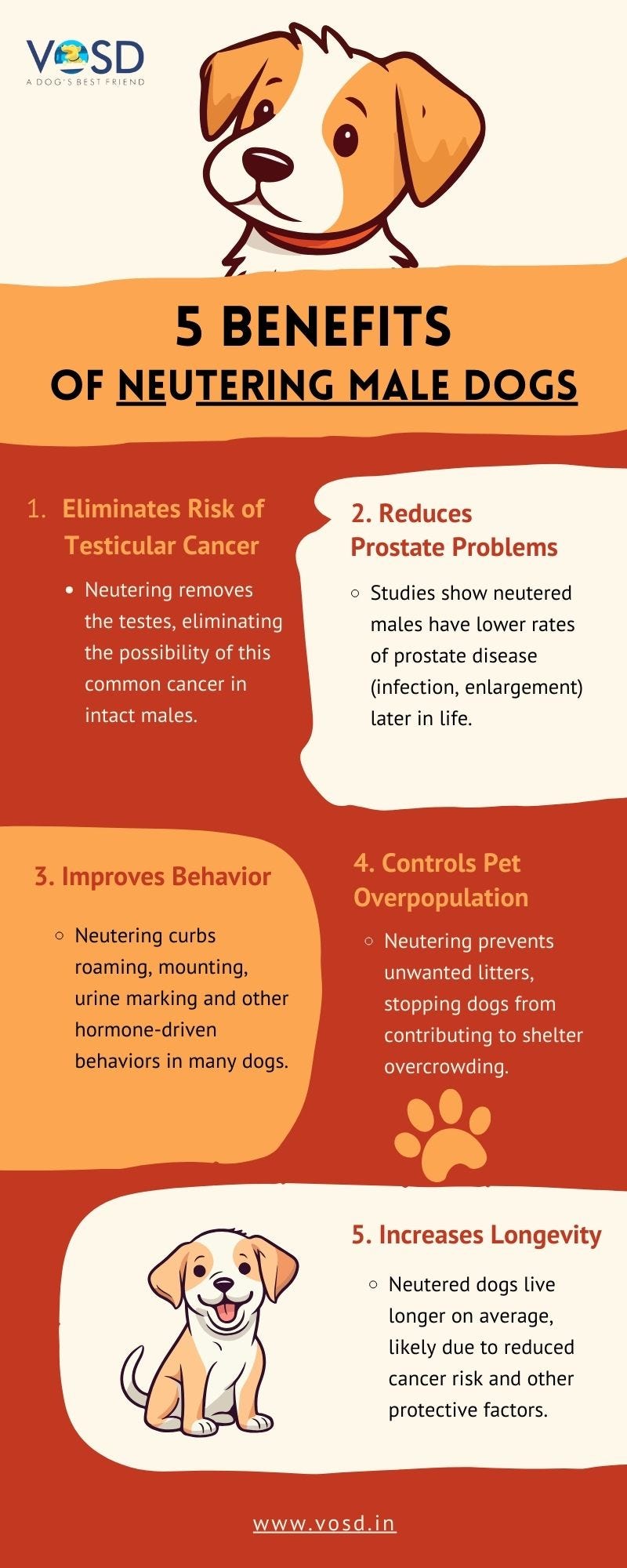
Neutering your dog greatly lowers the chance of prostate issues, such as enlargement or infections. These conditions can cause discomfort and urinary problems that affect your dog’s daily routine.
Dogs with untreated prostate problems may show difficulty urinating or pain. Fixing your dog removes the hormone that contributes to prostate growth, reducing these risks significantly.
Lower Chance Of Testicular Cancer
Testicular cancer is a serious threat to intact male dogs. Neutering completely eliminates this risk by removing the testicles before cancer can develop.
Even if your dog seems healthy now, consider that testicular cancer can develop later in life. Fixing him acts as a preventive measure, sparing you from costly treatments and emotional stress.
Prevention Of Certain Hormonal Diseases
Some hormonal diseases, like perianal adenomas, are linked to male hormones. Neutering reduces hormone levels, preventing these tumors from forming.
Lowering hormone-driven risks means fewer vet visits and less medication for your dog. This proactive step helps maintain his health and comfort as he ages.

Credit: zigly.com
Behavior Improvements
Fixing a male dog often brings noticeable behavior improvements. These changes make life easier for both dogs and owners. Many common problems reduce or disappear. The dog becomes calmer and more predictable. This helps build a stronger bond and a happier home.
Decreased Aggression And Dominance
Neutering lowers testosterone, which drives aggressive behavior. Male dogs become less likely to fight or show dominance. This reduces tension with other dogs and people. Training also becomes simpler without aggressive distractions. The dog feels less stressed and more relaxed.
Reduced Marking And Roaming
Unfixed males often mark territory by urinating inside or outside. Fixing cuts down this behavior significantly. It also reduces the urge to roam far from home. This keeps dogs safer and closer to their families. Owners worry less about lost or injured pets.
Calmer And More Social Demeanor
Neutered dogs tend to be calmer and friendlier. They show less anxiety and hyperactivity. Social interactions with other dogs improve. The dog enjoys group walks and playtime more. This leads to a more balanced and happy pet.
Long-term Wellness
Fixing a male dog plays a vital role in ensuring his long-term wellness. It impacts his health and quality of life significantly. By addressing physical and behavioral issues early, neutering helps your dog stay healthier and happier for years. The benefits go beyond just preventing unwanted puppies.
Increased Lifespan
Neutered male dogs tend to live longer than intact males. Fixing reduces risks of certain cancers, especially testicular cancer. It also lowers the chance of prostate problems. These health benefits contribute to a longer, healthier life.
Better Weight Management
Neutering affects hormones that control appetite and metabolism. Fixed dogs often have a slower metabolism but less roaming behavior. Owners can manage their dog’s diet more easily to prevent obesity. Maintaining a healthy weight reduces risks of diabetes and joint issues.
Lower Stress Levels
Neutering can reduce stress-related behaviors in male dogs. It decreases hormone-driven aggression and territorial marking. A calmer dog experiences less anxiety and tension. This improves his overall mental and emotional health.

Credit: www.reddit.com
Community And Safety Benefits
Fixing a male dog offers significant benefits beyond the health of your pet. It plays a crucial role in enhancing community safety and well-being. When you choose to neuter your dog, you directly contribute to a safer environment for both animals and people around you.
Reduced Overpopulation
Neutering helps control the dog population by preventing unwanted litters. This reduction means fewer puppies are born without homes, which can lead to overcrowded streets and parks. Have you noticed how many stray dogs roam your neighborhood? Fixing your dog helps limit this issue.
Fewer Strays And Accidents
Unneutered male dogs often roam in search of mates, increasing the risk of traffic accidents and fights with other animals. Neutered dogs tend to stay closer to home, reducing these dangers. Imagine fewer cars swerving to avoid animals or fewer emergency vet visits due to fights—your choice makes a real difference.
Positive Impact On Local Animal Shelters
Animal shelters face overwhelming numbers of dogs needing homes. By neutering your dog, you lessen the chances of contributing to this crowd. This means shelters can focus more on care and less on managing overflow, benefiting every animal waiting for a family.
Timing And Procedure
Knowing the right timing and understanding the neutering procedure can make a big difference for your male dog’s health and recovery. Choosing the best moment to fix your dog ensures the surgery goes smoothly and helps prevent future health and behavior problems. Let’s break down what you need to know about when to neuter and what to expect during and after the operation.
Best Age For Neutering
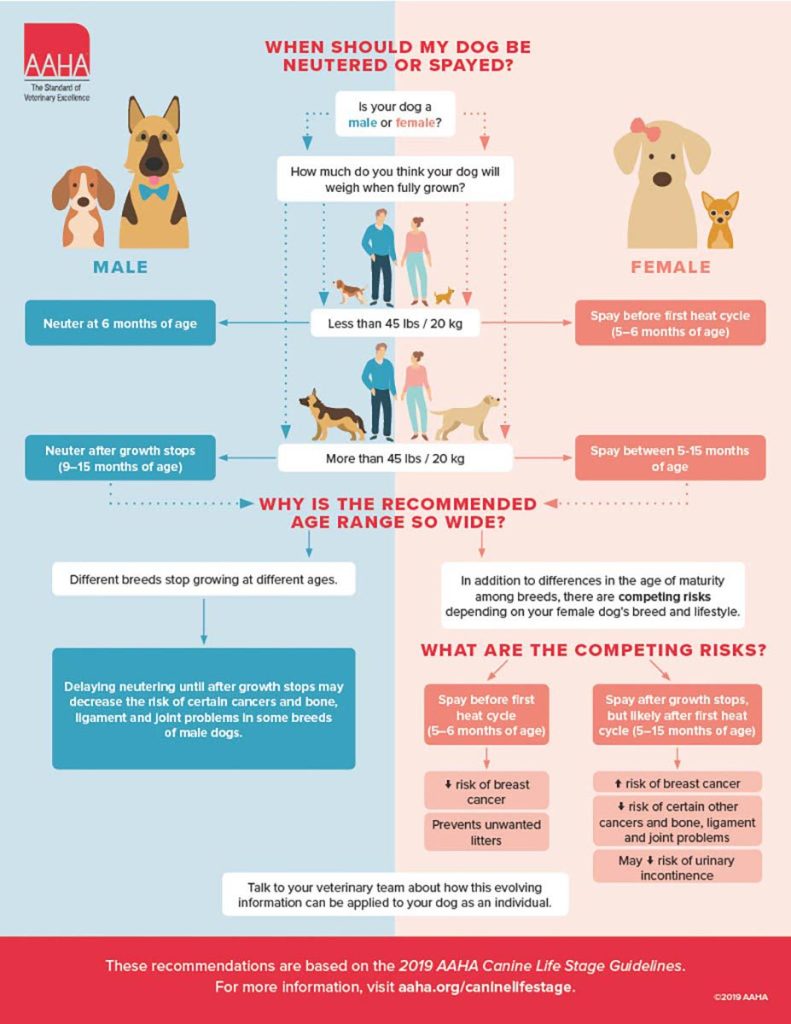
The ideal age to neuter your male dog typically falls between 6 and 12 months. This timing balances growth and maturity, reducing risks like certain cancers and unwanted behaviors.
Smaller breeds might benefit from earlier neutering, around 6 months, while larger breeds sometimes do better if neutered closer to 12 months. Have you noticed how your dog’s energy or behavior changes as he grows? This can guide your decision too.
What To Expect During Surgery
Neutering is a routine surgery where the vet removes the testicles under general anesthesia. It usually takes less than an hour, and your dog will be closely monitored throughout.
Before the procedure, your dog will need to fast for about 8-12 hours. The vet will explain all pre-surgery steps, so you know exactly what to do.
Post-operative Care Tips
- Keep your dog calm and limit physical activity for at least 7-10 days.
- Check the incision site daily for redness, swelling, or discharge.
- Use an Elizabethan collar (cone) if your dog tries to lick or chew the wound.
- Follow your vet’s instructions on pain medication and feeding schedules.
- Watch for any unusual behavior or appetite loss, and contact your vet if concerned.
Have you prepared a cozy, quiet spot for your dog to rest after surgery? Setting this up in advance can help your dog recover faster and feel more comfortable.
Credit: medium.com
Frequently Asked Questions
Why Fix A Male Dog?
Fixing a male dog prevents unwanted litters and reduces certain health risks. It can also decrease aggressive behaviors and roaming tendencies. Neutering is beneficial for controlling pet overpopulation. It’s a responsible choice for pet owners and contributes to a healthier pet community.
How Does Neutering Affect Dog Behavior?
Neutering often reduces aggressive and territorial behaviors in male dogs. It can also lessen their urge to roam. This procedure can help in making dogs calmer and more focused. However, changes in behavior may vary based on individual temperament.
Can Neutering Improve A Dog’s Health?
Yes, neutering can improve a dog’s health by reducing the risk of testicular cancer. It also decreases the likelihood of prostate problems. Neutering can contribute to a longer, healthier life for your pet. It’s a proactive step in maintaining overall well-being.
At What Age Should A Male Dog Be Fixed?
It’s recommended to fix a male dog between six and nine months. However, some vets suggest waiting until a dog reaches maturity. Consult with your vet for the best timing based on your dog’s breed and health. Early neutering can prevent certain health and behavioral issues.
Conclusion
Fixing a male dog helps keep him calm and healthy. It lowers the risk of many serious health problems. It also stops unwanted puppies, helping control pet populations. Your dog will likely behave better and feel more relaxed. This simple step can save you money on future medical bills.
Most vets recommend fixing as a safe, helpful choice. Caring for your dog means thinking about his long-term well-being. A fixed dog often lives a happier, healthier life. Consider these benefits to make the best choice for your pet.

Emily Barker is the founder of ChillDogLife.com, a space dedicated to helping pup parents discover the best dog products, lifestyle tips, and cozy ideas for happier homes.
A lifelong dog lover, Emily combines her passion for pets with a knack for research to share trusted recommendations on everything from toys and furniture to health and everyday care.
Her goal is simple: to make life easier, stylish, and more joyful for dogs and the people who love them.




