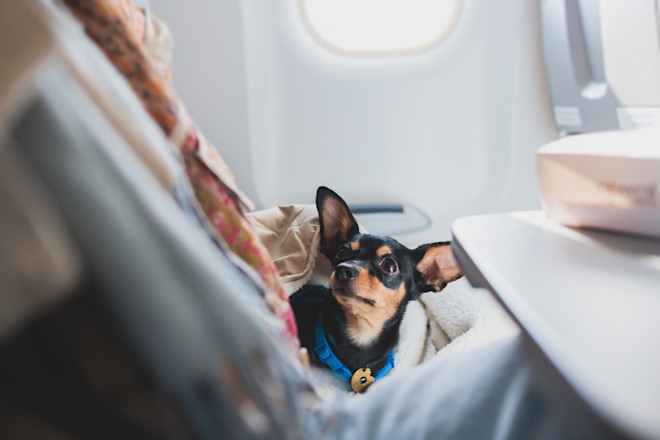
Thinking about taking your dog on a plane? You’re probably wondering how to make the trip safe and stress-free for both you and your furry friend.
Traveling with your dog can feel tricky, but it doesn’t have to be. With the right tips and a little preparation, you can turn your flight into a smooth experience. Keep reading to discover exactly what you need to know before you board, so you and your dog can enjoy the journey together.
Choosing The Right Airline
Choosing the right airline is crucial for a smooth trip with your dog. Each airline has different rules and services. Understanding these can save stress and keep your pet safe. Some airlines are more pet-friendly than others. Checking their policies helps you pick the best option for your dog’s size, breed, and comfort.
Airlines also vary in fees and how they handle pets during the flight. Knowing these details early helps you prepare better. It is important to book your dog’s spot as soon as possible. Some airlines limit the number of pets per flight.
Pet Policies And Fees
Every airline has specific pet policies. These policies explain how pets are allowed on board. Some airlines only accept small dogs in the cabin. Others allow larger dogs but in cargo. Fees can differ widely. Some airlines charge a flat fee. Others base fees on weight or destination. Always check the airline’s website for current rules and costs.
Cabin Vs Cargo Options
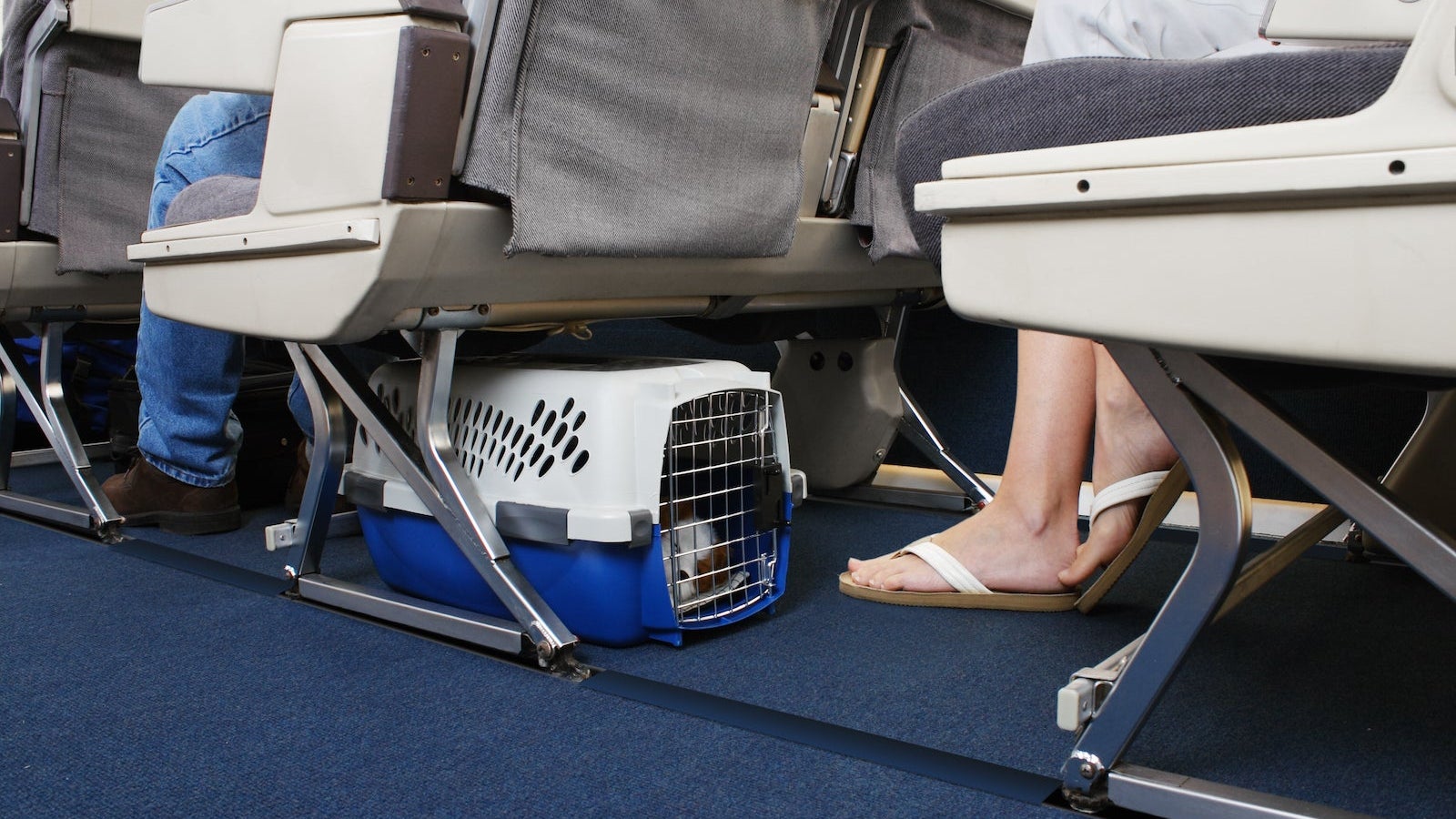
Decide if your dog will fly in the cabin or cargo. Small dogs usually travel in the cabin under the seat. This keeps them close to you. Larger dogs must fly in the cargo hold. Cargo is temperature-controlled but less visible. Choose the option based on your dog’s size and health. Confirm the airline’s size limits and crate requirements before booking.
Booking Your Dog’s Spot
Reserve your dog’s spot early. Airlines have limits on pets per flight. Call the airline directly to book your pet. Online booking may not allow pet reservations. Provide all required health documents during booking. Confirm your dog’s spot before the travel date. Early booking ensures a smooth check-in process at the airport.
Preparing Your Dog For Travel
Preparing your dog for air travel takes more than just booking a ticket. It involves careful planning to ensure your pet is comfortable, safe, and happy throughout the journey. Taking these steps will help reduce stress for both you and your furry companion.
Health Check And Vaccinations
Start with a visit to the vet to confirm your dog is fit to fly. Airlines often require a health certificate issued within 10 days of travel, so timing is key. Make sure all vaccinations are up to date, especially rabies and any region-specific shots.
Ask your vet about any medications or calming aids if your dog tends to get anxious. It’s better to know your dog’s health condition beforehand than face surprises at the airport. Have a clear record of vaccinations and health checks ready to avoid delays.
Crate Training Tips
Your dog must travel in a crate that meets airline standards. If your dog isn’t used to a crate, start training early to build positive associations. Place treats, toys, and comfortable bedding inside to encourage your dog to stay calmly.
Practice short stays in the crate at home, gradually increasing the time. This helps your dog feel safe and less stressed during the actual flight. Have you noticed how your dog reacts to confined spaces? Use that knowledge to adjust your training pace.
What To Pack For Your Dog
Packing smart can make the trip smoother for your dog. Include essentials like food, water, bowls, leash, waste bags, and favorite toys. Don’t forget a copy of your dog’s health records and any medications.
- Collapsible water bowl for easy hydration
- Absorbent pads in case of accidents
- Comfort blanket or favorite toy for reassurance
- Collar with ID tags and microchip information
Think about what comforts your dog most and add those items to your bag. Traveling with your dog doesn’t have to be stressful if you prepare well.
Day Of The Flight
The day of your flight requires careful planning for a smooth journey with your dog. Staying calm and organized helps your dog feel safe. Preparing early keeps stress low for both of you. Here are key points to focus on during the travel day.
Arrival Time And Check-in
Arrive at the airport early to avoid rushing. Airlines often suggest arriving two hours before the flight. This gives extra time for check-in and pet procedures. Have all your dog’s documents ready, like health certificates and ID tags. Use a secure, comfortable carrier that meets airline rules. Check-in counters may have special lines for travelers with pets. Stay close to your dog during this process to keep them calm.
Security Screening Process
Prepare to remove your dog from the carrier for screening. You will carry or leash your dog while the carrier goes through the X-ray machine. Follow airport staff instructions carefully. Keep your dog close and calm during this step. Avoid letting your dog interact with strangers or loud noises. After the carrier clears, place your dog back inside safely. This process is quick but can be stressful, so stay composed.
Keeping Your Dog Calm
Calm dogs have a better travel experience. Use a favorite blanket or toy inside the carrier. Speak softly to reassure your dog throughout the journey. Avoid feeding your dog a large meal before the flight. Take short bathroom breaks before check-in if possible. Gentle petting can help reduce anxiety. Practice deep breathing yourself; your calmness helps your dog relax. Avoid loud noises and sudden movements near your dog.
Credit: thepointsguy.com
During The Flight
Flying with your dog can be a smooth experience if you prepare well for what happens during the flight. This part of the journey is critical because your pet will be in a new, confined space for several hours. Keeping your dog calm and comfortable helps both of you enjoy the trip more.
In-cabin Travel Tips
Make sure your dog’s carrier fits under the seat as required by the airline. Bring familiar items like a favorite blanket or toy to provide comfort. Keep your dog inside the carrier for the entire flight to avoid stress or disturbance to other passengers.
Offer a small amount of water before boarding but avoid feeding a large meal right before flying. This reduces the chance of nausea. If your dog is small, consider using a calming spray or a vet-approved supplement to help with anxiety.
Handling Long Flights
Long flights can be tough on your dog, so plan breaks wisely. Use layovers to take your dog out for a short walk if the airport allows. Stretching helps reduce stiffness and gives your dog a chance to relieve itself.
Keep an eye on your dog’s behavior throughout the flight. Signs of discomfort include excessive panting, whining, or restlessness. If you notice these, try soothing your dog with gentle words or a calm touch through the carrier mesh.
Dealing With Emergencies
Prepare for emergencies by carrying your vet’s contact info and a small pet first aid kit. Know where the nearest animal hospital is at your destination. If your dog shows signs of distress, such as difficulty breathing or severe agitation, alert the flight attendants immediately.
Have a plan for quick access to water and any medications your dog may need. Staying calm yourself helps your dog feel safer, even in stressful moments. What steps would you take if your dog suddenly became ill mid-flight?
After Landing
After landing, the journey with your dog continues. This part of the trip needs calm and clear actions. Your dog may feel tired or confused. Careful handling helps them adjust and feel safe quickly.
Navigating Arrival Procedures
Follow airport signs to the baggage claim or pet pickup area. Have your documents ready for inspection. Some airports require pet passports or health certificates. Wait patiently for your pet in the designated area. Keep your dog leashed or in a secure carrier. Watch for any special instructions from airport staff.
Reuniting And Comforting Your Dog
Greet your dog calmly and softly. Use a gentle voice to soothe them. Offer water to help with dehydration. Avoid loud noises or sudden movements. Give your dog a moment to relax in your arms or on a leash. Bring a familiar blanket or toy to ease anxiety.
Post-flight Care
Check your dog for signs of stress or injury. Look for excessive panting, shaking, or limping. Provide a quiet space for rest. Feed your dog a light meal after some time. Take your pet for a short walk to stretch legs. Monitor their behavior closely for the next 24 hours.

Credit: wamiz.co.uk
International Travel Considerations
Traveling internationally with your dog requires careful planning. Different countries have unique rules for pets arriving by plane. Understanding these rules helps avoid problems at the airport or border. Prepare ahead to ensure a smooth trip for both you and your dog.
Pet Import Regulations
Each country sets its own import regulations for pets. These rules control which animals can enter and under what conditions. Some countries ban certain breeds or require vaccinations. Check the destination country’s official government website for specific details.
Rules may include:
- Mandatory vaccinations
- Microchip identification
- Health checks before travel
- Restrictions on pet types or breeds
Quarantine Rules
Many countries require pets to stay in quarantine after arrival. The quarantine period varies from a few days to several weeks. This process ensures pets do not carry diseases into the country. Know the quarantine length and location before booking your flight.
Some places offer reduced or no quarantine if specific health conditions are met. Planning ahead can help avoid long stays in quarantine.
Required Documentation
Proper paperwork is essential for international pet travel. Airlines and customs officials ask for these documents at the airport. Missing or incorrect papers can delay or stop your travel plans.
Common documents include:
- Pet passport or health certificate
- Vaccination records
- Microchip details
- Import permits from the destination country
Keep all documents handy and check their validity before your trip.

Credit: dogtrotting.net
Frequently Asked Questions
What Documents Do I Need To Fly With My Dog?
To fly with your dog, you’ll need vaccination records, a health certificate, and sometimes an airline-specific pet form. Check the airline's pet travel policy for specific requirements. It’s essential to have up-to-date documentation to ensure a smooth journey.
Can My Dog Sit With Me On The Plane?
Most airlines allow small dogs in the cabin, usually under the seat. Larger dogs typically travel in cargo. Always confirm your airline’s specific pet policy and any size or breed restrictions. Advance booking for your pet is recommended.
How Much Does It Cost To Fly With A Dog?
Flying with a dog can cost between $75 and $200, depending on the airline. Fees vary for cabin and cargo travel. Check with your airline for exact pricing. Additional costs may include a pet carrier and required documentation.
What Type Of Carrier Is Needed For My Dog?
Your dog’s carrier should be well-ventilated, secure, and comfortable. It must fit under the seat for in-cabin travel. Check the airline’s size guidelines for pet carriers. A soft-sided carrier is often preferred for flexibility and comfort.
Conclusion
Traveling with your dog on a plane takes some planning. Check airline rules before booking your flight. Pack your dog’s favorite items for comfort. Keep your dog calm and safe during travel. Arrive early to handle all pet procedures smoothly.
A little preparation makes the journey easier for both. Enjoy your trip with your furry friend by your side. Safe travels and happy adventures await you both!

Emily Barker is the founder of ChillDogLife.com, a space dedicated to helping pup parents discover the best dog products, lifestyle tips, and cozy ideas for happier homes.
A lifelong dog lover, Emily combines her passion for pets with a knack for research to share trusted recommendations on everything from toys and furniture to health and everyday care.
Her goal is simple: to make life easier, stylish, and more joyful for dogs and the people who love them.




