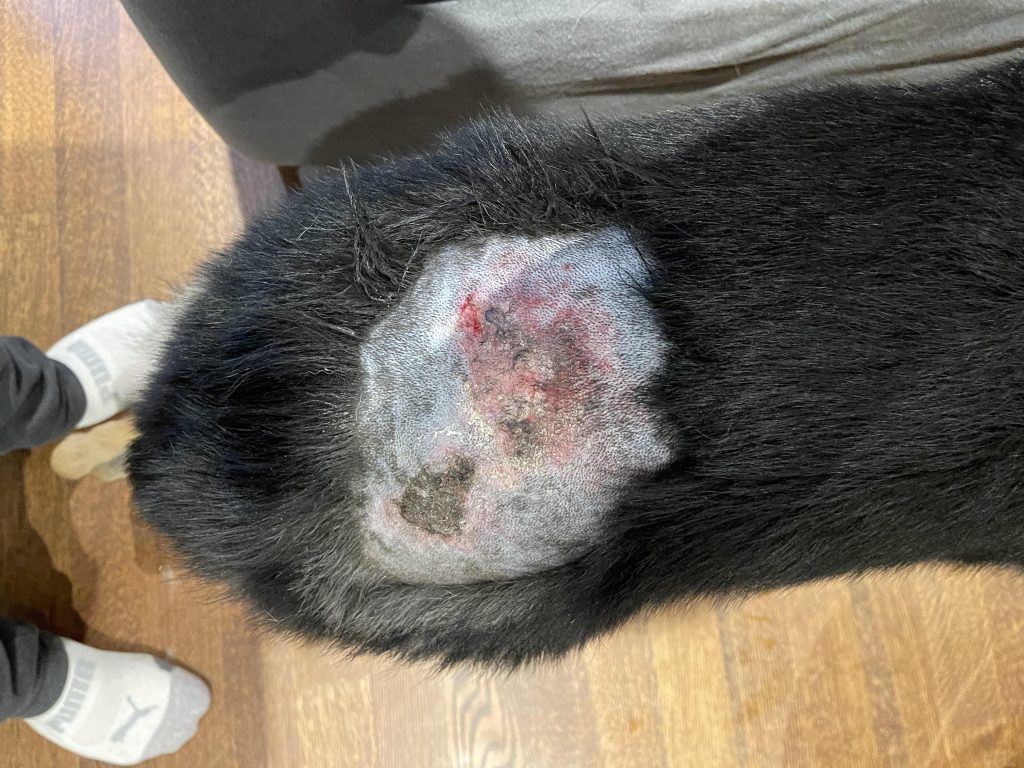
Have you noticed your dog constantly chewing his fur off? It can be worrying and confusing to see your furry friend hurting himself like this.
You might be asking, “Why is my dog chewing his fur off? ” Understanding the reasons behind this behavior is the first step to helping your pet feel better. You’ll discover the common causes and easy ways to stop this problem before it gets worse.
Keep reading—you owe it to your dog to find out what’s really going on.
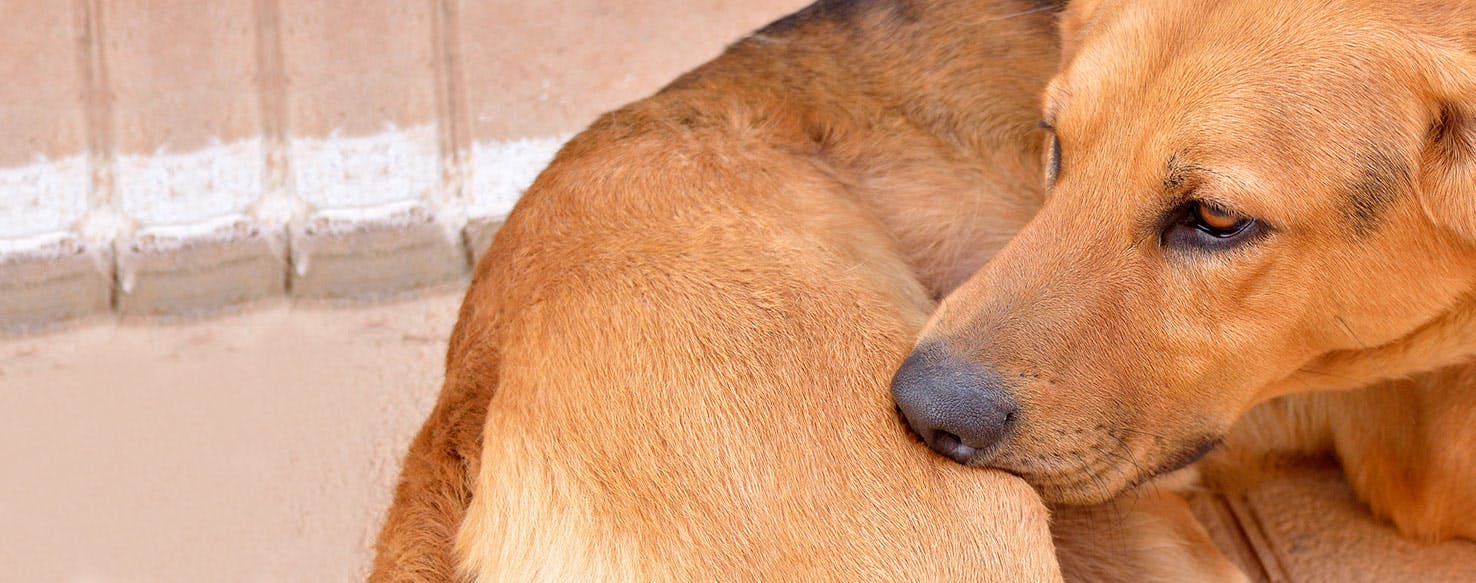
Credit: wagwalking.com
Common Causes Of Fur Chewing
Noticing your dog chewing his fur off can be worrying. Understanding the common causes helps you tackle the problem early. It’s important to identify what’s triggering this behavior so you can offer relief and prevent further damage.
Allergies And Skin Irritations
Allergies are a frequent culprit behind fur chewing. Dogs might react to food ingredients, pollen, or household cleaners. These irritants cause itching, pushing your dog to chew or lick the affected area relentlessly.
Have you checked if your dog’s environment has changed recently? Sometimes, new shampoos or detergents can be the hidden cause of skin irritation. A vet visit can confirm allergies and suggest suitable treatments.
Parasites And Infections
Parasites like fleas or mites cause intense itching that drives dogs to chew their fur off. Even a small flea infestation can lead to significant discomfort and skin damage. Bacterial or fungal infections can also worsen the problem.
Regular parasite control is vital. If you notice bald patches or scabs, it’s worth having your dog examined for infections. Quick treatment prevents these issues from becoming chronic.
Anxiety And Stress Factors
Dogs feel stress just like humans. Changes in routine, loud noises, or separation anxiety can lead to compulsive chewing. This behavior often becomes a coping mechanism to relieve tension.
Think about recent changes in your dog’s life. Did you move, add a new pet, or start a new job? Addressing anxiety with calming techniques or professional help can reduce fur chewing significantly.
Boredom And Lack Of Exercise
A bored dog has excess energy and little stimulation. Chewing fur might become a self-soothing activity to fill the void. Lack of physical and mental exercise is a common cause often overlooked by owners.
Are you providing enough playtime and walks? Increasing daily activity and interactive toys can keep your dog’s mind and body busy. This simple change often stops destructive chewing habits.
Underlying Medical Conditions
Sometimes, fur chewing signals a deeper health issue. Hormonal imbalances, arthritis, or neurological problems might cause discomfort that leads to chewing. These conditions require professional diagnosis and treatment.
Don’t ignore persistent or worsening chewing. A thorough vet checkup can uncover hidden illnesses that impact your dog’s quality of life. Early intervention improves outcomes and helps your dog feel better fast.
Credit: pethero.co.za
Signs To Watch For
Noticing your dog chewing his fur off can be alarming. To understand what’s going on, you need to watch for specific signs. These signs will help you figure out if the problem is minor or something that needs immediate attention.
Changes In Behavior
Has your usually calm dog suddenly become restless or anxious? You might see pacing, whining, or frequent scratching. These behavior changes often signal discomfort or stress that triggers fur chewing.
Think about when you last noticed your dog acting differently. Are these new behaviors linked to recent changes in their environment or routine?
Skin Redness And Inflammation
Check your dog’s skin closely. Red, swollen, or irritated areas often show where the chewing is most intense. This inflammation can be a sign of allergies, infections, or parasites causing discomfort.
Don’t wait for the redness to worsen. Early detection can prevent infections from developing.
Hair Loss Patterns
Look carefully at where your dog is losing fur. Is it in patches or all over? Patchy hair loss often points to localized irritation or allergies, while widespread loss might indicate a more serious issue.
Notice if the hair loss matches the areas your dog chews the most. This connection can guide your next steps in treatment.
Other Physical Symptoms
Besides chewing and hair loss, watch for other signs like scabs, sores, or a foul odor. These symptoms can mean your dog’s skin is infected or healing poorly.
Also, consider if your dog is licking paws excessively or shaking his head often. These behaviors could hint at underlying problems like allergies or ear infections.
Quick Solutions At Home
Noticing your dog chewing his fur off can be worrying. Fortunately, you can try a few quick solutions at home to help ease his discomfort and stop this behavior. These simple changes often make a big difference, and you might be surprised how small adjustments can improve your dog’s well-being.
Improving Diet And Nutrition
Your dog’s diet plays a crucial role in skin and coat health. Lack of essential fatty acids, vitamins, or minerals might cause itching or irritation that leads to fur chewing.
Try adding omega-3 supplements or feeding high-quality dog food rich in nutrients. You could also include fresh pumpkin or sweet potatoes, which support digestion and skin health. Have you noticed if your dog’s fur condition worsens after eating certain foods?
Using Soothing Topical Treatments
Applying gentle, calming ointments can relieve itching and inflammation on your dog’s skin. Look for products with natural ingredients like aloe vera, oatmeal, or chamomile.
These can soothe irritated spots and reduce the urge to chew. Always test a small area first to ensure your dog doesn’t react negatively. Sometimes, a cool compress can also provide immediate relief and distract your dog from chewing.
Increasing Physical Activity
Chewing fur can be a sign of boredom or excess energy. Regular exercise helps your dog release stress and focus on more positive behaviors.
Try daily walks, playtime with toys, or learning new tricks together. Have you tried varying your dog’s routine to see if it reduces fur chewing? Even short bursts of activity can shift their attention away from destructive habits.
Creating A Calm Environment
Stress and anxiety often trigger fur chewing. Creating a peaceful space can help your dog feel more secure and relaxed.
- Provide a quiet, cozy spot with familiar blankets or toys.
- Use calming pheromone diffusers or soft music to reduce tension.
- Maintain a consistent daily schedule to avoid surprises that unsettle your dog.
What small changes can you make today to lower your dog’s stress levels? Often, a calmer environment is the key to stopping this unwanted behavior.
When To See The Vet
Knowing when to see the vet is vital if your dog chews his fur off. Early help can prevent pain and serious problems. Some signs need prompt attention to keep your dog healthy and comfortable.
Persistent Or Worsening Symptoms
Seek veterinary advice if fur chewing lasts more than a few days. Watch for skin redness, swelling, or open sores. If symptoms grow worse or spread, a vet visit is necessary. Do not wait until the problem becomes severe.
Suspected Allergies Or Infections
Allergies can cause intense itching and hair loss. Infection may cause pus, bad smell, or scabs. If you see these signs, your dog needs medical care. The vet can identify allergies or infections and start treatment fast.
Behavioral Concerns
Sometimes, fur chewing relates to anxiety or stress. Sudden changes in behavior or routine might trigger this. If your dog seems anxious or restless, a vet can help. They can suggest ways to reduce stress and improve behavior.
Medical Testing And Diagnosis
The vet may perform skin scrapings, allergy tests, or blood work. These tests find the root cause of fur chewing. Proper diagnosis ensures the right treatment plan. Do not delay tests if the problem persists.
Preventive Measures
Preventing your dog from chewing fur off starts with simple daily care and attention. Early actions can reduce stress and skin problems that cause this behavior. Consistent habits protect your dog’s skin and overall health.
Regular Grooming And Skin Care
Brush your dog’s coat often to remove dirt and loose hair. Bathing with gentle shampoo keeps skin clean and less itchy. Check for dry or red patches that may need special care. Healthy skin lowers the urge to chew or scratch.
Parasite Control Plans
Fleas, ticks, and mites cause severe itching and discomfort. Use vet-recommended flea and tick preventatives regularly. Inspect your dog’s fur and skin for signs of parasites. Early parasite control stops fur chewing caused by bites and irritation.
Mental Stimulation And Training
Boredom and anxiety can lead to fur chewing. Provide toys and puzzles to keep your dog’s mind active. Teach simple commands to build focus and reduce stress. A busy dog is less likely to chew its fur.
Routine Vet Checkups
Regular vet visits catch skin and health issues early. Discuss any fur chewing or itching with your vet. They can recommend treatments for allergies or infections. Preventing problems early helps stop fur chewing before it worsens.
Credit: search.raya.com
Frequently Asked Questions
Why Is My Dog Chewing His Fur Off?
Your dog might chew his fur due to allergies, stress, or parasites. Allergies can be environmental, food-related, or due to grooming products. Stress or anxiety can also cause compulsive behaviors like chewing. Parasites, such as fleas or mites, may lead to excessive itching.
Consult a vet for a precise diagnosis and treatment.
Is It Normal For Dogs To Chew Fur?
It’s not normal for dogs to chew their fur excessively. Occasional grooming is normal, but frequent chewing can indicate underlying issues. It may be due to allergies, skin infections, or behavioral problems. Identifying and addressing the root cause with a veterinarian’s help is crucial for your dog’s well-being.
How Can I Stop My Dog From Chewing?
To stop your dog from chewing, identify the underlying cause. Consult a vet for a diagnosis and treatment plan. Provide mental stimulation, regular exercise, and a balanced diet. Use calming products if stress is a factor. Regular grooming and anti-parasitic treatments can also help prevent fur chewing.
Can Diet Affect My Dog’s Fur Chewing?
Yes, diet can affect your dog’s fur chewing behavior. Nutritional deficiencies or food allergies might lead to skin irritation and itching. Feeding a balanced diet with essential nutrients can promote healthy skin and coat. Consult your vet for dietary recommendations tailored to your dog’s specific needs and conditions.
Conclusion
Dogs chew their fur for many reasons, like stress or allergies. Watch your pet closely to spot signs early. Treating the cause can help stop fur chewing. Talk to your vet for the best advice. Keeping your dog happy and healthy matters most.
Small changes can make a big difference. Don’t ignore this behavior—it shows your dog needs help. Caring for your dog’s skin and mind improves their life.

Emily Barker is the founder of ChillDogLife.com, a space dedicated to helping pup parents discover the best dog products, lifestyle tips, and cozy ideas for happier homes.
A lifelong dog lover, Emily combines her passion for pets with a knack for research to share trusted recommendations on everything from toys and furniture to health and everyday care.
Her goal is simple: to make life easier, stylish, and more joyful for dogs and the people who love them.




