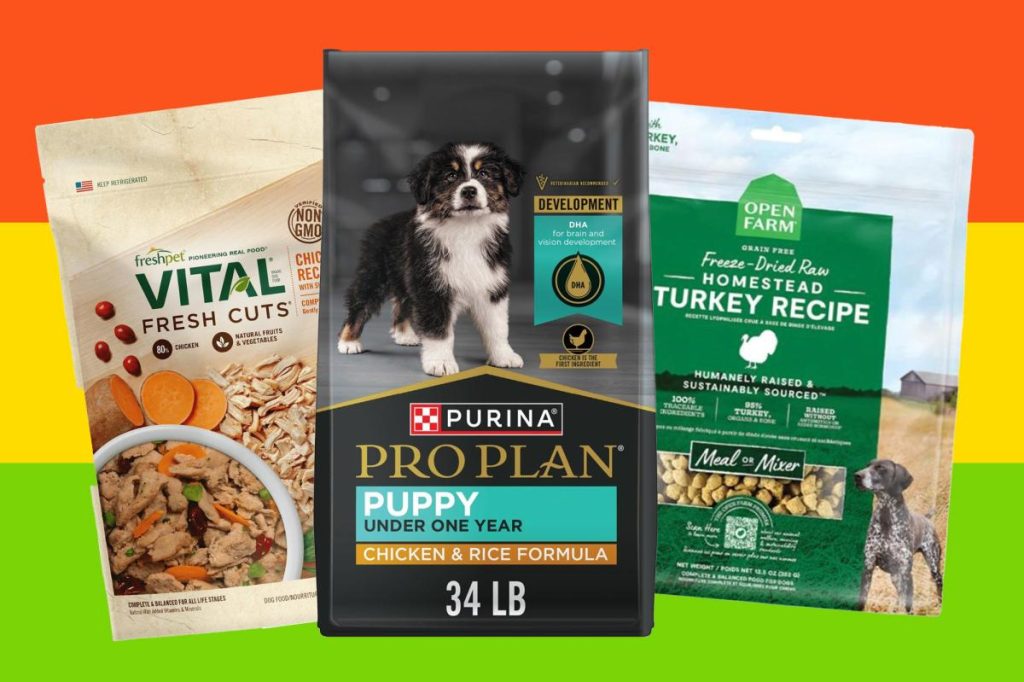
Are you wondering if premium dog food is truly worth the extra cost? You want the best for your furry friend, but with so many options out there, it’s hard to know what really makes a difference.
Is premium dog food just a marketing trick, or does it offer real benefits for your pet’s health and happiness? Keep reading, and you’ll discover the surprising facts that can help you make the smartest choice for your dog’s diet—and your peace of mind.
What Makes Dog Food Premium
Understanding what makes dog food premium helps you decide if it’s worth the extra cost. Premium dog food isn’t just a marketing term—it reflects specific qualities that can impact your pet’s health and happiness. Let’s break down the key factors that set premium options apart from standard brands.
Ingredients That Matter
The quality of ingredients is the foundation of premium dog food. Look for whole meats like chicken, beef, or fish listed as the first ingredient rather than by-products or fillers.
Grains such as brown rice or oats are generally better than corn or wheat, which can cause allergies in some dogs. Also, premium foods often include added vitamins, minerals, and antioxidants to support your dog’s immune system and overall well-being.
Have you checked the ingredient list on your dog’s current food? It might surprise you what’s missing or what’s actually included.
Manufacturing Standards
Premium dog food brands usually follow stricter manufacturing processes. This ensures consistency and safety, reducing the risk of contamination and nutrient loss.
Many premium producers test their products regularly and comply with higher industry standards. These practices often mean fewer recalls and better quality control.
Would you feel more confident feeding your dog food made under these careful conditions?
Nutritional Profiles
Premium dog foods are designed to meet specific nutritional needs based on your dog’s age, breed, and activity level. They offer balanced amounts of protein, fats, carbohydrates, and essential nutrients.
Unlike generic brands, premium formulas avoid unnecessary additives and fillers, focusing instead on meaningful nutrients that promote healthy skin, coat, and digestion.
Think about your dog’s unique needs—does their current food support those needs or just fill their bowl?
Benefits Of Premium Dog Food
Choosing premium dog food can bring noticeable benefits to your pet’s overall well-being. Many dog owners notice real differences in their dogs’ energy levels, digestion, and appearance after making the switch. But what exactly makes premium dog food stand out? Let’s break down the key advantages you might see.
Improved Health And Vitality
Premium dog food often contains higher-quality ingredients with balanced nutrients that support your dog’s immune system and energy. After switching, many owners report their dogs feeling more active and playful, even as they age.
Think about your dog’s last vet visit—did they mention anything about weight or energy? Feeding premium food can help maintain a healthy weight and reduce the risk of chronic diseases by providing essential vitamins and minerals in the right amounts.
Better Digestion And Absorption
One common issue with lower-quality dog foods is fillers and artificial additives that can upset digestion. Premium options typically use natural ingredients that are easier for your dog to digest and absorb, leading to fewer stomach upsets.
You may notice firmer, more regular stools and less gas when feeding premium food. This improvement means your dog is getting more nutrition from each meal, which directly supports their health and vitality.
Enhanced Coat And Skin Quality
Have you ever stroked your dog’s coat and wished it was shinier or softer? Premium dog food often includes omega fatty acids and antioxidants that nourish the skin and promote a healthy, glossy coat.
Dogs on premium diets tend to shed less and have fewer skin irritations. If your dog scratches often or has dry patches, upgrading their food could make a visible difference in their comfort and appearance.
Common Misconceptions
Many pet owners believe premium dog food is always better. This idea is common but not always true. Understanding the myths helps make better choices for your dog. Some think expensive dog food means higher quality. Others trust ads more than labels. Let’s clear up these common misconceptions.
Price Doesn’t Always Equal Quality
High price does not guarantee better nutrition. Some costly brands charge more for packaging or branding. The ingredients might not be much different from cheaper options. Dogs need balanced nutrients, not fancy labels. Always check the ingredient list and nutrition facts carefully.
Some affordable dog foods offer complete, healthy meals. Price can reflect marketing costs, not food quality. Focus on your dog’s needs and health, not just price tags.
Marketing Vs. Actual Nutrition
Advertising often highlights benefits that sound impressive. Words like “natural,” “premium,” or “gourmet” may not mean better nutrition. Labels can be confusing or misleading. Brands use clever terms to attract buyers.
Look for real information on protein sources, vitamins, and minerals. Reliable dog food has clear ingredient lists and meets nutritional standards. Don’t trust marketing claims alone. Research and read reviews from trusted sources.

Credit: furchildpets.com
How To Choose The Right Dog Food
Choosing the right dog food can feel overwhelming, especially with so many options claiming to be the best. But making the right choice for your dog’s diet is crucial for their health and happiness. Understanding key factors can help you make an informed decision without second-guessing.
Reading The Label
Labels hold vital information about what’s really in the food. Look for named protein sources like “chicken” or “beef” rather than vague terms like “meat meal.”
Check the guaranteed analysis section to understand the protein, fat, fiber, and moisture content. This helps you compare different brands fairly.
Also, watch out for unnecessary fillers such as corn or soy, which add little nutrition. Ingredients are listed by weight, so the first few ingredients matter most.
Considering Your Dog’s Needs
Your dog’s age, breed, size, and activity level all affect their dietary needs. Puppies require more protein and fat for growth, while seniors need diets that support joint health.
If your dog has allergies or sensitivities, you may need to avoid certain ingredients. Weight management is another factor; active dogs burn more calories, so they need nutrient-dense food.
Have you noticed your dog’s coat becoming dull or their energy dropping? Sometimes, a food change tailored to their unique needs can make a big difference.
Consulting With Veterinarians
Veterinarians can offer personalized advice based on your dog’s health history. They can recommend foods that suit specific medical conditions like kidney disease or diabetes.
Don’t hesitate to ask your vet about premium brands they trust or any supplements your dog might benefit from. This professional insight can save you time and prevent costly diet mistakes.
Would your vet support a switch to premium dog food? Getting their perspective can clarify whether it’s worth the investment for your dog’s well-being.
When Premium Food Might Not Be Necessary
Not every dog needs premium dog food to thrive. Understanding when premium options might be unnecessary can save you money and prevent overcomplicating your dog’s diet. Let’s look at scenarios where standard dog food can be just as effective.
Budget Constraints
Your wallet matters. Premium dog food often comes with a higher price tag, which may not fit every budget. If you have multiple dogs or limited resources, feeding them affordable, well-balanced food can still keep them healthy.
Choosing a reliable, mid-range brand that meets AAFCO standards can provide the nutrients your dog needs without breaking the bank. Have you ever felt pressured to buy the most expensive option just because it’s marketed as “best”? Sometimes, sticking to a sensible budget is smarter and equally responsible.
Dogs With No Special Dietary Needs
Is your dog healthy with no allergies, sensitivities, or medical conditions? Many dogs do well on regular dog food that offers balanced nutrition. Premium formulas often target specific issues like weight management or digestion, which might not apply to your pet.
Think about your dog’s energy levels, coat condition, and overall health. If they look vibrant and energetic on standard food, switching to premium might not add much benefit. Why pay extra if your dog’s current diet keeps them happy and well?
Credit: sites.tufts.edu
Alternatives To Premium Dog Food
Not everyone finds premium dog food to be the perfect fit for their pet’s needs or budget. Luckily, there are several alternatives that can still provide good nutrition without the premium price tag. Understanding these options can help you make a smart choice that benefits your dog’s health and your wallet.
Homemade Diets
Preparing your dog’s meals at home gives you full control over the ingredients. You can choose fresh meats, vegetables, and grains that suit your dog’s taste and dietary requirements.
Many pet owners find that homemade diets improve their dog’s digestion and energy levels. Have you ever noticed your dog’s reaction after a fresh, home-cooked meal? It can be quite telling.
However, balance is key. You need to ensure your dog gets all the necessary nutrients, including protein, fats, vitamins, and minerals.
Consulting with a vet or pet nutritionist is smart before switching to a homemade diet. They can guide you on portion sizes and supplements to avoid deficiencies.
Balanced Mid-range Options
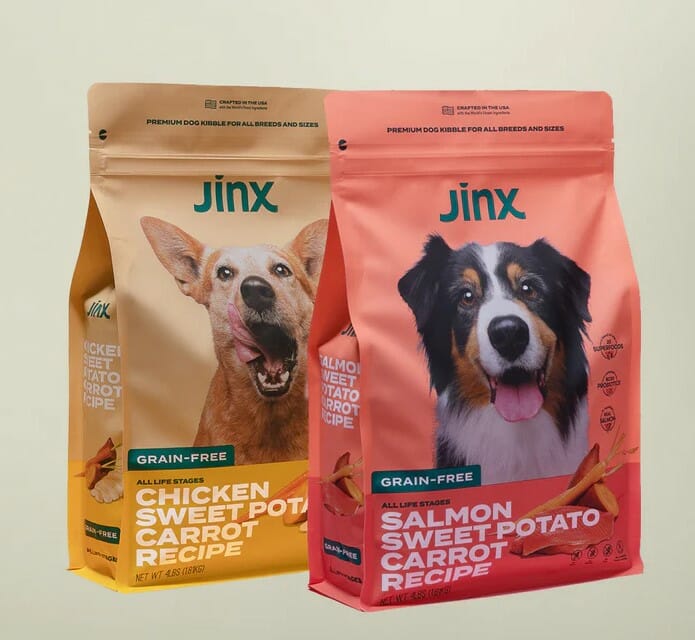
Mid-range dog foods often strike a good balance between quality and cost. They usually contain recognizable ingredients and fewer fillers than budget brands.
These options can provide adequate nutrition without the high price tag of premium foods. Brands often include added vitamins and minerals to meet your dog’s daily needs.
Look for formulas that list whole meats or meat meals as the first ingredient. Avoid foods with excessive artificial preservatives, colors, or by-products.
Have you checked the ingredient list on your current dog food lately? Sometimes, switching to a mid-range brand can improve your dog’s coat, energy, or digestion without breaking the bank.
Credit: citizenshipper.com
Frequently Asked Questions
What Makes Premium Dog Food Better?
Premium dog food often contains higher-quality ingredients, providing better nutrition. It usually includes more real meat, fewer fillers, and essential vitamins and minerals. This can lead to improved health, energy, and coat condition for your dog. Always check labels to ensure it meets your pet’s specific dietary needs.
Is Premium Dog Food Worth The Cost?
Premium dog food can be worth the extra cost due to its superior ingredients and nutritional benefits. It often leads to better health outcomes, potentially reducing vet visits. Investing in quality food now can save you money on health issues later.
Assess your dog’s needs to make an informed decision.
Does Premium Dog Food Improve Health?
Yes, premium dog food can improve your dog’s health. It typically includes higher-quality ingredients and essential nutrients. These contribute to better digestion, energy levels, and coat condition. However, always consult with your vet to ensure it meets your dog’s specific dietary requirements.
Are All Premium Dog Foods Grain-free?
Not all premium dog foods are grain-free. Many offer grain-free options, but some include whole grains for nutrition. It’s important to read labels and choose what’s best for your dog’s dietary needs. Consult your vet to determine if a grain-free diet is suitable for your pet.
Conclusion
Choosing premium dog food can offer better nutrition for your pet. It often contains higher quality ingredients and fewer fillers. Dogs may feel more energetic and healthy with better food. Yet, premium options usually cost more and may not fit every budget.
Always check the label and consider your dog’s needs. A balanced diet matters most for your dog’s health. Good food supports a happy and active life. Think about what suits your dog best before deciding. Quality dog food can make a real difference.

Emily Barker is the founder of ChillDogLife.com, a space dedicated to helping pup parents discover the best dog products, lifestyle tips, and cozy ideas for happier homes.
A lifelong dog lover, Emily combines her passion for pets with a knack for research to share trusted recommendations on everything from toys and furniture to health and everyday care.
Her goal is simple: to make life easier, stylish, and more joyful for dogs and the people who love them.




