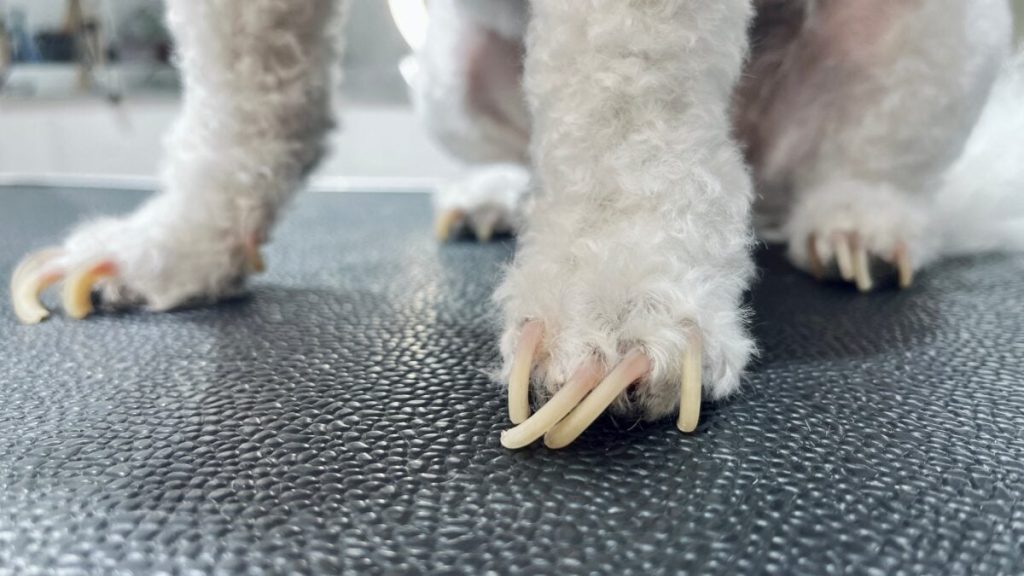
Have you ever caught your dog chewing on his nails and wondered why he does it? It’s a common behavior that can leave you puzzled and concerned.
Your furry friend isn’t just playing around—there could be deeper reasons behind this habit. Understanding why your dog chews his nails can help you keep him healthy and happy. Keep reading to discover the surprising causes and what you can do to help your loyal companion feel better.
Common Reasons For Nail Chewing
Dogs chew their nails for various reasons. Understanding these causes helps in caring for your dog better. Nail chewing can signal discomfort or emotional issues. Observing your dog's behavior closely reveals the root cause. Here are common reasons why dogs chew their nails.
Allergies And Skin Irritations
Allergies often cause itching and discomfort in dogs. Food, pollen, or dust can trigger allergic reactions. Skin irritations make dogs chew to relieve the itch. Chewing nails may lead to redness or swelling. Identifying allergens can reduce nail chewing behavior.
Anxiety And Stress
Anxiety makes dogs feel uneasy and restless. Nail chewing acts as a calming habit during stress. Changes in environment or loud noises can cause anxiety. Separation from owners may also trigger nail chewing. Managing stress helps reduce this behavior.
Boredom And Lack Of Exercise
Bored dogs use nail chewing to pass time. Lack of physical activity leads to restless energy. Chewing nails becomes a way to self-entertain. Regular walks and playtime reduce boredom. Mental stimulation keeps dogs engaged and calm.
Infections And Injuries
Infections cause pain and discomfort in the nails. Injuries to paws or nails trigger chewing to ease pain. Chewing can worsen infections or delay healing. Checking paws regularly helps spot injuries early. Veterinary care is needed for infections or wounds.
Credit: doghealthtalk.com
Health Risks Of Nail Chewing
Nail chewing in dogs might seem like a harmless habit, but it carries serious health risks you shouldn’t ignore. Understanding these risks can help you take better care of your furry friend and prevent future problems. Let’s look closer at the dangers nail chewing poses to your dog’s well-being.
Nail Damage And Pain
Chewing on nails can cause significant damage to your dog’s claws. Over time, nails can become uneven, cracked, or split, making walking uncomfortable or even painful. Your dog might limp or avoid certain activities because of the pain caused by damaged nails.
Have you noticed your dog limping after nail chewing? This is a clear sign that nail damage has started to affect their mobility.
Risk Of Infection
Broken or damaged nails create an entry point for bacteria and dirt. This can lead to infections around the nail bed or paw. Infections are not only painful but may require veterinary treatment and antibiotics to heal properly.
Left untreated, infections can spread and cause more serious health issues for your dog. Regularly check your dog’s paws for redness, swelling, or discharge to catch infections early.
Impact On Behavior
Chronic nail chewing may reflect stress or anxiety in your dog. This behavior can worsen over time, leading to obsessive chewing and other anxiety-driven habits. Your dog’s quality of life might decline as their stress levels rise.
Do you see your dog chewing more when left alone or during loud noises? This behavior signals emotional distress that needs attention. Addressing the root cause can help reduce nail chewing and improve your dog’s happiness.
How To Identify The Cause
Understanding why your dog chews his nails starts with finding the root cause. This behavior can signal different issues. Identifying the reason helps provide the right care and relief for your pet.
Observing Behavior Patterns
Watch when and how often your dog chews his nails. Note if it happens after walks, playtime, or rest. Look for signs of stress or boredom. Changes in behavior might point to anxiety or habit. Consistent chewing may indicate discomfort or irritation.
Checking For Physical Signs
Examine your dog’s paws closely. Look for redness, swelling, or cuts around the nails. Check for dirt, debris, or signs of infection. Notice if your dog licks or bites other parts of the paw. Physical problems often cause nail chewing to ease pain or itchiness.
Consulting A Veterinarian
Take your dog to a vet for a thorough checkup. The vet can spot allergies, infections, or parasites. They may suggest tests to rule out medical conditions. Professional advice ensures your dog gets proper treatment. Early intervention can prevent worsening problems.
Effective Solutions To Stop Nail Chewing
Stopping your dog from chewing his nails takes patience and a thoughtful approach. Nail chewing can be a sign of discomfort, boredom, or anxiety. By addressing these root causes, you can help your dog break this habit and keep his paws healthy.
Improving Diet And Nutrition
Your dog’s diet plays a crucial role in his overall health, including nail condition. Nutrient deficiencies can make nails brittle and itchy, prompting chewing. Adding omega-3 fatty acids and biotin-rich foods can strengthen nails and reduce irritation.
Have you checked if your dog’s current food meets his nutritional needs? Sometimes a simple switch to a high-quality, balanced diet can make a big difference.
Providing Mental And Physical Stimulation
Dogs often chew their nails out of boredom or anxiety. Increasing playtime and introducing new toys can help distract your dog and reduce stress. Puzzle feeders and interactive games keep your dog’s mind busy and less focused on nail chewing.
Think about how much time your dog spends alone or inactive. Could extra walks or training sessions fill that gap and keep his attention away from his paws?
Using Protective Measures
When nail chewing becomes persistent, protective tools can help break the cycle. Applying bitter-tasting sprays designed for dogs discourages chewing. You can also use dog booties or nail caps to physically block access to the nails.
These measures are not permanent solutions but can give you time to work on the underlying issues without your dog damaging his nails further.
Treating Underlying Medical Issues
Sometimes, nail chewing points to allergies, infections, or parasites. If you notice redness, swelling, or unusual odor around the nails, a vet visit is essential. Treating infections or allergies will often stop the nail chewing once the discomfort is gone.
Have you observed any other symptoms that might indicate a medical problem? Addressing health issues early prevents complications and helps your dog feel more comfortable.
When To Seek Professional Help
Knowing when to seek professional help is key to managing your dog’s nail chewing. Sometimes, this habit shows deeper issues that need expert care. Early action can prevent more serious problems.
Watching your dog closely helps you spot signs that need attention. Not all nail chewing is normal. Understanding the warning signs can keep your dog safe and healthy.
Signs Of Severe Anxiety Or Pain
- Constant nail chewing that doesn’t stop
- Visible redness, swelling, or bleeding around nails
- Whining, limping, or reluctance to walk
- Sudden changes in behavior or mood
- Excessive licking or biting other body parts
These signs suggest anxiety or pain. A vet can diagnose and treat these conditions.
Persistent Or Worsening Symptoms
- Nail chewing lasting more than two weeks
- Wounds that do not heal
- Increased intensity or frequency of chewing
- Development of new problem behaviors
Persistent symptoms require professional evaluation. Ignoring these can lead to infections or chronic problems.
Behavioral Therapy Options
Experts can offer behavioral therapy to reduce nail chewing. Therapy may include:
- Training to reduce anxiety triggers
- Environmental enrichment to keep your dog busy
- Use of calming techniques or products
- Guidance on consistent routines
Professional help can improve your dog’s quality of life and stop harmful habits.

Credit: www.aol.com
Credit: doghealthtalk.com
Frequently Asked Questions
Why Do Dogs Chew Their Nails?
Dogs chew their nails to relieve discomfort or irritation. It could be due to allergies, anxiety, or even boredom. Sometimes, nail biting helps them manage overgrown nails. Observing your dog’s behavior and consulting a vet can help identify the cause and provide appropriate solutions.
Is Nail Chewing A Sign Of Anxiety?
Yes, nail chewing can indicate anxiety in dogs. Dogs might chew their nails when they’re stressed or anxious. Identifying triggers and providing comfort or distraction can help. Consider consulting a veterinarian or a pet behaviorist for guidance in managing your dog’s anxiety and reducing nail-chewing habits.
Can Nail Chewing Cause Health Problems?
Yes, excessive nail chewing can lead to health issues. It might cause infections, bleeding, or damaged nails. Persistent chewing can also indicate an underlying health problem. Regular vet check-ups and maintaining your dog’s nail health can prevent complications and ensure their well-being.
How Can I Stop My Dog From Chewing Nails?
To stop nail chewing, identify the cause first. Regular nail trimming and providing chew toys can help. Ensuring your dog gets enough mental and physical stimulation reduces boredom. If anxiety is the cause, consult a vet for advice on appropriate treatments or behavioral modifications.
Conclusion
Nail chewing in dogs can signal stress or health problems. Watch your dog’s behavior closely. Try to keep their nails trimmed and clean. Provide toys to reduce boredom and anxiety. Visit a vet if chewing continues or worsens. Small changes can improve your dog’s comfort and health.
Caring for your dog’s nails helps prevent pain and infections. Stay patient and observe your pet’s needs daily. Healthy nails mean a happier, healthier dog overall.

Emily Barker is the founder of ChillDogLife.com, a space dedicated to helping pup parents discover the best dog products, lifestyle tips, and cozy ideas for happier homes.
A lifelong dog lover, Emily combines her passion for pets with a knack for research to share trusted recommendations on everything from toys and furniture to health and everyday care.
Her goal is simple: to make life easier, stylish, and more joyful for dogs and the people who love them.




