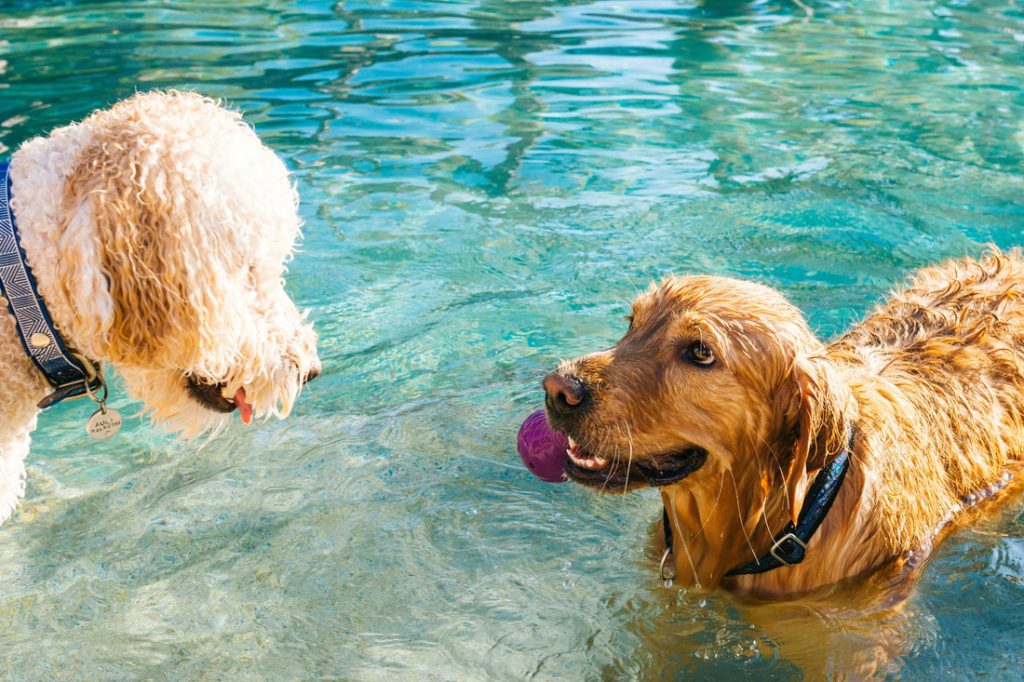
Have you ever wondered if any dog can swim? Maybe you’ve seen a dog splash around happily in a pool or lake and thought, “Could my dog do that too?” Whether you own a playful pup or just love dogs, understanding their swimming abilities is important.
Some dogs take to water naturally, while others need a little help. You’ll discover the surprising truth about dogs and swimming, what makes some breeds better swimmers, and how you can keep your furry friend safe around water. Keep reading to find out if your dog is ready to dive in!
Dog Swimming Basics
Understanding the basics of dog swimming is key before you take your furry friend to the water. Not every dog is a natural swimmer, but many have instincts that help them paddle. Knowing how your dog moves in water and what to expect can keep both of you safe and make swimming fun.
Natural Instincts
Most dogs have an instinctive ability to swim, often called the “dog paddle.” This reflex helps them keep their head above water and move forward. However, not all breeds share this equally—some have traits that make swimming easier, like webbed paws or a buoyant body.
Think about breeds like Labrador Retrievers or Newfoundlands. They often take to water easily because they were bred for swimming tasks. On the other hand, breeds with short legs or heavy bodies, like Bulldogs or Dachshunds, may struggle more in the water.
Have you noticed your dog’s reaction near a pool or lake? Some dogs show excitement and jump right in, while others hesitate or avoid water altogether. Recognizing your dog’s natural comfort level is the first step to helping them enjoy swimming safely.
How Dogs Swim
When dogs swim, they use a front-paw paddling motion combined with rear legs kicking to propel themselves. Their heads stay above water, and their bodies float thanks to natural buoyancy. This movement is usually effective, but it varies based on breed, size, and experience.
Dogs unfamiliar with water might panic or tire quickly. That’s why supervision and gradual exposure are essential. You can support your dog with a life vest designed for dogs, which helps with buoyancy and confidence.
Do you know how to spot signs of fatigue or stress while your dog swims? Watch for heavy panting, slowing strokes, or attempts to climb out. These signals mean it’s time to give your dog a break to prevent accidents.

Credit: www.healerspetcare.com
Breeds That Excel In Water
Not all dogs are natural swimmers, but certain breeds have an undeniable affinity for water. These dogs often thrive in aquatic environments, making swimming a joy rather than a challenge. Understanding which breeds excel in water can help you decide if your furry friend might enjoy a splash or two during your next outing.
Water Dogs And Retrievers
Water dogs and retrievers are famous for their love of swimming. Breeds like the Labrador Retriever, Golden Retriever, and Portuguese Water Dog have been bred to work in and around water for generations. Their history involves retrieving game from lakes and rivers, which makes them instinctively strong swimmers.
These breeds usually have dense, water-resistant coats that help keep them warm. Their webbed feet act like paddles, giving them extra power in the water. If you’ve ever watched a Labrador dive in after a ball, you know how natural swimming feels for them.
Traits For Swimming
What makes some dogs better swimmers than others? It often comes down to specific physical traits and temperament. Dogs with strong legs, webbed paws, and a streamlined body shape tend to move through water more efficiently.
Temperament matters too. Dogs that are confident and curious often take to water without hesitation. If your dog seems nervous near water, you can help by introducing them slowly and positively.
- Webbed paws:Act like built-in flippers for better propulsion.
- Water-resistant coat:Keeps the dog warm and dry underneath.
- Muscular build:Provides strength to paddle and stay afloat.
- Calm demeanor:Helps the dog stay relaxed and focused while swimming.
Have you noticed your dog naturally paddling their legs in water? That’s often a sign they’re wired to swim. Understanding these traits helps you recognize if your dog might be a future water enthusiast or if they need extra guidance near pools and lakes.
Dogs That Struggle With Swimming
Not every dog is built for swimming. Some dogs find water difficult or scary. Their bodies or health can make swimming hard. Knowing which dogs might struggle helps keep them safe near water.
Physical Limitations
Some dogs have body shapes that make swimming tough. Short legs and heavy chests can drag them down. Breeds like Bulldogs and Dachshunds face these challenges. Large heads and short noses may cause breathing problems in water. Dogs with thick fur can get weighed down when wet. These physical traits limit their ability to stay afloat and move easily in water.
Health Concerns
Certain health issues stop dogs from swimming safely. Dogs with arthritis or joint pain may find swimming painful. Heart or lung problems can make swimming dangerous. Older dogs often tire quickly in water. Skin infections or wounds can get worse when wet. Always check a dog’s health before letting them swim. Swimming is not safe for dogs with serious health conditions.
Teaching Your Dog To Swim
Teaching your dog to swim can open up new adventures and strengthen your bond. It’s a skill that offers both fun and safety, especially if you spend time near water. But how do you start, and what should you keep in mind to make the experience positive for your furry friend?
Starting Safely
Begin in a calm, shallow area where your dog can touch the bottom easily. Avoid rushing your dog into deep water before they’re comfortable. Always use a dog life jacket to provide extra security, especially in open water.
Watch your dog’s body language closely. Signs of stress like trembling or frantic paddling mean it’s time to take a break. Never force your dog into the water—let them explore at their own pace to build confidence.
Training Tips
- Use treats and praise:Reward your dog for small steps like stepping into the water or paddling a little.
- Keep sessions short:A few minutes at a time prevents exhaustion and keeps the experience positive.
- Lead by example:Getting into the water yourself encourages your dog to follow.
- Practice gentle entry and exit:Teach your dog how to safely get in and out of the water to avoid panic.
Have you noticed how your dog reacts to new experiences? Some dogs take to water naturally, while others need more patience and encouragement. Your calm, consistent approach can make all the difference in helping your dog enjoy swimming safely.
Safety Measures Around Water
Water activities can be fun for dogs but also risky. Safety measures keep dogs safe during swimming or water play. Knowing these steps helps prevent accidents and injuries. Awareness and preparation make water time enjoyable for pets and owners.
Life Jackets For Dogs
Life jackets help dogs stay afloat in water. They provide extra buoyancy and support tired swimmers. Life jackets also have handles for easy rescue. Choose a jacket that fits snugly and allows movement. Bright colors increase visibility in water. Always check for secure straps before use.
Supervision And Risks
Never leave dogs alone near water. Dangers include strong currents, cold temperatures, and deep water. Some dogs may panic or get tired quickly. Watch dogs closely to spot signs of distress. Keep a safe distance from boat propellers and sharp objects. Always have rescue tools nearby, like a rope or pole.
Benefits Of Swimming For Dogs
Swimming offers a unique set of benefits for dogs that go beyond simple fun. It provides a full-body workout while being gentle on joints, making it ideal for dogs of all ages and sizes. Whether your dog is a natural swimmer or just learning, the water can become a great place to boost their health and happiness.
Exercise And Fitness
Swimming is a powerful form of exercise for dogs because it engages multiple muscle groups at once. Unlike running or walking, water supports their weight, reducing strain on joints and ligaments.
If your dog struggles with arthritis or obesity, swimming can be a safe way to keep them active. It improves cardiovascular health, builds endurance, and helps maintain a healthy weight. Have you noticed how dogs often tire quickly after a swim? That’s because this exercise is both intense and low-impact.
Mental Stimulation
Swimming challenges your dog’s mind as well as their body. Navigating water, paddling, and even retrieving toys from the surface engages their brain in new ways.
Dogs that swim regularly often show improved focus and reduced anxiety. Think about how your dog reacts after a swim—are they calmer or more relaxed? This mental engagement helps prevent boredom and destructive behaviors at home.
Signs Your Dog Enjoys Or Dislikes Swimming
Not all dogs react the same way to swimming. Some take to water naturally, while others feel uneasy or even scared. Recognizing whether your dog enjoys swimming or dislikes it helps you keep their experience safe and fun.
Positive Behavior
- Relaxed body language:Your dog’s tail is wagging, and their movements are smooth and confident in the water.
- Voluntary entry:They jump or step into the water willingly without hesitation.
- Playfulness:Splashing around, chasing floating toys, or swimming toward you eagerly.
- Calm breathing:Your dog breathes steadily and doesn’t seem stressed or pant excessively.
- Quick recovery:After swimming, they dry off and seem energized instead of tired or anxious.
I once watched my Labrador eagerly chase a ball in the lake, tail wagging nonstop. It was clear she loved every moment. How does your dog show excitement about water?
Warning Signs
- Hesitation or refusal:Your dog avoids entering the water or tries to escape once inside.
- Tense muscles:Stiff posture or trembling indicates discomfort or fear.
- Excessive panting or whining:These are signs of stress, not just physical exertion.
- Erratic swimming:Splashing wildly or struggling to stay afloat can mean panic rather than play.
- Shivering after swimming:This may show your dog is too cold or stressed.
One time, my friend’s dog froze at the water’s edge and refused to move. It was a clear signal to take a step back and try again later. Have you noticed similar signs in your dog around water?
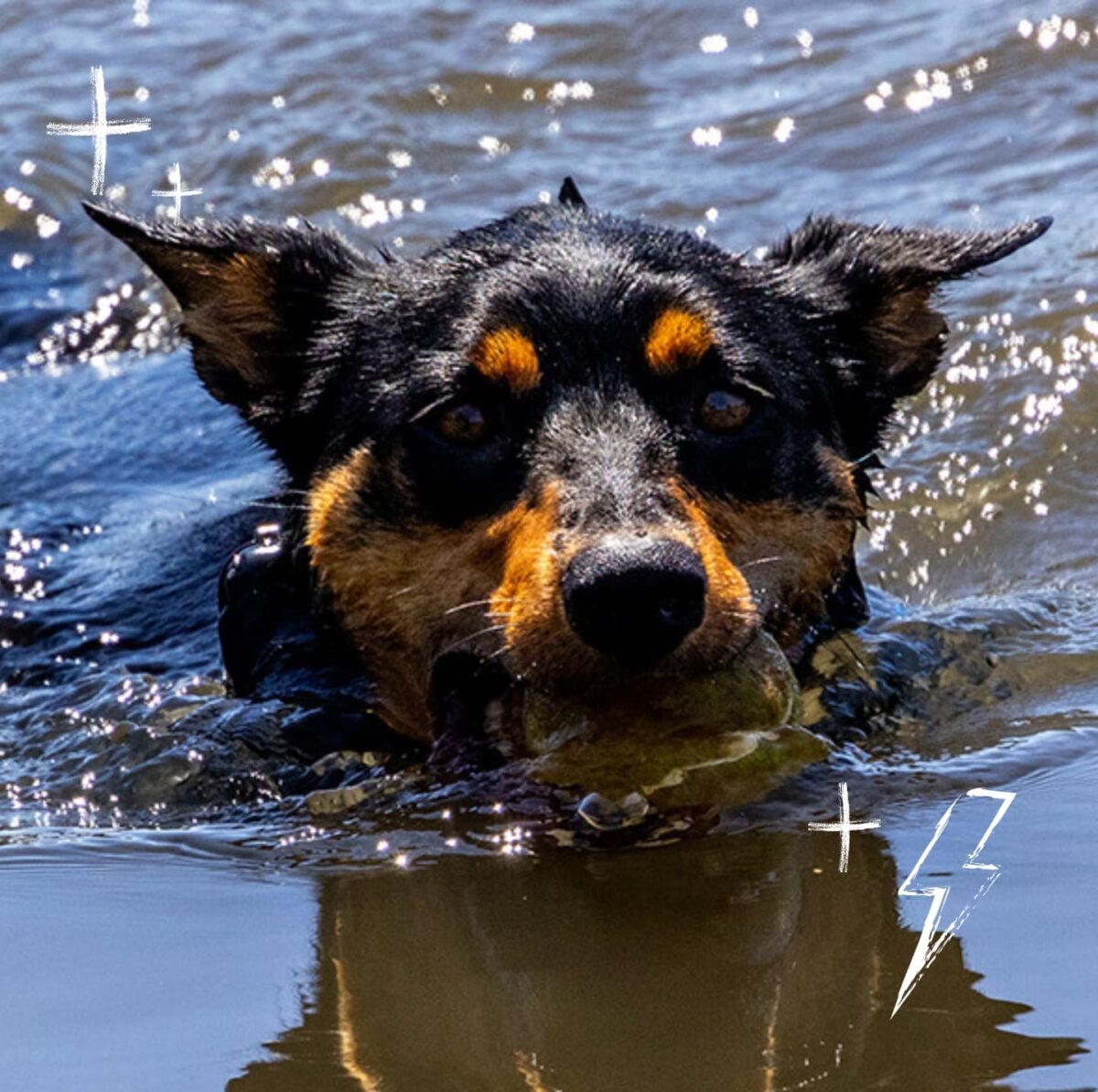
Credit: www.cobberdogfood.com.au
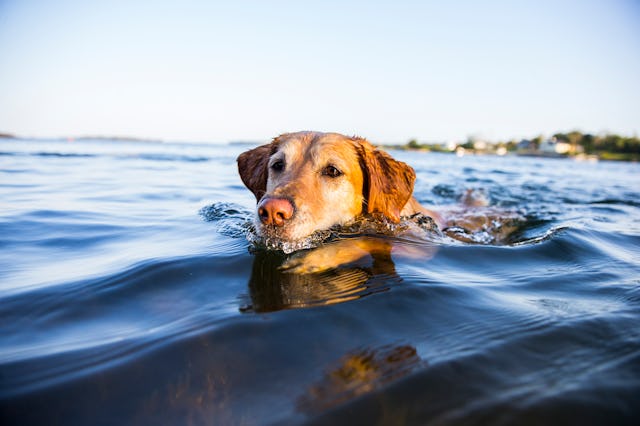
Credit: www.scarymommy.com
Frequently Asked Questions
Can All Dog Breeds Naturally Swim?
Not all dog breeds are natural swimmers. Some breeds have physical traits that make swimming difficult. Always supervise your dog near water for safety.
How Can I Teach My Dog To Swim Safely?
Start in shallow water and use positive reinforcement. Support your dog’s body and be patient. Gradually increase swimming time to build confidence.
Are Some Dogs Afraid Of Water?
Yes, some dogs have a natural fear of water. This fear can stem from lack of exposure or negative experiences. Gentle introduction helps reduce fear.
Is Swimming Good Exercise For Dogs?
Swimming is an excellent low-impact exercise. It improves strength, stamina, and joint health. It’s especially beneficial for older dogs or those with arthritis.
Conclusion
Not all dogs swim naturally, but many can learn. Some breeds enjoy water more than others. Safety is key—never force a dog into water. Use a life jacket for extra protection. Watch your dog closely during swimming sessions. Patience and gentle encouragement help build confidence.
Swimming is a fun exercise if your dog likes it. Always consider your dog’s health and comfort first. Every dog is different, so respect their limits. Keep water play safe and enjoyable for your furry friend.

Emily Barker is the founder of ChillDogLife.com, a space dedicated to helping pup parents discover the best dog products, lifestyle tips, and cozy ideas for happier homes.
A lifelong dog lover, Emily combines her passion for pets with a knack for research to share trusted recommendations on everything from toys and furniture to health and everyday care.
Her goal is simple: to make life easier, stylish, and more joyful for dogs and the people who love them.




