
Have you noticed your dog chewing the fur off his back and wonder why this is happening? It’s frustrating and worrying to see your furry friend uncomfortable and restless.
You want to help, but you might not know where to start. Understanding the reasons behind this behavior is the first step to calming your dog and stopping the chewing. Keep reading, and you’ll discover the most common causes and simple ways to bring relief to your pet.
Your dog’s comfort and happiness depend on it.
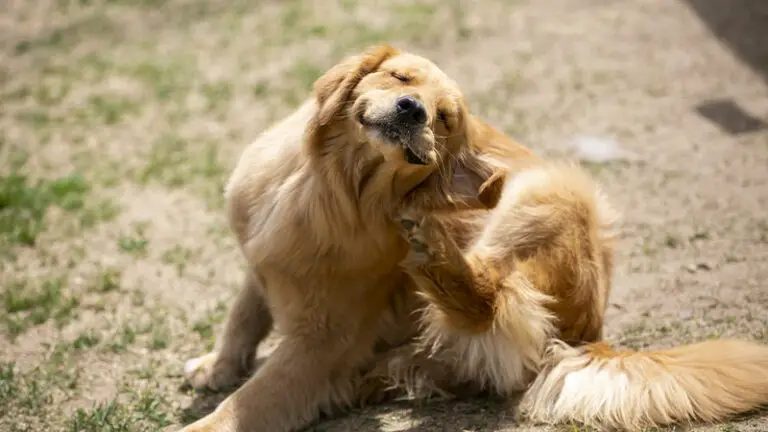
Credit: www.bulldogology.net
Common Causes Of Fur Chewing
Noticing your dog chewing his fur off his back can be alarming. Understanding the common causes can help you address the issue quickly and effectively. Let’s look at some of the main reasons behind this behavior, so you can find the right solution for your furry friend.
Allergies And Skin Irritations
Allergies often cause dogs to itch and chew their fur. These can be triggered by food ingredients, pollen, dust mites, or certain cleaning products. If you see redness, swelling, or flaky skin alongside the chewing, allergies might be the culprit.
Have you changed your dog’s diet or laundry detergent recently? Sometimes small changes can lead to big reactions.
Parasites And Infections
Fleas, ticks, and mites can cause intense itching, leading your dog to chew fur off to relieve discomfort. Skin infections, whether bacterial or fungal, also irritate the skin and encourage chewing.
Check your dog’s coat regularly for tiny moving dots or scabs. Parasites often hide in places you might not expect.
Stress And Anxiety
Dogs can chew their fur due to emotional reasons like stress or anxiety. Changes in their environment, loud noises, or separation from you might trigger this behavior.
Have you noticed your dog chewing more during thunderstorms or when you leave the house? These moments can be a sign of emotional distress.
Boredom And Behavioral Issues
Sometimes, fur chewing is a way for your dog to entertain themselves. Lack of exercise or mental stimulation can lead to boredom and repetitive chewing habits.
Try adding new toys or regular play sessions to your dog’s routine. This can redirect their energy and reduce unwanted chewing.
Underlying Medical Conditions
Certain medical problems, such as hormonal imbalances or autoimmune diseases, can cause skin problems and fur chewing. These conditions often require veterinary diagnosis and treatment.
If your dog’s chewing persists despite your best efforts, a vet visit can uncover hidden health issues. Don’t hesitate to ask for professional advice when in doubt.

Credit: search.raya.com
Signs To Watch For
Noticing your dog chewing his fur off his back can be worrying. It’s important to recognize specific signs early to understand what might be causing this behavior. Watching closely for physical and behavioral changes can help you decide when to seek veterinary advice.
Redness And Inflammation
Check your dog’s back carefully for any areas of redness or swelling. These signs often indicate irritation or an allergic reaction. If you spot inflamed patches, it could mean your dog is uncomfortable and needs relief.
Hair Loss Patterns
Look at where the fur is missing and how much is lost. Is the hair loss in small spots or large patches? Uneven or symmetrical bald spots can point to different issues, such as parasites or skin infections, which require specific treatments.
Changes In Behavior
Has your dog become more restless or withdrawn? Increased licking, biting, or scratching are important clues. Sometimes, your dog might hide or avoid touch, signaling pain or anxiety linked to skin problems.
Other Physical Symptoms
Besides chewing and fur loss, watch for sores, scabs, or a foul odor on your dog’s skin. These signs can suggest infections or deeper health issues. Also, check for excessive shedding or flaky skin, which might mean dry skin or nutritional deficiencies.
Diagnosis And Vet Visits
Understanding why your dog is chewing fur off his back starts with a proper diagnosis. A vet visit helps identify the cause and guides treatment. Early diagnosis prevents worsening symptoms and discomfort for your pet.
Physical Examination
The vet begins with a thorough physical exam. They check your dog’s skin, coat, and overall health. This helps spot redness, bumps, or parasites. The vet also looks for signs of pain or irritation.
Skin Tests And Biopsies
Skin tests can reveal infections or allergies. The vet may take a small skin sample for biopsy. This sample helps identify infections, inflammation, or immune problems. These tests give clear answers about skin health.
Blood Work And Allergy Testing
Blood tests show your dog’s internal health status. They check for infections, hormonal issues, or immune diseases. Allergy testing finds specific triggers causing itching or fur chewing. This helps create a targeted treatment plan.
Treatment Options
Seeing your dog chewing his fur off his back can be distressing. Tackling this issue requires understanding the right treatment options to help your furry friend feel comfortable again. Different causes demand different approaches, so choosing the right treatment can make all the difference.
Medications And Topical Treatments
Medications often help when the fur chewing stems from allergies or infections. Your vet might prescribe antihistamines or antibiotics to control inflammation and infection.
Topical treatments like medicated shampoos or sprays can soothe irritated skin. These products reduce itching and encourage healing, giving your dog relief.
Flea And Parasite Control
Fleas and other parasites often trigger intense itching, leading dogs to chew their fur. Even if you don’t see fleas, a thorough prevention plan is crucial.
- Use veterinarian-recommended flea treatments regularly.
- Wash your dog’s bedding frequently.
- Keep your yard clean to minimize parasite presence.
Have you noticed if your dog scratches more after being outside? That could be a sign fleas are the root cause.
Dietary Changes And Supplements
Your dog’s diet impacts skin health more than many realize. Sometimes, adding omega-3 fatty acids or switching to a hypoallergenic diet reduces itching.
Supplements like fish oil or vitamins can help improve skin condition and reduce inflammation. Ask your vet about the best options for your dog’s needs.
Behavioral Therapy And Enrichment
Chewing fur can sometimes be a sign of boredom or anxiety. Providing mental stimulation and exercise helps reduce stress-related behaviors.
- Try puzzle toys or training sessions to keep your dog engaged.
- Spend extra time playing or walking together.
- Consider calming aids if anxiety seems to be a factor.
Think about when your dog’s chewing behavior worsens. Could it be linked to a lack of attention or changes in routine?
Preventing Fur Chewing
Preventing your dog from chewing his fur off requires a careful approach. Understanding the root cause helps stop this behavior early. Often, simple steps can protect your dog’s skin and fur health. Consistent care and attention make a big difference.
Regular Grooming And Skin Care
Brush your dog’s coat often to remove dirt and loose fur. Check the skin for redness, bumps, or dryness. Use gentle shampoos made for dogs to avoid irritation. Keep the fur clean and dry to prevent infections. Regular grooming helps spot problems before they worsen.
Reducing Stress And Anxiety
Stress can cause your dog to chew fur. Create a calm and safe environment at home. Avoid loud noises and sudden changes in routine. Spend quiet time together to build trust. Use calming aids like pheromone sprays if needed.
Providing Mental And Physical Stimulation
Boredom often leads dogs to chew their fur. Give toys that challenge their mind and keep them busy. Take daily walks to burn off energy. Play games that involve problem-solving and movement. A tired dog is less likely to chew fur.
Routine Vet Checkups
Visit the vet regularly to catch health issues early. Skin infections, allergies, and parasites can cause fur chewing. The vet can recommend treatments or special diets. Early care prevents more serious problems. Keep vet appointments even if your dog seems fine.

Credit: www.reddit.com
Frequently Asked Questions
Why Is My Dog Chewing His Fur?
Dogs may chew their fur due to allergies, stress, or boredom. It can also be a response to skin infections or parasites. Identifying the underlying issue is crucial. Consult your veterinarian for an accurate diagnosis and appropriate treatment. Regular grooming and ensuring mental stimulation can prevent fur-chewing behavior.
Can Stress Cause Dogs To Chew Fur?
Yes, stress can lead to fur-chewing in dogs. Anxiety or changes in environment can trigger this behavior. Providing a calm environment and engaging activities can help. If stress is suspected, consult a veterinarian for further advice. Sometimes, professional training or behavioral therapy is beneficial for stressed pets.
Are Allergies Making My Dog Chew Fur?
Allergies often cause dogs to chew their fur. Common allergens include pollen, food, and dust mites. Identifying and eliminating allergens can help reduce symptoms. Consult a veterinarian for allergy testing and appropriate treatments. Regular bathing with hypoallergenic shampoos can also alleviate itching and discomfort.
How To Stop My Dog From Chewing Fur?
Identify the cause of the chewing first. Address underlying health issues with vet consultations. Provide chew toys to redirect behavior. Ensure regular grooming and a balanced diet. Mental stimulation through play and exercise can reduce boredom-induced chewing. Consistent training and professional advice may be necessary for persistent cases.
Conclusion
Dogs chew their fur for many reasons like allergies, stress, or parasites. Watch your dog closely to spot signs early. Treating the cause helps stop the chewing and heal the skin. Regular vet visits keep your dog healthy and comfortable.
Remember, patience and care are key to helping your furry friend. Don’t ignore this behavior—it shows your dog needs help. Taking action now can improve your dog’s happiness and health. Keep learning about your pet’s needs to support them better.

Emily Barker is the founder of ChillDogLife.com, a space dedicated to helping pup parents discover the best dog products, lifestyle tips, and cozy ideas for happier homes.
A lifelong dog lover, Emily combines her passion for pets with a knack for research to share trusted recommendations on everything from toys and furniture to health and everyday care.
Her goal is simple: to make life easier, stylish, and more joyful for dogs and the people who love them.




