Have you noticed your dog constantly chewing his nails and wondered why? It can be worrying to see your furry friend doing this over and over again.
You might think it’s just a harmless habit, but it could be a sign of something deeper. Understanding why your dog chews his nails can help you keep him comfortable and healthy. Keep reading to discover the surprising reasons behind this behavior and what you can do to help your dog feel better.
Common Causes Of Nail Chewing
Dogs chew their nails for many reasons. Understanding these causes helps you care for your pet better. Nail chewing can signal discomfort, health problems, or emotional stress. Spotting the reason early keeps your dog happy and healthy.
Allergies And Skin Irritations
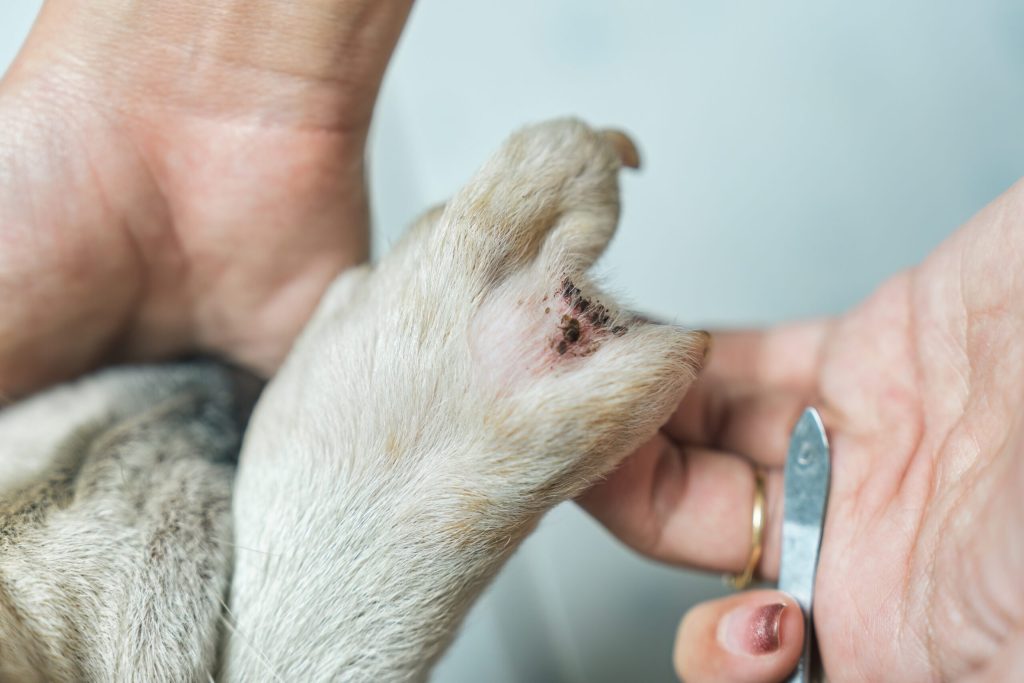
Allergies often cause itchy paws. Dogs react to pollen, dust, or food ingredients. Skin irritations can result in redness and swelling. Chewing nails soothes this itch and pain. Check paws for redness or bumps.
Parasites And Infections
Parasites like fleas or mites irritate your dog’s skin. Infections may develop from constant chewing or scratching. Both cause discomfort and pain. Watch for signs like foul smell or discharge. Treating parasites and infections stops nail chewing.
Boredom And Anxiety
Dogs bored or anxious chew nails to relieve stress. Lack of exercise or attention increases this behavior. Nail chewing becomes a habit to pass time. Provide toys, walks, and playtime to reduce anxiety. A calm dog chews less.
Nutritional Deficiencies
Poor diet can cause nail and skin problems. Lack of vitamins and minerals weakens nails. Dogs chew nails to ease discomfort or weakness. Feeding balanced food supports healthy nails and skin. Consult a vet for diet advice.
Credit: www.caninejournal.com
Behavioral Triggers
Dogs often chew their nails due to various behavioral triggers. These triggers can stem from emotional or mental states rather than physical causes. Understanding these behaviors helps in addressing the root cause of nail chewing.
Stress And Separation Anxiety
Stress makes dogs feel uneasy and restless. Nail chewing can be a coping mechanism to handle anxiety. Dogs left alone for long periods may develop separation anxiety. This anxiety leads them to chew nails as a self-soothing action. Recognizing signs of stress early can prevent worsening behavior.
Compulsive Behaviors
Some dogs develop compulsive habits like nail chewing. These repetitive behaviors often stem from boredom or nervousness. Compulsive chewing can become a routine, hard to break without intervention. It may also indicate an underlying emotional issue. Professional advice helps manage and reduce compulsive actions.
Lack Of Exercise
Insufficient physical activity causes excess energy buildup in dogs. This energy can turn into destructive habits like nail chewing. Regular exercise helps keep dogs calm and mentally balanced. Without enough playtime, dogs may seek other ways to release tension. Exercise promotes overall health and reduces unwanted behaviors.
Health Concerns Linked To Nail Chewing
Noticing your dog chewing his nails frequently can signal more than just a quirky habit. It often points to underlying health concerns that deserve your attention. Understanding these issues can help you take timely action and ensure your dog’s comfort and happiness.
Pain Or Discomfort In Paws
Your dog might chew his nails because of pain or discomfort in his paws. Injuries like cuts, splinters, or ingrown nails can cause irritation that leads to persistent chewing. If you observe swelling, redness, or your dog limping, it’s a clear sign something is wrong.
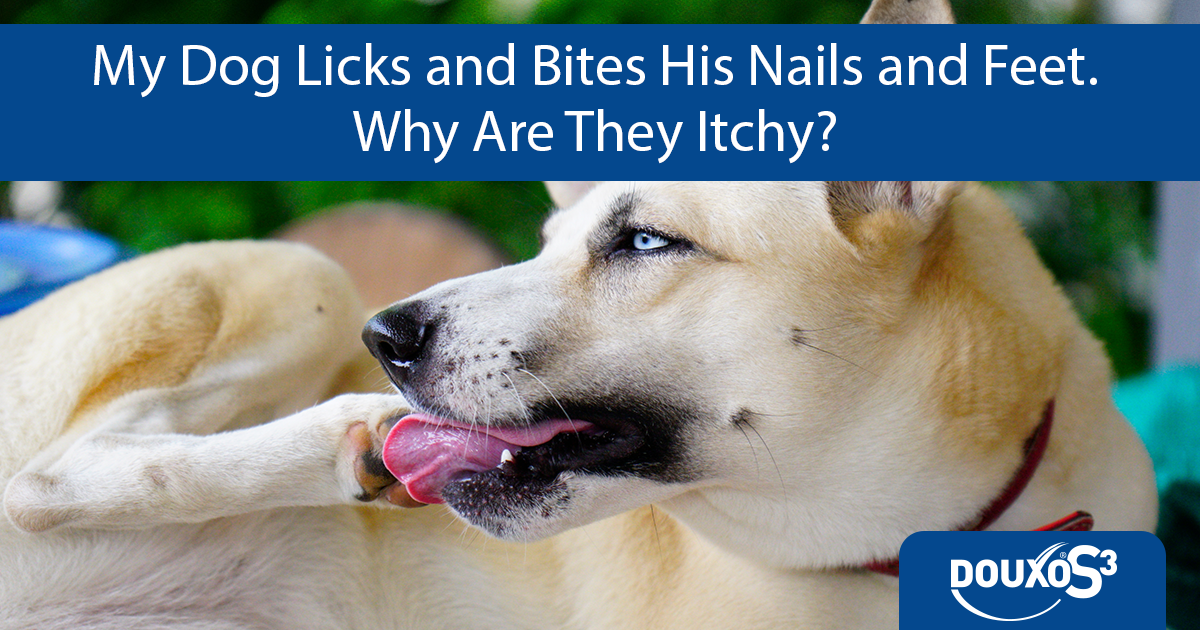
Have you ever noticed your dog licking a certain paw obsessively? This behavior often accompanies nail chewing and indicates discomfort. Checking your dog’s paws regularly can help you catch these issues early before they worsen.
Underlying Medical Conditions
Sometimes nail chewing is a symptom of broader medical problems. Conditions such as allergies, fungal infections, or parasites can cause itchy, irritated skin around the nails. These medical issues often go unnoticed because the chewing seems like just a bad habit.
If your dog’s nail chewing is accompanied by hair loss or persistent scratching, it’s time to visit the vet. Diagnosing and treating underlying illnesses not only stops the nail chewing but also improves your dog’s overall health.
Impact On Overall Wellbeing
Chewing nails excessively affects more than just the paws; it can harm your dog’s overall wellbeing. Constant chewing can lead to infections or worsen existing wounds, causing pain and stress. This ongoing discomfort might change your dog’s behavior, making him less playful or more withdrawn.
Have you noticed changes in your dog’s energy or mood alongside nail chewing? Addressing the root health concerns can restore his vitality and happiness. Don’t ignore nail chewing—it’s a window into your dog’s health that you can’t afford to miss.
How To Identify The Root Cause
Understanding why your dog chews his nails requires careful observation and sometimes professional help. Identifying the root cause helps you address the problem correctly and keep your dog comfortable. Nail chewing can signal various issues, from boredom to health problems. Pinpointing the exact reason is key to proper care and treatment.
Observing Your Dog’s Behavior
Watch your dog closely for patterns in nail chewing. Notice the time of day and situations triggering this behavior. See if your dog chews only certain nails or all of them. Check for other signs like licking paws, limping, or redness. These clues help narrow down possible causes. Take notes on frequency and intensity for better understanding.
Consulting A Veterinarian
A veterinarian provides expert advice on nail chewing issues. Share your observations and concerns clearly. The vet can check for allergies, infections, or injuries. Some dogs chew nails due to stress or anxiety, which vets can help diagnose. Early consultation prevents worsening conditions and aids faster recovery.
Diagnostic Tests And Exams
Veterinarians may suggest tests to find the cause. Skin scrapings or cultures detect infections or parasites. Blood tests can reveal allergies or underlying diseases. X-rays show bone or joint problems in paws. These exams confirm suspicions from behavioral observations and physical checks. Accurate diagnosis leads to effective treatment plans.
Effective Solutions And Treatments
Addressing your dog’s nail chewing requires a clear plan. Effective solutions focus on health, behavior, and environment. Combining treatments often brings the best results. Understanding each approach helps you choose what fits your dog’s needs.
Medical Treatments And Medications
Veterinarians first check for infections, allergies, or pain. They may prescribe:
- Antibiotics for bacterial infections
- Antifungal creams for fungal issues
- Anti-inflammatory drugs to reduce swelling
- Medications for allergies or skin conditions
Regular check-ups ensure the treatment works well. Never use medications without veterinary advice.
Behavioral Training Techniques
Behavioral causes need patience and consistency. Try these techniques:
- Redirect chewing to safe toys
- Reward calm behavior with treats
- Use commands like “leave it” or “no”
- Increase daily exercise to reduce stress
Training helps build good habits over time. Avoid punishment, which can increase anxiety.
Environmental Enrichment
Boredom often triggers nail chewing. Enrich your dog’s environment by:
- Providing puzzle feeders and interactive toys
- Setting up safe spaces for rest and play
- Scheduling regular play sessions
- Introducing new scents or sounds to stimulate senses
Variety keeps your dog mentally and physically active. A busy dog is a happy dog.
Dietary Adjustments
Nutrition impacts skin and nail health. Consider these changes:
- Adding omega-3 fatty acids for skin support
- Ensuring a balanced diet with vitamins and minerals
- Removing potential allergens from food
- Consulting a vet for specialized diets
Good nutrition strengthens nails and reduces irritation. Healthy food leads to healthy habits.
Credit: www.caninejournal.com
Preventing Nail Chewing In The Future
Preventing your dog from chewing his nails in the future takes attention and care. Nail chewing can signal discomfort or anxiety, but you can reduce its chances by creating a supportive environment and routine. Let’s look at some effective ways to keep your dog’s nails healthy and discourage this habit.
Regular Grooming And Nail Care
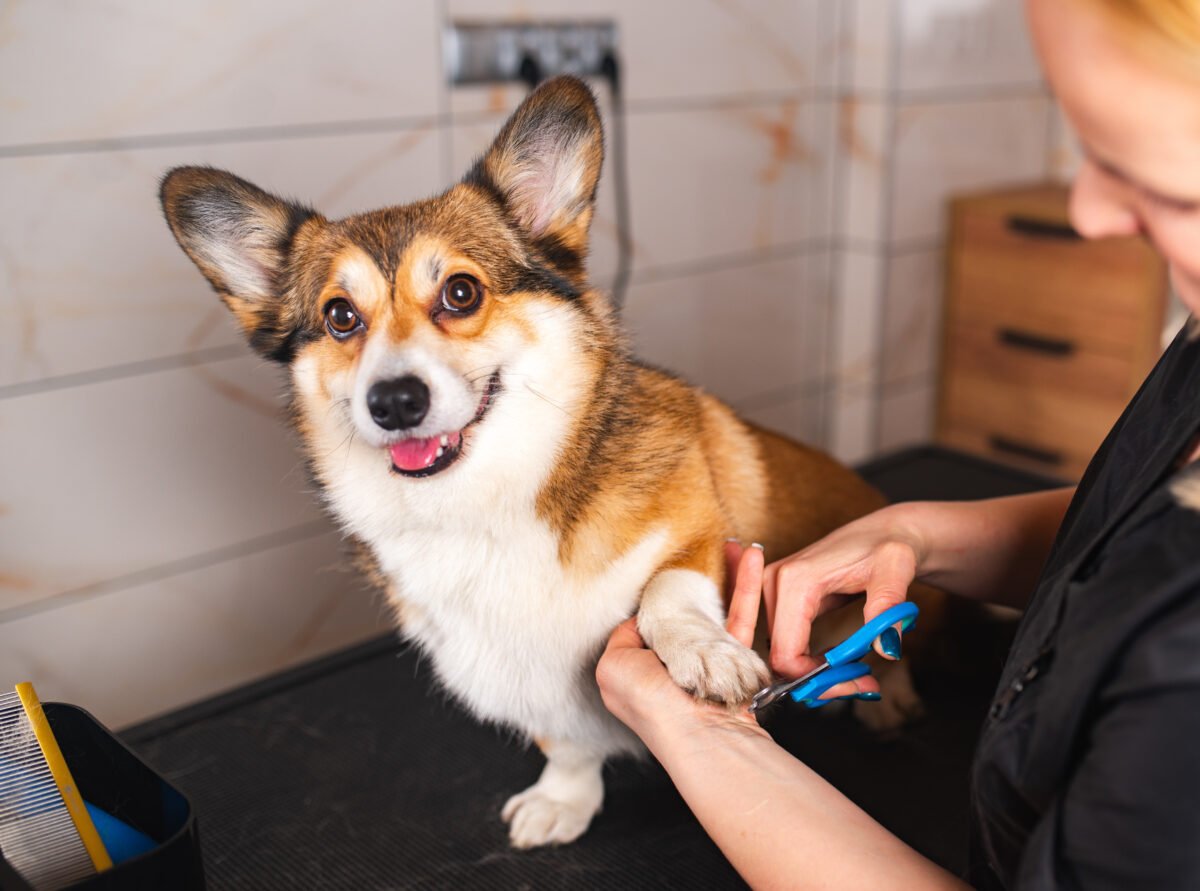
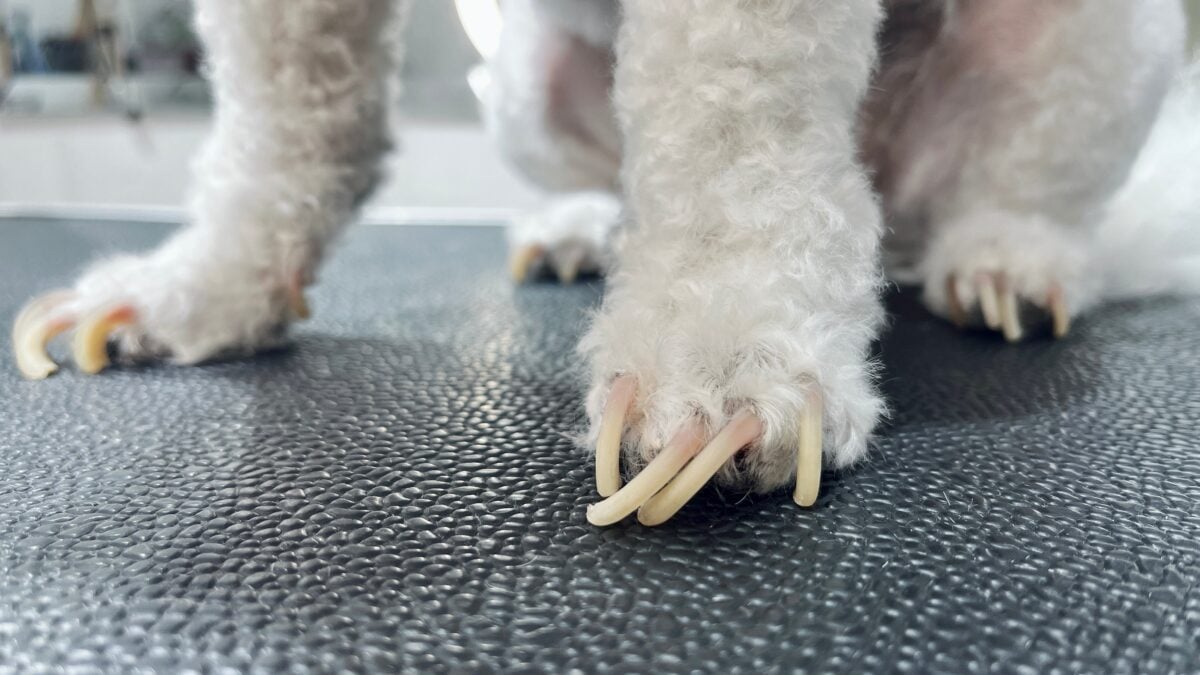
Keeping your dog’s nails trimmed is key to preventing chewing. Long nails can cause irritation, making your dog want to chew them. Try to check and trim your dog’s nails every two to three weeks.
If you’re nervous about trimming, ask your vet or groomer to show you how. Regular grooming sessions also help you spot any infections or issues early. Have you noticed if your dog chews more when his nails are longer?
Stress Reduction Strategies
Stress often triggers nail chewing. Look around for stressors like loud noises, changes in routine, or lack of attention. You can help your dog by creating a calm space and using calming aids like lavender sprays or anxiety wraps.
Try simple relaxation techniques, such as gentle massage or quiet time in a comfy spot. Engaging your dog with puzzle toys can shift focus away from chewing. What small changes could you make today to lower your dog’s stress levels?
Consistent Exercise Routine
Regular exercise tires your dog physically and mentally, reducing boredom-driven nail chewing. Walks, playtime, and training sessions keep your dog busy and fulfilled. Aim for at least 30 minutes of activity daily, tailored to your dog’s breed and age.
If your dog has plenty of energy, he’s more likely to chew his nails out of frustration. Adding variety like fetch, agility, or swimming can keep your dog interested. How much daily exercise does your dog get, and could increasing it help stop the nail chewing?
Credit: douxo.de
Frequently Asked Questions
Why Does My Dog Chew His Nails?
Dogs chew their nails due to anxiety, allergies, or infections. Sometimes, it’s just a habit or boredom. Frequent nail chewing can cause damage and pain. Consulting a vet is crucial to identify underlying health issues or behavioral problems. Ensure your dog has enough exercise and mental stimulation.
Is Nail Chewing Harmful To My Dog?
Yes, excessive nail chewing can lead to injuries and infections. It can cause bleeding, pain, and swelling. If left untreated, it might worsen and require veterinary attention. Regular grooming and monitoring can prevent such issues. Addressing the root cause is essential for your dog’s health and comfort.
How Can I Stop My Dog From Nail Chewing?
Identify the cause first by consulting a vet. Provide chew toys and engage in regular playtime. Ensure your dog gets enough exercise to reduce boredom and anxiety. Maintain regular grooming and check for any infections. Positive reinforcement can also help modify this behavior.
Can Allergies Cause Nail Chewing In Dogs?
Yes, allergies can lead to nail chewing. Dogs may chew their nails due to skin irritation or itchiness. Identifying allergens and removing them from the dog’s environment is crucial. Consult a vet for appropriate allergy treatments. Proper diet and medication can help alleviate symptoms.
Conclusion
Nail chewing in dogs often signals stress or discomfort. Watch your dog closely to spot any changes. Regular nail care can help reduce this habit. Sometimes, it may indicate allergies or skin problems. A vet visit can find the exact cause.
Treating the problem early keeps your dog happy. Remember, patience and care improve your pet’s well-being. Small actions make a big difference in your dog’s health. Stay attentive and provide comfort for a happier pet.

Emily Barker is the founder of ChillDogLife.com, a space dedicated to helping pup parents discover the best dog products, lifestyle tips, and cozy ideas for happier homes.
A lifelong dog lover, Emily combines her passion for pets with a knack for research to share trusted recommendations on everything from toys and furniture to health and everyday care.
Her goal is simple: to make life easier, stylish, and more joyful for dogs and the people who love them.




