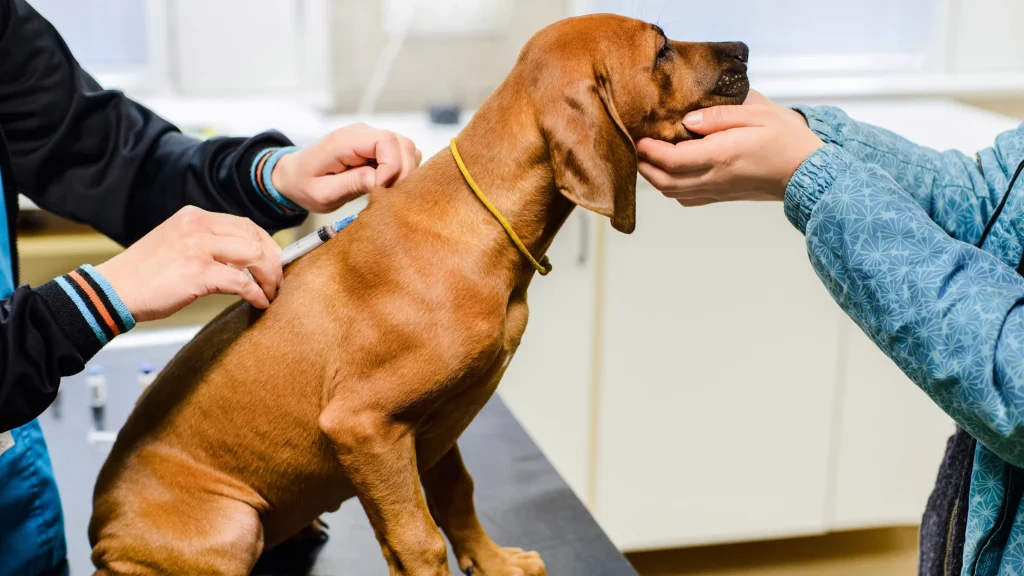
If your dog has kennel cough, you want to help them feel better as quickly as possible. Kennel cough can be tough on your furry friend, making them cough, feel tired, and lose their usual spark.
You might feel worried and unsure about what steps to take next. This guide will walk you through simple, effective ways to ease your dog’s discomfort and speed up their recovery. By the end, you’ll know exactly how to support your dog and keep them comfortable during this frustrating time.
Keep reading—your dog is counting on you.
Credit: www.ebay.com
Causes Of Kennel Cough
Kennel cough is a common respiratory infection in dogs. It causes a harsh, dry cough and discomfort. Understanding the causes helps prevent and treat it effectively. Several factors contribute to kennel cough. These include viruses, bacteria, and environmental elements. Knowing how these causes work guides better care for your dog.
Common Infectious Agents
Kennel cough usually involves multiple germs. The main culprits include:
- Bordetella bronchiseptica:A bacteria often found in kennel cough cases.
- Canine parainfluenza virus:A virus that affects the respiratory tract.
- Canine adenovirus type 2:Another virus linked to kennel cough.
- Mycoplasma species:Bacteria that can worsen infections.
These agents infect the dog’s throat and windpipe, causing inflammation and coughing.
Transmission Methods
Kennel cough spreads easily from dog to dog. It travels through:
- Airborne droplets from coughing or sneezing.
- Direct contact, like nose-to-nose greetings.
- Shared items such as water bowls and toys.
- Contaminated surfaces in kennels or parks.
Close spaces increase the risk of spreading these germs quickly.
Risk Factors
Some dogs face higher chances of getting kennel cough. These risks include:
- Living in or visiting crowded places like kennels.
- Exposure to many other dogs regularly.
- Weakened immune systems due to age or illness.
- Lack of vaccination against kennel cough agents.
- Stress and poor ventilation in living spaces.
Recognizing these factors helps owners protect their pets better.
Credit: www.lilyskitchen.co.uk
Recognizing Kennel Cough Symptoms
Kennel cough is a common illness in dogs that affects their respiratory system. Early recognition of symptoms helps in quick care and prevents spreading. Knowing what to watch for is important for every dog owner.
This section explains the key signs of kennel cough. Watch closely for changes in your dog’s behavior and health.
Cough Characteristics
The cough of kennel cough is usually dry and harsh. It sounds like a honking noise or a goose honk. This cough often comes in bursts and can be triggered by excitement or exercise. Your dog may gag or try to clear its throat after coughing. The cough can last for weeks but usually does not cause severe distress.
Additional Signs To Watch For
- Runny nose or sneezing
- Watery or red eyes
- Low energy or tiredness
- Loss of appetite
- Mild fever in some cases
These signs may appear along with the cough. Keep an eye on your dog’s overall behavior and health.
When To See A Vet
Seek veterinary help if your dog:
- Has a cough lasting more than three weeks
- Shows difficulty breathing or wheezing
- Stops eating or drinking
- Becomes very weak or lethargic
- Develops a high fever
Prompt vet care is critical in severe cases. Early treatment can prevent complications and speed recovery.
Home Care Strategies
Helping your dog recover from kennel cough at home involves careful attention to their comfort, hydration, and emotional well-being. You can make a significant difference in their healing process by adjusting their environment and daily care. Let’s look at practical ways to support your dog during this time.
Creating A Comfortable Environment
Set up a quiet, warm space away from drafts where your dog can rest undisturbed. Soft bedding helps reduce coughing irritation and supports better sleep. Avoid smoky or dusty areas, as these can worsen their throat irritation.
Have you noticed how your dog reacts to different spots in the house? Choose the one where they seem most relaxed and limit activity around that area. Keeping the room humidified with a cool mist humidifier can ease coughing and soothe the airways.
Hydration And Nutrition Tips
Encourage your dog to drink plenty of water to keep their throat moist and help loosen mucus. If your dog isn’t drinking enough, try offering ice cubes or diluted low-sodium broth for variety. Proper hydration speeds up recovery and prevents dehydration.
When it comes to food, soft, easily digestible meals are best. Warm up their food slightly to enhance aroma and encourage appetite. Have you tried adding a little chicken broth or mixing wet food with kibble to make eating easier?
Minimizing Stress
Stress can weaken your dog’s immune system and delay healing. Keep your routine calm and predictable to provide a sense of security. Limit visitors and avoid loud noises or sudden movements around your dog.
Spend quiet time with gentle petting or soft talking to reassure your pet. Does your dog seem comforted by your presence? Your calm energy can help reduce their anxiety and promote faster recovery.
Medical Treatments
Medical treatments play a key role in helping dogs recover from kennel cough. These treatments aim to reduce symptoms and speed up healing. Understanding the right medications and their uses helps pet owners care for their dogs effectively.
Medications Commonly Prescribed
Veterinarians often recommend specific drugs to manage kennel cough symptoms. These include:
- Antibiotics to fight bacterial infections
- Cough suppressants to ease persistent coughing
- Anti-inflammatory medications to reduce throat swelling
- Supportive care such as fluids and rest
Each dog’s treatment depends on the severity and cause of the cough.
When Antibiotics Are Needed
Antibiotics help if kennel cough involves bacteria. They do not work for viruses. Your vet decides based on symptoms and tests. Signs needing antibiotics include:
- Thick, colored nasal discharge
- Fever or lethargy
- Persistent or worsening cough
Giving antibiotics only when needed prevents resistance and side effects.
Using Cough Suppressants Safely
Cough suppressants calm the urge to cough and help dogs rest. Use them carefully. Some coughs clear mucus and should not be stopped. Always follow your vet’s instructions. Monitor your dog for side effects such as:
- Drowsiness
- Loss of appetite
- Worsening breathing problems
Proper use of cough medicine improves comfort without harming recovery.
Preventing Kennel Cough
Preventing kennel cough is the best way to keep your dog healthy and avoid the hassle of treating this contagious respiratory infection. Taking proactive steps can save you stress and your dog discomfort. Let’s look at some practical ways you can reduce the risk of your dog catching kennel cough.
Vaccination Options
Vaccines provide an important layer of protection against kennel cough. Ask your vet about the intranasal and injectable vaccines available. The intranasal vaccine often works faster and can help block the infection at its entry point.
Vaccination doesn’t guarantee complete immunity, but it significantly lowers the chance of severe illness. Have you checked your dog’s vaccination status recently? Keeping up-to-date is a simple way to boost their defense.
Avoiding Exposure
Limiting your dog’s contact with crowded places where other dogs gather reduces exposure risk. Places like boarding kennels, dog parks, and grooming salons can be hotspots for kennel cough bacteria and viruses.
If your dog has a weakened immune system or is recovering from illness, consider postponing visits to these places. Could your dog enjoy more solo walks or smaller playdates instead? Even short changes in routine can make a big difference.
Hygiene Best Practices
Good hygiene is key to stopping kennel cough from spreading. Clean your dog’s food bowls, bedding, and toys regularly with pet-safe disinfectants. This removes germs that could linger and cause infection.
Also, wash your hands after handling other dogs or shared equipment. It’s a small habit that protects both you and your dog. How often do you clean your dog’s living area? Making it part of your weekly routine helps maintain a healthy environment.

Credit: oimmal.com
When To Seek Emergency Care
Recognizing when kennel cough becomes a serious threat is vital for your dog’s health. Most cases improve with home care, but some signs require immediate veterinary attention. Acting fast can prevent complications and protect your pet’s life.
Signs Of Severe Illness
- High fever above 103°F (39.4°C)
- Extreme weakness or lethargy
- Loss of appetite for more than 24 hours
- Persistent vomiting or diarrhea
- Blue or pale gums
Breathing Difficulties
Labored or rapid breathing signals a severe problem. Watch for:
- Open-mouth breathing or gasping
- Wheezing or noisy breathing
- Excessive coughing that disrupts breathing
- Chest pain or reluctance to move
Persistent Symptoms
Cough lasting longer than three weeks needs a vet’s evaluation. Also seek care if:
- Cough worsens instead of improving
- Discharge from eyes or nose turns green or yellow
- Swelling in the throat or neck area appears
- Dog is unable to rest or sleep due to coughing
Frequently Asked Questions
What Are The Symptoms Of Kennel Cough In Dogs?
Kennel cough symptoms include a persistent, dry cough, sneezing, and nasal discharge. Affected dogs may also experience lethargy and loss of appetite. In severe cases, you might notice fever or difficulty breathing. It’s crucial to monitor these symptoms and consult a veterinarian for proper diagnosis and treatment.
How Can I Treat Kennel Cough At Home?
Home treatment includes providing a warm, comfortable environment and ensuring your dog stays hydrated. You can use a humidifier to ease breathing. Offer soft foods to encourage eating. However, consult your vet for the best treatment advice, as some cases may require medication or professional care.
Can Kennel Cough Resolve On Its Own?
Mild cases of kennel cough often resolve within a few weeks without treatment. Ensuring your dog rests and stays hydrated can help recovery. However, if symptoms persist or worsen, consult a veterinarian. Timely intervention is crucial to prevent complications and ensure your pet’s well-being.
How Do I Prevent Kennel Cough In My Dog?
Vaccination is the most effective prevention against kennel cough. Limit exposure to infected dogs and crowded places. Regularly clean your dog’s living area and maintain good hygiene. Ensure a healthy diet and routine vet check-ups to strengthen your dog’s immune system and reduce the risk.
Conclusion
Helping a dog with kennel cough takes patience and care. Keep your dog calm and rested. Use a humidifier or warm air to ease coughing. Give any medicine your vet recommends. Watch your dog’s symptoms closely every day. Keep your dog away from other pets to stop spreading the cough.
Clean your dog’s bedding often. With proper care, your dog will feel better soon. Stay calm and gentle. Your dog needs your love and attention now.

Emily Barker is the founder of ChillDogLife.com, a space dedicated to helping pup parents discover the best dog products, lifestyle tips, and cozy ideas for happier homes.
A lifelong dog lover, Emily combines her passion for pets with a knack for research to share trusted recommendations on everything from toys and furniture to health and everyday care.
Her goal is simple: to make life easier, stylish, and more joyful for dogs and the people who love them.




