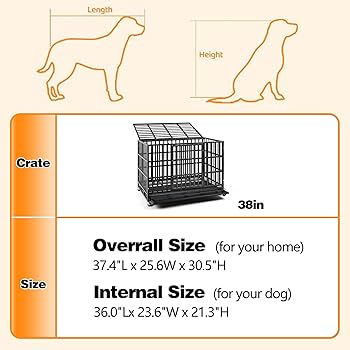
Choosing the right size dog crate can feel tricky, but it’s one of the most important decisions for your pet’s comfort and safety. If your crate is too small, your dog won’t have enough space to move or relax.
Too big, and it might lose the cozy feeling that makes it a safe haven. You want a crate that fits your dog perfectly—just like a little home where they feel secure. Keep reading, and you’ll discover exactly how to find the perfect size crate for your furry friend, making both of your lives easier and happier.
Choosing The Right Crate Size
Choosing the right crate size is essential for your dog’s comfort and safety. A crate that is too small can make your dog feel cramped and anxious, while one that is too large might not provide the secure, den-like environment dogs instinctively seek. Understanding how to pick the perfect size sets the foundation for a positive crate experience.
Measuring Your Dog
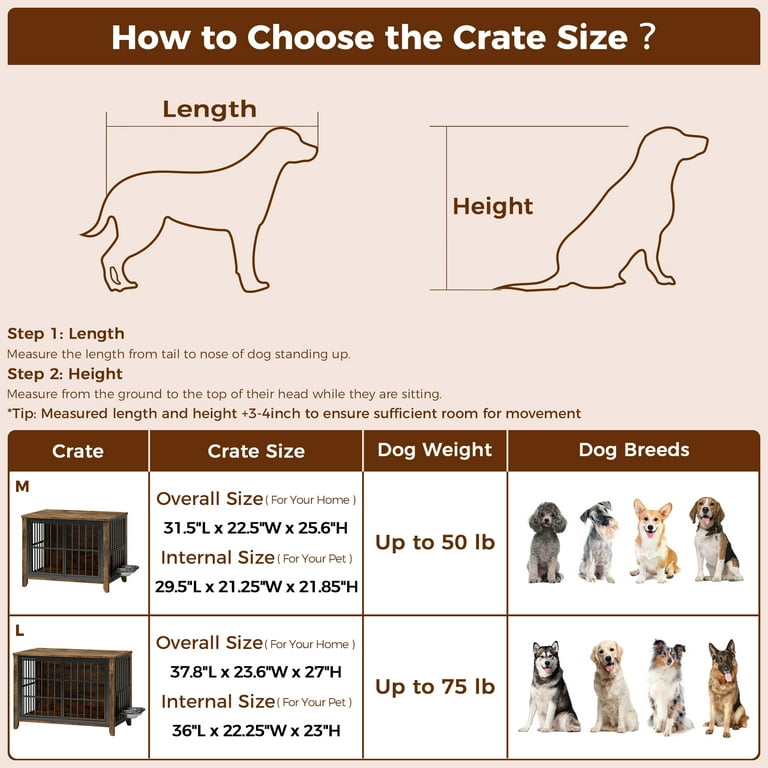
Start by measuring your dog’s length and height accurately. Measure from the tip of the nose to the base of the tail for length, and from the floor to the top of the head or ears for height. Add a few extra inches to these measurements so your dog can stand, turn, and lie down comfortably inside the crate.
Have you ever bought something for your pet only to realize it was the wrong size? Taking a moment to measure can save you from that frustration and extra expense.
Considering Growth And Breed
If your dog is still a puppy, remember they will grow. Choosing a crate based only on current size might mean outgrowing it quickly. Look into the typical adult size of your dog’s breed or mix to select a crate that will last through their growth stages.
For breeds with unique shapes—like Dachshunds or Bulldogs—consider the width and height carefully. Some breeds need crates with extra headroom or width due to their body structure.
Types Of Dog Crates
Dog crates come in several varieties, each suited for different needs and lifestyles:
- Wire Crates:Provide excellent ventilation and visibility but may need a cover for privacy and to reduce anxiety.
- Plastic Crates:Offer a cozy, enclosed space, ideal for travel and creating a den-like atmosphere.
- Soft-Sided Crates:Lightweight and portable, great for calm dogs and short-term use.
Which type fits your dog’s personality and your daily routine? Choosing the right style is just as important as size for your dog’s comfort and your convenience.

Credit: www.amazon.com
Small Dog Crates
Small dog crates provide a safe, cozy space for tiny breeds. They help with training and travel. Choosing the right size keeps your dog comfortable and secure. A crate that is too big or small may cause stress. Understanding size, material, and common mistakes is key for a happy pet.
Best Sizes For Small Breeds
Small dog breeds like Chihuahuas and Pomeranians need crates that fit their size. A crate around 18 to 24 inches long works well. Height should allow the dog to stand comfortably. The dog must turn around easily inside the crate. Measure your dog from nose to tail and add a few inches for comfort.
| Breed | Recommended Crate Size (L x W x H in inches) |
|---|---|
| Chihuahua | 18 x 12 x 14 |
| Pomeranian | 22 x 14 x 16 |
| Yorkshire Terrier | 20 x 14 x 15 |
Materials And Portability
Small dog crates come in different materials. Plastic crates offer privacy and are easy to clean. Wire crates provide good ventilation and visibility. Soft-sided crates are light and easy to carry. Portability matters for travel or visits. Choose a crate with a handle or folding design for easy transport.
Common Mistakes To Avoid
- Buying a crate too large makes dogs feel unsafe.
- Choosing a crate too small causes discomfort and stress.
- Ignoring ventilation can make the crate stuffy.
- Using poor-quality materials risks crate damage or injury.
- Forgetting to measure your dog leads to wrong size selection.
Medium Dog Crates
Medium dog crates offer the perfect space for dogs that are too big for small crates but don’t require the extra room of large ones. Choosing the right size ensures your dog feels comfortable and secure without excess space that might reduce the crate’s calming effect. Finding the ideal crate can improve your dog’s behavior and make travel or vet visits much easier.
Ideal Dimensions For Medium Dogs
Medium dog crates typically measure around 24 to 30 inches in length, 18 to 21 inches in width, and 21 to 24 inches in height. These dimensions suit breeds like Beagles, Cocker Spaniels, and French Bulldogs. The crate should be large enough for your dog to stand up, turn around, and lie down comfortably.
Think about your dog’s size now and how much they might grow. A crate too small can cause discomfort, while one too big might reduce the sense of security. Measure your dog’s length from nose to tail and height from paws to shoulders for the best fit.
Features To Look For
- Ventilation:Look for crates with plenty of airflow to keep your dog cool and comfortable.
- Durability:Strong metal or high-quality plastic crates last longer and withstand chewing.
- Portability:If you travel often, choose a crate that’s lightweight and easy to fold.
- Easy access:Multiple doors help you reach your dog easily from different angles.
- Comfort:Add a soft crate pad or blanket to make the space inviting.
Safety Tips
Make sure the crate has secure latches to prevent accidental escapes. Check for sharp edges or loose parts that could injure your dog. Never use a crate as punishment—it should be a safe, positive space.
Also, avoid leaving your dog in the crate for too long, especially without water. Pay attention to your dog’s behavior to ensure they are comfortable and stress-free. Have you noticed how your dog reacts when introduced to their crate? Adjust the setup based on their comfort and safety needs.
Large Dog Crates
Large dog crates provide safe and spacious spaces for bigger dogs. They allow these dogs to rest, relax, and feel secure. Choosing the right crate size is essential to keep your dog comfortable and happy.
Sizing For Large And Giant Breeds
Large dog crates suit breeds like Labradors, German Shepherds, and Golden Retrievers. Giant breeds such as Great Danes and Saint Bernards need even bigger crates. Measure your dog from nose to tail and add several inches for comfort. Height should allow your dog to stand without hitting the top. A crate too small can cause stress and discomfort.
Durability And Strength
Large dogs are strong and need crates that can hold up. Look for crates made from heavy-duty metal or reinforced plastic. Strong locks and hinges prevent escapes. Welded wire crates offer extra stability. Avoid crates with weak joints or thin bars. Durability ensures safety and long-term use.
Comfort Enhancements
Comfort is key for large dogs in crates. Add soft bedding or mats for cushioning. Ventilation holes keep air fresh inside the crate. Some crates come with removable trays for easy cleaning. Extra space allows your dog to stretch and turn around. Comfortable crates help reduce anxiety and promote rest.
Crate Accessories And Comfort
Choosing the right crate size for your dog is just the beginning. Making the crate a cozy and inviting space is equally important. Accessories and comfort items can transform a simple crate into your dog’s favorite spot, encouraging them to relax and feel secure.
Bedding Options
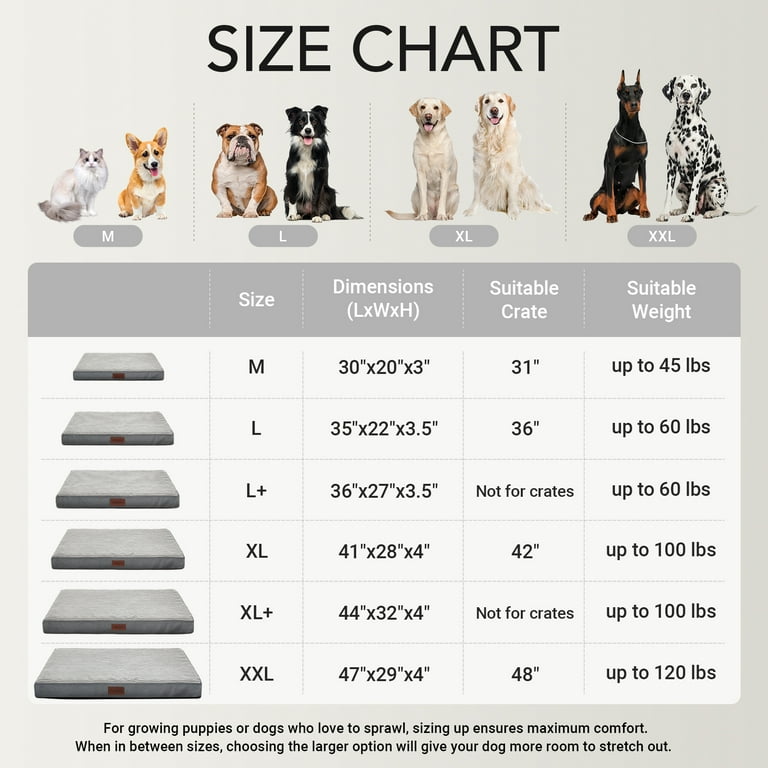
Soft bedding cushions your dog and adds warmth, making the crate feel like a little den. Memory foam beds are great for older dogs with joint issues, while washable blankets work well for easy cleaning. You might want to add a crate mat that fits snugly to avoid bunching, which can be uncomfortable.
Think about your dog’s habits—do they like to burrow or stretch out? Selecting bedding that matches these preferences can improve their comfort significantly.
Toys And Entertainment
Keeping your dog entertained inside the crate helps reduce anxiety and prevents boredom. Durable chew toys or puzzle toys can keep them busy for a while. Avoid small toys that could become choking hazards, and rotate toys regularly to maintain your dog’s interest.
Have you noticed how some dogs prefer soft plush toys while others go for tough rubber ones? Tailoring toys to your dog’s personality can make crate time more enjoyable.
Ventilation And Lighting
Proper airflow is crucial to keep your dog comfortable and prevent overheating. Look for crates with plenty of ventilation holes or bars to allow fresh air to circulate freely. If your crate is in a dim corner, consider positioning it near natural light or adding a soft, indirect light source.
Check how sunlight hits the crate during the day—too much direct sun can make it too warm, while too little light might feel gloomy. Balancing light and air can make the crate a healthy, pleasant retreat for your dog.
Adjustable And Expandable Crates
Adjustable and expandable dog crates offer flexibility that can adapt as your dog’s needs change. These crates grow with your pet, providing a comfortable and secure space without the hassle of buying new crates every time your dog gets bigger. They are perfect for pet owners who want both convenience and value in one product.
Benefits Of Adjustable Crates
Adjustable crates let you change the size of the space inside quickly. This means you can start with a smaller area for puppies and expand it as they grow.
They often feature removable dividers, so your dog always has enough room to move but not too much space that it feels unsafe. This helps with house training by limiting the dog’s space initially and then gradually giving more freedom.
Another advantage is saving money and storage space. Instead of buying multiple crates, one adjustable crate can serve your needs for years.
When To Choose Expandable Options
Expandable crates are ideal if you have multiple dogs or a growing breed. You can add extra panels or sections to create a larger area for play or rest.
Think about your lifestyle. If you travel often or move homes, expandable crates provide an easy way to adjust crate size without buying new equipment. They also work well in homes where space is limited, allowing you to customize the crate to fit different rooms.
Ask yourself: How often does your dog’s size or needs change? If the answer is regularly, an expandable crate might be the smartest choice for comfort and convenience.
Travel And Portable Crates
Choosing the right travel and portable crate for your dog is essential for stress-free trips. Whether you’re flying, driving, or walking to a nearby park, the crate must fit your dog's size and your mode of travel. Let’s look at key factors that make travel crates practical and safe.
Airline Approved Sizes
Airlines have strict size rules for dog crates. If you want to fly with your dog, check the airline’s website for approved crate dimensions.
Crates usually must fit under the seat or in the cargo area. Small to medium-sized dogs often travel in crates measuring about 18-22 inches wide, 11-16 inches high, and 18-22 inches deep.
Measure your dog’s length and height before buying. Remember, your dog should stand, turn, and lie down comfortably inside.
Ease Of Transport
Portability is key when you travel often. Look for crates with handles or wheels to make carrying easier.
Lightweight materials like nylon or collapsible wire crates help reduce hassle. If you struggle with heavy crates, consider soft-sided options that fold flat.
Think about where you’ll store the crate when not in use. A foldable crate can save space in your car or home.
Safety In Vehicles
Your dog’s safety during car rides depends on the crate’s stability. Make sure the crate fits snugly in your vehicle to prevent it from sliding or tipping.
Secure the crate with seat belts or straps designed for pet crates. This keeps your dog protected even if you need to brake suddenly.
Ventilation is another safety factor. Pick a crate with enough airflow to keep your dog comfortable on longer trips.
Have you tested your crate’s fit and security before a long journey? Small adjustments can make a big difference in your dog’s travel comfort and safety.
Credit: www.walmart.com
Training And Crate Use
Using a dog crate effectively goes beyond just choosing the right size. Training your dog to feel comfortable and safe inside the crate sets the stage for success. Proper crate use can help with housebreaking, reduce anxiety, and provide a secure space for your dog to relax.
Introducing Your Dog To The Crate
Start by placing the crate in a familiar area where your dog spends time. Leave the door open and toss in some treats or toys to make it inviting. Let your dog explore the crate at their own pace without forcing them inside.
Try feeding your dog meals near or inside the crate to build positive associations. Watch for signs of curiosity or hesitation and respond with gentle encouragement. Your goal is to make the crate feel like a safe, cozy den rather than a place of confinement.
Crate Training Tips
- Keep initial crate sessions short—just a few minutes—and gradually increase the time.
- Use a calm, reassuring tone when your dog is inside the crate to reduce anxiety.
- Never use the crate as punishment; it should always be a positive place.
- Provide soft bedding and a chew toy to keep your dog comfortable and occupied.
- Set consistent crate times, especially during naps and bedtime, to build routine.
Remember, patience is key. Your dog may resist at first, but consistency helps them understand the crate is a safe zone.
Avoiding Common Training Pitfalls
Don’t rush the process by forcing your dog inside. This can create fear and resistance. Instead, let your dog approach the crate willingly.
Avoid leaving your dog in the crate for too long, especially during the day. Overuse can cause stress and discomfort. How long is too long depends on your dog’s age and needs—young puppies need more frequent breaks.
Watch out for signs of distress like barking or scratching. If these happen, it may signal your dog isn’t ready for extended crate time. Adjust your training pace accordingly.
Have you noticed how your dog reacts to the crate? Paying attention to their behavior can guide you to a smoother training experience.
Credit: www.walmart.com
Frequently Asked Questions
What Size Dog Crate Should I Get?
Choosing the right dog crate size depends on your dog’s size. Measure your dog’s height and length. Ensure the crate is large enough for your dog to stand, turn around, and lie down comfortably. A properly sized crate promotes comfort and safety for your pet.
How Do I Measure My Dog For A Crate?
Measure your dog from nose to tail and from the floor to the top of their head. Add a few inches to these measurements. This ensures the crate is neither too small nor too large, providing a comfortable and secure space for your dog.
Can A Dog Crate Be Too Big?
Yes, a crate that’s too big may lead to accidents. Dogs may use one side as a bathroom if there’s too much room. Choose a crate that allows your dog to stand, turn, and lie down comfortably without excess space.
What If My Puppy Outgrows The Crate?
Consider buying a crate with a divider panel. This allows you to adjust the size as your puppy grows. A properly sized crate helps with house training and ensures your puppy’s comfort as they develop.
Conclusion
Choosing the right dog crate size keeps your pet safe and comfortable. Measure your dog’s height and length before buying. A crate too small feels cramped. Too big may not feel cozy. The right size helps with training and travel.
Your dog will enjoy a space just for them. Think of it as their little home. Always check measurements carefully. A good crate makes life easier for both of you. Keep your furry friend happy with a perfect fit. Simple steps lead to a happy, calm dog.

Emily Barker is the founder of ChillDogLife.com, a space dedicated to helping pup parents discover the best dog products, lifestyle tips, and cozy ideas for happier homes.
A lifelong dog lover, Emily combines her passion for pets with a knack for research to share trusted recommendations on everything from toys and furniture to health and everyday care.
Her goal is simple: to make life easier, stylish, and more joyful for dogs and the people who love them.




