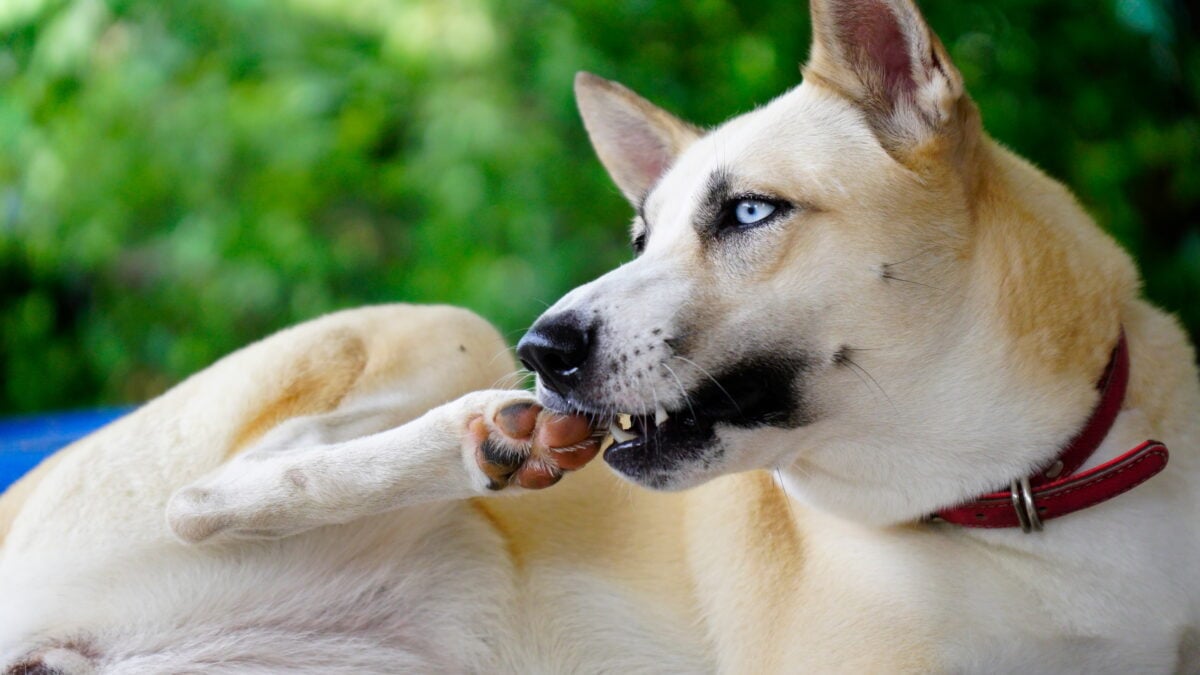
Have you ever caught your dog chewing on his toenails and wondered why he does it? It’s a strange habit that can make you worry about your furry friend’s health and comfort.
You might ask yourself if it’s normal or if something is wrong. Understanding why your dog chews his toenails is important—it could reveal hidden issues that need your attention. Keep reading to discover the surprising reasons behind this behavior and what you can do to help your dog feel better.
Credit: www.caninejournal.com
Reasons Dogs Chew Toenails
Understanding why your dog chews his toenails can help you address the behavior effectively. Dogs don’t just chew their nails out of boredom; there are several reasons behind this habit. Let’s look at some common causes that might explain why your furry friend is nibbling on those nails.
Natural Grooming Behavior
Dogs naturally groom themselves, and chewing toenails can be part of this behavior. Just like cats lick their fur, dogs may chew nails to keep them clean and trimmed. However, if the chewing becomes excessive, it might signal a deeper issue.
Stress And Anxiety
Have you noticed your dog chewing nails more during thunderstorms or when you leave the house? Stress and anxiety can trigger this behavior as a way for dogs to soothe themselves. It’s similar to how some people bite their nails when nervous.
Allergies And Irritations
Allergies, whether environmental or food-related, can cause your dog’s paws to itch and become irritated. Chewing nails might be your dog’s way of trying to relieve that itch or discomfort. Look for redness, swelling, or any unusual smell around the paws as clues.
Infections And Pain
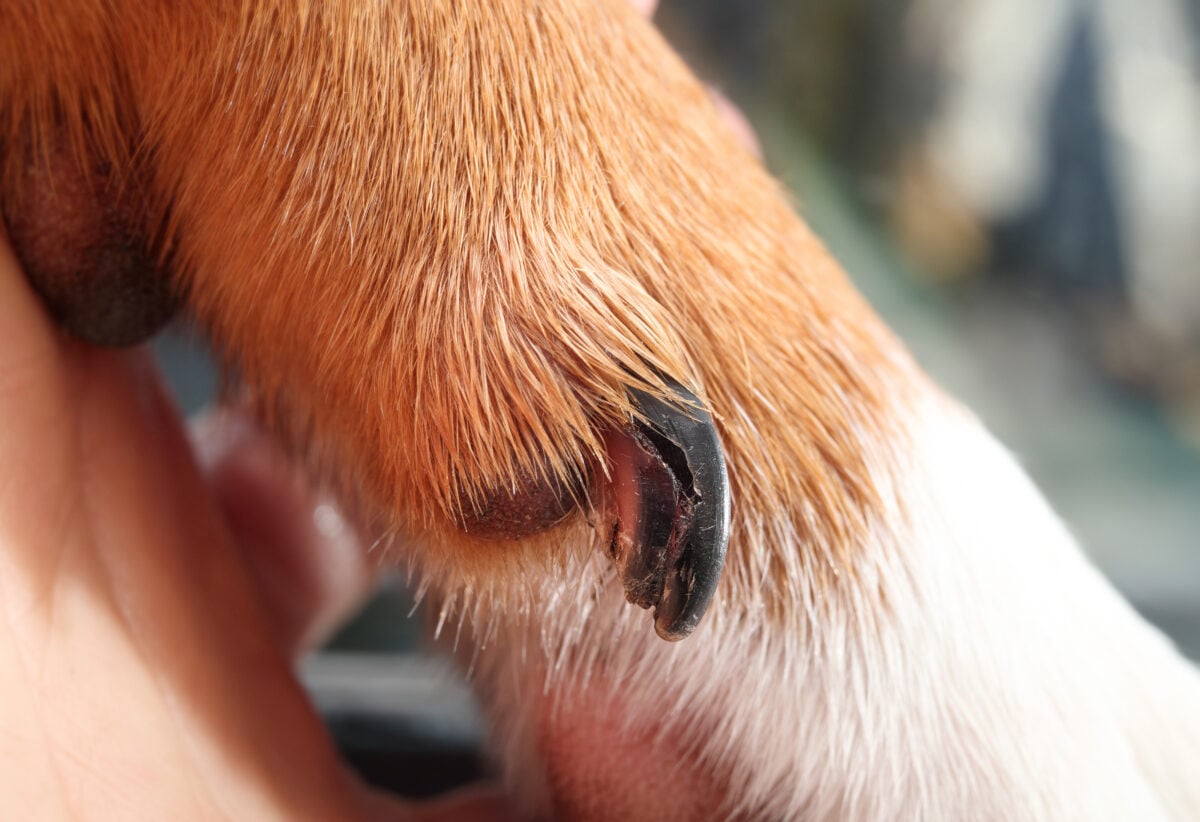
Sometimes, nail chewing signals an infection or pain in the paw area. A cracked nail or an ingrown toenail can be very uncomfortable, prompting your dog to chew at it. If you spot limping or swelling, a vet visit is necessary to rule out infection or injury.
Boredom And Lack Of Exercise
Dogs need mental and physical stimulation to stay healthy. If they don’t get enough exercise or playtime, they may chew their nails out of boredom. Try increasing your dog’s daily walks or introducing new toys to keep their minds and bodies active.
Credit: www.caninejournal.com
Signs Of Problematic Chewing
Not all nail chewing is harmless. It’s important to spot signs that your dog’s habit might indicate a deeper problem. Recognizing these signs early can help you address discomfort or health issues before they worsen.
Visible Redness And Swelling
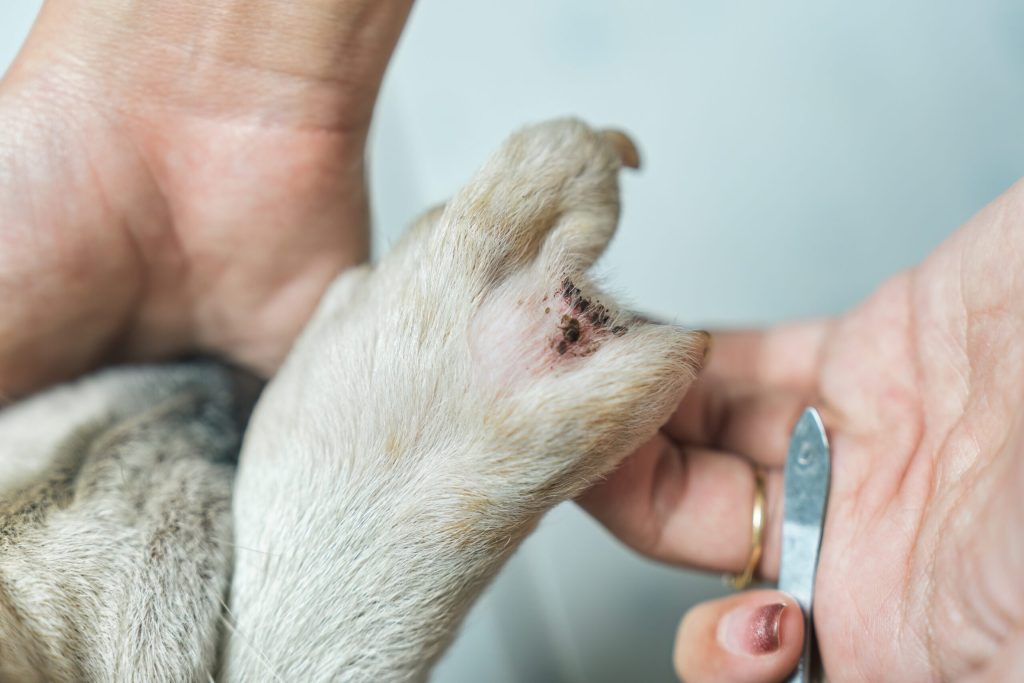
If your dog’s paws look red or swollen, it’s a clear warning sign. This could mean irritation or infection around the nails. Have you noticed your dog’s paws looking inflamed after chewing? That’s a signal to take a closer look.
Bleeding Or Discharge
Bleeding or any unusual discharge from the nails or surrounding skin is serious. It suggests that the chewing has caused injury or an infection. You don’t want to wait until the problem gets worse—bleeding is a sign to consult your vet promptly.
Limping Or Favoring Paws
Does your dog avoid putting weight on one paw or limp after chewing? This behavior points to pain or discomfort. Dogs hide pain well, so if you see limping, it’s a strong indication something is wrong with their paws.
Excessive Chewing Frequency
Chewing once in a while is normal, but constant, obsessive chewing is not. If your dog chews their toenails multiple times a day, it could mean allergies, anxiety, or a skin problem. Have you tracked how often your dog chews? Monitoring this can reveal if the behavior is becoming problematic.
How To Help Your Dog Stop
Seeing your dog chew his toenails can be worrying. To help your dog stop, you need to address both the physical and emotional causes behind this behavior. Here are practical steps you can take to ease this habit and keep your furry friend comfortable and happy.
Regular Nail Trimming
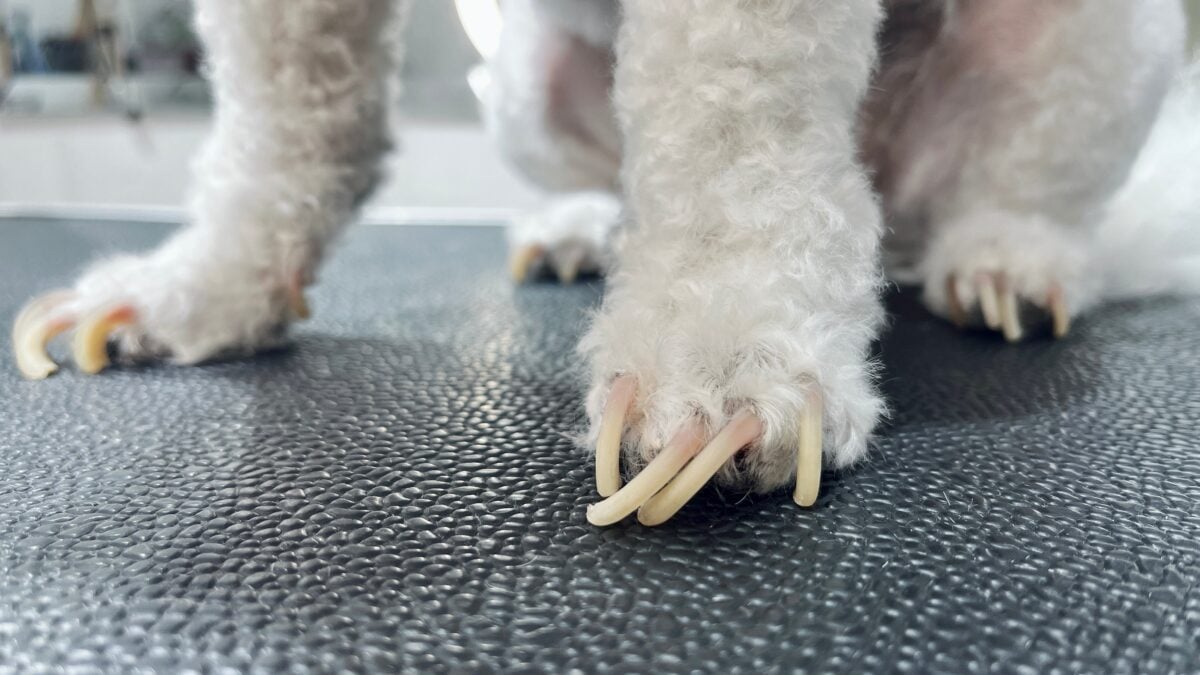
Keeping your dog's nails trimmed reduces discomfort that might cause chewing. Long nails can catch on surfaces or even hurt your dog’s paw, leading to irritation. Trim nails carefully every few weeks or have a professional groomer do it.
If your dog resists nail trimming, try offering treats and gentle praise to create a positive experience. You could also use nail grinders, which some dogs tolerate better than clippers.
Providing Mental And Physical Stimulation
Boredom often leads dogs to develop odd habits like nail chewing. Ensuring your dog has enough exercise and playtime can redirect their energy into healthier activities.
Try puzzle toys, training sessions, or new walks to keep your dog mentally and physically engaged. Have you noticed if your dog chews nails more on days with less activity?
Using Soothing Treatments
If your dog’s paws are itchy or irritated, soothing treatments can bring relief. Consider applying dog-safe balms or sprays designed to calm skin and reduce itching.
Adding a cool compress can also soothe inflamed paws. Always check with your vet before using new products to ensure safety.
Creating A Calm Environment
Stress often triggers nail chewing in dogs. Creating a calm and comforting space helps reduce anxiety and nervous habits.
Use calming aids like white noise, pheromone diffusers, or soft music during stressful times. Does your dog chew nails more when you leave the house or during loud noises?
When To See A Veterinarian
Dogs often chew their toenails for many reasons. Sometimes, this behavior is harmless. Other times, it signals an underlying problem. Knowing when to see a veterinarian protects your dog’s health. Early action can prevent pain and infection. Watch your dog carefully and trust your instincts.
Persistent Chewing Despite Care
Dogs may chew nails due to boredom or stress. If chewing continues after trimming and exercise, seek help. Constant chewing can damage skin and nails. A vet can find hidden causes and suggest treatments. Don’t ignore ongoing nail chewing; it may worsen.
Signs Of Infection Or Injury
Look for redness, swelling, or discharge around nails. Limping or favoring a paw also signals trouble. Your dog might lick or bite more in these spots. Infection or injury requires prompt veterinary attention. Early care stops infections from spreading and causing pain.
Behavioral Changes
Changes in mood or activity often accompany health issues. If your dog seems anxious, restless, or withdrawn, watch nail chewing. This may be a sign of discomfort or stress. A vet can assess behavior and suggest solutions. Behavioral shifts combined with nail chewing need evaluation.
Allergy Testing And Treatment
Allergies can cause itching, prompting dogs to chew nails. Food, pollen, or fleas may trigger allergic reactions. A vet can perform allergy testing to find triggers. Treatment might include diet changes or medication. Managing allergies can reduce nail chewing and improve comfort.
Preventive Measures For Healthy Paws
Taking care of your dog’s paws is essential to stop toenail chewing. Healthy paws keep your dog happy and comfortable. Preventive steps help avoid infections and pain. These simple actions protect your dog’s nails and skin.
Proper Nail Care Routine
Trim your dog’s nails regularly to prevent overgrowth. Use sharp, pet-safe nail clippers. Avoid cutting too close to the quick to stop pain and bleeding. Check nails weekly for cracks or splits. Keep nails smooth to reduce chewing urges.
Balanced Diet And Supplements
Feed your dog a diet rich in vitamins and minerals. Nutrients like biotin and omega-3 support nail health. Provide high-quality food to strengthen nails and skin. Consult your vet about supplements if nails remain weak.
Regular Exercise
Exercise keeps your dog’s paws strong and healthy. Walking on varied surfaces wears down nails naturally. Playtime helps reduce stress, a common cause of chewing. Aim for daily walks and active play sessions.
Monitoring For Early Symptoms
Watch for signs of discomfort or nail damage. Look for redness, swelling, or unusual nail color. Early detection helps prevent serious problems. Visit the vet if you notice persistent chewing or pain.
Credit: www.caninejournal.com
Frequently Asked Questions
Why Do Dogs Chew Their Toenails?
Dogs chew their toenails to relieve discomfort or irritation. It can also be a sign of anxiety or boredom. Regular grooming, including nail trimming, can help prevent this behavior. If you notice excessive chewing, consult your vet to rule out medical issues like allergies or infections.
Is Nail Chewing A Sign Of Anxiety In Dogs?
Yes, nail chewing can indicate anxiety or stress. Dogs might chew their nails when they’re nervous or uncomfortable. Providing mental stimulation and physical exercise can reduce anxiety. If the behavior persists, consider consulting a veterinarian or a professional dog behaviorist for guidance.
How Can I Stop My Dog From Chewing Nails?
Regular grooming and nail trimming can help prevent nail chewing. Providing chew toys and engaging activities also distracts your dog from this habit. If the behavior continues, consult a vet to rule out medical issues. Behavioral training can also be beneficial in curbing this habit.
Can Nail Chewing Harm My Dog?
Yes, excessive nail chewing can lead to infections or pain. It can cause damage to the nails and surrounding skin. If left untreated, it might result in bleeding or secondary infections. Regularly check your dog’s paws and consult a vet if you notice any abnormalities.
Conclusion
Dogs chew their toenails for many reasons. It might be boredom, stress, or a health problem. Watching your dog closely helps spot any changes. Regular nail care keeps your dog comfortable and happy. If chewing gets worse, ask a vet for advice.
Understanding your dog’s behavior builds a stronger bond. Taking simple steps improves their health and well-being. Keep your dog safe and loved every day.

Emily Barker is the founder of ChillDogLife.com, a space dedicated to helping pup parents discover the best dog products, lifestyle tips, and cozy ideas for happier homes.
A lifelong dog lover, Emily combines her passion for pets with a knack for research to share trusted recommendations on everything from toys and furniture to health and everyday care.
Her goal is simple: to make life easier, stylish, and more joyful for dogs and the people who love them.




