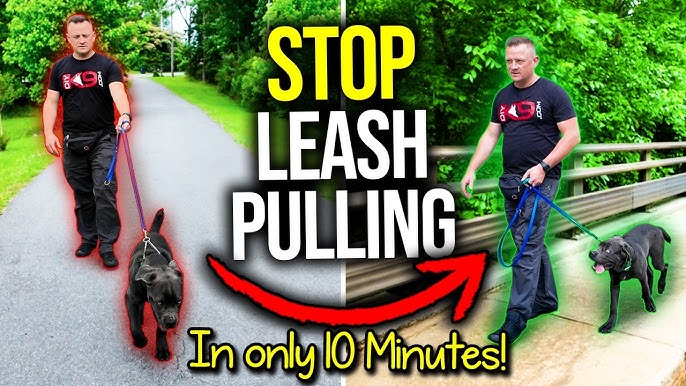
Is your daily walk with your dog feeling more like a tug-of-war? You’re not alone.
When your dog pulls on the leash, it can turn a simple stroll into a frustrating battle. But what if you could enjoy calm, pleasant walks where your dog stays by your side? You’ll discover easy, effective ways to stop your dog from pulling the leash.
By the end, you’ll have the tools to make every walk something you both look forward to. Keep reading—you’re just a few steps away from stress-free walks with your furry friend.

Credit: www.youtube.com
Why Dogs Pull On Leash
Understanding why dogs pull on the leash can change how you approach walks and training. It’s not just a bad habit; it’s often rooted in natural behavior and communication. By recognizing the reasons behind leash pulling, you can find better ways to guide your dog toward calmer, more enjoyable walks.
Natural Instincts
Dogs are wired to explore their surroundings, and pulling on the leash is often a way to satisfy their curiosity. Their strong prey drive or herding instincts can make them want to move faster or chase after scents and sights. Have you noticed how some breeds, like huskies or terriers, seem especially eager to lead the way? That’s nature at work, not just disobedience.
Lack Of Training
Many dogs pull simply because they haven’t learned a better way to walk on a leash. Without clear guidance, they see pulling as the only option to move forward. Consistent training helps your dog understand what behavior you expect, making walks more peaceful for both of you. Have you tried rewarding your dog for walking beside you rather than pulling ahead?
Excitement And Distractions
Think about how you feel when you’re excited or distracted — you might rush or lose focus. Dogs experience this too, especially when they spot other dogs, people, or interesting smells. Pulling becomes their way of expressing excitement or trying to reach those distractions faster. How can you help your dog stay calm and attentive despite all the stimuli around?
Choosing The Right Equipment
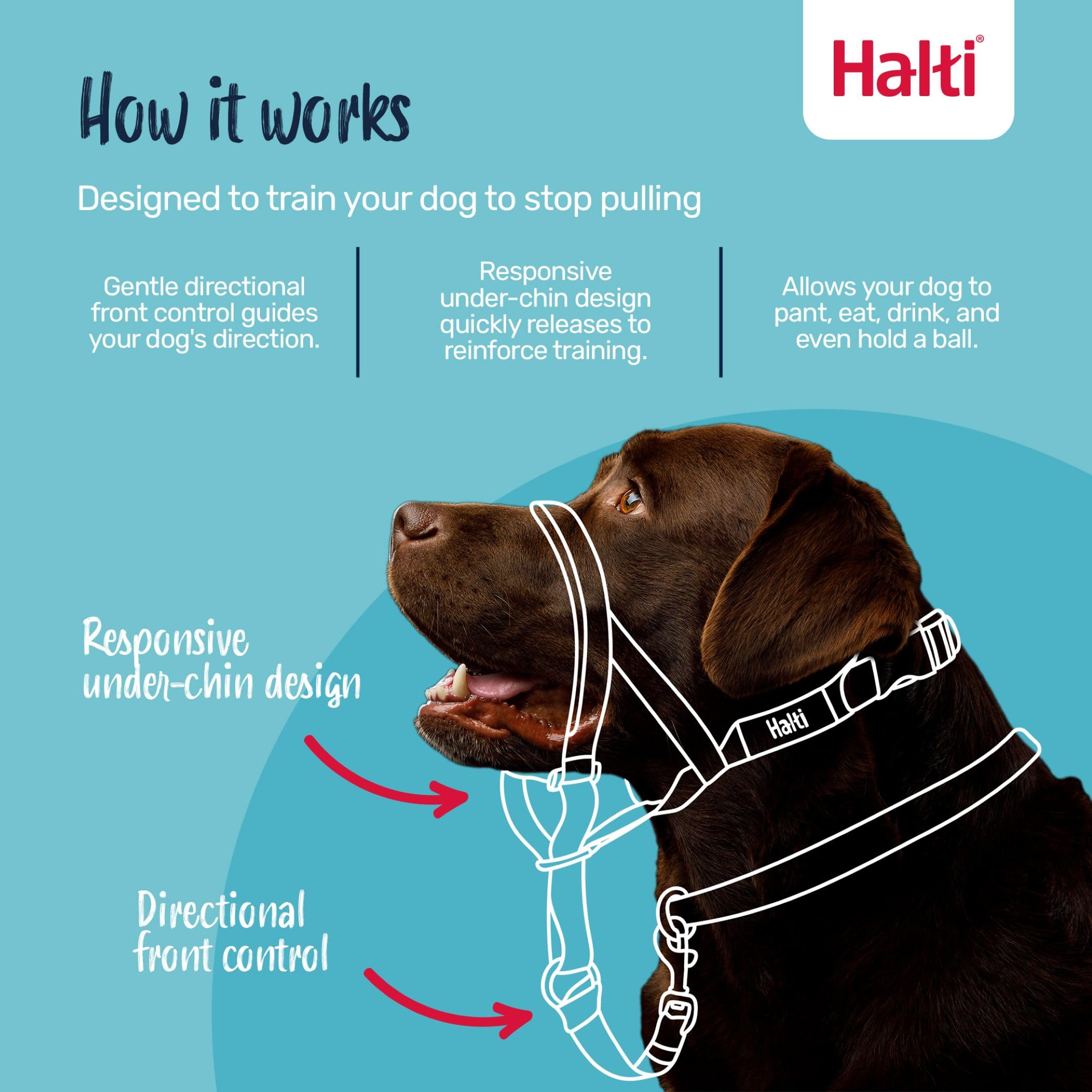
Choosing the right equipment plays a key role in teaching your dog to walk calmly. Proper gear can reduce pulling and make walks more enjoyable. It is important to pick tools that fit well and suit your dog’s needs.
Harness Vs Collar
Harnesses spread pressure over the chest and shoulders. This reduces strain on the neck. They work well for dogs that pull hard or have breathing problems.
Collars apply pressure around the neck. They are better for dogs that walk calmly. Avoid choke or prong collars as they can hurt your dog.
Choose a harness or collar based on your dog’s size, strength, and behavior.
Leash Types
- Standard Leash:Usually 4 to 6 feet long, offering good control.
- Retractable Leash:Gives more freedom but less control, not ideal for training.
- Training Leash:Longer leashes used in training sessions to teach recall and loose leash walking.
- Chain Leash:Durable but heavy, not suitable for small dogs.
Pick a leash that feels comfortable and gives you control over your dog’s movements.
Safety Considerations
Check all equipment for strong, secure clips and stitching. Weak gear can break and cause accidents.
Ensure the harness or collar fits snugly but not too tight. You should fit two fingers under it comfortably.
Reflective materials or lights improve visibility during night walks. This helps keep you and your dog safe.
Regularly inspect gear for wear and replace it if damaged.
Basic Training Techniques
Basic training techniques lay the foundation for teaching your dog to walk calmly beside you. These methods require patience and clear communication. When you apply them consistently, you’ll see your dog’s behavior improve steadily.
Teaching Loose Leash Walking
Loose leash walking means your dog stays close without pulling ahead. Start by keeping the leash short but slack, and stop walking the moment your dog pulls. This teaches your dog that pulling won’t get them where they want to go.
Try changing directions frequently. If your dog pulls, turn around and walk the other way. This keeps your dog focused on you instead of rushing forward.
Using Treats And Rewards
Positive reinforcement speeds up learning. Carry small, tasty treats and reward your dog the instant they walk beside you without tension on the leash. This makes your dog want to repeat the good behavior.
Remember to reward often at first, then gradually space out the treats as your dog improves. You can also use praise or a favorite toy as a reward to keep things interesting.
Consistent Commands
Using clear, consistent commands helps your dog understand what you expect. Choose simple words like “heel,” “slow,” or “stop,” and use them every time you want your dog to adjust their pace.
Consistency means everyone who walks your dog uses the same commands. Mixed messages confuse your dog and slow progress. Have you noticed how your dog reacts differently to different commands from family members?
Credit: www.amazon.com
Advanced Training Methods
Advanced training methods help refine your dog’s walking skills. These techniques build on basic commands and encourage better leash manners. Patience and consistency play a big role in success. Using these methods can make walks more enjoyable and stress-free for both of you.
Stop And Go Technique
This technique uses movement to teach your dog to pay attention to you. When your dog pulls, stop walking immediately. Stand still and wait until the leash loosens. Once the leash is slack, start walking again. Your dog learns that pulling stops the walk. This method teaches patience and control during walks.
Changing Direction
Changing direction keeps your dog focused on you. When your dog pulls, turn and walk the opposite way. Do this calmly but firmly. This surprises your dog and makes pulling less rewarding. It teaches your dog to follow your lead. Over time, your dog learns to walk beside you without pulling.
Using Clicker Training
Clicker training uses a small device to mark good behavior. Click and reward your dog when the leash is loose. This helps your dog understand what you want. The click sound signals a positive moment. Repeat this often to strengthen good walking habits. Clicker training makes learning clear and fun for your dog.
Common Mistakes To Avoid
Stopping your dog from pulling the leash takes more than just effort—it requires avoiding common mistakes that can make the problem worse. Many owners unknowingly reinforce pulling by using techniques that seem logical but actually confuse the dog. Recognizing what not to do can save you time and frustration.
Pulling Back On Leash
Pulling back on the leash might feel like a natural reaction to control your dog, but it often backfires. When you tug the leash harshly, your dog may see it as a game or a challenge, encouraging more pulling.
Instead, try to keep the leash loose and use gentle guidance. Have you noticed how your dog reacts when you stop walking and wait calmly? That pause can teach your dog that pulling doesn’t get them anywhere.
Inconsistent Training
Consistency is key in leash training. If you sometimes allow pulling and other times don’t, your dog will get mixed signals.
Stick to the same rules every walk. Decide when pulling is not okay and enforce it every time. Think about how confusing it would be if your commands changed daily—your dog feels the same way.
Lack Of Patience
Leash training doesn’t happen overnight. Many owners give up too soon because their dog doesn’t improve immediately.
Patience is your best tool. Celebrate small wins and keep sessions short but regular. Have you tried breaking training into 5-minute intervals? It can make the process less overwhelming for both of you.
Building Positive Walking Habits
Building positive walking habits helps your dog enjoy walks calmly. Good habits reduce pulling and make walks safer. Patience and consistency create lasting change in behavior.
Regular Practice Sessions
Short, frequent walks teach your dog to stay calm. Practice in a quiet area with few distractions. Use treats and praise to reward walking beside you. Keep sessions fun and end on a positive note.
Varying Walking Routes
Change routes to keep your dog interested and alert. New sights and smells provide mental stimulation. This focus helps reduce pulling from excitement or boredom. Varying paths also builds your dog’s confidence.
Socializing With Other Dogs
Meeting other dogs teaches good leash manners. Calm, friendly interactions reduce anxiety and pulling. Observe your dog’s reactions to avoid stress. Socializing makes walks more enjoyable and less tense.
When To Seek Professional Help
Knowing when to seek professional help is key in stopping your dog from pulling the leash. Some behaviors are too hard to fix alone. Professionals can offer guidance tailored to your dog’s needs. Recognizing the right time helps avoid frustration and keeps walks safe and fun.
Identifying Behavior Issues
Pulling can be more than just excitement. Look for signs like aggression, anxiety, or extreme stubbornness. These issues can make leash training difficult. If your dog snaps, growls, or lunges, professional help is important. Sudden changes in behavior also call for expert advice.
Choosing A Trainer
Pick a trainer with experience in leash training and behavior problems. Ask about their methods and success stories. Positive reinforcement trainers are usually best for lasting results. Check reviews and get recommendations from other dog owners. A good trainer understands your dog’s breed and personality.
What To Expect
Training sessions often start with an assessment of your dog’s behavior. The trainer will show you techniques to use at home. Progress takes time, so patience is crucial. Expect to practice regularly and follow the trainer’s advice closely. Results improve with consistency and clear communication.

Credit: pupford.com
Frequently Asked Questions
How Can I Stop My Dog From Pulling The Leash?
Use consistent training with positive reinforcement. Teach your dog to walk beside you. Use treats to reward good leash behavior and stop walking when pulling occurs.
Why Does My Dog Pull So Much On Walks?
Dogs pull due to excitement, curiosity, or lack of leash training. They want to explore or lead the walk. Consistent training helps reduce pulling over time.
What Is The Best Leash For Stopping Pulling?
A front-clip harness or no-pull harness works best. These tools discourage pulling by redirecting your dog’s movement. Avoid choke or prong collars for safety.
How Long Does It Take To Train Leash Pulling?
Training time varies by dog but usually takes weeks. Consistency and patience are key. Daily short training sessions accelerate progress and improve leash manners.
Conclusion
Training a dog to stop pulling the leash takes patience. Consistent practice helps them learn better habits. Start with short walks to build good behavior. Use treats to reward positive actions. Keep the leash short but comfortable. Always stay calm and consistent.
Dogs respond well to positive reinforcement. Over time, they’ll walk calmly by your side. Enjoy your walks more with a well-trained dog. Happy walking!

Emily Barker is the founder of ChillDogLife.com, a space dedicated to helping pup parents discover the best dog products, lifestyle tips, and cozy ideas for happier homes.
A lifelong dog lover, Emily combines her passion for pets with a knack for research to share trusted recommendations on everything from toys and furniture to health and everyday care.
Her goal is simple: to make life easier, stylish, and more joyful for dogs and the people who love them.




