
Is your dog constantly barking in their crate, leaving you frustrated and unsure of what to do? You’re not alone.
Barking can be stressful for both you and your furry friend, but the good news is that you can stop it. Understanding why your dog barks in the crate is the first step to finding a solution that works. You’ll discover simple, effective techniques to calm your dog and create a peaceful crate time.
Keep reading, because the quiet, happy moments you want with your dog are closer than you think.
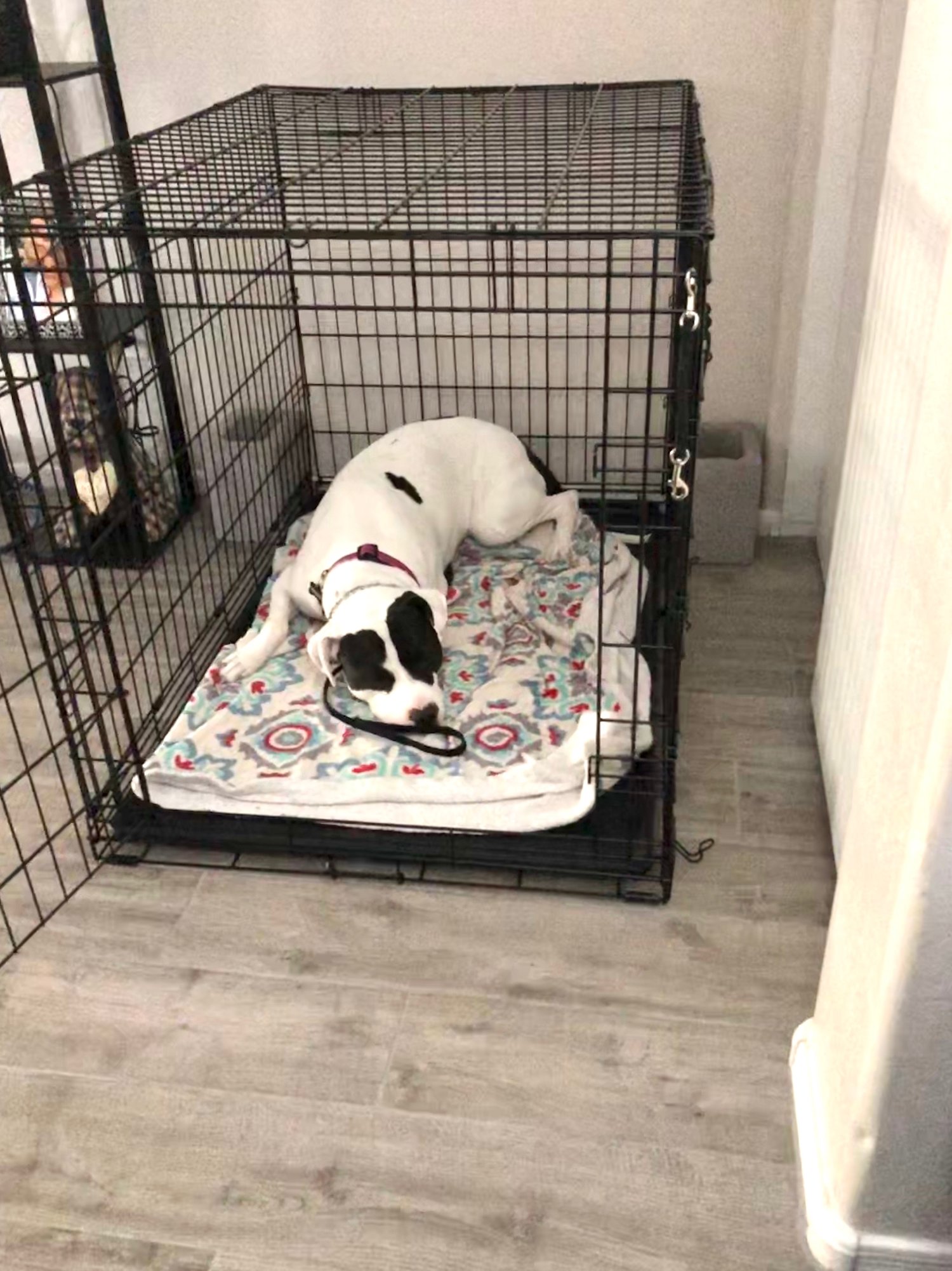
Credit: www.sadiesrulesk9training.com
Reasons Dogs Bark In Crates
Dogs often bark in crates due to boredom, fear, or needing attention. Understanding these reasons helps reduce barking and make crate time calm. Consistent training and comfort inside the crate encourage quiet behavior.
Understanding why your dog barks in a crate is the first step to finding a solution. Dogs use barking as a form of communication, and each bark can have a different meaning. By pinpointing the root cause, you can address the issue more effectively and create a more peaceful environment for both you and your furry friend.Separation Anxiety
Separation anxiety is a common issue for many dogs, especially when they are left alone. Dogs are social animals and can become stressed if they feel isolated. If your dog barks excessively when crated, it might be expressing fear of being left alone. You might notice your dog becomes anxious as soon as you prepare to leave. Addressing separation anxiety involves gradually getting your dog used to being alone. Try leaving your dog in the crate for short periods and gradually increase the time as your dog becomes more comfortable.Boredom And Lack Of Stimulation
A dog with nothing to do will often bark out of sheer boredom. Crates can feel restrictive, and if your dog lacks mental or physical stimulation, it might express frustration vocally. Consider the last time your dog had a good play session. Ensuring your dog gets plenty of exercise and playtime can reduce boredom. Introduce toys or puzzle feeders in the crate to keep your dog entertained.Discomfort And Fear
Sometimes a dog barks because the crate is uncomfortable or frightening. The crate should be a safe and cozy space for your dog, not a source of stress. Check if the crate is too small, too hot, or too cold. Make sure the crate is inviting with soft bedding and a familiar scent. If your dog seems scared, try placing the crate in a quieter location or covering it partially with a blanket to create a den-like atmosphere.Attention-seeking Behavior
Dogs are clever and quickly learn how to get your attention. If your dog barks in the crate and you immediately respond, it might think barking is a way to get you to come back. Reflect on how you react when your dog barks. Consistently rewarding quiet behavior by offering treats or praise when your dog is calm can help. Ignoring the barking may feel tough, but it teaches your dog that silence leads to positive outcomes. Understanding why your dog barks in a crate helps you take actionable steps to address the problem. Next time your dog barks, pause and ask yourself: what is it trying to communicate?Preparing The Crate Environment
Preparing the crate environment is key to helping your dog feel secure and calm inside. A well-thought-out space reduces anxiety and the urge to bark. It’s not just about putting your dog in a box; it’s about creating a welcoming area that meets their needs and comforts them.
Choosing The Right Crate Size
The crate should be just big enough for your dog to stand, turn around, and lie down comfortably. Too large, and your dog might use one corner as a bathroom, which defeats the purpose. Too small, and it becomes uncomfortable and stressful.
Think about your dog’s current size and their potential growth if they’re still a puppy. Adjustable crates can be a great option here, saving you the hassle of buying new ones as your dog grows.
Creating A Comfortable Space
Comfort is more than just space. Adding a soft bed or blanket can make a big difference in how your dog feels. The material should be washable and durable, as crate bedding can get dirty quickly.
Consider placing the crate in a quiet corner, away from direct sunlight or drafts. Have you noticed how your dog reacts to certain noises or areas in your home? Positioning the crate thoughtfully can help reduce stress and barking.
Using Toys And Chews
Toys and chews provide mental stimulation and help keep your dog busy while in the crate. Choose safe, durable options that your dog enjoys and won’t swallow. Interactive toys or puzzle feeders can also distract your dog and reduce barking out of boredom.
Rotate toys regularly to keep your dog interested. Have you ever seen your dog get excited about a new toy? Using this excitement can turn the crate into a positive place rather than a confinement.
Training Techniques To Reduce Barking
Training your dog to stop barking in the crate requires patience and the right techniques. The goal is to make the crate a safe, comfortable space where your dog feels secure without needing to bark for attention or out of anxiety. Here are some practical training methods that can help reduce barking effectively.
Gradual Crate Introduction
Start by introducing the crate slowly. Let your dog explore it freely without closing the door initially. Place treats or favorite toys inside to create a positive association.
Once your dog feels comfortable entering the crate, try closing the door for short periods while staying nearby. Gradually increase the time your dog spends inside with the door closed. This helps your dog adjust without feeling trapped or anxious.
Positive Reinforcement
Reward your dog for calm behavior in the crate. Use treats, praise, or petting to reinforce quiet moments. This helps your dog connect being calm with receiving rewards.
If your dog starts barking, wait for a brief pause before giving a reward. This teaches your dog that silence gets attention, not barking. Have you noticed your dog responds well to certain treats or words? Use those to boost effectiveness.
Establishing A Consistent Routine
Consistency reduces stress and helps your dog know what to expect. Set regular times for crate sessions, feeding, and walks. Dogs thrive on routine and are less likely to bark out of confusion or boredom.
Make crate time part of your daily schedule, not a punishment. This steady routine builds trust and decreases barking over time. Could your schedule use more structure to support your dog’s training?
Calm-down Strategies During Barking
Managing your dog’s barking in the crate can be challenging, but calm-down strategies help you regain control without raising tension. These approaches focus on reducing your dog’s anxiety and redirecting their energy into quieter behavior. With patience and consistency, you can create a peaceful crate environment that both you and your dog appreciate.
Ignoring Attention-seeking Barks
When your dog barks to get your attention, responding can unintentionally reinforce the behavior. Try to stay calm and avoid looking at or speaking to your dog during these episodes. Over time, your dog will learn that barking doesn’t bring the attention they want.
This strategy requires patience, especially if your dog is persistent. Have you noticed how some dogs bark louder or longer when ignored? That’s a test of your consistency. Remember, rewarding silence is key, not rewarding noise.
Using Commands To Quiet
Teaching a clear “quiet” command can help you stop barking quickly and respectfully. Start by waiting for a pause in barking, then say “quiet” in a calm, firm voice and reward your dog with a treat or praise. Repeat this often so your dog connects the command with stopping barking.
Consistency is essential here. Are you ready to practice the command several times daily? The more you use it, the faster your dog will understand. Keep training sessions short and positive to maintain your dog’s interest.
Employing Calming Aids
Calming aids like pheromone diffusers, anxiety wraps, or natural supplements can reduce stress that triggers barking. These tools don’t replace training but support your efforts by helping your dog feel more relaxed in the crate.
Have you tried using calming aids during crate time? Many dog owners report quieter crates when they add these aids. Always check with your vet before introducing supplements or products to ensure they’re safe for your dog.
Addressing Underlying Issues
When your dog barks nonstop in the crate, it’s often a sign that something deeper is bothering them. Addressing these underlying issues can stop the barking at its root, making crate time more peaceful for both of you. Understanding what’s driving your dog’s behavior helps you respond in ways that truly comfort and calm them.
Managing Separation Anxiety
Separation anxiety is a common reason dogs bark in their crate. They feel stressed and scared when left alone. You can help by gradually getting your dog used to being alone for short periods and rewarding calm behavior.
Try leaving a piece of your clothing in the crate—it carries your scent and can soothe your dog. Also, avoid making a big deal when you leave or return home; this reduces the emotional spikes that fuel anxiety.
Increasing Physical And Mental Exercise
Sometimes barking comes from boredom or excess energy. Dogs that don’t get enough exercise have pent-up energy that bursts out as noise. Adding more walks, playtime, or puzzle toys can tire your dog out and reduce barking.
Think about your dog’s breed and age when planning activities. A young Labrador needs more exercise than a small older dog. Can you add a quick game or a training session before crate time to help your dog relax?
Consulting A Professional Trainer
If barking persists despite your efforts, a professional trainer can offer personalized advice. Trainers observe your dog’s behavior and environment to identify triggers you might miss. They provide specific techniques tailored to your dog’s needs.
Working with a trainer can also boost your confidence in handling barking. Would you consider a trainer’s help if it means creating a calm and happy space for your dog?
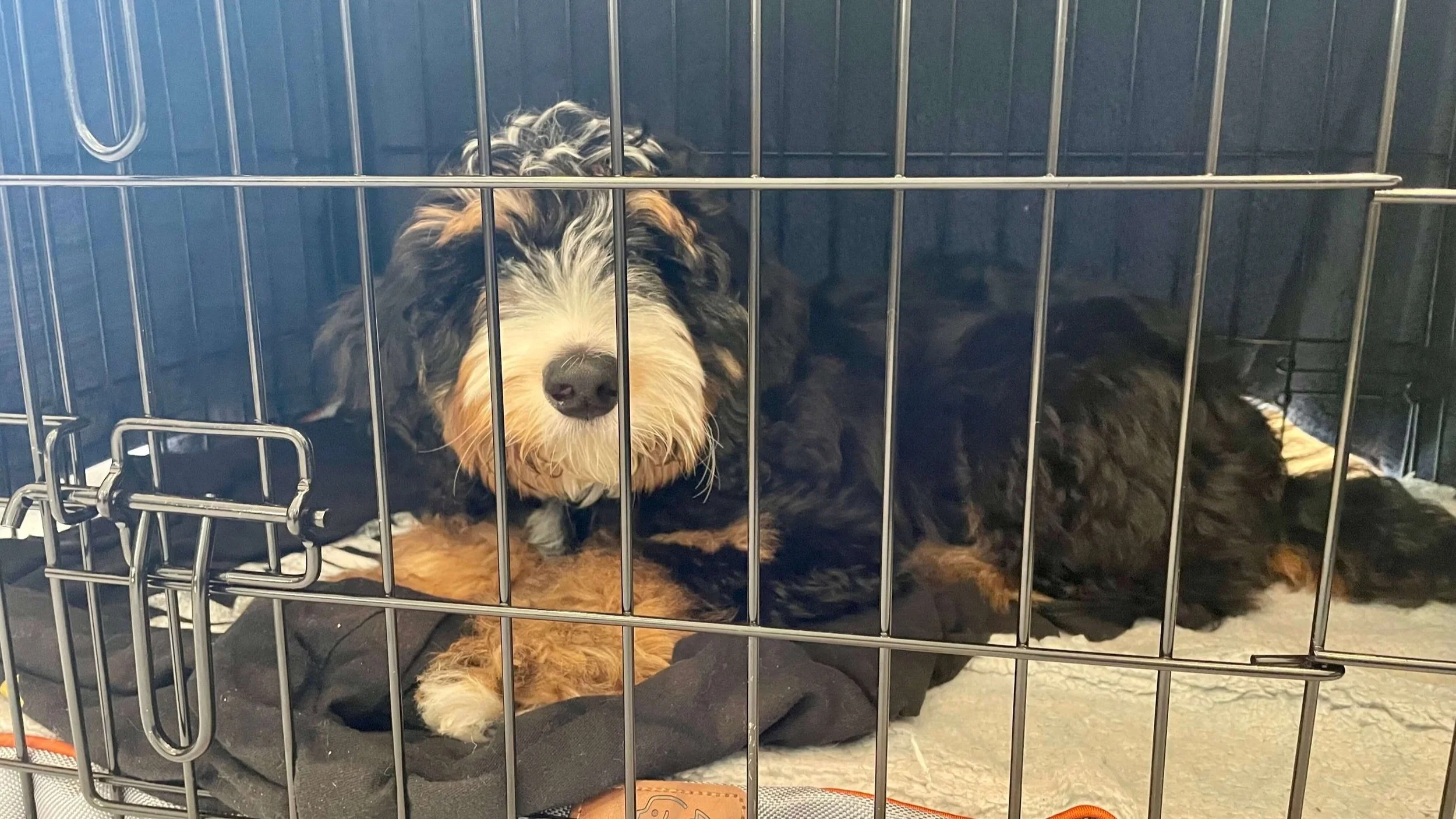
Credit: www.dogsavvylosangeles.com
Preventing Future Barking Problems
Stopping your dog from barking in the crate is just the beginning. Preventing future barking problems ensures a peaceful environment for both you and your pet. It requires ongoing attention and thoughtful habits that support your dog’s comfort and confidence inside the crate.
Maintaining Consistency
Consistency is key to preventing barking from returning. Stick to the same crate routine every day, including feeding, playtime, and crate time. Dogs thrive on predictability, so sudden changes can trigger anxiety and barking.
Use the same commands and positive reinforcement to signal when it’s time to enter the crate. Avoid letting your dog out when they are barking, or you may unintentionally reward that behavior. Instead, wait for quiet moments before opening the door.
Monitoring Progress And Adjusting Methods
Keep a close eye on how your dog responds to crate time over weeks and months. Are they calm and relaxed, or still restless and vocal? Tracking these signs will help you spot early warning signs of stress or boredom.
If barking returns or worsens, consider adjusting your approach. You might need to increase exercise before crate time or add more enriching toys inside. Have you tried short crate sessions during different times of the day to reduce buildup of energy?
Building A Strong Dog-owner Bond
A strong bond with your dog reduces anxiety and unwanted barking. Spend quality time outside the crate every day, engaging in activities your dog enjoys. Play, training, and gentle petting build trust and confidence.
Remember, your dog looks to you for security. How often do you check in with your dog during crate time, even if just with a soft word or touch? Small gestures like these can reassure your dog they’re safe and loved, cutting down on barking caused by separation worries.
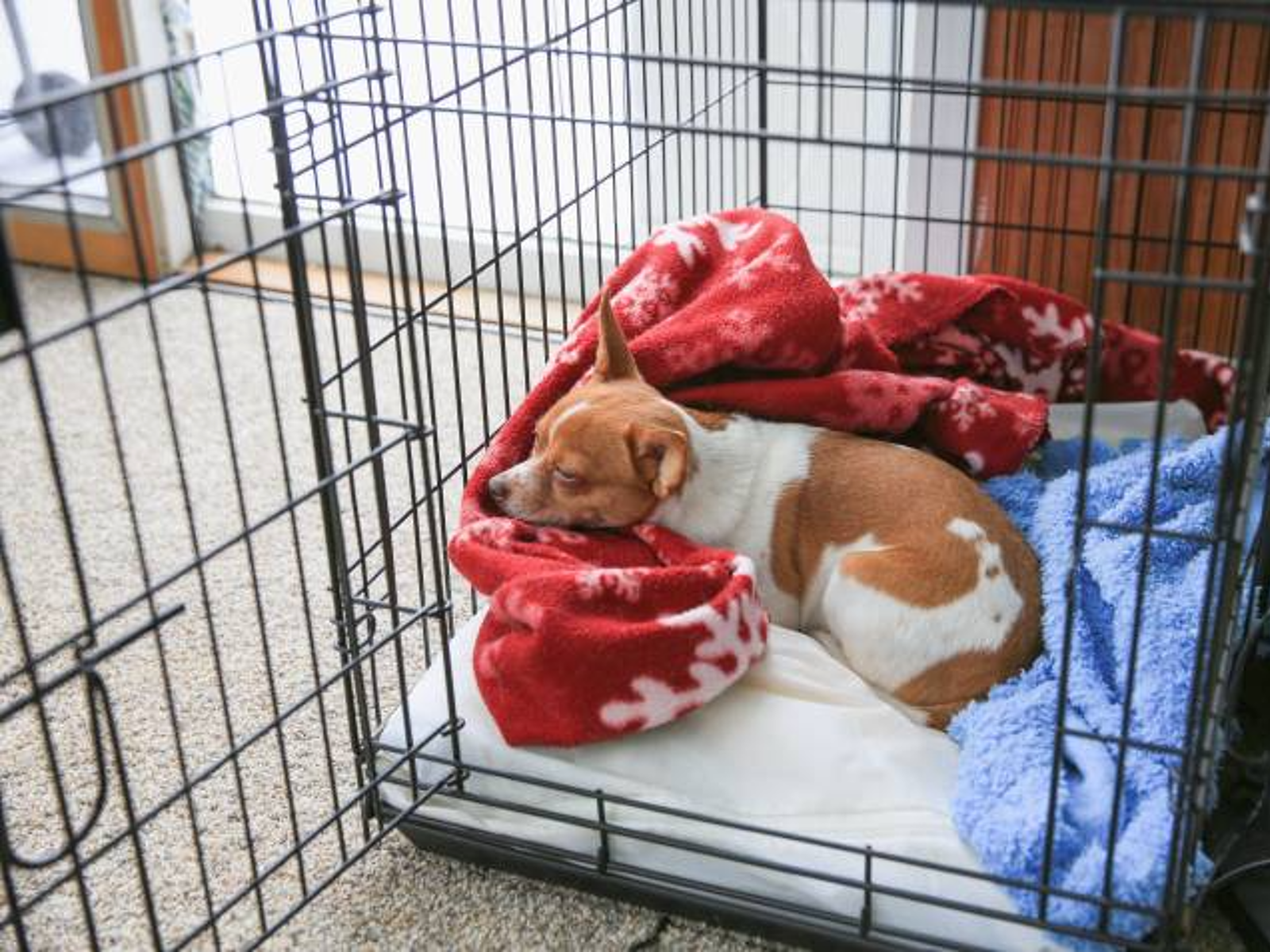
Credit: www.airtasker.com
Frequently Asked Questions
How Can I Stop My Dog Barking In The Crate?
To stop barking, ensure your dog feels safe and comfortable in the crate. Use positive reinforcement and gradual crate training. Provide toys and avoid leaving your dog alone for too long.
Why Does My Dog Bark Loudly In The Crate?
Dogs often bark in crates due to anxiety, boredom, or needing attention. Barking may also signal discomfort or a need to relieve themselves.
What Are Effective Crate Training Tips For Barking Dogs?
Start with short crate sessions and reward calm behavior. Gradually increase crate time and use treats to create positive associations. Avoid punishing barking.
Can Exercise Reduce Barking In A Crate?
Yes, regular exercise helps release energy and reduces anxiety. A tired dog is less likely to bark excessively in their crate.
Conclusion
Stopping your dog from barking in the crate takes time and patience. Consistent training helps your dog feel safe and calm. Use treats and gentle praise to encourage quiet behavior. Avoid punishment, as it can make barking worse. Create a cozy space inside the crate for comfort.
Gradually increase crate time to build trust. Remember, every dog learns at their own pace. Stay calm and positive throughout the process. Quiet moments will grow with your care and effort. Your dog will soon enjoy peaceful crate time.

Emily Barker is the founder of ChillDogLife.com, a space dedicated to helping pup parents discover the best dog products, lifestyle tips, and cozy ideas for happier homes.
A lifelong dog lover, Emily combines her passion for pets with a knack for research to share trusted recommendations on everything from toys and furniture to health and everyday care.
Her goal is simple: to make life easier, stylish, and more joyful for dogs and the people who love them.




