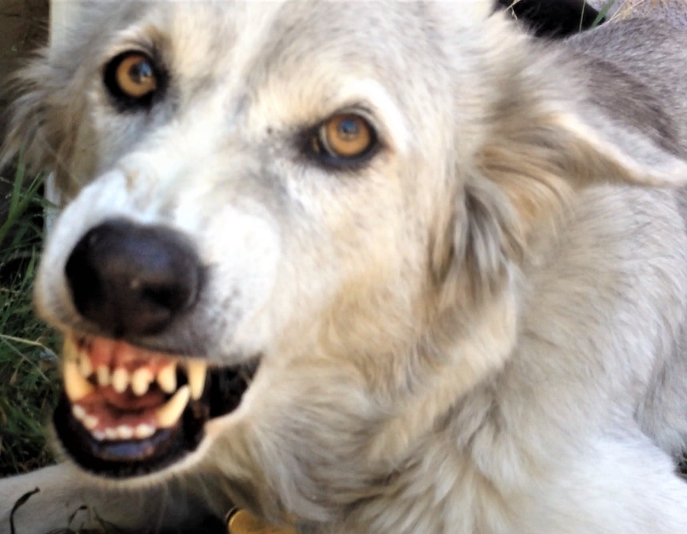
Have you ever been startled awake by your dog’s low growl in the middle of the night? It can feel confusing and even a little scary when your loyal friend suddenly seems upset or uneasy.
You might wonder, “Why does my dog growl at me at night? ” Understanding this behavior is important—not just for your peace of mind, but to strengthen the bond with your pet. You’ll discover the surprising reasons behind your dog’s nighttime growling and learn simple steps to help both of you feel safe and calm.
Keep reading to uncover what your dog is really trying to tell you.
Common Reasons For Night Growling
Nighttime growling from your dog can feel unsettling, especially when you don’t understand the cause. Several common reasons might explain why your dog growls at night, ranging from emotional responses to physical issues. Recognizing these reasons can help you respond appropriately and strengthen your bond with your furry friend.
Fear And Anxiety
Dogs can experience fear or anxiety at night just like humans. Strange sounds, shadows, or unfamiliar scents might make your dog feel uneasy and trigger growling as a warning. Have you noticed if your dog is more restless or panting before the growling starts? Addressing these signs early with calm reassurance or a comforting routine can ease their nighttime stress.
Protective Instincts
Your dog might growl at night out of a desire to protect you or their territory. Nighttime can feel more vulnerable to them, especially if they hear noises outside or sense unfamiliar presences. Think about whether your dog is close to you when growling happens—are they acting like a guard? Helping your dog feel safe with a secure sleeping space can reduce these protective behaviors.
Pain Or Discomfort
Sometimes growling is a signal that your dog is in pain or discomfort. This might not always be obvious during the day but could worsen at night when they settle down. If your dog growls when you touch a certain spot or moves stiffly, it’s worth checking for injury or illness. Consulting your vet can pinpoint health issues that cause nighttime irritability.
Territorial Behavior
Dogs often see their sleeping area as their territory, and growling might be a way to defend this space from perceived threats. This behavior can be more pronounced if other pets or new people are around. Have you introduced any changes in the household recently? Respecting your dog’s boundaries and offering positive interactions near their space can help reduce territorial growling.
Credit: pethelpful.com
How Nighttime Affects Dog Behavior
Nighttime brings changes that affect your dog's behavior. Darkness changes how your dog senses the world. Quiet surroundings make your dog more alert. Routines often shift at night, which can confuse or unsettle dogs.
Sensory Changes In The Dark
Dogs rely on their senses to understand their environment. At night, vision is limited, so dogs depend more on hearing and smell. Sounds seem louder and smells stronger. These changes make dogs cautious or nervous.
Increased Alertness
Nighttime is quiet and still. This silence makes dogs more aware of small noises. They may hear sounds you cannot. This heightened alertness can cause growling as a warning.
Changes In Routine
Night often means a different schedule. Your dog may expect walks or playtime during the day. When routines change, dogs can feel uneasy. This stress can lead to growling or other behaviors.
Health Issues That Cause Growling
Growling at night might signal health problems in your dog. Pain or discomfort often makes dogs uneasy and vocal. Understanding health issues helps you care for your dog better. Here are some common health causes of growling.
Dental Problems
Tooth pain can cause a dog to growl. Infections or broken teeth hurt, especially at night. Your dog may not want you to touch their mouth. Watch for bad breath or difficulty eating.
Arthritis And Joint Pain
Arthritis makes movement painful for dogs. Joints stiffen and ache, causing irritability. Nighttime stiffness can make your dog restless. Growling can be a sign of discomfort or fear.
Neurological Conditions
Brain or nerve problems affect behavior and mood. Dogs with neurological issues may feel confused or scared. Growling can happen due to sudden pain or disorientation. These conditions need quick veterinary attention.

Credit: www.dwdogtraining.com
Emotional Triggers For Night Growling
Dogs use growling to express feelings. Nighttime growling often links to emotions. These feelings can cause your dog to feel uneasy or threatened. Understanding emotional triggers helps you comfort your dog better. It also improves your bond and trust.
Stress From Environment
Changes in the home can stress dogs. Loud noises outside, like sirens or fireworks, can scare them. New furniture or visitors may also cause stress. At night, these changes feel bigger to dogs. Stress can make them growl to show discomfort or fear.
Separation Anxiety
Some dogs feel lonely or scared when left alone. Nighttime can be hardest because owners sleep or leave the room. Dogs with separation anxiety may growl to express this fear. They want attention or comfort but don’t know how to ask. This growling shows their need for reassurance.
Past Trauma
Dogs remember bad experiences for a long time. Past trauma may cause fear of certain sounds or places. At night, strange noises can remind them of danger. Growling acts as a warning to stay away. Understanding this helps you avoid triggers and soothe your dog.
How To Respond To Night Growling
Responding to your dog’s growling at night needs care and calmness. Understanding how to act can ease tension and build trust. Reacting correctly helps your dog feel safe and less anxious.
Avoid Punishment
Never punish your dog for growling. Punishment can increase fear and aggression. It may make your dog hide feelings or growl more. Stay calm and patient to build a positive bond. Use gentle voices and soft touches to comfort your dog.
Observe Body Language
Watch your dog’s body for signs of stress or fear. Look for stiff posture, raised hackles, or tucked tail. These signs explain why your dog growls. Understanding these signals helps you respond better. Respect your dog’s space and avoid sudden moves.
Create A Calm Environment
Make your dog’s sleeping area quiet and cozy. Use soft bedding and keep lights low. Reduce noises that might scare your dog at night. Play gentle music or white noise to soothe your dog. A calm space helps your dog relax and feel secure.

Credit: www.perfectly-canine.com
Preventing Nighttime Growling
Dealing with a dog that growls at night can be unsettling. Understanding how to prevent this behavior helps both you and your pet sleep peacefully. You can create a calm environment that reduces your dog's anxiety and discourages nighttime growling.
Establishing A Night Routine
Dogs thrive on consistency. Setting a regular bedtime routine signals to your dog that it’s time to relax. This could include a short walk, some quiet play, or gentle petting before lights out.
Try to keep the routine the same every night. This predictability can lower your dog’s stress and make them feel more secure. Have you noticed how your dog reacts to changes in your schedule? That reaction might be a clue to their nighttime behavior.
Providing Comfort And Security
Your dog needs a safe space to feel calm. Adding a cozy bed in a quiet corner can make a big difference. Soft blankets or a favorite toy might also help your dog settle down.
Consider using a night light or leaving a door slightly open if your dog seems uneasy in complete darkness. Sometimes, simple changes in the environment can stop growling before it starts. What small adjustments can you make tonight to boost your dog's comfort?
Regular Vet Checkups
Nighttime growling could be a sign of pain or discomfort. Regular visits to the vet ensure your dog is healthy and not suffering from hidden issues. Your vet can also check for anxiety or other conditions that might cause growling.
Don’t wait until the behavior worsens. Early detection of medical problems can save your dog from unnecessary stress and keep your nights peaceful. When was your dog’s last checkup?
Frequently Asked Questions
Why Does My Dog Growl At Night?
Dogs growl at night due to fear or anxiety. They might feel threatened by unfamiliar sounds or shadows. Ensure your dog feels safe and secure. Providing a calm environment can reduce nighttime growling.
Is Nighttime Growling A Sign Of Aggression?
No, nighttime growling isn’t always aggression. It can be a way for dogs to communicate discomfort or fear. Understanding the context is essential. Observing your dog's body language can provide more insight into their feelings.
How Can I Stop My Dog From Growling?
To stop growling, identify the cause first. Provide comfort and reassurance. Training and positive reinforcement can help. Consistency is key in altering behavior. Consult a professional if the growling persists.
Should I Be Worried About My Dog’s Growling?
Occasional growling isn’t usually a concern. However, frequent growling may indicate underlying issues. Monitor your dog’s behavior closely. If you’re worried, consult a veterinarian or a dog behaviorist for advice.
Conclusion
Dogs growl at night for many reasons, like fear or discomfort. Understanding your dog’s feelings helps build trust. Watch their body language to know what they want. Stay calm and gentle when they growl. Sometimes, a vet check-up is needed to rule out pain.
Patience and care will improve your bond. Nighttime growling does not always mean danger. Your dog needs your love and attention, especially at night. Learning these signs makes your relationship stronger. Keep your dog safe and happy every night.

Emily Barker is the founder of ChillDogLife.com, a space dedicated to helping pup parents discover the best dog products, lifestyle tips, and cozy ideas for happier homes.
A lifelong dog lover, Emily combines her passion for pets with a knack for research to share trusted recommendations on everything from toys and furniture to health and everyday care.
Her goal is simple: to make life easier, stylish, and more joyful for dogs and the people who love them.




