Choosing the right size dog crate for your Labrador is more important than you might think. If your crate is too small, your dog will feel cramped and uncomfortable.
Too big, and it won’t provide the cozy, secure space your Labrador needs. You want a crate that feels like a safe haven—a place your dog loves to relax and retreat to. You’ll discover exactly what size crate fits your Labrador perfectly, making both you and your furry friend happy.
Keep reading to find out how to create the ideal space your dog will thank you for every day.
Choosing The Right Crate Size
Choosing the right crate size for your Labrador is important for their comfort and safety. A properly sized crate becomes a cozy space where your dog can relax and feel secure. It also helps with training and travel. Knowing how to pick the right size ensures your Labrador has enough room to move but not too much space to feel unsafe.
Why Size Matters
A crate that is too small can make your Labrador feel cramped and stressed. It can cause discomfort and discourage them from using the crate. On the other hand, a crate that is too large may not provide a sense of security. Dogs often prefer a snug space that feels like a den. The right size supports good behavior and helps with house training.
Measuring Your Labrador
Measure your Labrador’s length from nose to tail base. Also, measure the height from the floor to the top of their head when standing. These two numbers help find the correct crate size. Add a few inches to each measurement for comfort. The crate should allow your dog to stand, turn, and lie down easily.
Growth Considerations
Labradors grow fast, especially in the first year. Choose a crate that fits their adult size, not just their puppy size. Many crates come with dividers to adjust space as your dog grows. This avoids buying multiple crates. Plan ahead to keep your Labrador comfortable during growth stages.
Credit: www.somerzby.com.au
Types Of Dog Crates
Choosing the right type of crate matters for your Labrador’s comfort and safety. Each crate style offers unique benefits and suits different needs. Understanding these types helps pick the best crate size and design for your dog.
Wire Crates
Wire crates are strong and well-ventilated. They allow your Labrador to see outside easily, which reduces stress. These crates fold flat for easy storage and travel. Wire crates often come with removable trays for quick cleaning. They provide good airflow and visibility.
Plastic Crates
Plastic crates offer a cozy, den-like space for Labradors. They block light and reduce noise, which helps nervous dogs relax. These crates are durable and ideal for car travel. Many plastic crates have a top handle for easy carrying. They provide a secure, private area for your dog.
Soft-sided Crates
Soft-sided crates are lightweight and portable. They are perfect for calm Labradors who enjoy a soft, enclosed space. These crates often have mesh windows for ventilation. Soft-sided crates fold easily and fit well in small spaces. They work best for short trips and indoor use.
Recommended Crate Sizes For Labradors
Choosing the right crate size for a Labrador is important for comfort and safety. The crate should be large enough for the dog to stand, turn around, and lie down comfortably. A crate that is too small can cause stress, while one that is too big may not feel cozy. Labradors grow quickly, so crate size needs change from puppyhood to adulthood.
Puppy Crate Dimensions
Puppy Labradors need crates that fit their smaller size but allow some growth. A crate around 24 inches long, 18 inches wide, and 19 inches high works well. It gives enough room without being too large, which helps with training. Using a divider can adjust the space as the puppy grows.
- Length: 24 inches
- Width: 18 inches
- Height: 19 inches
Adult Labrador Crate Dimensions
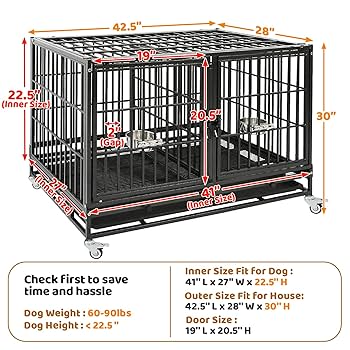
Adult Labradors require larger crates for comfort. A crate about 42 inches long, 28 inches wide, and 30 inches high is ideal. This size lets the dog move freely and rest comfortably. Measuring your Labrador’s height and length helps confirm the best crate size.
- Length: 42 inches
- Width: 28 inches
- Height: 30 inches
Comfort Essentials Inside The Crate
Creating a cozy space inside your Labrador’s crate helps your dog feel safe and relaxed. Comfort essentials make the crate inviting and support your dog’s well-being. The right bedding and toys turn the crate into a happy resting spot. Focus on comfort and practicality to suit your Labrador’s needs.
Bedding Options
Choose soft, durable bedding that fits the crate size. Memory foam beds offer great support for large breeds like Labradors. A washable cover keeps the bedding clean and fresh. Avoid bedding that is too thick or slippery. Add a blanket for extra warmth during cold months. Make sure the bedding is easy to remove for cleaning.
Toys And Accessories
Include chew toys to keep your Labrador busy and reduce boredom. Durable rubber toys withstand strong chewing habits. Puzzle toys stimulate your dog’s mind inside the crate. Avoid small toys that pose choking risks. A water bowl attached to the crate helps keep your dog hydrated. Keep the crate clutter-free for easy movement and comfort.
Crate Training Tips
Crate training your Labrador can be a game changer for both you and your furry friend. It provides a safe space for your dog and helps with housebreaking and behavior management. However, success depends on how you introduce and use the crate, making the process smooth and positive.
Introducing The Crate
Start by placing the crate in a busy area of your home, like the living room, where your Labrador can see family activity. Leave the door open and toss in some tasty treats to invite curiosity.
Watch how your dog reacts—do they sniff around or shy away? Let them explore at their own pace. Never force your Labrador inside, as this can create fear.
Try feeding your dog their meals inside the crate. This builds a positive connection and encourages them to enter voluntarily. How can you make this feel like a game for your dog?
Making The Crate A Safe Space
Comfort is key. Add a soft blanket or dog bed to make the crate inviting. Avoid overcrowding it; your Labrador needs enough room to stand, turn, and lie down comfortably.
Keep the crate in a quiet spot during nighttime to promote restful sleep. Use calming scents or a piece of your clothing to ease separation anxiety.
Keep sessions short and gradually increase crate time. Praise and reward your dog when they enter willingly. If your Labrador whines, don’t rush to open the door immediately; wait for a calm moment to reinforce patience.

Credit: homemoovers.com
Common Mistakes To Avoid
Choosing the right size of dog crate for your Labrador is crucial, but many pet owners stumble over common mistakes that affect their dog’s comfort and training. Avoiding these pitfalls can make crate time a positive experience for both you and your furry friend. Let’s look at some errors you want to steer clear of when picking a crate size.
Using A Crate That’s Too Small
A crate that’s too small can make your Labrador feel trapped and anxious. Dogs need enough room to stand up, turn around, and lie down comfortably. If your Labrador can’t move easily, it may resist going into the crate, making training much harder.
Think about your dog’s current size and how much space they need to relax. Imagine being stuck in a box where you can’t stretch—would you want to stay there? Choosing a crate that feels cramped often backfires, causing stress rather than safety.
Ignoring Growth Stages
Labrador puppies grow quickly, and many owners underestimate how fast they outgrow their crates. Using a crate that’s perfect for a small puppy but too tight for a six-month-old Labrador leads to discomfort and frustration.
Consider a crate that can adjust in size or plan to upgrade as your dog grows. This saves you from buying multiple crates and ensures your Labrador always has enough space. Have you checked your puppy’s growth rate lately? Staying ahead means happier crate time.

Credit: www.reddit.com
Frequently Asked Questions
What Is The Best Crate Size For A Labrador?
The ideal crate size for a Labrador is 36 inches. This size offers enough space for them to stand, turn, and lie down comfortably. Ensure the crate is not too large to avoid accidents. Measure your Labrador to confirm the best fit.
Can A Labrador Fit In A 30-inch Crate?
A 30-inch crate is typically too small for a Labrador. Labradors are medium to large dogs and require more space. A 36-inch crate is more suitable. Always prioritize your dog’s comfort and ability to move within the crate.
How Do I Measure My Labrador For A Crate?
To measure your Labrador, check their length and height. Measure from nose to tail base for length. For height, measure from the floor to the top of their head. Use these measurements to select a crate slightly larger for comfort.
Is A Bigger Crate Better For A Labrador?
A bigger crate isn’t always better for a Labrador. Too much space can lead to accidents. The crate should be large enough for them to stand and turn around. Choose a size that balances space and containment.
Conclusion
Choosing the right dog crate size keeps your Labrador safe and happy. A crate should be big enough for your dog to stand, turn, and lie down comfortably. Too small feels cramped; too large may cause accidents. Measure your dog before buying.
Quality and comfort matter. A good crate helps with training and travel. Your Labrador will enjoy a cozy space to rest. Simple steps lead to a happy dog and an easy life.

Emily Barker is the founder of ChillDogLife.com, a space dedicated to helping pup parents discover the best dog products, lifestyle tips, and cozy ideas for happier homes.
A lifelong dog lover, Emily combines her passion for pets with a knack for research to share trusted recommendations on everything from toys and furniture to health and everyday care.
Her goal is simple: to make life easier, stylish, and more joyful for dogs and the people who love them.




