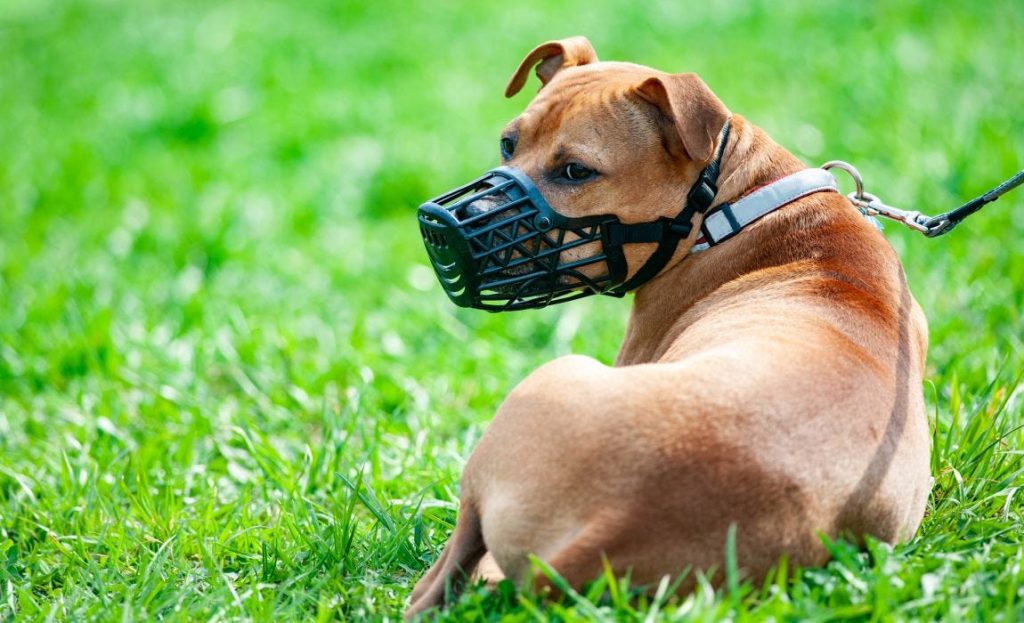
If you’ve ever worried about your dog’s safety or the safety of others during walks or vet visits, a dog muzzle can be a helpful tool. But buying one isn’t your only option—you can make a DIY dog muzzle yourself.
Creating your own muzzle means you get a perfect fit for your dog, save money, and have full control over the materials used. You’ll learn simple steps to craft a comfortable and effective muzzle that your dog will tolerate well.
Keep reading to discover how easy it is to make a muzzle that keeps your furry friend safe and happy.

Credit: www.amazon.ca
Benefits Of A Diy Dog Muzzle
Making a dog muzzle yourself offers several advantages that go beyond just the obvious convenience. It allows you to create a product that fits your dog’s unique needs while saving money and using materials you already have. These benefits make a DIY dog muzzle a practical choice for many pet owners.
Cost Savings Compared To Store-bought
Store-bought muzzles can be expensive, especially if you need a specific size or style. By making your own, you avoid paying for brand names or extra packaging. This can save you a significant amount of money without sacrificing safety or comfort.
Think about how many times you’ve spent on pet gear that your dog barely used. A DIY muzzle lets you test what works best before investing in something permanent. Isn’t it smarter to try a budget-friendly option first?
Custom Fit For Your Dog
Every dog’s snout is different. A DIY muzzle lets you measure your dog’s face precisely to ensure a perfect fit. This reduces discomfort and prevents the muzzle from slipping off during walks or training sessions.
When I made a muzzle for my own dog, I noticed how much more relaxed he was compared to using a generic size. You can adjust straps and padding exactly where your dog needs them. How often do you find a one-size-fits-all product that truly fits your pet?
Materials You Can Use At Home
Many common household items work well for making a dog muzzle. Old belts, nylon straps, soft fabric, and even sturdy mesh can be repurposed. This means you don’t need to buy anything new — just get creative with what you have.
Using familiar materials also lets you choose textures your dog prefers. For example, soft fabric avoids chafing, while mesh offers breathability. What materials do you already have that could make a comfortable muzzle for your dog?
Choosing The Right Materials
Choosing the right materials is key to making a dog muzzle that works well. The materials must be safe, strong, and comfortable. The right choices help the muzzle last long and keep your dog happy and secure.
Safe And Comfortable Fabrics
Pick fabrics that are soft and gentle on your dog’s skin. Cotton and mesh are good choices. These materials allow air to flow, so your dog can breathe easily. Avoid rough or stiff fabrics that can cause irritation or sores.
Look for fabrics that dry quickly. This keeps the muzzle clean and fresh. Also, choose materials that are easy to wash. This helps keep your dog healthy and comfortable.
Durable Straps And Fasteners
Strong straps hold the muzzle in place safely. Nylon straps work well because they are tough and flexible. Check that the straps do not fray or break easily.
Fasteners like buckles or Velcro must be secure but easy to open. Metal buckles are reliable for strong hold. Velcro offers quick adjustment and comfort but must stick well. Avoid weak or cheap fasteners that may fail.
Tools Needed For Construction
- Scissors for cutting fabric and straps
- Measuring tape to get the right size
- Needle and strong thread for sewing
- Ruler or straight edge for clean cuts
- Velcro strips or buckles for fastening
Having the right tools makes the construction easier and the final muzzle stronger. Prepare everything before starting to save time and avoid mistakes.
Step-by-step Muzzle Construction
Building a dog muzzle by yourself is simple and rewarding. It ensures a perfect fit for your dog's comfort and safety. Follow these clear steps to create a durable, effective muzzle at home.
Measuring Your Dog’s Snout
Use a soft tape measure to get accurate dimensions. Measure around the widest part of the snout, just below the eyes. Note the length from the tip of the nose to where the snout meets the head. Write down these numbers carefully for cutting the fabric.
Cutting And Shaping The Fabric
Choose a sturdy, breathable fabric like nylon or mesh. Lay the fabric flat and mark the measurements with chalk or a fabric pen. Cut a piece that matches the snout length and width plus extra for seams. Shape the fabric into a cone or basket form to fit snugly around the snout.
Assembling The Muzzle
Fold the fabric edges inward and pin them. Sew the edges securely using a strong thread to hold the shape. Reinforce areas that will take strain, like the front and sides. Leave openings for air and allow your dog to pant comfortably.
Adding Adjustable Straps
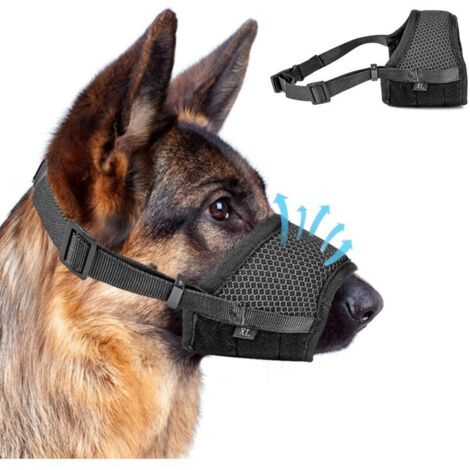
Attach straps to the sides of the muzzle for a secure fit. Use soft, adjustable materials like nylon webbing with buckles or Velcro. Ensure straps go around the dog’s head and under the ears. Adjust the straps to keep the muzzle snug but not tight.
Credit: mammabearsays.com
Fitting And Adjusting The Muzzle
Fitting and adjusting a DIY dog muzzle is key to your pet’s safety and comfort. A well-fitted muzzle prevents escape and reduces stress. It also helps your dog breathe and pant normally. Take time to fit the muzzle carefully. Watch your dog’s reactions to ensure a good fit.
Ensuring Proper Comfort
Choose a soft material that won’t irritate your dog’s skin. Check for any sharp edges or rough spots. The muzzle should allow your dog to open its mouth slightly. Your dog must be able to pant and drink water easily. Comfort keeps your dog calm and cooperative.
Checking For Secure Fit
The muzzle should sit snugly but not too tight. It must not slip off or move around. Use your fingers to test space between the muzzle and your dog’s skin. There should be enough room for one or two fingers. A secure fit stops your dog from removing the muzzle.
Making Necessary Adjustments
Adjust straps or ties to tighten or loosen the muzzle. Replace any worn or damaged parts promptly. Watch your dog for signs of discomfort or distress. Make small changes and test the fit again. Repeat until the muzzle fits safely and comfortably.
Training Your Dog To Wear The Muzzle
Training your dog to wear a muzzle takes patience and care. It’s not just about putting it on; it’s about making your dog feel safe and comfortable with it. How you introduce and reinforce this new accessory can make all the difference in your dog’s acceptance and cooperation.
Introducing The Muzzle Gradually
Start by letting your dog see and sniff the muzzle without trying to put it on. Hold it near their mouth and reward calm behavior with treats. Repeat this several times until your dog shows no signs of fear or anxiety.
Next, gently touch the muzzle to your dog’s nose for a few seconds, then remove it and offer a treat. Slowly increase the time the muzzle stays near or on their face, always pairing it with positive experiences. This gradual exposure helps build trust and avoids overwhelming your dog.
Positive Reinforcement Techniques
Use treats, praise, and affection to encourage your dog when they accept the muzzle. Make wearing the muzzle a part of a fun routine rather than a punishment. For example, after putting the muzzle on, play a favorite game or go for a short walk to create positive associations.
Try to time your rewards immediately after your dog allows the muzzle on or remains calm while wearing it. This clear connection helps your dog understand that wearing the muzzle brings good things. What kind of treats does your dog love most? Use those to keep motivation high.
Monitoring For Stress Or Discomfort
Watch your dog’s body language closely during training. Signs like pawing at the muzzle, excessive panting, or trying to shake it off may indicate discomfort. If you see these, pause and reduce the time the muzzle stays on before trying again.
It’s important to keep sessions short and positive to prevent stress. If your dog seems distressed, take a break and return to a previous, easier step. How can you tell if your dog is truly comfortable? Look for relaxed ears, soft eyes, and calm breathing.
Safety Tips And Precautions
Using a DIY dog muzzle can be a helpful tool for managing your dog’s behavior safely. However, it’s important to handle it with care to ensure your dog’s comfort and well-being. Paying attention to safety tips and precautions can prevent accidents and build trust between you and your pet.
Supervising Your Dog While Muzzled
Never leave your dog unattended while they are wearing a muzzle. Muzzles can restrict normal behaviors like panting and drinking, so close supervision helps you notice any discomfort or issues quickly.
Keep your dog within sight and be ready to remove the muzzle if necessary. This careful attention prevents accidents and helps your dog feel secure during muzzle use.
Avoiding Overuse Or Extended Wear
Limit the time your dog spends in a muzzle. Extended wear can cause stress and physical problems, such as skin irritation or overheating.
Use the muzzle only when necessary and for short periods. Think about whether your dog really needs it all day or just for specific moments like vet visits or grooming.
Signs Of Distress To Watch For
Watch for signs that your dog is uncomfortable or stressed while muzzled. These can include excessive pawing at the muzzle, heavy panting, drooling, or attempts to remove it.
If your dog shows these signs, remove the muzzle immediately and give them a break. Your dog’s comfort should always come first to maintain a positive experience.
Maintenance And Cleaning
Keeping your DIY dog muzzle clean and well-maintained is important. It helps your dog stay comfortable and keeps the muzzle safe to use. Regular care also makes the muzzle last longer. Follow these tips to maintain and clean your dog’s muzzle effectively.
Regular Cleaning Methods
Clean the muzzle after each use. Use warm water and mild soap. Gently scrub all parts with a soft brush or cloth. Rinse thoroughly to remove soap residue. Let the muzzle air dry completely before the next use. Avoid harsh chemicals that can irritate your dog’s skin.
Inspecting For Wear And Tear
Check the muzzle regularly for damage. Look for cracks, frays, or loose stitching. Examine straps and buckles for strength and security. Make sure no sharp edges or broken parts can hurt your dog. Regular checks prevent accidents and keep the muzzle safe.
Replacing Components When Needed
Replace worn or broken parts quickly. Use parts that fit your muzzle model. Replace straps, buckles, or padding if they become weak. Do not use the muzzle if it is damaged. Proper replacement keeps the muzzle functional and safe for your dog.
Credit: www.petscare.com
Frequently Asked Questions
How To Make A Dog Muzzle At Home?
Creating a dog muzzle at home is simple and cost-effective. Use soft materials like fabric or nylon. Measure your dog’s snout for a comfortable fit. Secure it properly to ensure safety. Remember, a homemade muzzle is for temporary use. Always supervise your pet when using it.
What Materials Are Best For Diy Dog Muzzles?
For DIY dog muzzles, choose soft and breathable materials. Fabric, nylon, or old t-shirts work well. These materials are gentle on your dog’s skin and easy to clean. Ensure the material is durable enough to withstand wear. Comfort and safety should always be your top priorities.
Can A Diy Muzzle Be Safe For Dogs?
Yes, a DIY muzzle can be safe if made correctly. Ensure the fit is snug but not too tight. Use breathable materials and avoid restricting your dog’s breathing or eating. Always supervise your dog while wearing it. A well-made muzzle provides safety and comfort for short periods.
Why Use A Muzzle For Dogs?
Dog muzzles prevent biting and chewing during training or vet visits. They can reduce anxiety in stressful situations. A muzzle is a safety tool, not a punishment. Use it responsibly and ensure your dog is comfortable. Proper training alongside muzzle use is crucial for best results.
Conclusion
Making a dog muzzle yourself saves money and fits your dog well. Choose soft materials to keep your dog calm and safe. Always watch your dog when using the muzzle. Practice patience and kindness during training. A well-made muzzle helps your dog feel more comfortable.
Simple steps bring good results. Your dog deserves care and attention. Try making one with love and care.

Emily Barker is the founder of ChillDogLife.com, a space dedicated to helping pup parents discover the best dog products, lifestyle tips, and cozy ideas for happier homes.
A lifelong dog lover, Emily combines her passion for pets with a knack for research to share trusted recommendations on everything from toys and furniture to health and everyday care.
Her goal is simple: to make life easier, stylish, and more joyful for dogs and the people who love them.




