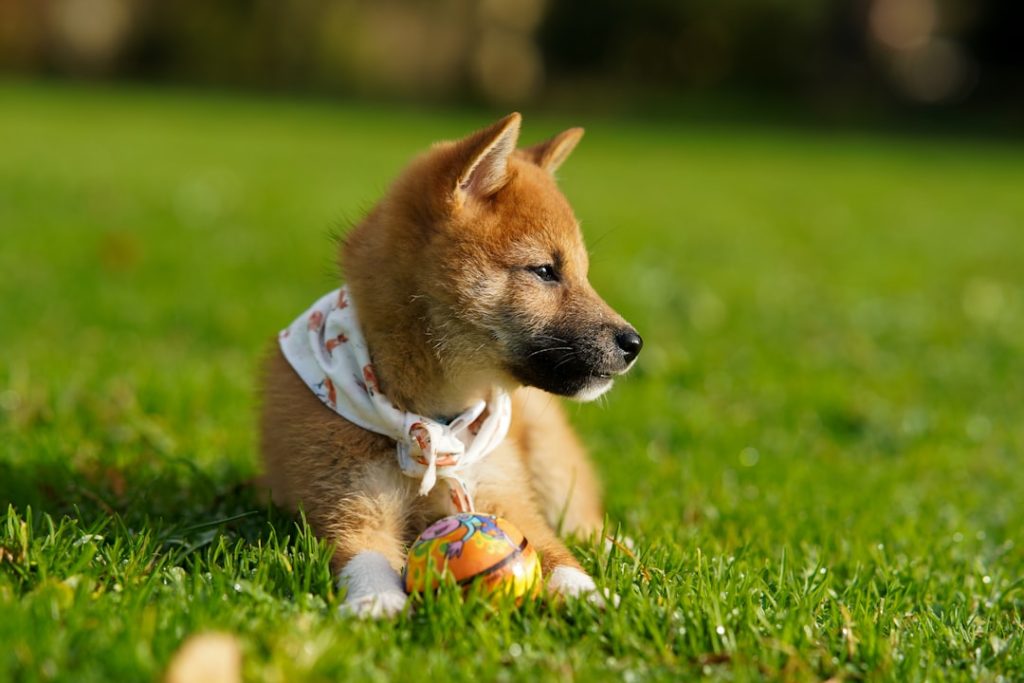
Have you ever wondered what makes toy breed dogs so special? These tiny pups are packed with personality and charm, perfect for anyone looking for a furry friend that fits right into your lap—and your life.
Whether you’re curious about their size, behavior, or how they differ from other dogs, this guide will help you understand everything about toy breed dogs. Keep reading to discover why these small companions might just be the perfect addition to your home.
Toy Breed Characteristics
Toy breed dogs have a charm all their own, defined by unique traits that make them stand out in the canine world. Understanding their characteristics helps you decide if a toy breed fits your lifestyle and what to expect when you bring one home. These little dogs offer big personalities packed into a tiny frame.
Size And Weight
Toy breeds are the smallest dogs you’ll find. They typically weigh under 7 pounds and stand no taller than 10 inches at the shoulder.
This small size makes them ideal for apartment living or for people who prefer a dog that fits comfortably on their lap. However, their tiny stature means they need gentle handling and careful supervision around young children.
Temperament Traits
Toy breeds often have lively and affectionate personalities. They tend to bond closely with their owners, often seeking constant companionship.
Many are alert and curious, making them excellent watchdogs despite their size. Yet, some can be stubborn or vocal, so early training is key to managing their behavior effectively.
Common Health Issues
Due to their small size, toy breeds can face specific health challenges. Dental problems are common because their mouths are tiny and teeth can crowd.
They are also prone to patellar luxation, a condition where the kneecap slips out of place, causing discomfort or mobility issues.
Keeping up with regular vet visits and proper care can help you catch problems early and keep your toy breed healthy and happy.
Credit: pethelpful.com
Popular Toy Breeds
Toy breed dogs are small, friendly companions often chosen for their size and personality. These breeds fit well in apartments and are easy to carry. They make great pets for those who want a lively, affectionate friend.
Toy breeds are adored for their petite size and charming personalities. They fit perfectly in small living spaces and are ideal companions for those who love to travel with their pets. Let’s explore some of the most popular toy breeds and discover what makes each one unique.Chihuahua
Chihuahuas are tiny yet full of life. Known for their loyalty and sass, these dogs often think they’re much bigger than they are. Their expressive eyes and bold personality make them a favorite among toy breed enthusiasts.Pomeranian
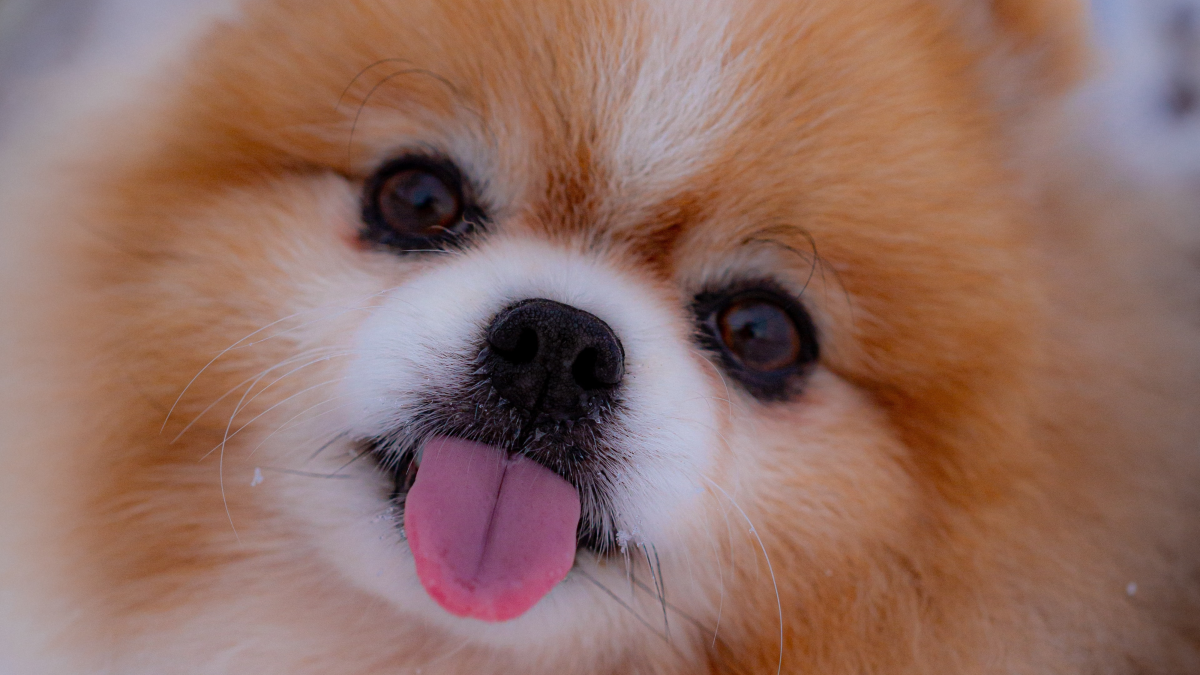
Pomeranians are fluffy and full of energy. They have a distinctive fox-like face and a glorious double coat that requires regular grooming. Despite their small size, they are known for their lively nature and love to be the center of attention.Yorkshire Terrier
Yorkshire Terriers, or Yorkies, are stylish and confident. Their long, silky coats are often styled to match their owner’s flair. These dogs are fearless and make excellent watchdogs, alerting you to any unusual activity around the home.Maltese
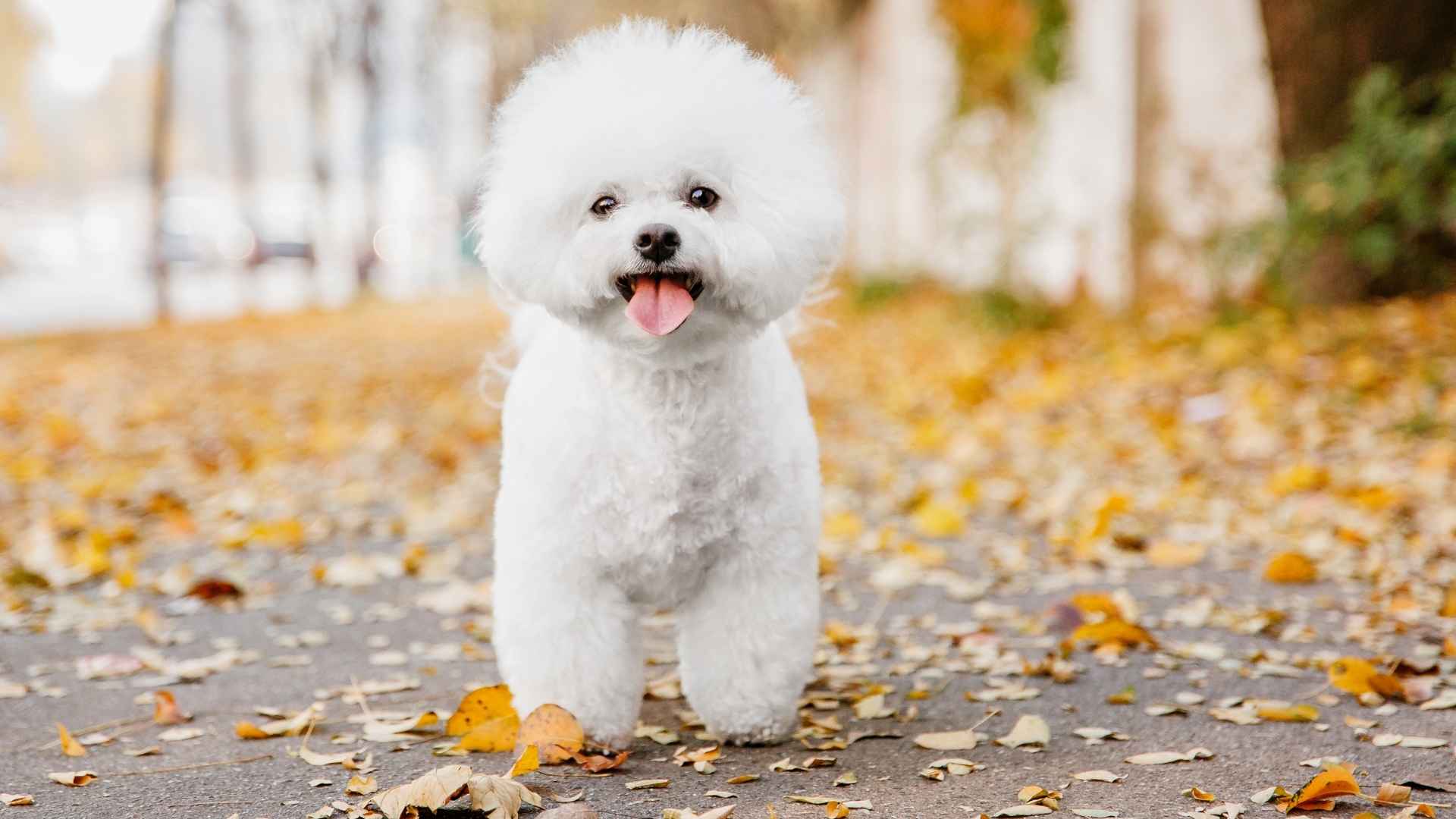
Maltese dogs are known for their striking white coats and gentle demeanor. They are affectionate and enjoy cuddling with their owners. Despite their refined appearance, they are playful and enjoy interactive games.Shih Tzu
Shih Tzus are friendly and adaptable. Their charming, underbite smile and flowing coat make them stand out. They thrive on companionship and are particularly good with families, offering affection and joy in abundance. Do you have a favorite toy breed? Each one has its own unique charm and quirks, making them delightful companions in their own special way.Choosing The Right Toy Breed
Choosing the right toy breed dog means matching the pet to your daily life. Toy breeds vary in personality, care, and energy. Picking one that fits your lifestyle makes pet ownership joyful and stress-free. Consider factors like grooming, activity, and home environment. This helps ensure a happy dog and owner.
Lifestyle Compatibility
Some toy breeds love constant attention and cuddles. Others enjoy quiet time and less handling. Think about your daily routine and social habits. Small homes or apartments suit many toy breeds well. Families with children should choose gentle, patient breeds. Singles or seniors may prefer calm, low-maintenance dogs.
Grooming Needs
Toy breeds have different coat types. Some have long, silky fur needing daily brushing. Others have short hair and shed less. Regular grooming avoids mats and skin problems. Check if the breed requires professional grooming often. Grooming time and cost should fit your schedule and budget.
Exercise Requirements
Toy breeds need varying exercise levels. Some have high energy and enjoy playtime and walks. Others are more relaxed and need less activity. Small, frequent play sessions often work best. Ensure the breed’s exercise needs match your ability to provide it. Too little exercise can lead to boredom and bad behavior.
Credit: worldanimalfoundation.org
Care Tips For Toy Dogs
Toy breed dogs are small but need special care. Their size makes them delicate and easy to hurt. Proper care helps them live a happy, healthy life. Here are key tips to care for these tiny companions.
Feeding Guidelines
Toy dogs need a balanced diet with high-quality food. Their small stomachs hold less food, so feed them small meals often.
- Choose food made for small breeds.
- Check portion sizes on the label.
- Avoid giving too many treats.
- Provide fresh water at all times.
Watch their weight closely. Overfeeding can cause health problems.
Training Basics
Toy dogs are smart and learn quickly. Use gentle, positive methods to train them. Keep sessions short to hold their attention.
- Start with simple commands like “sit” and “stay.”
- Use treats and praise as rewards.
- Be patient and consistent every day.
- Socialize them early to prevent fearfulness.
Health Maintenance
Regular vet visits keep toy dogs healthy. Their small size means they can get cold or sick easily.
- Schedule annual check-ups and vaccinations.
- Brush their teeth to avoid dental problems.
- Trim nails carefully to prevent injury.
- Keep their coat clean and groomed.
Watch for signs of illness like lethargy or loss of appetite. Early care can prevent serious issues.
Toy Breeds And Family Life
Toy breed dogs bring a unique charm to family life. Their small size and lively personality make them excellent companions. Families enjoy their playful nature and easy care. These dogs fit well into homes of all sizes and lifestyles. Understanding their role in family settings helps ensure a happy pet and household.
Suitability With Children
Toy breeds are gentle and affectionate with kids. They enjoy playtime but need careful handling. Young children must learn to be soft and calm. These dogs can get hurt by rough play. Supervision during interactions keeps both safe and happy. Toy breeds teach children kindness and responsibility.
Interaction With Other Pets
Toy breeds usually get along well with other pets. They enjoy socializing and can be friendly. Proper introductions help avoid stress or fights. Smaller dogs may feel scared of bigger pets. Patience and positive reinforcement build trust among animals. Family pets often become close companions over time.
Living In Small Spaces
Toy breeds thrive in apartments or small homes. Their size means less space needed for exercise. Short indoor play sessions keep them active and healthy. These dogs adapt quickly to limited living areas. They enjoy cozy spots and love being near family. Small spaces suit toy breeds perfectly without stress.
Credit: worldanimalfoundation.org
Frequently Asked Questions
What Defines A Toy Breed Dog?
A toy breed dog is a small-sized dog bred mainly for companionship. They typically weigh under 12 pounds and have charming, lively personalities. Their petite size makes them ideal for apartment living and easy to carry.
Are Toy Breed Dogs Good For Families?
Yes, toy breed dogs are great for families. They are affectionate, playful, and bond closely with their owners. However, supervision is advised with young children to ensure gentle handling due to their small size.
How Do Toy Breed Dogs Differ From Small Breeds?
Toy breeds are smaller than small breeds, usually under 12 pounds. Small breeds weigh between 12 to 22 pounds. Toy breeds focus on companionship, while small breeds can also have working roles.
What Health Concerns Affect Toy Breed Dogs?
Toy breeds may face dental issues, fragile bones, and hypoglycemia. Regular vet check-ups and proper care help manage these risks. Early prevention ensures a longer, healthier life for toy dogs.
Conclusion
Toy breed dogs bring joy in small, lovable packages. They fit well in apartments and small homes. These dogs need care, love, and regular exercise. Their small size makes them great companions for many. Choosing a toy breed means choosing a friend for life.
They often have big personalities despite their size. Understanding their needs helps keep them happy and healthy. Toy breeds offer comfort and fun every day. A perfect pet for those who want a small, loyal buddy.

Emily Barker is the founder of ChillDogLife.com, a space dedicated to helping pup parents discover the best dog products, lifestyle tips, and cozy ideas for happier homes.
A lifelong dog lover, Emily combines her passion for pets with a knack for research to share trusted recommendations on everything from toys and furniture to health and everyday care.
Her goal is simple: to make life easier, stylish, and more joyful for dogs and the people who love them.




