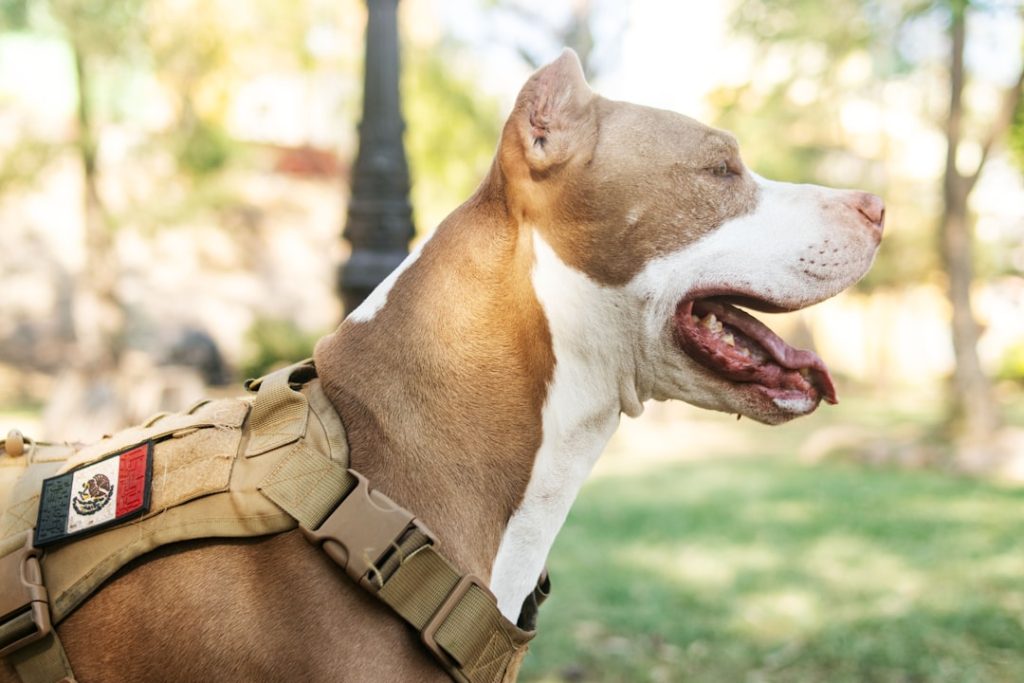
Have you ever thought about giving a loving home to a retired military dog? These brave animals have served our country with loyalty and courage.
Now, they need someone like you to care for them in their next chapter of life. Adopting a retired military dog isn’t just about bringing home a pet—it’s about honoring their service and making a real difference. If you want to know how to adopt one of these amazing dogs and what to expect, keep reading.
This guide will walk you through every step, making the process simple and clear for you.
Why Adopt A Retired Military Dog
Adopting a retired military dog offers a unique chance to give a hero a second chance. These dogs have served with loyalty and courage. They deserve loving homes after their service ends. Bringing one into your family can change both your lives.
Benefits Of Adoption
- Strong bond due to the dog’s disciplined nature
- Highly trained, making them responsive and well-behaved
- Great companions for active families or individuals
- Helps reduce the number of shelter dogs needing homes
- Gives a dog a peaceful life after years of service
Challenges These Dogs Face
- Adjusting from military life to a quiet home environment
- Possible anxiety or stress from past experiences
- Need for patience and understanding during training transition
- Some may require special care due to injuries or age
- Not all dogs are ready for a typical pet lifestyle immediately
Impact On The Dog’s Life
Retired military dogs gain comfort and safety in a new home. They experience love and care, often for the first time. Their stress and anxiety levels can drop significantly. These dogs enjoy freedom from the demands of military work.
Adoption helps them live out their golden years happily. It shows respect for their hard work and sacrifices. Each dog’s life improves with kindness and a steady routine.
Eligibility And Requirements
Adopting a retired military dog requires meeting specific criteria. Applicants should be patient, have a secure yard, and commit to ongoing care. Prior experience with dogs is often preferred.
Adopting a retired military dog can be a rewarding experience, but it’s essential to understand the eligibility and requirements involved. These loyal and trained canines often need a specific environment to thrive post-service. By ensuring you meet the necessary criteria, you can provide a loving home for a dog that has served its country.Who Can Adopt
Anyone with a strong sense of responsibility and a love for animals can consider adopting a retired military dog. These dogs are usually available to civilians, military personnel, and law enforcement agencies. However, preference is often given to handlers who worked directly with the dogs during their service.Necessary Home Environment
Creating a suitable home environment is crucial for a retired military dog to adjust comfortably. These dogs are accustomed to being active and require space to roam, so a house with a yard is often ideal. If you live in an apartment, think about how you will provide sufficient exercise and stimulation for your new companion.Financial Considerations
Owning a retired military dog involves financial commitments that you need to prepare for. You might face costs for veterinary care, food, and any special equipment your dog may need. Consider your budget and whether you can comfortably support the dog’s needs without financial strain. Have you ever wondered if you have what it takes to care for a retired military dog? By meeting these eligibility and requirements, you could be the perfect match for a loyal, four-legged veteran.Finding Retired Military Dogs For Adoption
Finding a retired military dog to adopt requires knowing where to look and who to contact. These dogs have served with honor and now need loving homes. You might be surprised by the variety of sources where these dogs become available for adoption.
Military And Government Programs
The U.S. military has official programs that handle the retirement and adoption of service dogs. These programs carefully screen potential adopters to ensure the dogs receive the care they deserve.
You can reach out to branches like the U.S. Army or Department of Defense to inquire about retired dogs ready for adoption. Sometimes, military units will post announcements or hold adoption events specifically for these heroes.
Rescue Organizations
Several rescue groups specialize in retired military dogs. These organizations understand the unique needs of these animals, including any health or behavioral issues stemming from their service.
Joining their mailing lists or visiting their websites can put you on a waiting list for adoption. They often share stories and updates that help you connect emotionally with the dogs in their care.
Online Adoption Platforms
Websites dedicated to pet adoption often list retired military dogs. Platforms like Petfinder or Adopt-a-Pet allow you to filter your search by breed, age, and special needs.
These sites sometimes feature detailed profiles and videos, giving you a better sense of the dog’s personality before meeting them. Have you checked these platforms lately? You might discover a perfect companion waiting just a click away.

Credit: www.yahoo.com
Adoption Process Steps
Adopting a retired military dog involves clear steps to ensure a smooth transition. Each step helps match the dog to a caring home. The process also supports the dog’s unique needs after service. Understanding these steps prepares you for a responsible adoption journey.
Application And Screening
Start by filling out an application form. The form asks about your lifestyle and experience with dogs. Screening helps find the best match for the dog. It ensures you can provide a safe, loving home. Background checks and references may be part of this step.
Home Visit And Interview
A home visit allows the organization to see your living space. They check if your home is safe and dog-friendly. An interview helps discuss your expectations and readiness. This step ensures the dog’s needs fit your environment. It also builds trust between you and the adoption team.
Training And Transition Support
Retired military dogs may need special training. Support includes guidance on behavior and care. Trainers might visit or offer online sessions. Transition help eases the dog’s move to a new home. This support ensures a strong bond and happy life together.
Preparing Your Home
Preparing your home for a retired military dog is a vital step. These dogs have unique needs and experiences. A calm and safe environment helps them adjust well. Creating the right space shows care and respect for their service. This preparation supports a smooth transition into family life.
Creating A Safe Space
A retired military dog needs a quiet, secure area. Choose a low-traffic spot in your home. Use a comfortable bed or crate for rest. Keep this space free from loud noises and sudden movements. This helps the dog feel calm and protected. A safe space reduces stress and builds trust over time.
Necessary Supplies
Gather basic supplies before bringing your dog home. These include:
- Food and water bowls
- High-quality dog food
- Leash and collar with ID tags
- Comfortable bed or crate
- Toys to keep the dog engaged
- Grooming tools like brushes
- Cleaning supplies for accidents
Having these ready ensures the dog feels welcome and cared for immediately.
Introducing To Family And Pets
Introduce the dog slowly to family members and other pets. Keep initial meetings calm and controlled. Let the dog approach at its own pace. Observe body language carefully. Separate pets if any signs of aggression appear. Use positive reinforcement like treats and praise. Gradual introductions help build peaceful relationships and reduce anxiety.
Training And Behavioral Adjustment
Adopting a retired military dog is a rewarding journey, but it requires patience and understanding. Training and behavioral adjustment are key to helping your new companion transition smoothly into civilian life. The habits and instincts these dogs bring from service shape how they respond to everyday situations.
Understanding Military Dog Behavior
Military dogs are trained for specific tasks like detection, protection, and obedience. These skills make them highly disciplined but sometimes rigid in their routines. You might notice your dog reacting sharply to sudden movements or unfamiliar sounds—this is a sign of their alert nature.
Recognizing these behaviors helps you anticipate their needs and avoid frustration. Ask yourself: how can you create a calm environment that respects their trained instincts while encouraging relaxation?
Working With Professional Trainers
Professional trainers experienced with retired military dogs can guide you through the adjustment process. They can help modify commands and behaviors that are no longer needed or appropriate. This support reduces stress for both you and your dog.
- Look for trainers who specialize in service or working dogs.
- Attend training sessions regularly to maintain consistency.
- Use positive reinforcement techniques to build new habits.
Your active involvement in training shows your dog that you are a trustworthy leader. This collaboration is crucial for a smooth transition.
Building Trust And Bond
Trust doesn’t develop overnight, especially with dogs trained for high-stress environments. Spend quiet time together without commands or expectations. Simple activities like gentle petting or sitting side by side can start this process.
Consider how your body language and tone of voice influence your dog’s comfort level. Patience and kindness will encourage your dog to open up and rely on you.
Have you noticed how small, consistent acts of care deepen your connection? This bond is the foundation for successful training and a happy life together.
Health And Wellness Care
Taking in a retired military dog means stepping into a role that involves more than just love and attention. These dogs often come with unique health needs shaped by their years of service. Understanding their health and wellness care helps you provide the best life possible for your new companion.
Common Health Issues
Retired military dogs might face challenges like arthritis, joint pain, or hearing loss due to their active duty. Some may have scars or old injuries that need ongoing care. Recognizing these issues early can prevent discomfort and improve their quality of life.
Have you noticed any changes in your dog’s behavior or mobility? Small signs can point to larger health concerns that need attention.
Regular Veterinary Care
Consistent check-ups with a trusted vet are essential. These visits help catch problems before they worsen and keep vaccinations up to date. Your vet can also suggest pain management or therapy options tailored to your dog’s past workload.
Think about scheduling exams every six months, especially during the first year you have your retired dog. This builds a strong health foundation and helps you understand their specific needs.
Nutrition And Exercise
Your retired military dog needs a balanced diet to maintain energy and support joint health. Foods rich in omega-3 fatty acids and antioxidants can ease inflammation. Avoid overfeeding, as extra weight stresses aging joints.
Exercise should match your dog’s abilities—walks and gentle play keep muscles strong without causing strain. How do you balance activity to keep your dog fit but comfortable?
Adjusting meals and workouts based on your dog’s health feedback shows you’re tuned in to their wellness journey.
Legal And Ethical Considerations
Adopting a retired military dog is more than just opening your home to a new pet. It involves understanding the legal and ethical responsibilities tied to these highly trained animals. You need to be aware of the rules that protect both the dog’s welfare and the sensitive information connected to its service.
Ownership Rights
Before you bring a retired military dog home, clarify who legally owns the animal. Often, these dogs remain the property of the government or military branch until officially transferred to you. This process requires proper paperwork and sometimes a waiting period to ensure the adoption is legitimate.
Ask for all documents that confirm ownership transfer. This protects you from future disputes and ensures the dog’s history is recorded correctly. Without clear ownership rights, you might face challenges in accessing veterinary care or enrolling the dog in local services.
Handling Sensitive Information
Military dogs often have training tied to confidential operations. You could be entrusted with details about their roles that are not public knowledge. Protecting this information is a serious responsibility.
Never share specifics about the dog’s missions or handlers. Respecting confidentiality honors the dog’s service and keeps you within legal boundaries. If you’re unsure about what can be disclosed, ask the military contact managing the adoption.
Respecting The Dog’s Service History
These dogs have unique experiences that shape their behavior and needs. Understanding their service history helps you provide the right care and environment. For example, a dog trained in explosives detection may react strongly to loud noises or certain objects.
Take time to learn about their past roles and challenges. This knowledge will guide your training approach and improve your bond. How might you adjust your home to make a retired military dog feel safe and valued?
Stories From Adoptive Families
Adopting a retired military dog changes lives for both the dog and the family. Many adoptive families share stories about their journey. These stories show how dogs adjust and how families grow together. They inspire others to open their homes to these special dogs.
Successful Transitions
Families report smooth transitions when they provide a calm and stable home. Dogs quickly learn to trust and relax. Regular routines help dogs feel safe. Many adoptive dogs enjoy quiet walks and simple playtime. Patience and kindness make a big difference in their adjustment.
Overcoming Challenges
Some families face challenges like anxiety or fear in the dog. Training and professional help often improve behavior. Consistency in commands and gentle handling are key. Families learn to read their dog’s signals and respond carefully. Over time, many retired military dogs become calm companions.
Emotional Rewards
Adoptive families often feel deep joy and pride. They share strong bonds with their dogs. These dogs give love and loyalty in return. Many say their pets bring comfort and happiness daily. The experience enriches family life and creates lasting memories.

Credit: mywaggle.com
Resources And Support Networks
Adopting a retired military dog is a rewarding experience, but it comes with unique challenges. Knowing where to find help and support can make the transition smoother for both you and your new companion. Resources and support networks provide vital assistance that ensures these heroes receive the care they deserve.
Veteran Dog Organizations
Several organizations focus solely on retired military dogs and their adoption. Groups like Mission K9 Rescue and K9s For Warriors specialize in matching veterans and civilians with these dogs. They often provide thorough background checks and post-adoption support, which helps you feel confident in your new role as a handler.
These organizations also raise awareness about the special needs of retired military dogs, including trauma and health issues. Connecting with them gives you access to expert advice and a community that understands the unique bond you share with your dog.
Online Communities
Online forums and social media groups dedicated to retired military dogs offer a wealth of firsthand knowledge. Platforms like Facebook have groups where adopters share tips, challenges, and success stories. These communities can answer your questions quickly and provide emotional support.
Imagine asking about managing anxiety in a retired military dog and getting real advice from someone who’s been there. These networks often host virtual meet-ups or Q&A sessions with trainers and vets, making expert guidance more accessible.
Training And Medical Assistance
Retired military dogs may need specialized training to adjust to civilian life. Many rescue organizations partner with trainers who understand the behavioral traits of these dogs. You can find programs that offer obedience training tailored to your dog’s past service and current needs.
Medical care is another crucial aspect, as some retired dogs suffer from service-related injuries or conditions. Look for veterinarians experienced with military working dogs, as they know what treatments and preventive care are most effective. Access to this support can greatly enhance your dog’s quality of life.
Credit: walkinpets.com
Frequently Asked Questions
How Can I Adopt A Retired Military Dog?
To adopt a retired military dog, contact official military dog adoption programs. Complete the application, pass home checks, and meet training requirements for a smooth adoption process.
What Are The Requirements For Adopting Military Working Dogs?
Adopters must be responsible, patient, and able to provide a stable home. A secure yard and experience with dogs are often required.
Are Retired Military Dogs Good Family Pets?
Yes, retired military dogs can be excellent family pets. They are loyal, trained, and can adapt well with proper care and socialization.
Where Do Retired Military Dogs Go After Service?
Many retired military dogs are adopted by their handlers or civilians via official programs. Others may go to animal rescues or sanctuaries.
Conclusion
Adopting a retired military dog brings joy and purpose. These dogs have served bravely and deserve loving homes. Start by researching adoption programs and meeting the dogs in person. Each dog has unique needs and stories. Patience and care help them adjust to new life.
You gain a loyal friend and a hero’s gratitude. It’s a chance to make a real difference. Open your heart and home to a retired military dog today. The bond you build will last a lifetime.

Emily Barker is the founder of ChillDogLife.com, a space dedicated to helping pup parents discover the best dog products, lifestyle tips, and cozy ideas for happier homes.
A lifelong dog lover, Emily combines her passion for pets with a knack for research to share trusted recommendations on everything from toys and furniture to health and everyday care.
Her goal is simple: to make life easier, stylish, and more joyful for dogs and the people who love them.




