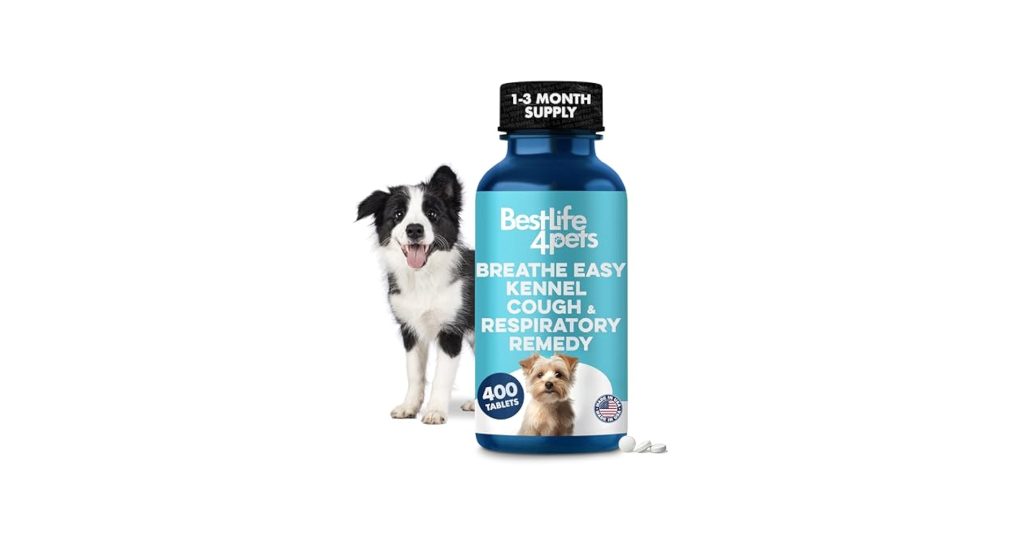
If your dog is coughing and seems uncomfortable, you’re probably wondering, “What can I give my dog for kennel cough?” You want to help your furry friend feel better fast, but it’s hard to know what’s safe and effective. You’ll discover simple, trusted ways to ease your dog’s symptoms and support their recovery.
Keep reading to learn exactly what you can do to help your dog breathe easier and get back to their happy, playful self.

Credit: www.amazon.com
Symptoms Of Kennel Cough
Kennel cough is a common respiratory infection in dogs. Recognizing its symptoms early helps provide timely care. Dogs with kennel cough often show signs that affect their breathing and energy. Knowing these signs can protect your dog’s health and prevent the illness from worsening.
Common Signs To Watch For
- Dry, persistent cough that sounds harsh or honking
- Gagging or retching after coughing episodes
- Runny nose or watery eyes
- Low energy and less interest in play
- Sneezing or mild fever in some cases
When To See A Vet
Seek veterinary help if coughing lasts more than two weeks. Watch for difficulty breathing or coughing up blood. Loss of appetite and high fever also need immediate care. Puppies, older dogs, or dogs with weak immune systems require prompt attention. Early vet visits help avoid serious complications.
Causes Of Kennel Cough
Understanding the causes of kennel cough helps in managing the condition. It’s a common respiratory infection in dogs. This infection spreads easily, especially in crowded places. Knowing what triggers it is essential for prevention.
Infectious Agents
Kennel cough is often caused by multiple infectious agents. The most common is the Bordetella bronchiseptica bacterium. Other agents include viruses like parainfluenza virus and adenovirus. These pathogens irritate a dog’s respiratory tract. This irritation leads to the characteristic cough. Dogs can catch these agents from direct contact with infected dogs.
Risk Factors
Several factors increase the risk of kennel cough. Dogs in crowded environments face higher risks. Places like kennels, dog parks, or shelters are common sources. Stress and poor ventilation also contribute. Puppies and older dogs have weaker immune systems. This makes them more susceptible. Vaccination status plays a role too. Dogs without vaccinations are at higher risk.
Safe Home Remedies
Safe home remedies can help soothe your dog’s kennel cough symptoms. These treatments support healing and comfort without harsh chemicals. Always observe your dog closely and consult a vet if symptoms worsen or last long.
Honey Benefits
Honey soothes the throat and reduces coughing. It has natural antibacterial properties that help fight infection. Give a small teaspoon of honey mixed in your dog’s food or water. Avoid honey for puppies under one year old. Use raw, organic honey for best results.
Steam Therapy
Steam helps clear your dog’s airways and eases breathing. Sit with your dog in a bathroom filled with warm steam. Run a hot shower and close the door to trap steam inside. Let your dog breathe the steam for 10-15 minutes. This loosens mucus and calms coughs.
Hydration Tips
Keeping your dog hydrated is very important. Water thins mucus and prevents dehydration. Offer fresh, clean water often throughout the day. Warm water or low-sodium broth encourages drinking. Avoid cold water as it might irritate the throat.
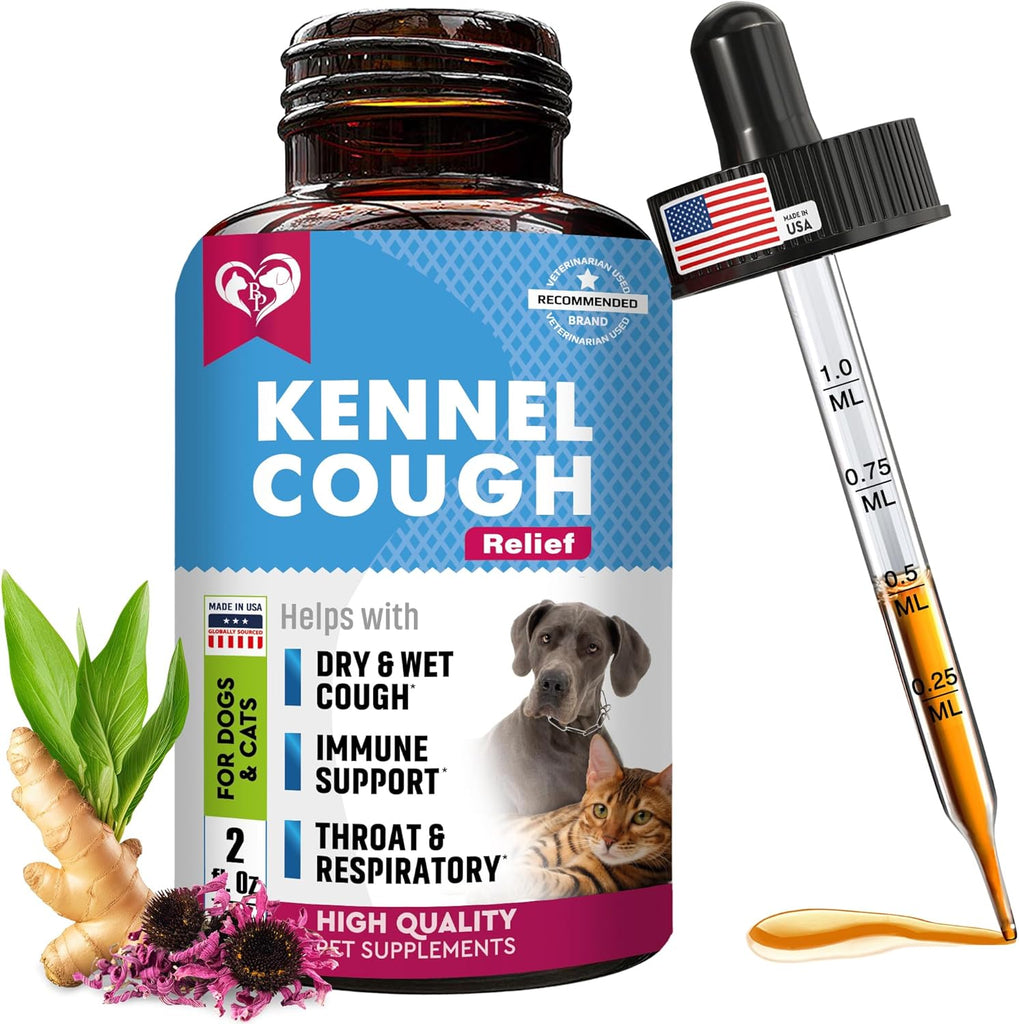
Credit: belovedpets.com
Over-the-counter Options
Over-the-counter options can help ease your dog's kennel cough symptoms. These medicines offer relief without a prescription. Always check with a vet before giving your dog any medication. Some OTC products can soothe coughing and reduce irritation.
Cough Suppressants
Cough suppressants help reduce the urge to cough. They calm the throat and lessen coughing fits. Many contain ingredients like dextromethorphan, which is safe for dogs in small doses. Use these only if your dog has a dry, hacking cough. Avoid suppressants if your dog is coughing up mucus or has breathing trouble.
Anti-inflammatories
Anti-inflammatory drugs reduce swelling and soothe the dog’s airway. They help ease coughing caused by irritation or infection. Some common OTC anti-inflammatories include low-dose aspirin. Never give human NSAIDs like ibuprofen or naproxen, as they are toxic to dogs. Consult your vet for the right anti-inflammatory and dose for your dog.
Prescription Treatments
Prescription treatments for kennel cough can make a big difference in how quickly your dog recovers. These treatments target the infection directly and help reduce symptoms effectively. Understanding what medications your vet might prescribe can prepare you to support your dog better.
Antibiotics Role
Antibiotics are often prescribed if your dog’s kennel cough is caused by bacterial infection. They help fight the bacteria and prevent the illness from worsening. However, antibiotics won’t work if the cough is purely viral, which is why a vet’s diagnosis is crucial.
Some common antibiotics used include doxycycline and amoxicillin. Your vet will decide the right type and dosage based on your dog’s condition. Always complete the full course of antibiotics even if your dog seems better, to avoid antibiotic resistance.
When Steroids Are Used
Steroids may be prescribed if your dog’s coughing causes severe inflammation or breathing difficulty. These medications reduce swelling in the airways, making it easier for your dog to breathe and rest.
Keep in mind that steroids are usually a short-term solution due to potential side effects. You should never give steroids without veterinary guidance, as improper use can weaken your dog’s immune system. Have you noticed your dog struggling to breathe or coughing nonstop? That’s a clear sign to consult your vet about steroids.
Preventing Kennel Cough
Preventing kennel cough is key to keeping your dog healthy and happy. This contagious respiratory infection can spread quickly, especially in places where many dogs gather. Taking simple steps can reduce your dog’s risk and save you from stressful vet visits.
Vaccination Importance
Vaccination is one of the strongest defenses against kennel cough. Many vets recommend a vaccine that targets the bacteria and viruses causing it. This vaccine is not part of the core vaccines, so you need to ask your vet if your dog should get it.
Think about your dog’s lifestyle. Does your dog attend doggy daycare or visit parks often? If yes, vaccination becomes even more important. It helps your dog build immunity and lowers the chance of severe symptoms if exposed.
Avoiding Exposure
Keeping your dog away from crowded places, especially during outbreaks, can prevent kennel cough. Notice if your dog is coughing after a visit to a groomer or boarding facility. It might be a sign of exposure to the infection.
Simple habits can make a big difference:
- Avoid dog parks or group events when kennel cough is reported nearby.
- Check that boarding kennels have good ventilation and hygiene practices.
- Keep your dog’s living area clean and disinfected regularly.
Have you ever wondered if your dog’s cough was just a cold or something more? Monitoring their environment and health closely can catch issues early. Your attention is a powerful tool in preventing kennel cough.
When To Seek Emergency Care
Kennel cough usually improves with home care and rest. Some cases can get worse quickly. Knowing when to seek emergency care protects your dog’s health. Watch for signs that need fast attention.
Breathing Difficulties
Labored or noisy breathing is a serious sign. Your dog may gasp for air or breathe very fast. The gums might turn pale or blue. These symptoms need immediate veterinary help. Do not wait or try home remedies.
Persistent Symptoms
Cough lasting more than three weeks needs a vet check. If your dog stops eating or drinking, act fast. Lethargy or weakness can show the infection is worsening. Fever that won’t go down also needs professional care. These signs mean the illness may be severe.

Credit: www.walmart.com
Frequently Asked Questions
What Are Safe Home Remedies For Kennel Cough?
Honey can soothe your dog’s throat and reduce coughing. Ensure fresh water is available. Use a humidifier to ease breathing. Always consult your vet before trying home remedies to avoid complications.
Can I Give My Dog Antibiotics For Kennel Cough?
Antibiotics are only effective if a bacterial infection is present. Your vet will diagnose and prescribe appropriate medication. Do not give antibiotics without veterinary guidance, as misuse can harm your dog.
How Long Does Kennel Cough Usually Last?
Kennel cough typically lasts 1 to 3 weeks. Most dogs recover with rest and proper care. If symptoms worsen or persist, consult your veterinarian immediately for further treatment.
Is It Safe To Use Cough Suppressants For Dogs?
Cough suppressants may help reduce coughing but should be used cautiously. Always use medications prescribed by your vet. Some suppressants can interfere with natural clearing of the airway.
Conclusion
Treating kennel cough requires care and the right medicine. Always check with your vet before giving any medicine. Rest helps your dog heal faster. Keep your dog warm and comfortable during recovery. Clean their space often to stop germs from spreading.
Watch for signs that need medical help. A healthy dog bounces back quickly. Small steps can make a big difference in your dog’s health. Stay patient and gentle with your furry friend. Your care means the world to your dog’s recovery.

Emily Barker is the founder of ChillDogLife.com, a space dedicated to helping pup parents discover the best dog products, lifestyle tips, and cozy ideas for happier homes.
A lifelong dog lover, Emily combines her passion for pets with a knack for research to share trusted recommendations on everything from toys and furniture to health and everyday care.
Her goal is simple: to make life easier, stylish, and more joyful for dogs and the people who love them.




