
If your dog has a tumor, you’re probably feeling worried and unsure about what to do next. You want to help your furry friend feel better as soon as possible.
The good news is, there are ways to shrink a tumor and improve your dog’s health. You’ll learn practical steps and treatments that can make a real difference. Keep reading to discover how you can take action and give your dog the best chance for recovery.
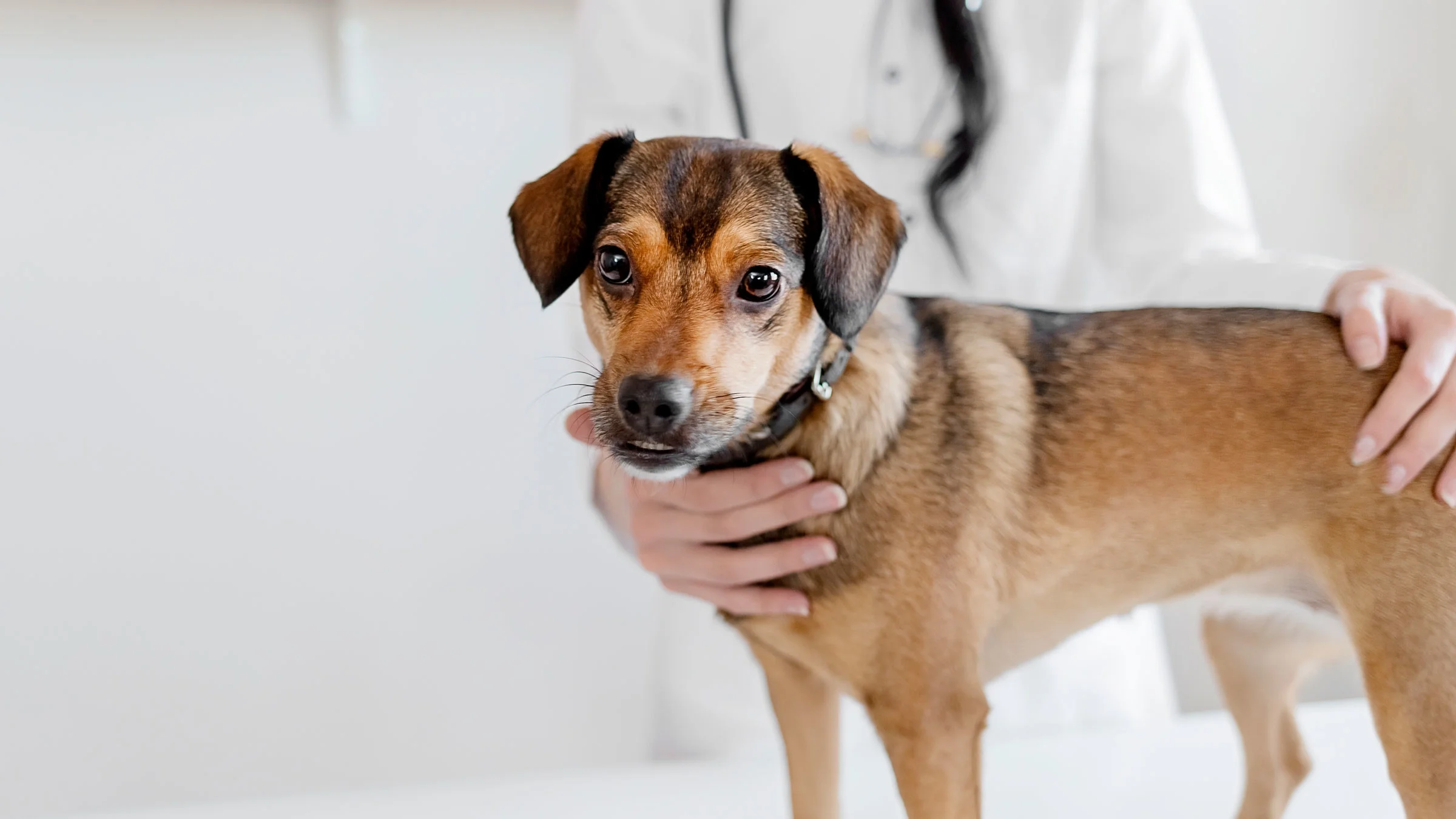
Credit: www.goodrx.com
Causes Of Tumors In Dogs
Tumors in dogs develop due to many causes. Understanding these causes helps in prevention and treatment. Tumors result from abnormal cell growth that can be triggered by various factors. Some causes lie in the dog’s genes, environment, or daily habits. Learning about these can guide owners in protecting their pets.
Genetic Factors
Some dogs inherit genes that increase tumor risk. Certain breeds show higher chances of tumors. For example, Boxers and Golden Retrievers are more prone. Genetic mutations can cause cells to grow uncontrollably. Family history also plays a strong role in tumor development.
Environmental Triggers
Exposure to harmful substances can spark tumors in dogs. Chemicals in pesticides, herbicides, and pollution affect cell health. Long-term sun exposure may lead to skin tumors. Radiation and toxins in the home environment also increase risk. Dogs living in contaminated areas face higher dangers.
Diet And Lifestyle
A poor diet weakens a dog’s immune system. Feeding low-quality food may expose dogs to harmful additives. Lack of exercise can contribute to obesity, raising tumor risk. Dogs with unhealthy lifestyles have lower resistance to disease. Balanced nutrition and regular activity support tumor prevention.
Signs Of Tumors In Dogs
Dogs with tumors may show lumps, swelling, or changes in behavior. Early detection helps find ways to shrink tumors and ease pain. Regular vet visits are key to spotting these signs early.
Signs of tumors in dogs can vary greatly. These signs may not always be obvious. Recognizing them early can lead to better outcomes. Dogs can’t tell us what’s wrong. So, it’s crucial to watch for changes.Physical Symptoms
Look for unusual lumps or bumps on your dog. Lumps can appear anywhere on the body. Check for swelling in any area. Unexplained weight loss is another concern. It might indicate an underlying issue. Changes in skin texture or color are also warning signs. Monitor any wounds that don’t heal properly.Behavioral Changes
Notice if your dog is more tired than usual. Lethargy can signal a problem. Sudden aggression or irritability is also a red flag. Dogs with tumors might avoid activities they once enjoyed. Appetite changes are crucial to note. A dog eating less or more than usual needs attention. Pay attention to any changes in bathroom habits.When To See A Vet
Consult a vet if you notice these signs. Early intervention is key. Your vet can perform tests to confirm any suspicions. Regular check-ups help catch problems early. Always trust your instincts as a dog owner. If something seems off, seek professional advice.Natural Remedies To Shrink Tumors
Natural remedies offer gentle support to help shrink tumors in dogs. These options can complement veterinary care and improve your pet’s quality of life. Focus on ingredients and foods known for anti-inflammatory and antioxidant properties. They help the body fight abnormal cell growth.
Herbal Treatments
Several herbs may support tumor reduction in dogs. Turmeric contains curcumin, which fights inflammation and cancer cells. Milk thistle protects the liver and helps detoxify the body. Green tea is rich in antioxidants that slow tumor growth. Use herbs carefully and consult your vet before starting any treatment.
Dietary Adjustments
Changing a dog’s diet can impact tumor health positively. Choose whole, natural foods with low carbohydrates. Focus on lean proteins like chicken or fish to boost immunity. Include fresh vegetables such as broccoli and spinach for antioxidants. Avoid processed foods and sugar, which may feed tumors.
Supplements And Vitamins
Certain supplements support the immune system and may reduce tumor size. Omega-3 fatty acids from fish oil lower inflammation and support cell health. Vitamin E acts as an antioxidant, protecting healthy cells. Probiotics improve gut health and strengthen immunity. Always give supplements under veterinary guidance to ensure safety.
Credit: vandersen-8439.medium.com
Diet Plans For Dogs With Tumors
Diet plays a key role in supporting dogs with tumors. A well-planned diet can help reduce inflammation and support the immune system. Feeding the right foods can improve your dog’s quality of life and may slow tumor growth.
Choosing foods that fight inflammation and avoiding harmful ingredients is important. Understanding what to feed and what to skip helps you create a balanced diet for your dog.
Anti-inflammatory Foods
- Fatty fish like salmon and sardines, rich in omega-3s
- Leafy greens such as spinach and kale for antioxidants
- Turmeric, known for its anti-inflammatory properties
- Blueberries and cranberries, full of vitamins and antioxidants
- Sweet potatoes, a good source of fiber and nutrients
- Green beans, low in calories and high in fiber
Foods To Avoid
- Processed meats and high-fat foods
- Grains like corn and wheat that may cause allergies
- Artificial preservatives, colors, and flavors
- Sugary snacks and treats
- Dairy products that may upset digestion
- Foods high in carbohydrates that can feed tumor cells
Sample Meal Ideas
| Meal | Ingredients | Benefits |
|---|---|---|
| Breakfast | Cooked salmon, steamed spinach, and sweet potato | High in omega-3, antioxidants, and fiber |
| Lunch | Boiled chicken breast, green beans, and turmeric powder | Lean protein with anti-inflammatory support |
| Dinner | Ground turkey, cooked kale, and a small amount of brown rice | Balanced protein and antioxidants with limited carbs |
Lifestyle Changes For Better Health
Making lifestyle changes can support your dog’s health and help manage tumor growth. Small daily habits improve overall well-being and may slow tumor progression. Focus on creating a calm, active, and safe environment for your pet.
Exercise And Activity
Regular exercise boosts your dog’s immune system and energy levels. Gentle walks and play sessions keep muscles strong and joints flexible. Avoid overexertion. Tailor activity to your dog’s age and condition. Consistency matters more than intensity.
Stress Reduction
Stress weakens the immune system and slows healing. Create a quiet space where your dog feels safe. Use soothing sounds or soft bedding to calm anxiety. Spend quality time together to build trust and comfort. Recognize signs of stress and respond quickly.
Environmental Modifications
Keep your dog’s living area clean and free of toxins. Remove harsh chemicals and strong-smelling cleaners. Provide fresh air and good ventilation. Minimize exposure to smoke, dust, or pollutants. Use natural materials for bedding and toys when possible.
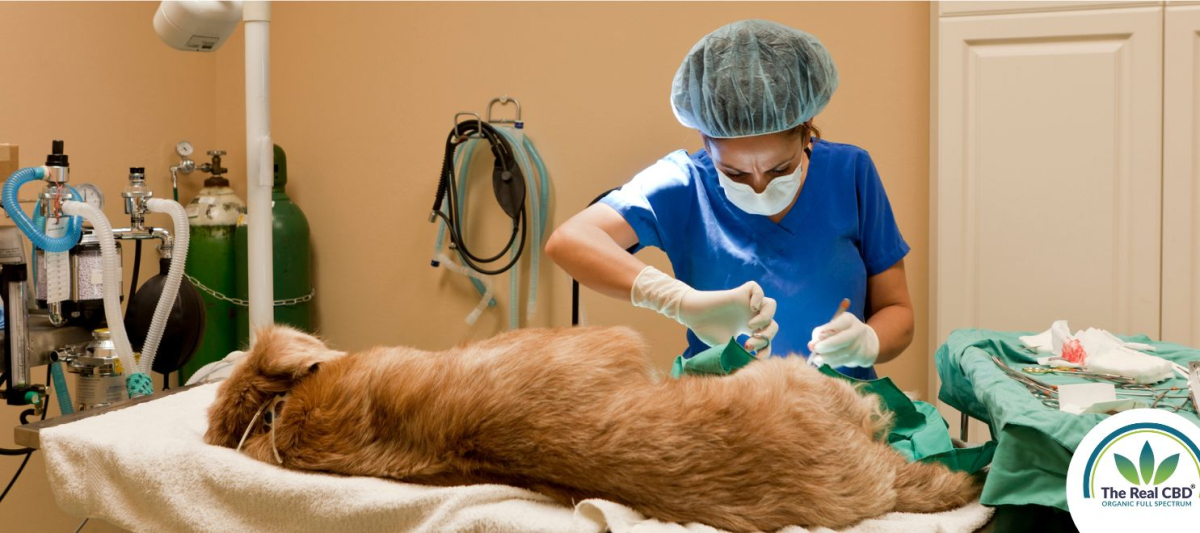
Credit: www.therealcbd.com
Monitoring Tumor Progress Naturally
Monitoring tumor progress naturally helps keep track of your dog’s health closely. It allows early detection of changes in size or symptoms. Careful observation supports timely decisions about treatment and care. This natural approach involves simple, regular checks at home and vet visits.
Tracking Size And Symptoms
Measure the tumor size with a soft tape or ruler weekly. Note any changes in shape, color, or texture. Watch for symptoms like pain, swelling, or discharge around the tumor. Keep a daily journal to record observations clearly. This record helps spot patterns and guides future care steps.
Regular Vet Check-ups
Schedule vet visits every few weeks to monitor tumor progress. The vet can perform physical exams and recommend tests if needed. Professional check-ups confirm if natural methods are working. They also catch new health issues early. Follow the vet’s advice on diet, supplements, and exercise.
When To Consider Medical Intervention
Consult a vet if the tumor grows rapidly or causes pain. Seek help if your dog shows weakness, loss of appetite, or changes in behavior. Medical treatments may be needed if natural methods do not slow tumor growth. Early intervention can improve your dog’s comfort and chances of recovery.
Frequently Asked Questions
What Are Common Treatments To Shrink A Dog’s Tumor?
Common treatments include surgery, chemotherapy, and radiation. Vets may also suggest targeted therapies or immunotherapy depending on the tumor type and location. Early diagnosis improves treatment effectiveness and outcomes.
Can Diet Help In Shrinking A Tumor In Dogs?
A healthy diet supports the immune system but doesn’t directly shrink tumors. Some vets recommend supplements or special diets to improve overall health during treatment. Always consult your vet before changing your dog’s diet.
How Long Does It Take To Shrink A Tumor In Dogs?
Tumor shrinkage time varies based on treatment type and tumor aggressiveness. Some tumors respond within weeks, while others take months. Regular vet check-ups are essential to monitor progress and adjust treatments accordingly.
Are Natural Remedies Effective In Shrinking Dog Tumors?
Natural remedies may support overall health but lack scientific proof for tumor shrinkage. Always discuss any natural treatments with your vet to ensure they do not interfere with conventional therapies.
Conclusion
Shrinking a tumor in your dog takes patience and care. Always follow your vet’s advice closely. Regular check-ups help track your dog’s progress. Healthy food and gentle exercise support healing. Watch for any changes in your dog’s behavior. Early action can improve treatment success.
Stay calm and provide plenty of love. Your dog relies on your support every day. Together, you can face this challenge with hope.

Emily Barker is the founder of ChillDogLife.com, a space dedicated to helping pup parents discover the best dog products, lifestyle tips, and cozy ideas for happier homes.
A lifelong dog lover, Emily combines her passion for pets with a knack for research to share trusted recommendations on everything from toys and furniture to health and everyday care.
Her goal is simple: to make life easier, stylish, and more joyful for dogs and the people who love them.




