
Have you ever thought about giving a loving home to a retired military dog? These brave animals have served our country with loyalty and courage.
Now, they need someone like you to care for them in their next chapter. Adopting a retired military dog isn’t just about bringing a pet home—it’s about saving a hero’s life and gaining a devoted companion. You’ll discover exactly how to adopt one of these incredible dogs and what to expect along the way.
Ready to make a difference? Keep reading to find out how you can welcome a retired military dog into your family.
Benefits Of Adopting Military Dogs
Adopting a retired military dog brings more than just a new pet into your home. These dogs come with a lifetime of training and experience that can enrich your daily life. Understanding the benefits helps you appreciate why these loyal companions make such great additions to any family.
Loyalty And Training
Military dogs are trained to be incredibly loyal and obedient. They respond well to commands and adapt quickly to new environments, making them easier to care for than many untrained dogs. Their disciplined nature means you’ll have a pet that listens and behaves consistently.
Imagine having a dog that not only protects your home but also understands boundaries and routines without constant reminders. This level of training is hard to find in typical pets and can save you time and effort in daily care.
Unique Bond And Companionship
Retired military dogs often form deep connections with their adopters. Their experiences alongside handlers create a strong foundation for trust and attachment. This bond can grow quickly, offering you a loyal friend who understands your emotions and reacts to your needs.
Have you ever wondered what it feels like to have a companion who seems to anticipate your mood and stay by your side through tough times? These dogs excel at providing emotional support, making them exceptional partners for families and individuals alike.
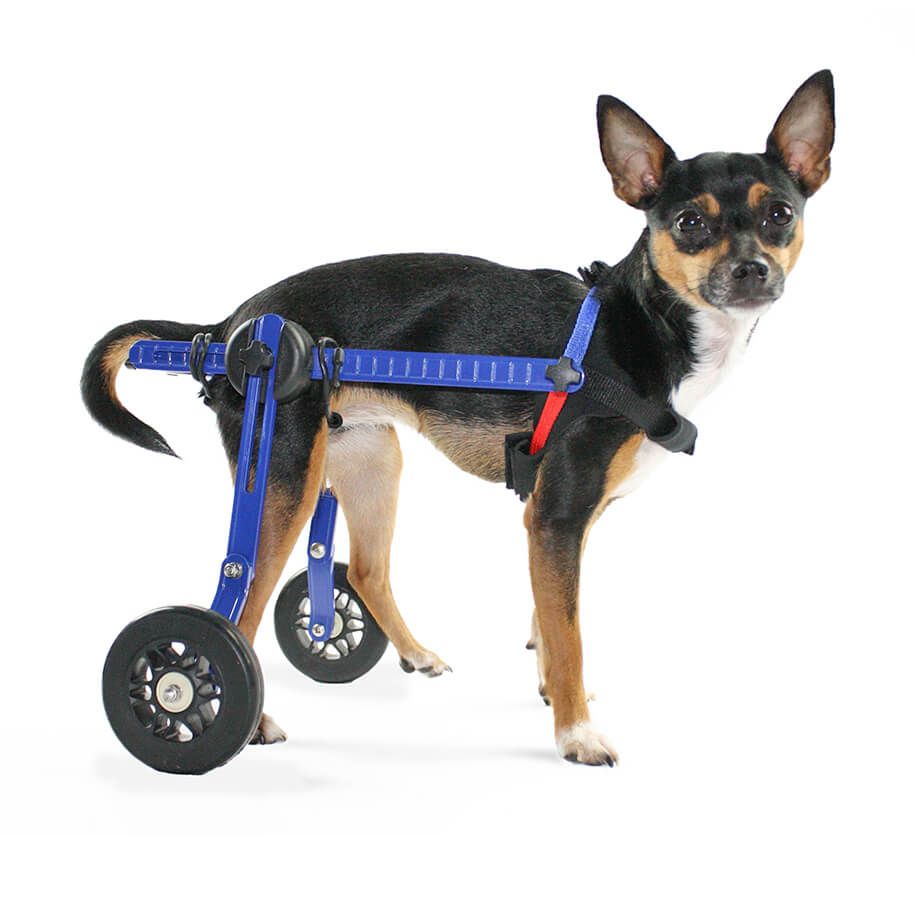
Credit: walkinpets.com
Eligibility And Requirements
Adopting a retired military dog is a rewarding experience. These dogs have served their country. They deserve a loving home. Before adopting, understand the eligibility and requirements involved. Meeting these criteria ensures a smooth adoption process.
Age And Home Environment
Consider the dog’s age before adopting. Retired military dogs are often older. They may require special care or attention. Ensure your home environment is suitable. A calm setting is ideal for them. They need space to move and feel safe. Families with young children should be cautious. Some dogs may not be comfortable around kids. Assess your living situation carefully. Make necessary adjustments for the dog’s comfort.
Application Process
The application process is straightforward. Begin by contacting military dog adoption agencies. They will guide you through the steps. Fill out an application form. Provide personal and home information. This includes your experience with dogs. A background check may be required. Agencies want to ensure a safe home for the dog. Be honest and thorough in your application. It increases your chances of approval.
After submission, a home visit might occur. This assesses the suitability of your home. Be prepared to answer questions. Show how you plan to care for the dog. Patience is essential during this process. Approval can take time. Stay committed and keep communication open. Successfully adopting a retired military dog is worth the effort. Enjoy the companionship and loyalty these dogs offer.
Preparing Your Home
Preparing your home is a crucial step when adopting a retired military dog. These dogs have unique experiences and needs that require thoughtful attention. Creating a welcoming environment helps ease their transition into civilian life and builds a strong bond from day one.
Safe And Comfortable Space
Retired military dogs often need a quiet place to relax away from noise and distractions. Choose a spot in your home where your dog can feel secure and undisturbed. It can be a cozy corner with soft bedding or a crate that acts as their personal den.
Make sure this space is free from hazards like electrical cords or sharp objects. Consider the dog’s size and mobility when setting up the area. A calm environment helps reduce anxiety and makes your dog feel safe as they adjust to their new life.
Necessary Supplies
Before bringing your dog home, gather essential supplies to meet their daily needs. These include:
- High-quality dog foodthat suits their dietary requirements
- Water and food bowlsthat are stable and easy to clean
- Comfortable beddingthat supports joints and muscles
- Collar, leash, and harnessdesigned for control and comfort
- Toys and chewsto keep them mentally stimulated
- Grooming toolslike brushes and nail clippers
Have you thought about how much patience and consistency your new companion might need? Stocking up on the right supplies before arrival shows your commitment and helps you avoid last-minute stress.
Adjusting To Civilian Life
Adopting a retired military dog means welcoming a new family member who has served with dedication and discipline. Transitioning from a structured military environment to a calm civilian home can be challenging for these dogs. Understanding how they adjust helps you provide the right support and create a smooth transition.
Behavioral Changes To Expect
Retired military dogs often show changes in behavior as they adjust to civilian life. You might notice increased alertness or occasional anxiety, especially in noisy or crowded places. These dogs are trained to stay focused, but now they need to learn when it’s okay to relax.
Some dogs may have difficulty with sudden loud noises or unexpected movements. Others could display protective instincts or prefer sticking close to you. Recognizing these behaviors helps you respond calmly and avoid misunderstanding your dog’s needs.
Building Trust And Patience
Building trust with your retired military dog takes time and patience. These dogs are used to clear commands and routine, but they need to feel safe and loved in a new environment. Consistent, gentle interactions help create a bond that encourages them to open up.
Spend quiet moments together without distractions, allowing your dog to explore and relax at their own pace. Positive reinforcement, like treats and praise, can guide them through new experiences confidently. Have you noticed how a patient approach can transform hesitation into curiosity?
Training And Socialization
Training and socialization play a key role in helping a retired military dog adjust to home life. These dogs come with strong skills but need gentle guidance to fit into a family environment. Careful training builds trust and helps them feel safe and happy.
Continuing Obedience Training
Retired military dogs often know basic commands well. Continue obedience training to maintain their discipline. Use short sessions with positive reinforcement like treats and praise. Consistency matters. Repeat commands clearly and reward good behavior immediately.
Focus on social cues and calm responses. Military dogs may react strongly to loud noises or sudden movements. Gentle training helps reduce stress and builds confidence in new situations. Teach simple commands such as sit, stay, and come to strengthen your bond.
Introducing To Family And Pets
Introduce the dog slowly to family members and pets. Start with one person at a time in a quiet room. Let the dog approach at its own pace. Watch body language for signs of stress or comfort.
For pets, use a leash or barrier for initial meetings. Allow short, calm interactions. Gradually increase time together as they become comfortable. Create a safe space where the dog can retreat if overwhelmed.
Patience is essential. Each dog adjusts differently. Positive experiences lead to trust and peaceful coexistence in the home.

Credit: mywaggle.com
Health And Wellness Care
Retired military dogs deserve special attention to stay healthy and happy. Their past work may affect their health needs. Careful health and wellness routines help them adjust to home life. Understanding their unique needs is key to proper care.
Routine Vet Checkups
Regular visits to the vet keep retired military dogs in good health. Vets check for common issues like joint pain or skin problems. Vaccinations and parasite control protect them from diseases. Early detection of illness ensures faster treatment. Keep a health record to track all vet visits and treatments.
Nutrition And Exercise
Proper nutrition supports the energy and healing needs of retired military dogs. Choose high-quality dog food suited for their age and activity level. Avoid sudden diet changes to prevent stomach upset. Exercise helps maintain muscle strength and mental health. Gentle walks and playtime suit dogs with past injuries. Balance rest and activity to avoid exhaustion.
Support And Resources
Adopting a retired military dog is a rewarding journey that requires the right support and resources. These dogs often have unique needs due to their training and service history. Finding reliable help can make the transition smoother for both the dog and the new owner.
Support systems provide vital information on care, behavior, and health. They connect adopters with experienced people who understand military dogs. Access to these resources helps ensure a happy and healthy life for the dog.
Veteran Dog Organizations
Many organizations focus on retired military dogs and their adoption. They offer guidance on training and settling dogs into homes. These groups often provide medical care and behavioral support too.
- Help with adoption paperwork and legal requirements
- Veterinary care and health checks
- Training tips specific to military dog needs
- Matching dogs with suitable families
Connecting with these organizations gives access to expert advice. They understand the challenges and rewards of adopting a military dog. Their support increases the chance of a successful adoption.
Community And Online Groups
Online communities are excellent places for support and advice. Members share personal experiences and tips on caring for retired military dogs. These groups provide emotional support and practical help.
- Forums for asking questions and sharing stories
- Social media groups with active adopters and trainers
- Regular meetups or virtual events to connect with others
- Resources for training, health, and behavior issues
Being part of a community reduces feelings of isolation. It helps adopters learn from others’ successes and challenges. These groups create a network of care around the retired military dog.

Credit: www.yahoo.com
Frequently Asked Questions
How Do I Adopt A Retired Military Dog?
To adopt a retired military dog, contact organizations specializing in military dog adoptions. Complete an application, pass a home check, and attend an interview. These dogs are trained and need loving homes for retirement.
What Are The Benefits Of Adopting Military Dogs?
Military dogs are highly trained, loyal, and disciplined. They make excellent companions and protectors. Adopting one gives a retired hero a loving home and supports veteran animal programs.
Are Retired Military Dogs Good With Families?
Yes, many retired military dogs adjust well to family life. They are socialized and trained but may need time to adapt. Proper introduction and patience ensure a smooth transition.
What Special Care Do Retired Military Dogs Need?
Retired military dogs may require medical checkups and gentle training. They need a calm environment and consistent routines. Understanding their past helps provide the best care and comfort.
Conclusion
Adopting a retired military dog brings joy and purpose to both lives. These dogs have served bravely and now seek loving homes. They need patience, care, and lots of love. Training and understanding their past help build trust and comfort.
You give them a safe place to heal and thrive. The bond you create will be strong and rewarding. Choosing to adopt means saving a loyal friend’s life. It’s a special chance to honor their service every day.

Emily Barker is the founder of ChillDogLife.com, a space dedicated to helping pup parents discover the best dog products, lifestyle tips, and cozy ideas for happier homes.
A lifelong dog lover, Emily combines her passion for pets with a knack for research to share trusted recommendations on everything from toys and furniture to health and everyday care.
Her goal is simple: to make life easier, stylish, and more joyful for dogs and the people who love them.




