
Have you ever wondered if your dog can still catch rabies after getting the vaccine? It’s a question many pet owners ask because keeping your furry friend safe is your top priority.
You want to be sure the vaccine truly protects them from this deadly disease. You’ll discover how the rabies vaccine works, what it means for your dog’s health, and what you need to watch out for. Keep reading to get the clear answers you need to protect your loyal companion.
Rabies Vaccine Basics
Understanding the basics of the rabies vaccine is essential if you want to protect your dog effectively. Many dog owners wonder if a vaccinated dog can still get rabies. To answer this, you need to know how the vaccine works, the types available, and the recommended vaccination schedule.
How Rabies Vaccine Works
The rabies vaccine stimulates your dog’s immune system to create antibodies. These antibodies fight off the rabies virus if your dog is ever exposed. It doesn’t kill the virus directly but prepares the body to respond quickly and strongly.
Think of the vaccine as a training session for the immune system. It learns to recognize the rabies virus so it can react faster than it would without vaccination. This early response is what usually prevents the disease from developing.
Types Of Rabies Vaccines
There are two main types of rabies vaccines for dogs:
- Modified Live Virus (MLV):Contains a weakened form of the virus, stimulating a strong immune response. It is highly effective but less commonly used due to safety concerns.
- Inactivated (Killed) Vaccine:Contains virus particles that are dead and cannot cause disease. This is the safest and most widely used option for dogs.
Which type your vet recommends can depend on local regulations and your dog’s health. Have you ever asked your vet why they chose a particular vaccine? It’s worth discussing to understand the best protection for your dog.
Vaccination Schedule For Dogs
Puppies usually get their first rabies vaccine between 12 and 16 weeks old. After that, a booster shot is needed one year later to maintain immunity. Following this, dogs typically receive boosters every one to three years, depending on the vaccine and local laws.
Keeping up with this schedule is critical. Missing boosters can leave your dog vulnerable. What reminders do you use to make sure your dog’s vaccines are up to date?
Credit: www.amcny.org
Effectiveness Of Rabies Vaccine
Dogs vaccinated against rabies are highly protected and rarely catch the disease. Vaccines boost the immune system to fight the virus effectively. Still, no vaccine offers 100% protection, so timely boosters are essential.
The effectiveness of the rabies vaccine in dogs is a crucial topic for any dog owner. You might wonder if your vaccinated pet is still at risk. Understanding how the vaccine works can provide peace of mind.Immune Response In Dogs
When a dog receives a rabies vaccine, its immune system is trained to recognize and combat the rabies virus. This process involves the production of antibodies that remain vigilant for any signs of the virus. Think of it as a security system for your dog’s health. This immune response is vital to ensure long-term protection.Duration Of Protection
How long does the vaccine’s protection last? Typically, a rabies vaccine can protect your dog for one to three years, depending on the vaccine type and your region’s regulations. It’s crucial to keep your dog’s vaccinations up to date to maintain this protection. Regular check-ups with your vet can help ensure your dog’s immunity is strong.Factors Affecting Vaccine Efficacy
Several factors can impact how well the rabies vaccine works. The dog’s age, health status, and even stress levels can influence the vaccine’s effectiveness. For example, a dog that is ill or stressed might not respond as robustly to the vaccine. Ensuring your pet is healthy and calm at the time of vaccination can help maximize the vaccine’s efficacy. Have you ever considered how these factors might affect your dog’s protection? Keeping a close eye on your dog’s health and stress levels can make a significant difference.Can Vaccinated Dogs Still Get Rabies?
Rabies vaccination greatly reduces a dog’s chance of getting rabies. Vaccines build the dog’s defense against the virus. Still, no vaccine offers 100% protection. Some vaccinated dogs may get infected in rare cases.
Understanding how and why this happens helps pet owners stay alert. It also highlights the importance of regular vaccines and vet check-ups.
Breakthrough Infections Explained
Breakthrough infections happen when a vaccinated dog contracts rabies. This is very rare. It occurs if the dog’s immune system did not respond well to the vaccine.
Factors like improper vaccine storage or missed booster shots may cause this. The virus might also be a strain not fully covered by the vaccine.
Rare Cases And Their Causes
- Vaccine failure due to weak immune response
- Exposure to very high amounts of the rabies virus
- Use of expired or improperly handled vaccines
- Infection by unusual virus variants
Such cases are uncommon and often involve other health problems in the dog.
Symptoms In Vaccinated Dogs
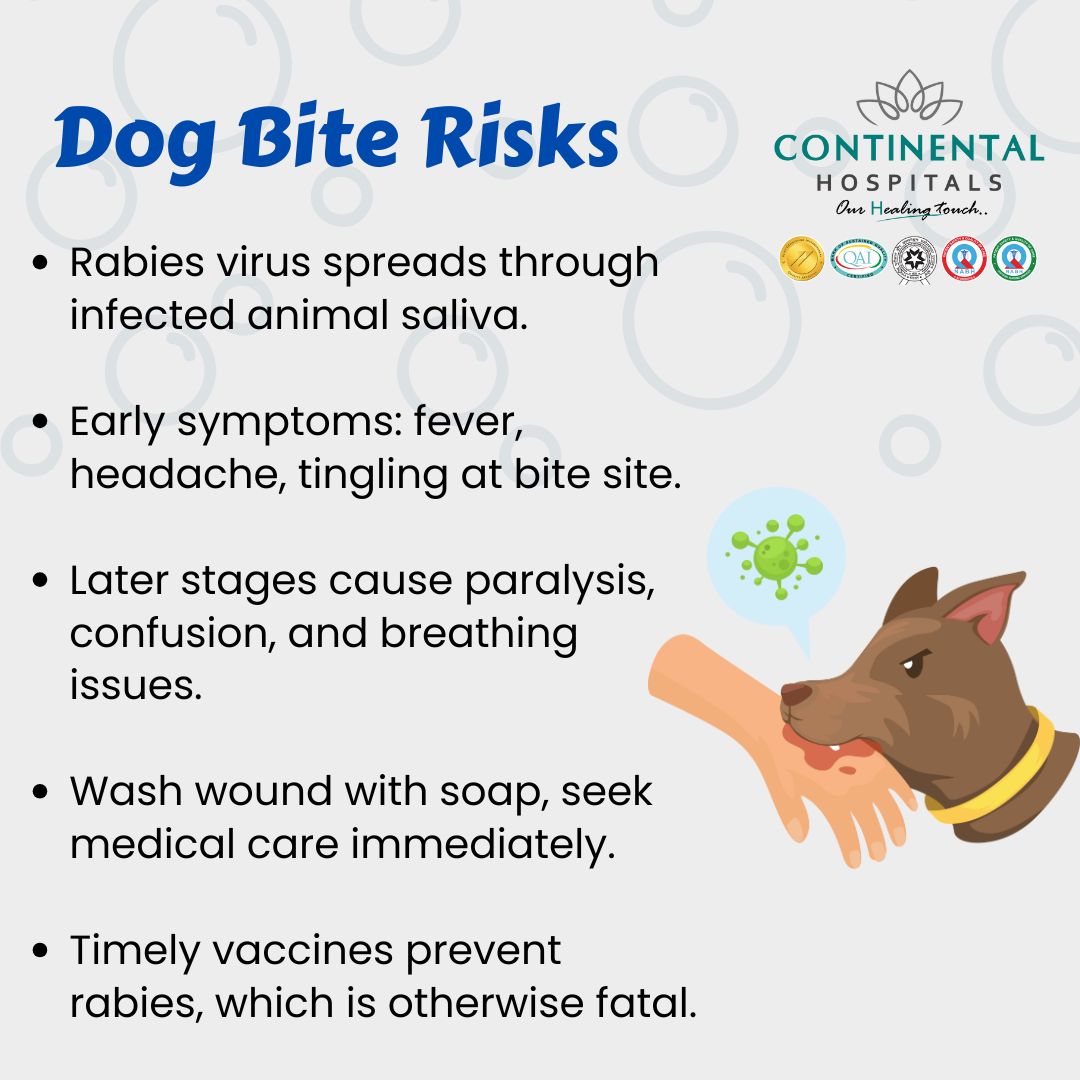
Signs of rabies in vaccinated dogs can be similar to unvaccinated ones. Early signs include:
- Changes in behavior or temperament
- Excessive drooling or difficulty swallowing
- Weakness or paralysis
- Unusual aggression or fearfulness
Immediate veterinary care is crucial if any symptoms appear. Quick action can save lives and prevent spread.
Credit: continentalhospitals.com
Risks Without Proper Vaccination
Skipping proper vaccination for your dog leaves them vulnerable to rabies, a deadly disease. Even if a dog has received a rabies vaccine, missing booster shots or delaying vaccinations can increase risks. Understanding these dangers helps you protect your furry friend and those around them.
Exposure To Rabies Virus
Dogs without proper vaccination can easily contract rabies if bitten by a wild animal or another infected dog. The rabies virus spreads through saliva, making any bite or scratch a potential source of infection. Imagine walking your dog in a park where wild animals roam—without vaccination, one encounter could be fatal.
Consequences Of Skipping Vaccines
Missing vaccines doesn’t just increase the chance of infection; it also means your dog might not survive if exposed. Rabies progresses quickly and is almost always fatal once symptoms show. Vaccination primes your dog’s immune system to fight the virus, giving them a crucial defense.
Legal And Health Implications
Many places require rabies vaccination by law, so skipping it can lead to fines or quarantine orders. If your unvaccinated dog bites someone, you could face serious legal trouble and medical costs. Protecting your dog with proper vaccines is not just about health—it’s about avoiding complex legal issues too.
Boosters And Maintaining Immunity
Keeping your dog protected against rabies isn’t just about getting the initial vaccine. Immunity can fade over time, which is why boosters are crucial. Understanding when and how to maintain that immunity helps ensure your dog stays safe throughout their life.
When To Give Booster Shots
Rabies vaccines don’t last forever. After the first vaccine, your dog usually needs a booster within a year. After that, boosters are typically given every one to three years, depending on the vaccine type and local laws.
Missing a booster can leave your dog vulnerable to rabies. Have you ever wondered if skipping one might be risky? It is, because immunity can drop below protective levels without timely boosters.
Monitoring Antibody Levels
Antibody tests can show how well your dog’s immune system is responding to the vaccine. If levels are low, a booster may be needed sooner than scheduled. This test is especially useful for dogs with health issues or those traveling to high-risk areas.
Wouldn’t it be reassuring to know your dog’s protection level? Regular monitoring can give you peace of mind and help prevent gaps in immunity.
Veterinary Recommendations
Your vet knows your dog’s health and local rabies risks best. They can advise on the ideal booster schedule tailored to your dog’s lifestyle and environment. Always follow their guidance rather than guessing when your dog needs a shot.
Ask your vet about any changes in vaccine protocols or new products. Staying informed helps you protect your dog effectively and avoid unnecessary shots.
Protecting Your Dog Beyond Vaccination
Vaccinating your dog against rabies is crucial, but it doesn’t guarantee complete protection. There are other important steps you can take to keep your furry friend safe from this deadly disease. Paying attention to your dog’s environment and health can make a significant difference.
Avoiding High-risk Areas
Some places carry a higher risk of rabies exposure. Areas with a lot of wild animals or stray dogs increase the chance of contact with infected animals.
Try to avoid walking your dog near abandoned buildings, dense woods, or places known for wildlife activity. Even during walks in your neighborhood, stay alert and steer clear of animals acting strangely.
Controlling Wildlife Exposure
Wild animals like raccoons, bats, and skunks are common carriers of rabies. Limiting your dog’s exposure to these animals can reduce the risk dramatically.
Keep your yard secure with fencing and remove food sources that might attract wildlife. Don’t let your dog roam freely in areas where wild animals are often seen. If you notice unusual animals nearby, contact local animal control for help.
Regular Health Checkups
Routine vet visits help catch health issues early, including signs of rabies infection. Your vet can ensure your dog’s vaccinations are up to date and provide advice tailored to your area’s risks.
Ask your vet specific questions about symptoms and what to watch for between visits. Staying proactive with health checkups gives you peace of mind and better protection for your dog.

Credit: www.threads.com
Frequently Asked Questions
Can Vaccinated Dogs Still Get Rabies?
Yes, vaccinated dogs can rarely get rabies if exposed to a high virus dose. Vaccines greatly reduce risk but are not 100% foolproof.
How Effective Is The Rabies Vaccine For Dogs?
The rabies vaccine is highly effective, preventing nearly all rabies cases in vaccinated dogs when administered properly and on schedule.
When Should A Dog Get Its Rabies Vaccine?
Dogs should receive their first rabies vaccine at 12-16 weeks old, with regular booster shots as required by local laws.
Can Rabies Symptoms Appear After Vaccination?
Rabies symptoms are extremely rare after vaccination. If symptoms appear, it usually means the dog was infected before vaccination.
Conclusion
A dog with a rabies vaccine is very unlikely to get rabies. The vaccine helps protect your dog from this deadly disease. It works by building strong defenses inside their body. Still, no vaccine is 100% perfect. Keeping your dog’s vaccinations up to date is very important.
Regular vet visits help catch any health issues early. Protect your dog and your family by staying informed and careful. Rabies prevention saves lives. Always choose safety first.

Emily Barker is the founder of ChillDogLife.com, a space dedicated to helping pup parents discover the best dog products, lifestyle tips, and cozy ideas for happier homes.
A lifelong dog lover, Emily combines her passion for pets with a knack for research to share trusted recommendations on everything from toys and furniture to health and everyday care.
Her goal is simple: to make life easier, stylish, and more joyful for dogs and the people who love them.




