Have you ever wondered if your furry friend could pass something harmful to you? Dogs bring so much joy, but they can also carry parasites that might affect your health.
You might be surprised to learn how easily some parasites can move from your dog to you without you even realizing it. Understanding the risks and how to protect yourself is crucial. Keep reading to discover the facts about parasites from dogs and how you can keep both yourself and your pet safe.
Credit: emeraldanimal.com
Common Parasites In Dogs
Dogs are common hosts to a variety of parasites, some of which can affect your health too. Knowing the typical parasites your dog might carry helps you protect both your pet and yourself. Let’s look at some of the most common parasites found in dogs and how they might impact you.
Fleas And Ticks
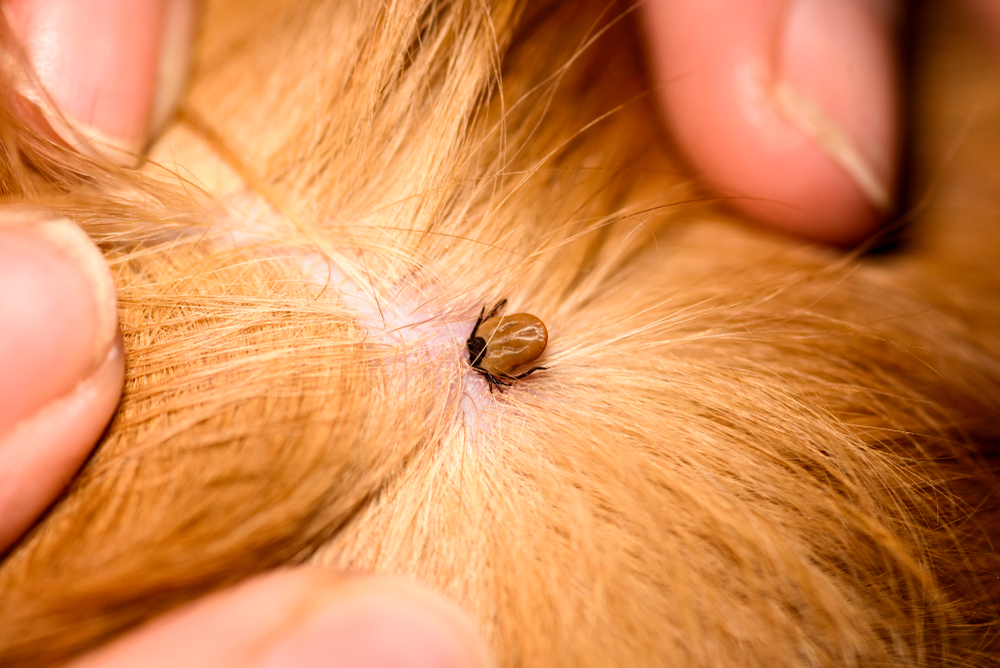
Fleas and ticks are the most well-known parasites found on dogs. They latch onto your pet’s skin and feed on their blood, causing itching and discomfort. Both can also transmit diseases to humans, such as Lyme disease from ticks and flea-borne illnesses like murine typhus.
If you’ve ever experienced intense itching after cuddling your dog, fleas might be the culprit. Regular grooming and flea prevention treatments are essential to keep these pests at bay. Have you checked your dog for ticks after outdoor adventures?
Roundworms And Hookworms
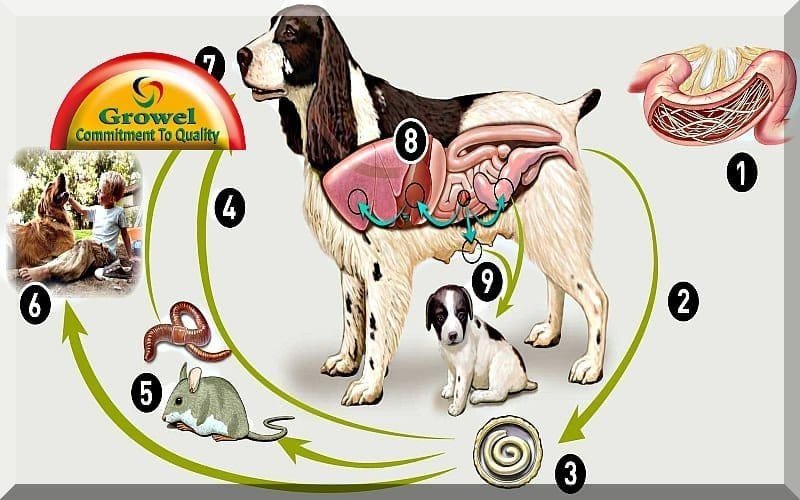
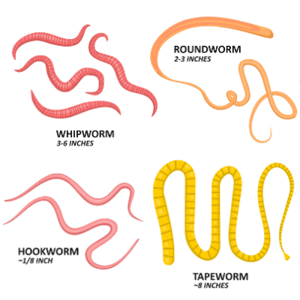
Roundworms and hookworms live in your dog’s intestines and shed eggs through their feces. These eggs can contaminate soil or surfaces, posing a risk if you or your children come into contact with them. Hookworms can even penetrate human skin, causing itchy, red tracks.
Worming your dog regularly is crucial, especially if they spend time outdoors or interact with other animals. Washing your hands after handling your dog or cleaning up after them reduces your risk. Could a simple hygiene habit protect your family from these parasites?
Giardia And Coccidia
Giardia and coccidia are microscopic parasites that cause intestinal infections in dogs. They spread through contaminated water, feces, or soil, leading to diarrhea and stomach upset in your pet. People can also catch Giardia, making it a shared health concern.
Prevent your dog from drinking stagnant water and keep their living area clean to reduce infection risk. If your dog has persistent diarrhea, a vet visit is necessary to diagnose and treat these parasites. Are you watching for signs that your dog might need medical attention?
Credit: www.preventivevet.com
How Parasites Spread To Humans
Parasites can spread to humans through close contact with dogs, especially if the dog carries worms or fleas. Touching your pet or cleaning up after them may expose you to parasite eggs or larvae. Good hygiene helps reduce the risk of catching parasites from dogs.
Understanding how parasites spread from dogs to humans is crucial for maintaining your health and your family’s well-being. Dogs are beloved companions, but they can sometimes be carriers of parasites that might unexpectedly find their way into your life. Knowing the pathways of transmission can help you take preventive measures to protect yourself and your furry friend. Let’s explore these pathways.Direct Contact
Parasites often spread through direct contact with an infected dog. This can happen when you pet your dog or when they lick your face. If your dog has parasites on their skin or in their saliva, there’s a risk of transmission. Imagine playing fetch in the park, and your dog comes running back with a wagging tail, ready for a pat. It’s a joyous moment, but if your dog has parasites like fleas or ticks, they might transfer to you. Regularly checking your pet and maintaining their hygiene can help reduce this risk.Contaminated Environment
Parasites can linger in environments your dog frequents. Dog parks, backyards, and even your living room can harbor parasite eggs or larvae. These can stick to your shoes or hands, making their way into your home. Think about the last time you cleaned your dog’s favorite sleeping area. Without regular cleaning, it becomes a breeding ground for parasites. Vacuuming and washing your dog’s bedding regularly can minimize exposure.Insect Vectors
Insects like mosquitoes and fleas can act as carriers, transferring parasites from dogs to humans. These insects bite an infected dog and then bite you, passing on the parasites. Consider the warm summer evenings spent outside with your pet. While you enjoy the sunset, mosquitoes might be buzzing around, posing a hidden threat. Using insect repellent and keeping your dog protected with flea and tick treatments can help keep these pests at bay. Are you doing everything you can to protect yourself from these hidden dangers? With a little vigilance, you can enjoy your time with your dog without worrying about unwanted guests.Risks Of Parasite Transmission
Parasite transmission from dogs to humans is a real concern, especially if you spend a lot of time with your furry friend. Parasites like roundworms, hookworms, and tapeworms can sometimes jump from pets to people. Understanding the risks helps you protect yourself and your family better.
Symptoms In Humans
Parasite infections in humans can show up in many ways. You might notice digestive issues like diarrhea, stomach pain, or nausea. Skin problems such as rashes or itching can also occur.
Sometimes, symptoms are subtle and easy to miss. Fatigue and unexplained weight loss might be signs too. If you’ve been around a dog with parasites, watch for these symptoms closely.
High-risk Groups
Not everyone faces the same risk of catching parasites from dogs. Children are particularly vulnerable because they often play on the ground and put their hands in their mouths. Elderly people and those with weakened immune systems also need to be extra careful.
If you’re pregnant, parasites can cause complications, so it’s wise to stay cautious. Pet owners who don’t practice good hygiene after handling their dogs or cleaning up after them may increase their risk unknowingly.
Severity Of Infections
Parasite infections can range from mild to severe. Some infections clear up quickly with simple treatment. Others, especially if left untreated, can lead to serious health problems like organ damage or chronic illness.
Have you ever considered how quickly a minor infection might turn serious? Prompt diagnosis and treatment are key to avoiding complications. Always consult a healthcare provider if you suspect an infection.
Credit: www.canadapetcare.com
Preventing Parasite Transmission
Preventing parasite transmission from your dog to yourself or your family is crucial for maintaining good health. Parasites like fleas, ticks, and worms can easily jump from pets to humans if left unchecked. Taking simple but consistent steps can drastically reduce the risk and keep both you and your furry friend safe.
Regular Vet Checkups
Regular visits to the vet are your first line of defense. Your vet can spot early signs of parasite infestations that might not be obvious to you yet. They also recommend the right treatments based on your dog’s lifestyle and local parasite risks.
I once skipped a vet visit and missed a tick infestation on my dog. It quickly spread and caused a lot of stress for both of us. That experience taught me how vital these checkups are—not just for your dog’s health but for your own peace of mind.
Proper Hygiene Practices
Good hygiene is a simple way to block parasites. Wash your hands thoroughly after playing with or cleaning up after your dog. Avoid letting your dog lick your face, especially around your mouth and eyes.
Regularly clean your dog’s bedding, toys, and living area. Parasites can live in these spots and reinfect your pet or spread to you. Simple steps like vacuuming and washing with hot water make a big difference.
Parasite Control Products
Use vet-approved parasite control products to protect your dog. These include spot-on treatments, oral medications, and flea collars. Choosing the right product depends on your dog’s age, health, and the parasites common in your area.
Don’t assume one product fits all. Some products target fleas but not ticks, or worms but not fleas. Talk to your vet about a comprehensive plan that covers all bases.
- Check expiration dates on all treatments.
- Follow application instructions carefully.
- Maintain a consistent schedule—parasites don’t take breaks.
Are you confident your current parasite prevention routine covers all risks? If not, it might be time to revisit your approach with your vet’s advice.
When To See A Doctor
Knowing when to see a doctor is crucial if you suspect you might have contracted a parasite from your dog. Early detection can prevent complications and ensure proper treatment. Don’t ignore symptoms that feel unusual or persist longer than expected.
Recognizing Warning Signs
Watch out for symptoms like persistent stomach pain, diarrhea, unexplained weight loss, or fatigue. Skin issues such as rashes or itching might also signal a parasite infection. If you notice these signs, especially after close contact with your dog, it’s time to act.
Ask yourself: Are these symptoms getting worse or lasting beyond a few days? Ignoring them could allow the parasite to cause more harm.
Diagnostic Tests
Your doctor may order specific tests to confirm if you have a parasite. These can include stool samples, blood tests, or imaging scans. Each test helps pinpoint the exact parasite and how severe the infection is.
Remember, accurate diagnosis is the foundation of effective treatment. Don’t hesitate to share your pet’s health history with your doctor—it can provide critical clues.
Treatment Options
Treatment varies depending on the type of parasite involved. Doctors often prescribe antiparasitic medications that target the infection directly. Sometimes, additional therapies may be necessary if the parasite has caused complications.
Following the full course of treatment is essential to prevent relapse. Also, maintaining good hygiene and regular veterinary care for your dog can reduce the risk of reinfection.
Myths And Facts About Dog Parasites
Dog parasites often spark worry among pet owners. You might wonder if your furry friend can pass these parasites to you. Sorting facts from myths helps you protect both yourself and your pet effectively.
Common Misconceptions
Many believe that simply petting a dog can transmit parasites to humans. While some parasites are zoonotic, transmission usually requires close contact with infected feces or contaminated environments.
Another myth is that indoor dogs don’t carry parasites. Parasites can sneak in through fleas or even contaminated soil brought inside on shoes or paws.
Have you ever heard that regular grooming alone prevents all parasites? Grooming helps, but it doesn’t replace proper veterinary care and preventive treatments.
Scientific Evidence
Research shows that parasites like roundworms and hookworms can infect humans, but the risk depends on hygiene and exposure levels. Scientific studies emphasize that good sanitation drastically reduces this risk.
Fleas and ticks are common carriers of diseases, but not all transmit parasites to humans. Understanding which parasites affect humans and how they spread is key to staying safe.
Veterinary science recommends routine parasite screenings and preventive medications to keep infections at bay for pets and their owners.
Safe Pet Ownership
- Regular Vet Visits:Schedule parasite checks and vaccinations to catch issues early.
- Proper Hygiene:Wash hands after handling pets or cleaning up waste to avoid accidental ingestion of parasite eggs.
- Clean Environment:Keep your home and yard free of pet waste and debris where parasites can thrive.
- Preventive Treatments:Use flea, tick, and worm preventives as advised by your vet.
Taking these steps not only protects your dog but also minimizes any chance of parasites affecting your family. Do you think your current pet care routine covers these essentials?
Frequently Asked Questions
Can Dogs Transmit Parasites To Humans?
Yes, dogs can transmit parasites like roundworms, hookworms, and fleas to humans through direct contact or contaminated environments.
What Are Common Dog Parasites Affecting Humans?
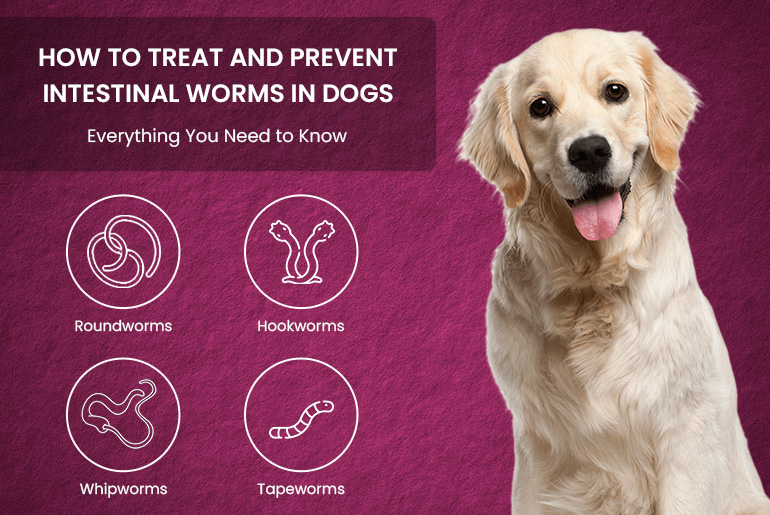
Common parasites include roundworms, hookworms, tapeworms, and fleas. These can cause health issues if transmitted to humans.
How Can I Prevent Parasite Transmission From My Dog?
Regular vet check-ups, flea control, proper hygiene, and cleaning up dog waste can effectively reduce parasite risks.
What Symptoms Indicate Parasite Infection From Dogs?
Symptoms may include skin rashes, itching, digestive issues, or fatigue. Consult a doctor if you suspect infection.
Conclusion
Dogs can carry parasites that may affect humans. Good hygiene helps reduce risks. Washing hands after petting dogs is smart. Regular vet visits keep pets healthy and parasite-free. Clean your dog’s living area often. Watch for signs of parasites in your dog.
Early action stops infections from spreading. Enjoy your dog safely with simple care. Parasite risks exist but can be managed well. Stay informed and protect your family’s health.

Emily Barker is the founder of ChillDogLife.com, a space dedicated to helping pup parents discover the best dog products, lifestyle tips, and cozy ideas for happier homes.
A lifelong dog lover, Emily combines her passion for pets with a knack for research to share trusted recommendations on everything from toys and furniture to health and everyday care.
Her goal is simple: to make life easier, stylish, and more joyful for dogs and the people who love them.




