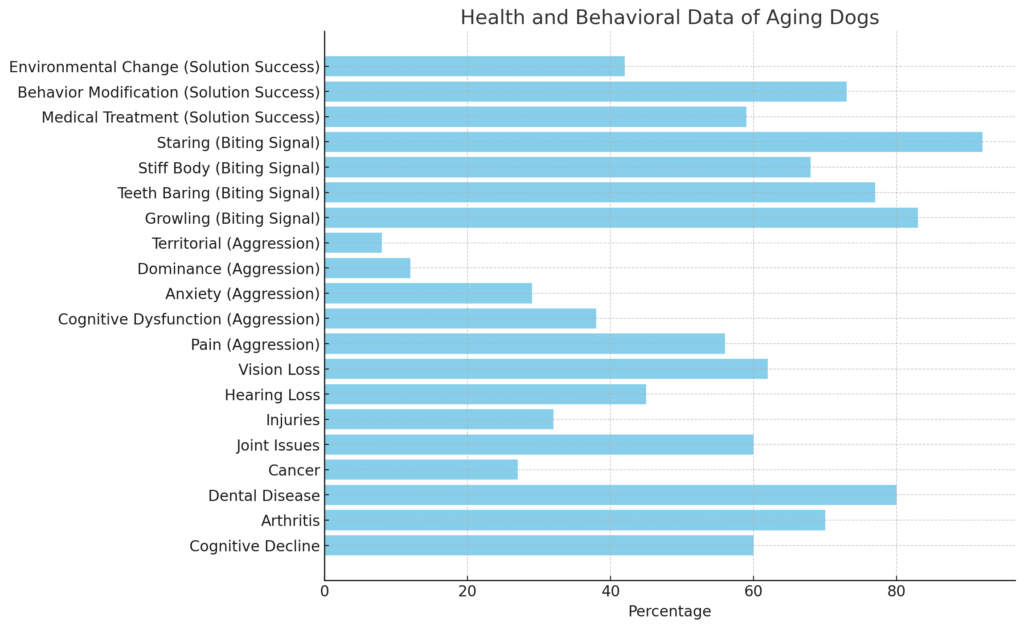
Have you noticed your dog acting differently lately? Maybe your once lively pup has slowed down, or their mood seems off.
These changes can be confusing and even a little worrying. Understanding the behavioral changes in older dogs is key to helping your furry friend stay happy and comfortable. You’ll discover what signs to look for, why they happen, and how you can support your dog through this new stage of life.
Keep reading to learn how to make your dog’s golden years truly golden.
Credit: shallowfordvet.com
Common Behavioral Changes
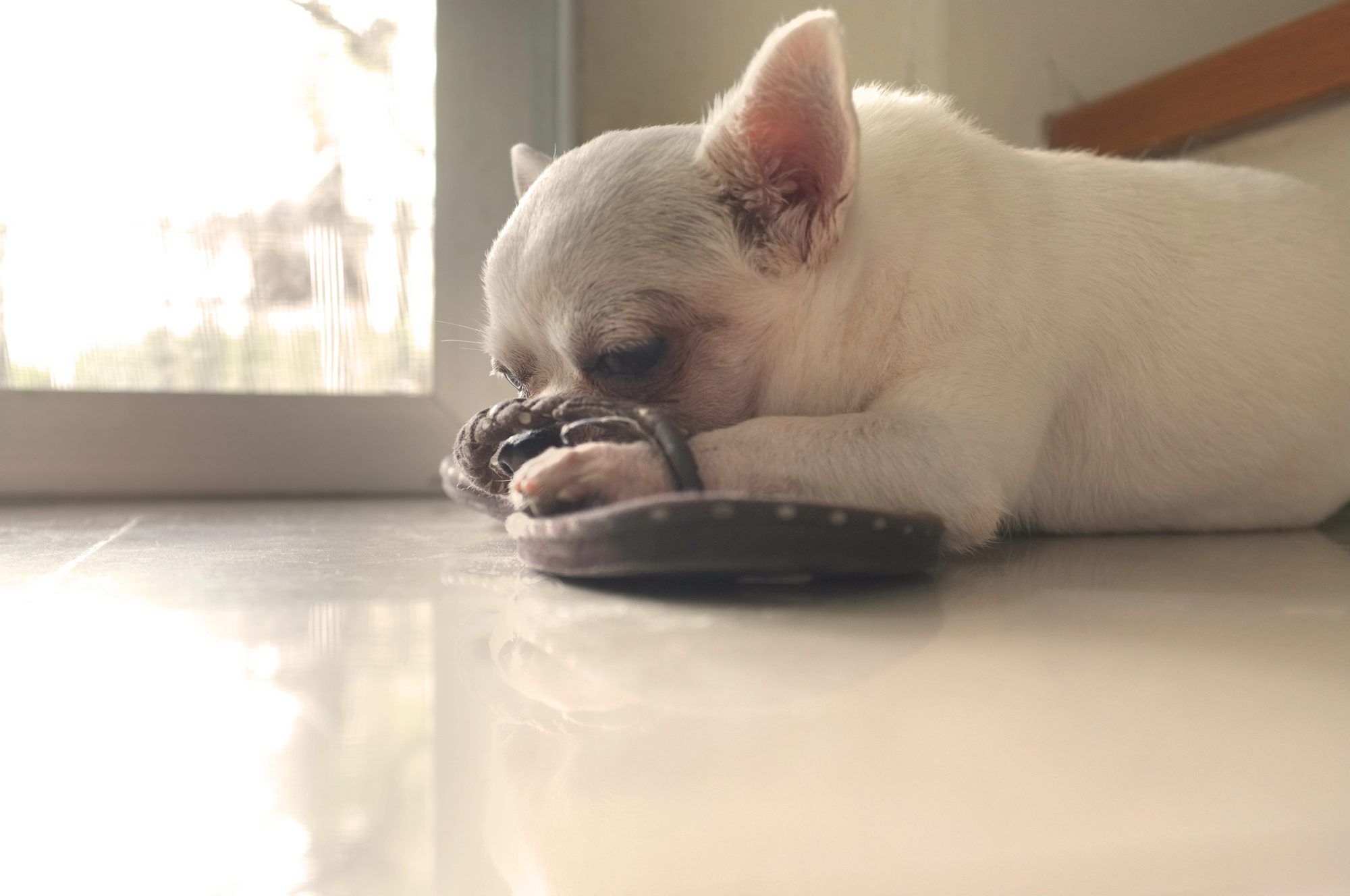
Older dogs often show changes in how they act. These behaviors can be signs of aging or health issues.
Understanding these changes helps owners care better for their pets as they grow older.
Decreased Activity Levels
Older dogs usually move less and rest more. Their energy drops as they age.
They may avoid playing or walking long distances. Joint pain or tiredness can cause this.
- Less interest in games
- Slower walking pace
- More frequent resting
Altered Sleep Patterns
Older dogs often change their sleep habits. They might sleep more during the day.
Nighttime rest can be shorter or broken. This may be due to discomfort or health issues.
- Long naps in the afternoon
- More waking at night
- Restlessness during sleep
Changes In Social Interaction
Older dogs may act differently around people and other pets. They might seek less attention.
Some dogs become more distant or less playful. Others may want more comfort and closeness.
- Less interest in meeting new dogs
- Reduced play with family members
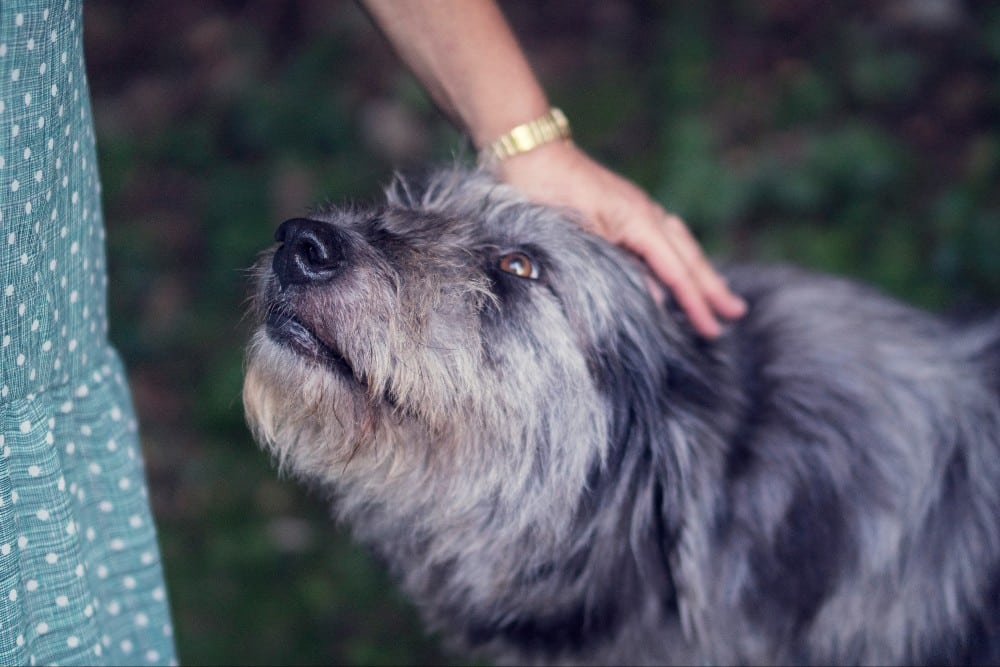
- Increased need for gentle petting
Increased Anxiety Or Fear
Older dogs can show more fear or stress. New sounds or places may upset them easily.
They might hide, bark more, or seem nervous without clear reasons. This can be linked to aging brain changes.
- Hiding during loud noises
- Unexplained barking or whining
- Fear of new people or places
Signs Of Cognitive Decline
Cognitive decline in older dogs can affect their behavior. It’s important to notice these changes early to provide the best care.
Recognizing the signs can help you understand your dog's needs better. Let’s explore some common signs of cognitive decline.
Confusion And Disorientation
Dogs may appear lost even in familiar places. This confusion can be distressing for both the dog and the owner.
- Wandering aimlessly around the house
- Getting stuck in corners or behind furniture
- Difficulty finding their way through doors
Memory Loss
Memory loss is a common sign in aging dogs. They might forget routines or commands they once knew.
This can lead to accidents in the house or not recognizing familiar people.
Repetitive Behaviors
Repetitive actions are often seen in older dogs with cognitive decline. These behaviors can include pacing or barking for no reason.
| Behavior | Example |
| Pacing | Walking in circles |
| Barking | Barking at nothing visible |
| Licking | Licking the same spot repeatedly |
Reduced Responsiveness
Older dogs might not respond to their name or commands as they used to. This lack of response can be a sign of cognitive issues.
Health-related Behavior Shifts
Older dogs often show changes in their behavior due to health issues. These shifts can affect their daily routine and interaction.
Recognizing these changes helps owners provide better care and seek veterinary advice when needed.
Changes In Appetite
Older dogs may eat less or more than usual. Pain, dental issues, or illness can reduce their hunger.
Sometimes, an increase in appetite can signal health problems like diabetes or thyroid issues.
Increased Vocalization
More barking, whining, or howling can happen in older dogs. This may show confusion or discomfort.
- Dogs in pain may vocalize more
- Loneliness can cause increased sounds
- Hearing loss might make dogs bark to alert owners
- Cognitive decline can lead to restless vocal behavior
House Soiling
Older dogs might urinate or defecate inside the house. Medical problems like urinary tract infections are common causes.
| Cause | Symptoms | Action |
| Urinary Tract Infection | Frequent urination, accidents | Visit vet for treatment |
| Kidney Disease | Increased thirst, incontinence | Regular checkups and medication |
| Arthritis | Difficulty reaching outdoors | Provide easier access and pain relief |
Aggression Or Irritability
Health issues can make older dogs grumpy or aggressive. Pain and confusion often cause this behavior.
Signs of aggression may include:
- Growling or snapping when touched
- Guarding food or toys more fiercely
- Sudden changes in social behavior
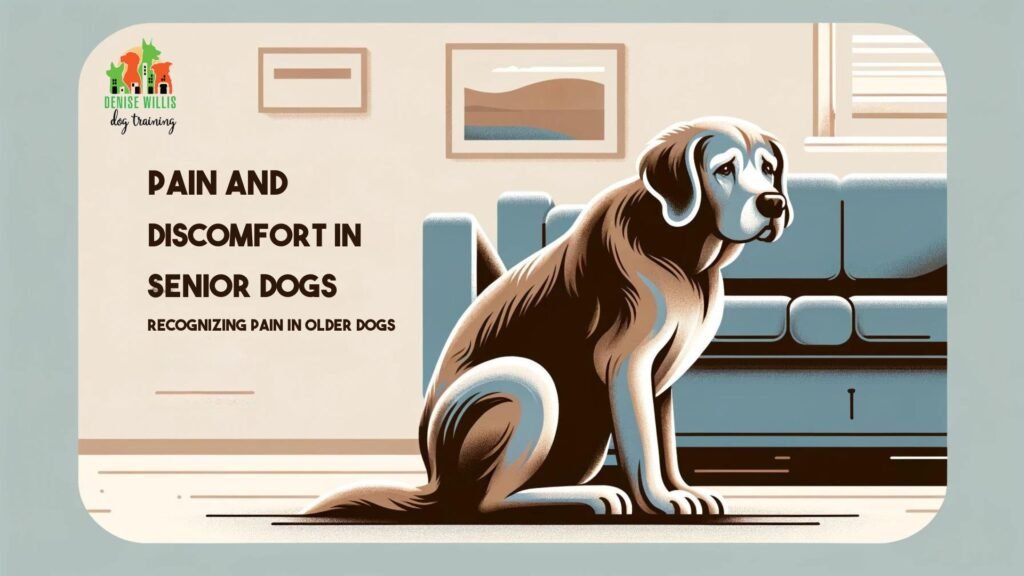
Identifying Pain Or Discomfort
Older dogs often show signs of pain or discomfort in subtle ways. It is important to watch for changes in their behavior.
Noticing these changes early can help you get the right care for your dog. Look for signs like limping, stiffness, or changes in movement.
Limping Or Stiffness
Limping or stiffness can show that your dog feels pain in their joints or muscles. This may be worse after rest or exercise.
- Walking slower than usual
- Favoring one leg
- Difficulty standing up
- Stiffness after sleeping
Avoidance Of Movement
Dogs in pain may avoid moving or playing. They might stay in one spot and not follow you around like before.
This change can affect their mood and energy. Watch if your dog refuses to climb stairs or jump on furniture.
Sensitivity To Touch
If your dog reacts when you touch certain areas, it might mean they feel pain there. They may growl, pull away, or lick the area.
| Reaction | What It Means |
| Growling or snapping | Pain or discomfort |
| Pulling away | Area is tender |
| Excess licking | Trying to soothe pain |
| Whining or yelping | Sharp pain |
Changes In Grooming Habits
Older dogs may groom less if they feel pain. They might miss spots or stop cleaning themselves properly.
Signs of grooming changes include:
- Mattes or tangles in fur
- Dirty or oily coat
- Strong odor from skin
- More scratching or biting
When To Consult A Veterinarian
Older dogs often show changes in behavior as they age. Some changes are normal, but others may signal health issues.
Knowing when to see a vet can help catch problems early and keep your dog comfortable and safe.
Persistent Behavioral Changes
Behavior changes that last a long time or get worse need veterinary attention. These can include increased aggression, anxiety, or confusion.
- Changes in sleep patterns
- Loss of interest in activities
- Unusual aggression or fear
- House soiling after being trained
Sudden Onset Symptoms
Sudden behavior changes can indicate serious health problems. Contact your vet if your dog shows rapid signs of distress or confusion.
| Symptom | Possible Cause |
| Sudden aggression | Pain or neurological issue |
| Disorientation | Brain disease or injury |
| Loss of appetite | Illness or dental pain |
| Severe lethargy | Infection or organ failure |
Impact On Quality Of Life
Behavioral changes that reduce your dog's happiness or comfort need a vet’s evaluation. This helps improve their daily life.
Signs your dog’s quality of life is affected:
- Difficulty moving or climbing stairs
- Severe anxiety or restlessness
- Withdrawing from family or social interactions
- Frequent vocalization like whining or barking
- Changes in eating or drinking habits
Credit: www.dwdogtraining.com
Managing Behavioral Changes
Older dogs often show changes in behavior as they age. These changes can be confusing or hard to manage.
Understanding how to support your dog helps improve their comfort and well-being.
Environmental Adjustments
Changing your dog’s surroundings can reduce stress and anxiety. Make the space safe and easy to move around.
Use soft bedding and lower ramps to help dogs with mobility issues. Keep their area quiet and calm.
- Provide non-slip mats on slippery floors
- Keep food, water, and toys within reach
- Use night lights to help with vision problems
- Remove obstacles to prevent accidents
Routine And Exercise
Older dogs benefit from a regular daily routine. Predictable schedules help reduce confusion and stress.
Gentle exercise keeps muscles strong and joints flexible. Short walks or playtime can improve mood and health.
- Feed meals at the same times each day
- Take short, slow walks daily
- Include rest periods to avoid fatigue
- Maintain consistent grooming and vet visits
Mental Stimulation
Older dogs need mental exercise to stay sharp. Simple games and training can keep their minds active.
Change toys often and introduce new challenges to prevent boredom. Praise your dog to encourage participation.
- Use puzzle feeders for mealtime
- Practice basic commands and tricks
- Offer toys that require problem solving
- Spend quality time with gentle play
Medication And Therapy Options
Some behavioral changes may need medical attention. Consult a vet about medications or therapies that help your dog.
Therapies like massage or acupuncture can ease pain and improve mood. Always follow professional advice.
- Medications for anxiety or cognitive decline
- Anti-inflammatory drugs for joint pain
- Physical therapy for mobility support
- Alternative therapies like massage or acupuncture
Credit: www.thisdogslife.co
Frequently Asked Questions
What Are Common Behavioral Changes In Older Dogs?
Older dogs often show reduced activity, increased sleep, and altered social interactions. They may also develop anxiety or confusion. These changes stem from aging, health issues, or sensory decline. Recognizing these signs helps owners provide better care and comfort for their senior pets.
How Can I Help My Older Dog With Anxiety?
Create a calm environment with routine and comfort. Use gentle exercise and mental stimulation. Consult your vet for anxiety treatments or supplements. Avoid loud noises and sudden changes to reduce stress. Consistent love and patience improve your older dog’s emotional health.
Why Does My Older Dog Seem Confused Sometimes?
Confusion in older dogs may result from canine cognitive dysfunction, similar to dementia. It affects memory, awareness, and learning ability. Aging, brain changes, or medical conditions contribute. Early vet diagnosis can help manage symptoms and improve quality of life for your senior dog.
When Should I See A Vet For My Older Dog’s Behavior?
Visit a vet if behavior changes are sudden, severe, or worsening. Look for signs like aggression, disorientation, or loss of house training. Early diagnosis helps treat underlying health issues. Regular vet check-ups are essential for monitoring your older dog’s wellbeing.
Conclusion
Older dogs often show new behaviors as they age. Watching these changes helps you care for them well. Small signs may mean health or comfort needs. Stay patient and gentle while they adjust. Regular vet visits keep your dog happy and safe.
Loving care makes their senior years peaceful. Remember, every dog’s aging is unique. Understanding their needs shows your deep bond. Keep learning and supporting your furry friend always.

Emily Barker is the founder of ChillDogLife.com, a space dedicated to helping pup parents discover the best dog products, lifestyle tips, and cozy ideas for happier homes.
A lifelong dog lover, Emily combines her passion for pets with a knack for research to share trusted recommendations on everything from toys and furniture to health and everyday care.
Her goal is simple: to make life easier, stylish, and more joyful for dogs and the people who love them.




