Have you ever wondered why some puppies act differently from others? If you’ve met a dog from a puppy mill, you might have noticed behaviors that seem confusing or even troubling.
Understanding puppy mill dog behavior is important if you want to help your furry friend feel safe and happy. You’ll discover the key signs to watch for and learn how to support a dog who may have had a tough start.
Keep reading—your dog’s well-being could depend on it.
Credit: hsmo.org
Origins Of Puppy Mill Dogs
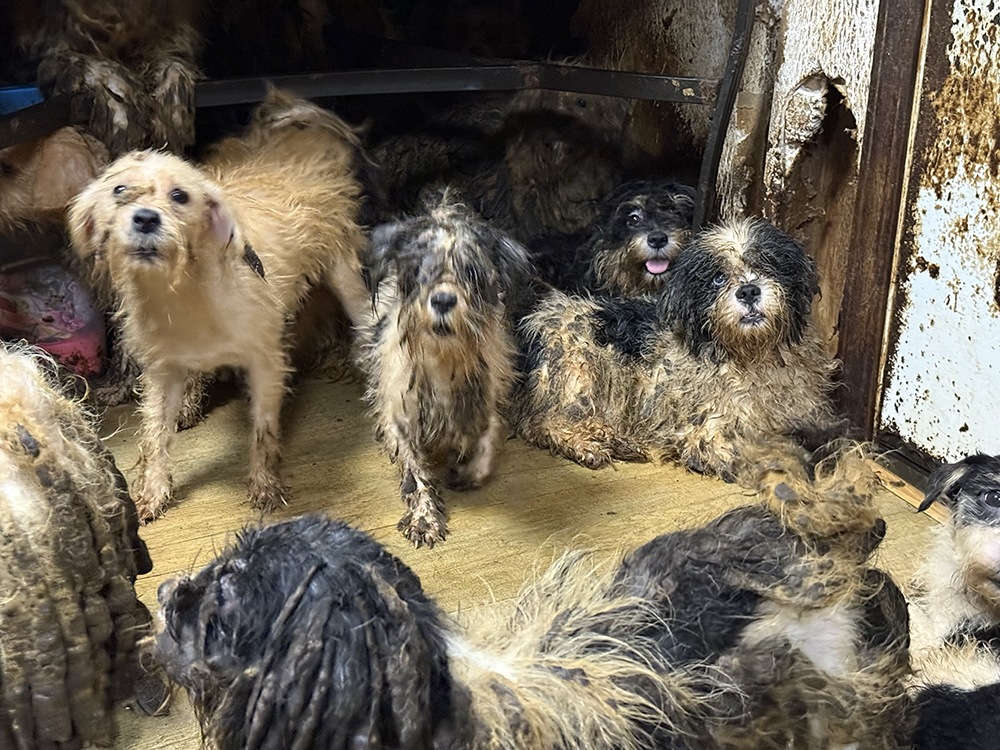
Puppy mill dogs come from places where many dogs breed in poor conditions. These dogs often face many challenges from birth.
Understanding their origins helps explain their behavior and health problems later in life.
Breeding Conditions
In puppy mills, dogs live in crowded and dirty spaces. They do not get proper food or medical care. These conditions cause stress and illness.
- Small wire cages with little room to move
- Dirty floors and poor sanitation
- Limited access to clean water and nutritious food
- No regular veterinary care or vaccinations
- Constant breeding without rest for the mother dogs
Early Socialization Issues
Puppy mill dogs often miss important early social experiences. This affects their ability to trust people and other animals.
| Socialization Factor | Effect on Puppy |
|---|---|
| Limited human contact | Fear of people and strangers |
| No playtime with other dogs | Difficulty with social skills |
| Isolation in cages | Anxiety and stress |
| Infrequent handling | Shyness and nervousness |
Credit: www.humaneworld.org
Common Behavioral Problems
Puppy mill dogs often face unique challenges. They may display various behavioral issues due to their past experiences.
Understanding these behaviors is crucial for helping them adjust to new homes. Here are some common problems they may exhibit.
Anxiety And Fearfulness
Dogs from puppy mills often feel anxious. They may have had little human interaction, making new experiences scary.
Signs of anxiety in dogs include:
- Excessive barking
- Pacing or restlessness
- Avoidance of eye contact
Aggression And Reactivity
Aggression can be a result of fear or lack of socialization. This behavior needs careful handling to ensure safety.
- Identify triggers that cause aggression
- Provide a calm environment
- Consult a professional if needed
Destructive Habits
Destructive habits like chewing may occur. These behaviors are often a result of boredom or anxiety.
| Behavior | Possible Cause |
| Chewing furniture | Teething or boredom |
| Digging | Seeking comfort or escape |
| Excessive licking | Stress relief |
Health Impact On Behavior
Puppy mill dogs often suffer from health problems that affect how they act. Their behavior can change due to pain or brain issues. Understanding these effects helps us care for them better.
This section covers two main health impacts: chronic pain and neurological effects. Each can cause changes in mood and behavior in these dogs.
Chronic Pain And Discomfort
Many puppy mill dogs live with constant pain from injuries or poor living conditions. This pain makes them anxious and fearful. They may avoid touch or show aggression.
- Restlessness and pacing
- Growling or snapping when approached
- Hiding or avoiding social contact
- Changes in appetite or sleep patterns
Neurological Effects
Brain damage or chemical imbalances can happen from poor care or stress. These problems affect how dogs think and feel. They may show confusion or sudden mood swings.
| Neurological Issue | Behavioral Signs |
| Seizures | Sudden collapse or shaking |
| Memory loss | Forgets training or familiar people |
| Increased anxiety | Excessive barking or whining |
| Impaired coordination | Difficulty walking or standing |
Credit: www.humaneworld.org
Challenges In Training
Training dogs from puppy mills can be very hard. These dogs often face trust issues and fear. Their past makes learning new things slow.
Understanding these challenges helps trainers stay patient. Careful work is needed to help these dogs behave well.
Building Trust
Dogs from puppy mills often do not trust people. They may be scared or shy. Building trust takes time and gentle care. Trainers must show they are kind and safe.
- Speak softly and avoid sudden moves.
- Give treats to create positive feelings.
- Spend quiet time near the dog without forcing contact.
- Let the dog come to you on its own terms.
- Be consistent with your actions and tone.
Consistency And Patience
Training requires doing the same things every day. Dogs learn best with clear rules and routines. Being patient is important. Some dogs take longer to learn.
| Training Tip | Why It Helps |
| Short, regular sessions | Keeps dog focused and avoids stress |
| Use the same commands | Prevents confusion and builds understanding |
| Reward good behavior | Encourages repeating good actions |
| Stay calm and patient | Reduces dog’s fear and builds trust |
Supporting Recovery
Puppy mill dogs often face many challenges after rescue. Their past can cause fear, anxiety, and bad habits.
Helping these dogs recover needs patience and care. A calm and safe approach helps them heal.
Safe Environment Setup
Create a quiet and cozy space for the dog to feel safe. Avoid loud noises and busy areas at home.
Use soft bedding and keep food and water nearby. A safe environment lowers stress and helps trust grow.
Behavioral Therapy Options
Behavioral therapy helps fix fear and bad habits from puppy mill life. Trainers use gentle methods to teach new skills.
Positive reinforcement, like treats and praise, encourages good behavior. Avoid punishment to keep trust strong.
- Basic obedience training
- Desensitization to sounds and touch
- Calm exposure to new places
- Routine and consistent commands
Socialization Strategies
Socializing puppy mill dogs helps them feel safe with people and other animals. Start with quiet, slow introductions.
Use short, positive meetings to build confidence. Watch the dog’s body language to avoid stress or fear.
- Introduce one new friend at a time
- Use calm voices and gentle touches
- Provide treats during social times
- Give breaks if the dog seems tired
Preventing Puppy Mill Demand
Puppy mills breed dogs in poor conditions. These dogs often have behavior problems.
Stopping demand for puppy mill dogs helps reduce their suffering. People must choose pets wisely.
Adoption Benefits
Adopting a dog saves a life and gives a home to a pet in need. Shelter dogs often have good behavior after care.
Adopted dogs can be trained and socialized well. They can become loyal and happy pets.
- Adoption lowers demand for puppy mill puppies
- Shelter dogs get medical care and love
- Adopted dogs can fit many home types
Recognizing Responsible Breeders
Responsible breeders care for their dogs with clean spaces and health checks. They breed only healthy dogs.
They allow visitors to see where puppies live. They answer questions honestly about dog care.
- Breeders provide health records and vaccinations
- They socialize puppies early for good behavior
- They do not breed many dogs at once
Frequently Asked Questions
What Are Common Behaviors Of Puppy Mill Dogs?
Puppy mill dogs often show fear, anxiety, and aggression. They may have poor social skills and difficulty trusting humans. These behaviors stem from neglect and lack of proper care in mills. Early rehabilitation and socialization can help improve their behavior over time.
How Does Puppy Mill Environment Affect Dog Behavior?
Puppy mills provide overcrowded and unsanitary conditions. This environment causes stress, illness, and behavioral issues in dogs. Lack of social interaction leads to fearfulness and aggression. Poor health and trauma often manifest as anxiety and withdrawal in affected dogs.
Can Puppy Mill Dogs Be Rehabilitated Successfully?
Yes, with patience and proper care, puppy mill dogs can improve. Rehabilitation includes medical treatment, socialization, and training. Consistent positive experiences help rebuild trust and reduce fear. Many dogs adapt well to loving homes despite their difficult pasts.
Why Do Puppy Mill Dogs Show Aggression?
Aggression in puppy mill dogs often results from fear and stress. Lack of socialization and harsh treatment cause defensive behavior. Pain and illness can also trigger aggression. Understanding their background helps manage and reduce aggressive tendencies.
Conclusion
Puppy mill dogs often show signs of stress and fear. Their behavior can be hard to understand at first. Patience and gentle care help them heal over time. Knowing their background helps you provide better support. Every dog deserves a safe and loving home.
Choosing pets from responsible sources makes a big difference. Helping these dogs means giving them a second chance. Small steps lead to trust and happiness. Caring for a puppy mill dog requires kindness and time. The reward is a loyal and grateful companion.

Emily Barker is the founder of ChillDogLife.com, a space dedicated to helping pup parents discover the best dog products, lifestyle tips, and cozy ideas for happier homes.
A lifelong dog lover, Emily combines her passion for pets with a knack for research to share trusted recommendations on everything from toys and furniture to health and everyday care.
Her goal is simple: to make life easier, stylish, and more joyful for dogs and the people who love them.




