Have you ever wondered what your dog is really trying to tell you? Understanding your dog’s behavior can unlock a whole new level of connection and happiness between you and your furry friend.
When you learn to read their signals, you’ll know exactly how they feel, what they need, and how to respond in the best way. This guide to dog behavior analysis will help you see your pet in a new light—making your bond stronger and your life together more joyful.
Keep reading, and discover the secrets behind your dog’s actions that most owners miss.
Common Canine Behaviors
Dogs communicate with us and other dogs using many behaviors. Understanding these helps us take better care of them.
Some behaviors show how a dog feels or what it wants. Watching closely can tell you a lot about your dog’s mood.
Body Language Signals
Dogs use their whole body to share feelings. Their posture, eyes, and mouth show if they are happy, scared, or angry.
For example, a relaxed body means the dog is calm. A stiff body can mean the dog is alert or nervous.
- Relaxed body: calm and friendly
- Stiff body: alert or uneasy
- Avoiding eye contact: feeling scared or submissive
- Direct eye contact: confident or challenging
- Yawning or licking lips: stress or discomfort
Vocalizations And Their Meanings
Dogs use sounds to express themselves. Barking, whining, and growling all have different messages.
Listen to the tone and length of the sounds. They help you understand what your dog wants or feels.
- Barking: alert, excited, or seeking attention
- Whining: anxious, hungry, or wanting comfort
- Growling: warning or feeling threatened
- Howling: calling out or responding to sounds
- Whimpering: pain or fear
Tail And Ear Movements
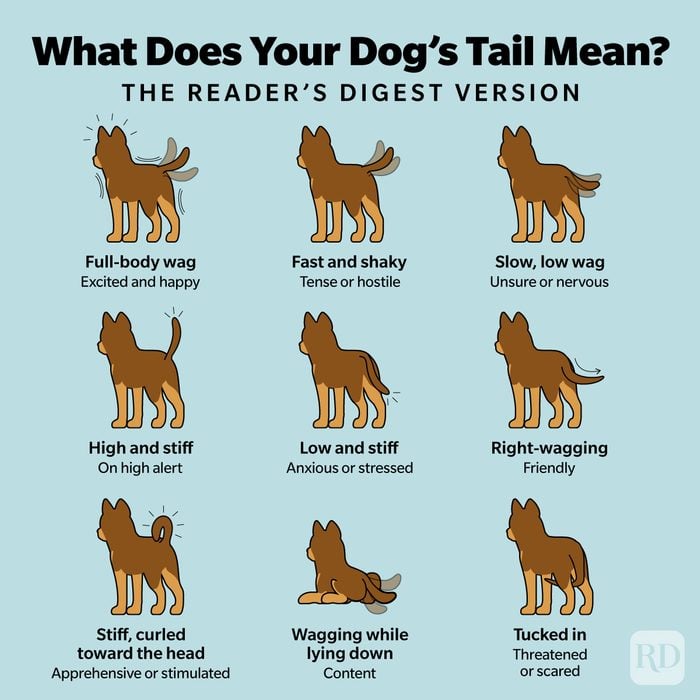
The tail and ears show many emotions. Their position and movement tell you if a dog is happy or worried.
A wagging tail often means happiness, but the speed and height matter. Ears can be up, back, or flat, each meaning something different.
- Tail wagging high: excited or confident
- Tail wagging low or slow: cautious or unsure
- Tail tucked between legs: scared or submissive
- Ears up and forward: alert and curious
- Ears back: scared, anxious, or friendly
- Ears flat against head: feeling threatened or submissive

Credit: www.sciencedirect.com
Factors Influencing Behavior
Understanding dog behavior is important for pet owners. Many factors shape how a dog acts and reacts. This guide explores the main influences on dog behavior.
By knowing these factors, you can improve your relationship with your dog. Let’s look at breed traits, age, and environment.
Breed Traits And Instincts
Every dog breed has unique traits and instincts. These traits influence their behavior. For instance, herding breeds may try to herd other pets or even people.
- Retrievers love to fetch and carry objects.
- Terriers are known for their digging habits.
- Guard dogs may be more protective of their space.
Age And Development Stages
Dogs go through different stages of life. Puppies are energetic and curious. Adult dogs may be calmer and more settled.
| Stage | Behavior Traits |
| Puppy | Playful and learning |
| Adult | Steady and trained |
| Senior | Slower and relaxed |
Environment And Socialization
The environment plays a big role in shaping a dog’s behavior. A safe and loving home encourages good behavior. Socialization helps dogs learn how to interact with others.
Behavioral Issues And Causes
Dogs show behavior problems for many reasons. Understanding the causes helps owners manage these issues.
Some common problems include separation anxiety, aggression, and excessive barking. Each has distinct triggers and solutions.
Separation Anxiety
Separation anxiety happens when a dog feels stressed alone. They may bark, chew, or try to escape.
Common causes include changes in routine, moving to a new home, or lack of training.
Aggression Triggers
Aggression can come from fear, pain, or protecting territory. It may show as growling, biting, or lunging.
- Fear of strangers or other animals
- Protecting food, toys, or space
- Feeling threatened or in pain
- Lack of socialization
Excessive Barking
Dogs bark to communicate. Excessive barking may signal boredom, fear, or attention seeking.
| Cause | Description |
| Boredom | Dog has little mental or physical activity |
| Fear | Dog reacts to unknown sounds or people |
| Attention Seeking | Dog barks to get owner’s focus |
| Alerting | Dog signals unusual events or dangers |

Credit: www.freepik.com
Interpreting Your Dog’s Actions
Understanding your dog’s behavior helps build a better bond. Dogs use body language to show feelings and needs.
Watching their actions carefully can tell you if they are happy, scared, or in pain. This guide explains key signs to watch for.
Reading Stress And Fear
Dogs show stress and fear in many ways. Common signs include trembling, hiding, and avoiding eye contact. Their ears may be pinned back, and they might pant or pace.
- Tail tucked tightly between legs
- Yawning or licking lips often
- Whining or growling softly
- Showing the whites of their eyes
- Shaking or trembling
Recognizing Play And Affection
Dogs use playful behaviors to invite fun and show love. Wagging tails, play bows, and gentle nipping are signs they want to engage. Affection may include licking, leaning, or resting their head on you.
| Behavior | Meaning |
| Play Bow (front legs down, rear up) | Invitation to play |
| Tail Wagging | Happy or excited |
| Licking | Showing affection |
| Leaning on You | Seeking closeness |
| Soft Eye Contact | Trust and comfort |
Identifying Signs Of Pain
Dogs in pain act differently. They may be quiet, restless, or avoid movement. Watch for changes in breathing, limping, or growling when touched.
Common pain signs include:
- Whimpering or crying
- Stiff movements or limping
- Loss of appetite
- Hiding or reluctance to move
- Excessive licking of one area
Improving Communication
Understanding your dog’s behavior helps improve your communication. Clear communication builds a better relationship.
Dogs respond well to simple signals. Learning these signals makes training easier and more effective.
Training Techniques That Work
Consistent training helps dogs learn what you want. Use short sessions to keep their attention.
Use clear commands and gestures. Repeat commands calmly and patiently to avoid confusion.
- Keep training sessions under 15 minutes
- Use the same words for commands every time
- Use hand signals with verbal commands
- Practice daily to reinforce learning
Building Trust And Bonding
Trust is the base of good communication with your dog. Spend quality time together to build this trust.
Be patient and gentle. Avoid harsh punishments to keep your dog feeling safe and secure.
- Give your dog attention and affection daily
- Respect your dog’s space and signals
- Stay calm during training and play
- Listen to your dog’s body language
Using Positive Reinforcement
Positive reinforcement encourages good behavior. Reward your dog with treats or praise right after good actions.
This helps your dog understand what you want. Avoid punishment, which can cause fear and confusion.
- Use small, tasty treats as rewards
- Praise your dog with a happy voice
- Reward immediately after the desired behavior
- Be consistent with rewards
When To Seek Professional Help
Dogs sometimes show behaviors that are hard to manage. These behaviors can cause stress for both the dog and owner.
Knowing when to ask for professional help can improve your dog’s well-being and your home life.
Behavioral Therapy Options
Behavioral therapy helps dogs learn new ways to act. It can reduce fear, aggression, and anxiety.
- Counter-conditioning to change emotional responses
- Desensitization to reduce reactions to triggers
- Positive reinforcement to reward good behavior
- Structured socialization with other dogs
- Training to improve obedience and control
Veterinary Consultations
Some behaviors come from medical problems. A vet can check if illness causes the issue.
| Reason | Possible Veterinary Action |
| Sudden aggression | Check for pain or neurological issues |
| Excessive licking | Test for allergies or skin conditions |
| Changes in appetite | Screen for digestive or hormonal problems |
| Unusual vocalizations | Rule out ear infections or anxiety |
Specialist Trainers
Trainers with special skills can handle tough behavior problems. They work closely with owners and dogs.
Signs you may need a specialist trainer:
- Your dog’s behavior is unsafe to people or animals.
- Basic training does not improve the behavior.
- You feel overwhelmed managing the dog’s actions.
- The dog shows fear or anxiety in many situations.
Credit: www.rd.com
Frequently Asked Questions
What Is Dog Behavior Analysis?
Dog behavior analysis studies dogs’ actions to understand their feelings and motivations. It helps owners improve training and communication.
How Can Dog Behavior Analysis Improve Training?
Understanding your dog's behavior helps tailor training methods. It ensures clearer communication and faster learning for your dog.
Why Do Dogs Exhibit Aggressive Behavior?
Dogs may show aggression due to fear, pain, or territorial instincts. Identifying triggers helps manage and reduce aggression.
How To Identify Signs Of Stress In Dogs?
Signs of stress include panting, yawning, and avoiding eye contact. Recognizing these helps prevent anxiety and promote well-being.
Conclusion
Understanding dog behavior helps build trust and strong bonds. Dogs show feelings through actions, not words. Watching their body language can prevent problems. Training becomes easier when you know why dogs act certain ways. Every dog is unique, so patience is key.
Keep learning and observing your dog daily. Enjoy the journey of growing closer with your pet.

Emily Barker is the founder of ChillDogLife.com, a space dedicated to helping pup parents discover the best dog products, lifestyle tips, and cozy ideas for happier homes.
A lifelong dog lover, Emily combines her passion for pets with a knack for research to share trusted recommendations on everything from toys and furniture to health and everyday care.
Her goal is simple: to make life easier, stylish, and more joyful for dogs and the people who love them.




