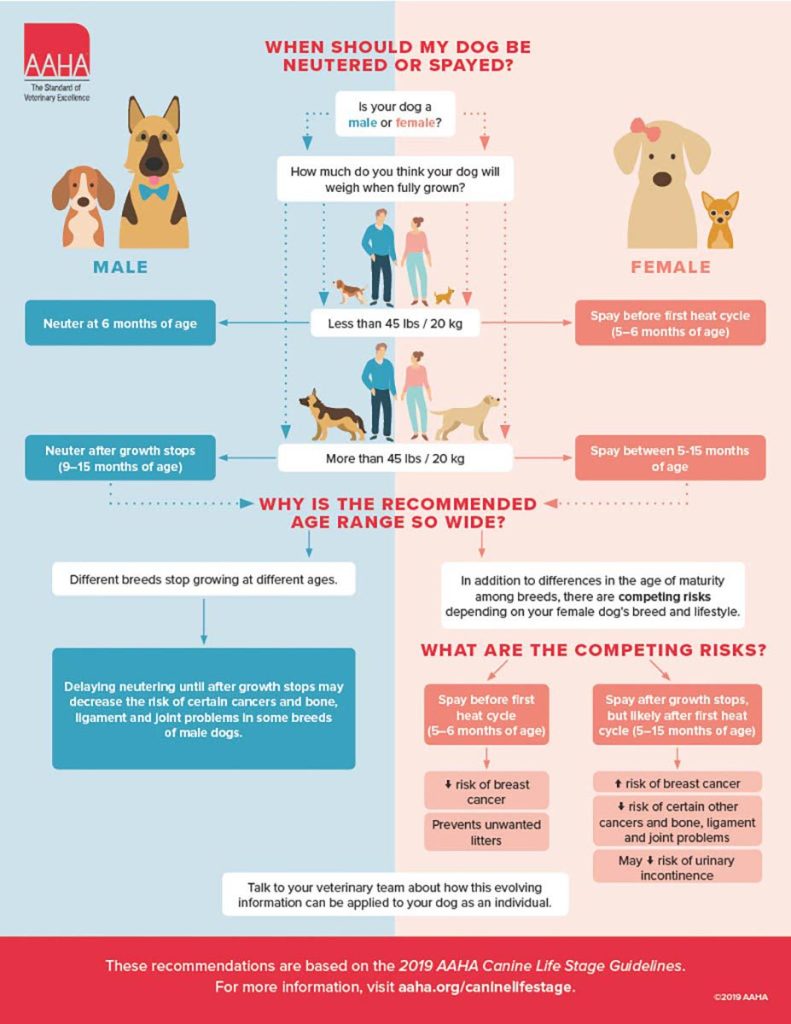
Have you ever wondered how spaying might change your dog’s behavior? If you’re a dog owner, understanding these changes can help you care for your furry friend better.
You might notice new habits or shifts in energy, and that can feel confusing or even worrying. But don’t worry—knowing what to expect will give you the confidence to support your dog through this transition. Keep reading to discover the key behavior changes in spayed dogs and how you can help your companion stay happy and healthy.
Credit: hfu.hollywoodfeed.com
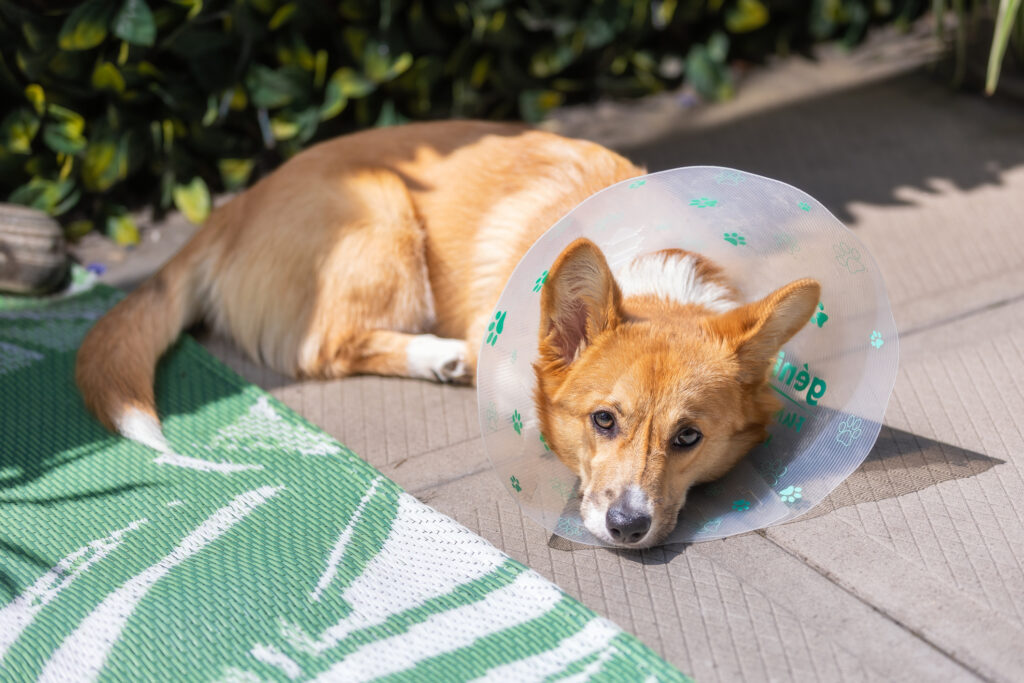
Behavioral Shifts After Spaying
Spaying can cause changes in a dog's behavior. These shifts happen as hormone levels adjust. Understanding these changes helps owners care for their pets better.
Each dog reacts in its own way. Some changes are subtle, while others are more clear. Let’s explore common shifts in calmness, aggression, and affection.
Calmness And Activity Levels
After spaying, many dogs show changes in energy and calmness. Some become more relaxed and less restless. Others may show less interest in active play.
- Reduced restlessness during the day
- Lower desire to roam or explore
- More time spent resting or sleeping
- Slight decrease in high-energy bursts
Changes In Aggression
Spaying often lowers hormone-driven aggression. Dogs may become less territorial and less reactive to other animals. This can help in social situations.
| Type of Aggression | Behavior Before Spaying | Behavior After Spaying |
| Territorial | Strong guarding of home and yard | Less guarding, more tolerance |
| Protective | High alert around strangers | Calmer, less reactive |
| Dominance | Challenging other dogs | Reduced challenges, more submission |
Alterations In Affection
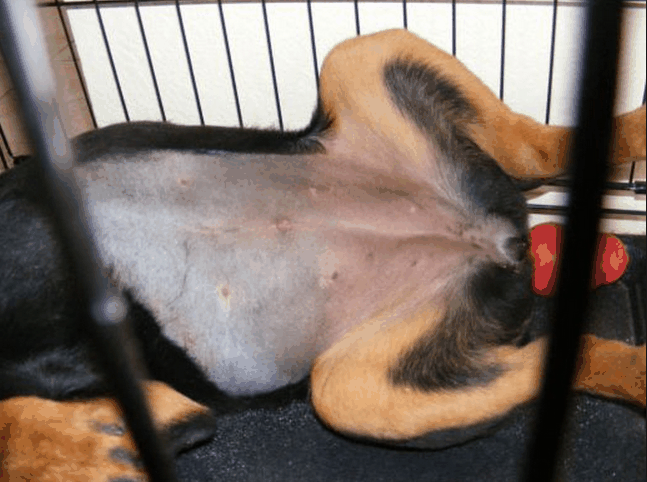
Spayed dogs often show changes in how they seek attention. Some become more cuddly and loving. Others may act more independent than before.
Common signs of altered affection include:
- Increased desire to sit close to owners
- More frequent tail wagging and licking
- Occasional preference for quiet time alone
- Changes in greeting behavior at the door
Credit: pethelpful.com
Impact On Social Interactions
Spaying a dog can change its behavior. These changes impact how they interact with other dogs and humans.
Understanding these impacts can help in creating better social environments for them.
Relationship With Other Dogs
Spayed dogs often show reduced aggression. This makes them friendlier towards other dogs.
- Less likely to engage in fights
- More open to playtime and socializing
- Decreased territorial behavior
Interaction With Humans
Spayed dogs can become more affectionate towards humans. They may seek more attention and enjoy human company.
| Behavior | Impact |
| Aggression | Reduced |
| Socializing | Increased |
| Affection | Enhanced |
Training And Obedience Variations
Spaying can influence a dog's behavior and training response. Understanding these changes helps owners adjust their approach. Training methods may need slight changes after spaying.
Some dogs show different learning speeds or motivation levels post-spaying. This guide covers key areas like learning ability and command response.
Learning Ability Post-spaying
Spaying may affect a dog’s focus and energy. Some dogs become calmer, which can help with training. Others might show less interest in new tasks.
- Calmer dogs often learn commands more patiently.
- Reduced energy can mean shorter training sessions.
- Some dogs need extra motivation through treats or praise.
- Consistency is important to keep learning steady.
Response To Commands
After spaying, dogs may react differently to commands. Some become more obedient, while others might test limits more.
| Behavior | Possible Cause | Training Tip |
| Increased obedience | Lower hormone levels | Use positive reinforcement |
| Testing boundaries | Adjustment to change | Set clear rules |
| Reduced motivation | Lower energy | Use high-value treats |
| Calmer response | Less anxiety | Short, frequent sessions |
Potential Health-related Behavior Changes
Spaying a dog can lead to some health-related behavior changes. These changes happen because of hormone shifts in the body. It is important to understand these changes to care for your dog well.
Not all dogs will show the same changes. Some may stay the same, while others may have noticeable differences in their habits and energy levels.
Weight And Appetite Shifts
Spayed dogs may have changes in their weight and appetite. Their metabolism can slow down after spaying. This means they might need fewer calories than before.
Increased appetite can cause dogs to eat more. If not controlled, this can lead to weight gain and obesity. Owners should watch food portions and treat amounts closely.
- Metabolism slows down after spaying
- Dogs may feel hungrier than usual
- Weight gain can happen if food intake is not controlled
- Regular exercise helps manage weight
Energy And Playfulness
Spayed dogs may show changes in energy and playfulness. Some dogs become calmer and less active. This can be due to hormonal changes affecting their mood.
Other dogs might keep their usual energy levels. Playtime and walks remain important to keep them healthy and happy. Adjusting exercise routines can help match their new energy.
- Some dogs become calmer after spaying
- Energy levels may decrease slightly
- Exercise helps maintain good health
- Keep playtime to support mental health
Managing Behavior Changes
Spaying can cause changes in your dog’s behavior. These changes need careful management. Understanding how to handle them helps your dog adjust well.
This guide covers ways to adjust training and watch your dog’s emotional health after spaying.
Adjusting Training Techniques
After spaying, your dog may act differently. Training should match these changes. Use gentle commands and short sessions. Be patient and consistent.
- Use positive rewards like treats or praise
- Keep training sessions short to avoid stress
- Focus on basic commands to rebuild confidence
- Avoid harsh corrections or loud voices
- Introduce new routines slowly and calmly
Monitoring Emotional Well-being
Spayed dogs may feel anxious or tired. Watch your dog’s mood daily. Changes in appetite or sleep can show stress.
| Sign | What It Means | Action |
| Loss of appetite | Possible stress or discomfort | Offer favorite foods, consult vet if it lasts |
| Excessive sleeping | Low energy or sadness | Encourage gentle play and walks |
| Restlessness | Feeling anxious | Provide calm space and soothing touch |
| Unusual barking or whining | Seeking attention or stressed | Spend more quiet time together |

Credit: pupford.com
Frequently Asked Questions
How Does Spaying Affect Dog Behavior?
Spaying reduces hormone-driven behaviors like aggression and marking. It often calms female dogs and decreases roaming tendencies. Behavioral changes vary by individual and age at spaying but generally promote a more relaxed, sociable pet.
Will Spayed Dogs Become Less Aggressive?
Yes, spaying can lower aggression linked to hormonal cycles. It reduces irritability and territorial instincts in many females. However, aggression due to fear or training requires separate management and is less influenced by spaying.
Do Spayed Dogs Show Less Anxiety?
Spaying may decrease anxiety related to heat cycles and mating instincts. However, anxiety from environmental stress or past trauma often needs behavior training or medical help alongside spaying.
Can Spaying Change My Dog’s Activity Level?
Spaying may slightly reduce activity due to hormone changes. Dogs might become calmer but still need regular exercise. Proper diet and playtime help maintain a healthy weight and energy balance.
Conclusion
Spaying can change a dog’s behavior in many ways. Most dogs become calmer and less aggressive. Some may gain a little weight, so watch their diet. Spayed dogs often live healthier and longer lives. Understanding these changes helps you care for your pet better.
Every dog reacts differently, so stay patient and kind. Loving care and attention keep your dog happy after spaying. Remember, your dog’s behavior changes are natural and manageable.

Emily Barker is the founder of ChillDogLife.com, a space dedicated to helping pup parents discover the best dog products, lifestyle tips, and cozy ideas for happier homes.
A lifelong dog lover, Emily combines her passion for pets with a knack for research to share trusted recommendations on everything from toys and furniture to health and everyday care.
Her goal is simple: to make life easier, stylish, and more joyful for dogs and the people who love them.




