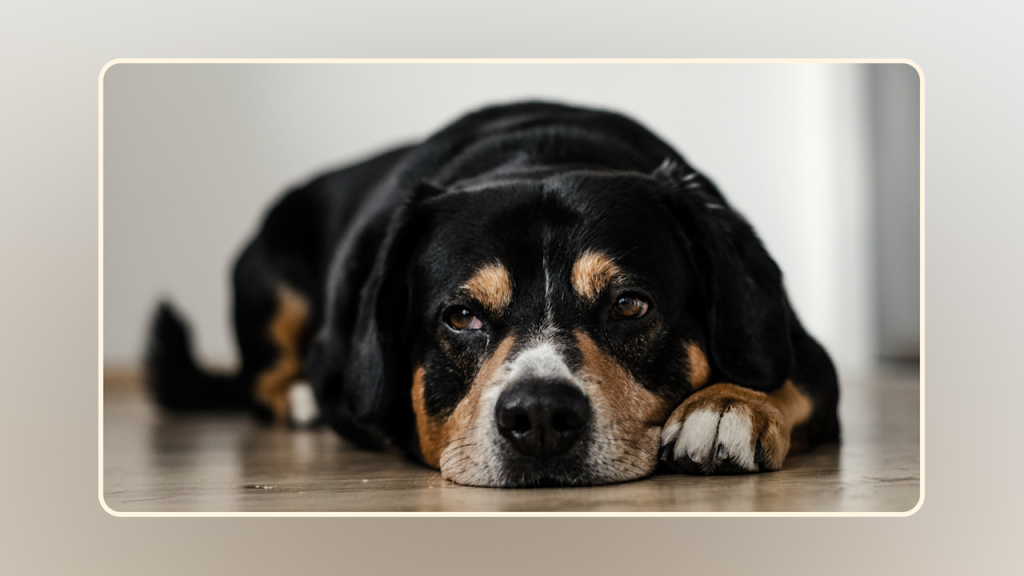
Have you ever noticed your dog suddenly licking its nose, scratching itself, or turning away during a tense moment? These actions might seem random, but they actually reveal a lot about how your dog feels.
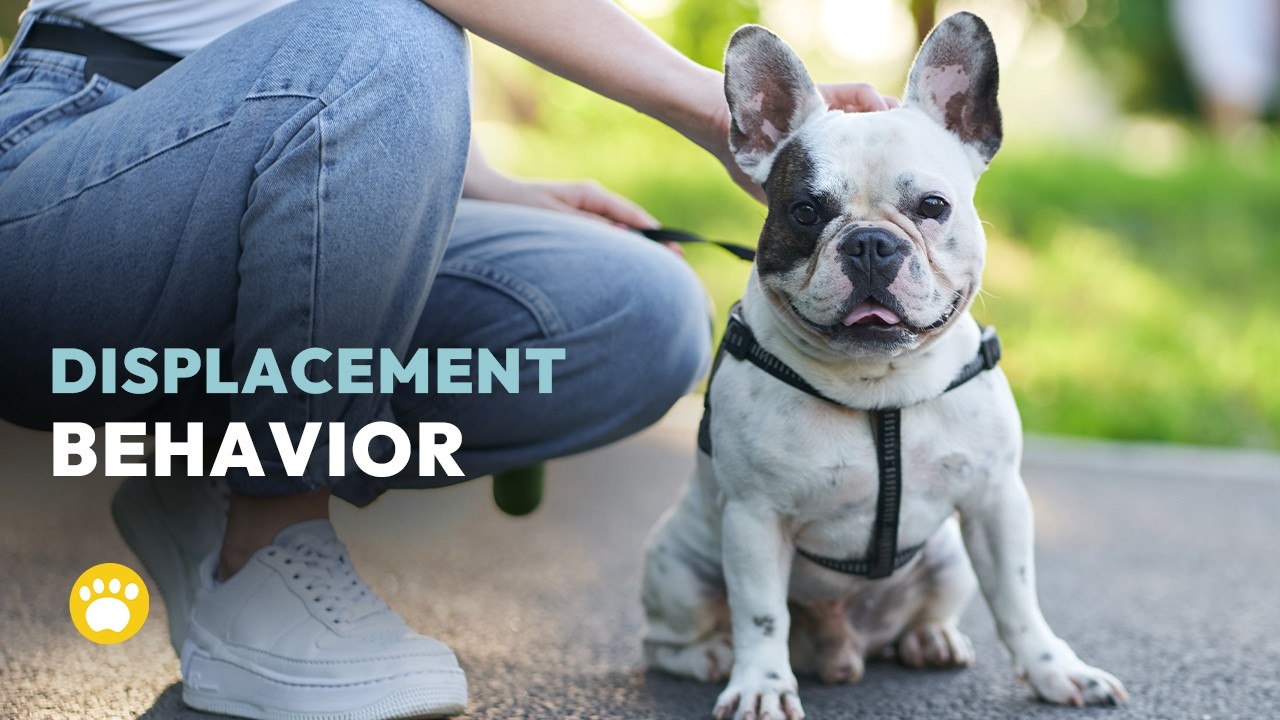
This is called displacement behavior, a fascinating way dogs cope with stress or confusion. Understanding this behavior can help you connect better with your furry friend and improve your communication. Keep reading to discover what displacement behavior really means and how it affects your dog’s emotions and actions.

Credit: sportypaws.com.au
Displacement Behavior Basics
Displacement behavior is a type of action dogs show when they feel confused or stressed. It helps them deal with feelings they do not understand.
These behaviors do not relate to the main situation but help dogs calm down. Learning about this can help dog owners understand their pets better.
What Triggers Displacement Behavior
Displacement behaviors often start when a dog feels unsure or trapped between two choices. Stress or conflict can cause these actions to appear.
Dogs may show displacement behavior during fights, confusing commands, or when they want to avoid a problem. It is a sign they need a break.
Common Forms In Dogs
Dogs show many types of displacement behaviors. These actions look normal but happen at the wrong time or place.
- Yawning without being tired
- Scratching or licking themselves
- Sniffing the ground or air
- Suddenly sitting or lying down
- Shaking off like after a bath
- Looking away from a stressful situation
Credit: pethelpful.com
Recognizing Key Signs
Displacement behavior in dogs can show when they are confused or stressed. Recognizing these signs helps you understand your dog better.
These behaviors are often subtle, but learning them can improve your bond with your pet.
Body Language Indicators
Dogs display displacement behavior through body language. These signs can tell you a lot about their emotional state.
- Lip licking or yawning
- Pacing back and forth
- Sudden scratching or sniffing
- Turning away from a situation
Behavioral Patterns To Watch
Observing behavioral patterns helps in identifying displacement behaviors. Knowing these can make interactions smoother.
| Behavior | Possible Meaning |
| Excessive grooming | Feeling nervous or anxious |
| Repeated yawning | Stress or confusion |
| Sniffing the ground | Avoidance or uncertainty |
Causes Behind Displacement
Displacement behavior in dogs happens when they feel confused or stressed. They show odd actions that seem out of place.
These behaviors help dogs calm themselves or avoid conflict. Understanding the causes helps us support them better.
Stress And Anxiety Factors
Dogs often show displacement behaviors when they feel stress or anxiety. These feelings can come from loud noises or new places.
Stress may cause a dog to lick its lips, scratch, or look away. These actions help reduce their nervous feelings.
- Loud sounds like thunder or fireworks
- Separation from owners
- Changes in routine or environment
- Presence of unfamiliar people or animals
Conflicting Social Signals
Dogs get confused when they receive mixed social signals from other dogs or people. This confusion causes displacement behavior.
When unsure how to react, dogs may yawn, sniff the ground, or suddenly sit. These actions show their uncertainty.
- Seeing a friendly dog that suddenly growls
- Owner giving mixed body language or tone
- Unclear signals during play or greeting
- Meeting unknown dogs with different behaviors
Credit: www.youtube.com
Impact On Dog Wellbeing
Displacement behavior in dogs shows when they feel stressed or unsure. It helps them manage strong feelings in the moment.
Understanding these behaviors is important to keep dogs healthy and happy. It affects both how they act now and in the future.
Short-term Effects
In the short term, displacement behaviors help dogs calm down. These actions can stop them from feeling overwhelmed or scared.
- Yawning or licking lips to reduce tension
- Scratching or sniffing the ground to distract themselves
- Shaking or looking away to avoid conflict
These behaviors protect dogs from stress but may confuse owners if not understood correctly.
Long-term Consequences
When displacement behavior happens often, it can show ongoing stress. This affects a dog’s health and mood over time.
| Consequence | Effect on Dog |
| Chronic Stress | Weakened immune system |
| Behavioral Changes | Increased anxiety and fear |
| Social Problems | Difficulty with other dogs and people |
Long-term stress can lead to serious health problems. Owners should watch for signs and help dogs feel safe.
Practical Solutions
Displacement behavior in dogs happens when they feel confused or stressed. These behaviors look like random actions, such as licking or scratching.
Understanding how to handle these actions can help your dog feel calm and safe.
Training Techniques
Use positive training to reduce stress in your dog. Reward calm behavior with treats or praise. Avoid punishing displacement actions.
Teach your dog simple commands like “sit” or “stay” to redirect their focus. Practice these commands regularly to build trust and reduce anxiety.
- Reward calm behavior immediately
- Redirect your dog’s attention gently
- Use short training sessions daily
- Stay patient and consistent
Environmental Adjustments
Change your dog’s surroundings to lower stress triggers. Provide a quiet space where your dog can relax without disturbances.
Limit loud noises and sudden movements. Use calming tools like soft bedding or a favorite toy to create comfort.
- Offer a cozy, safe spot
- Keep the area free from loud sounds
- Remove objects that cause stress
- Provide toys to distract and soothe
When To Seek Professional Help
Displacement behavior in dogs can be confusing to understand. Sometimes, dogs show unusual actions to calm themselves. These are normal in small amounts.
But if these behaviors grow stronger or cause problems, it is time to get help. Knowing when to ask a professional can save your dog’s well-being.
Signs Needing Expert Attention
Watch your dog closely for signs that need expert care. These signs mean your dog might be stressed or anxious beyond normal limits.
- Repetitive actions like licking or scratching without clear cause
- Sudden changes in eating or sleeping habits
- Signs of fear or aggression toward people or other animals
- Destructive behavior inside the house
- Inability to focus or follow commands
Choosing A Behaviorist
Finding the right behaviorist helps your dog get the best care. Look for someone with training and experience in dog behavior.
| Factor | What to Look For |
| Certification | Qualified in animal behavior or veterinary fields |
| Experience | Worked with dogs showing displacement behaviors |
| Approach | Uses positive and gentle training methods |
| Reviews | Good feedback from other dog owners |
| Communication | Clear and patient in explaining plans |
Preventing Displacement Behavior
Displacement behavior in dogs happens when they feel stressed or confused. These actions can include licking, yawning, or scratching. Preventing these behaviors helps keep your dog calm and happy.
Understanding how to stop displacement behavior can improve your dog’s comfort. Two key ways are building confidence and consistent socialization.
Building Confidence
Dogs with more confidence handle stress better. You can build this by giving them small challenges they can succeed in. Praise your dog for trying and doing well.
Confidence grows when dogs feel safe and supported. Avoid forcing your dog into situations they fear. Let them explore at their own pace.
- Use positive training methods
- Give treats for calm behavior
- Practice new skills in quiet places
- Encourage independence with toys
Consistent Socialization
Regular socialization helps dogs feel less anxious. Introduce your dog to new people, animals, and places often. This reduces stress and displacement actions.
Keep social experiences positive and calm. Watch your dog’s signals and stop if they seem overwhelmed. Gradual exposure is key.
- Visit dog-friendly parks or stores
- Invite calm dogs for playdates
- Meet new people in controlled settings
- Practice handling and grooming gently
Frequently Asked Questions
What Is Displacement Behavior In Dogs?
Displacement behavior in dogs is an unusual action shown during stress or conflict. It helps them reduce anxiety. Common examples include yawning, licking lips, or scratching. These behaviors signal discomfort or confusion without direct aggression or fear.
Why Do Dogs Show Displacement Behaviors?
Dogs use displacement behaviors to cope with stress or social uncertainty. These actions act as calming signals to themselves and others. It’s a way to avoid conflict or express internal tension. Recognizing these signs helps improve dog-human communication.
How Can I Identify Displacement Behavior In My Dog?
Look for odd, out-of-context actions like excessive licking, scratching, yawning, or sniffing. These occur when your dog feels stressed or unsure. Observing body language alongside these behaviors helps confirm displacement and prevents misunderstandings.
Are Displacement Behaviors Harmful To Dogs?
Displacement behaviors are not harmful by themselves. They are natural coping mechanisms to relieve stress. However, frequent or intense displays may indicate chronic anxiety needing attention. Proper training and environment adjustments can reduce stress triggers.
Conclusion
Displacement behavior in dogs shows how they cope with stress or confusion. These actions help dogs feel calmer and avoid conflict. Understanding these signs improves your bond with your pet. You can respond better when you recognize these behaviors. Watch your dog carefully to notice subtle signals.
This knowledge helps keep your dog happy and safe. Always be patient and gentle with your furry friend. Small changes in behavior often tell big stories. Knowing displacement behavior makes caring for dogs easier and more rewarding.

Emily Barker is the founder of ChillDogLife.com, a space dedicated to helping pup parents discover the best dog products, lifestyle tips, and cozy ideas for happier homes.
A lifelong dog lover, Emily combines her passion for pets with a knack for research to share trusted recommendations on everything from toys and furniture to health and everyday care.
Her goal is simple: to make life easier, stylish, and more joyful for dogs and the people who love them.




