
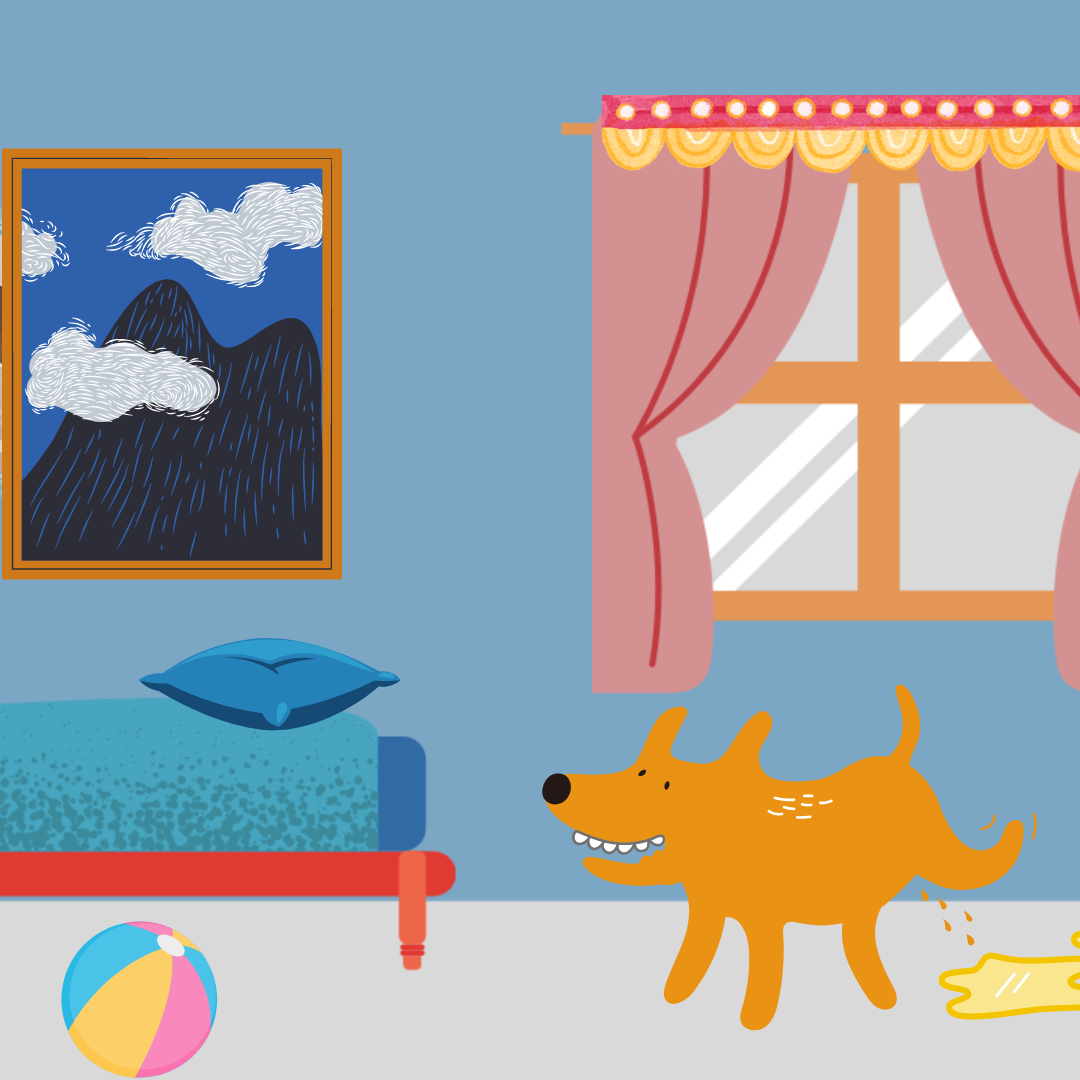
Is your dog peeing on your bed and leaving you frustrated? You’re not alone, and it’s a problem you can fix.
Imagine waking up to a clean, fresh-smelling bed every day—no more stress, no more mess. You’ll discover simple, effective steps to stop your dog from peeing on your bed for good. Keep reading, because the solution is easier than you think, and your dog will thank you too.

Credit: greensafaris.com
Reasons Dogs Pee On Beds
Understanding why dogs pee on beds helps solve the problem faster. Dogs do this for several reasons. Some are health-related, while others come from behavior or training issues. Knowing the cause guides you to the right solution. The following sections explain common reasons dogs pee on beds.
Medical Issues
Health problems often cause dogs to urinate indoors. Urinary tract infections make it hard for dogs to control their bladder. Kidney disease or diabetes can increase urination frequency. Older dogs may lose bladder control due to age. If your dog pees on the bed suddenly, a vet check is important.
Anxiety And Stress
Dogs feel stress from changes in their environment. Moving to a new home or loud noises can scare them. Separation anxiety makes dogs nervous when left alone. They may pee on the bed to comfort themselves or mark their safe space. Stress-related urination needs patience and calm training to fix.
Territorial Marking
Dogs mark territory by peeing in places they want to claim. Beds have their owner’s scent, making them attractive spots. This behavior is common in unneutered males but can happen in any dog. Marking shows dominance or ownership. Training and neutering help reduce this habit.
Lack Of Training
Some dogs never learn proper bathroom habits. Puppies need time and guidance to know where to pee. Adult dogs may forget training or have gaps in it. Without clear rules, dogs might see the bed as an okay spot. Consistent house training and supervision are key to stopping this behavior.

Credit: heoupet.com
Immediate Steps To Take
Clean the bed thoroughly to remove any smell that attracts your dog. Offer frequent bathroom breaks and reward your dog for peeing outside. Keep the bedroom door closed to prevent access.
If your furry friend has turned your bed into their bathroom, it’s crucial to act swiftly. Immediate steps can not only save your mattress but also prevent this behavior from becoming a habit. Tackling the issue head-on can make all the difference in restoring your peace of mind and your sleep sanctuary.Clean The Bed Thoroughly
Start by cleaning your bed meticulously. Use an enzymatic cleaner to break down the urine molecules, eliminating the scent completely. Traditional detergents may mask the smell temporarily but don’t remove it entirely, which can encourage repeat offenses. Make sure to wash all linens, comforters, and pillows. If the urine has seeped into the mattress, consider using a mattress cleaner specifically designed for deep cleaning. A fresh-smelling bed makes it less likely for your dog to return and mark the same spot.Restrict Bed Access
Prevent your dog from accessing your bed until the behavior is corrected. You can close the bedroom door or install a pet gate. This temporary measure helps break the habit and redefines boundaries for your dog. Reflect on why your dog might be drawn to pee on the bed in the first place. Is it anxiety, excitement, or a lack of proper potty training? Understanding the root cause will help you address the issue more effectively.Use Deterrent Sprays
Deterrent sprays can be your secret weapon against this unwanted behavior. These sprays are designed to discourage pets from urinating in specific areas. Opt for a pet-safe formula and apply it to your bed as directed. While sprays provide a helpful deterrent, they should be used alongside other training methods. Consistency is key, and reinforcing positive behavior with treats and praise can go a long way. Have you ever caught your dog mid-act and wondered if a simple ‘no’ was enough? These immediate actions can prevent future mishaps and help restore harmony in your home.Training Techniques
Training your dog to stop peeing on the bed takes patience and clear steps. Consistent training helps your dog understand where to go. Use simple, kind techniques to teach good habits. Start with easy routines and build from there. Training makes your dog feel safe and confident. Each step helps prevent accidents and builds trust.
Establish A Bathroom Routine
Set regular times for your dog to go outside. Take your dog out first thing in the morning. After meals and naps, bring your dog outside again. Keep the routine the same every day. This helps your dog learn when to pee. Watch for signs your dog needs to go. Praise your dog after peeing outside. A steady schedule lowers accidents on the bed.
Positive Reinforcement
Reward your dog for good bathroom behavior. Use treats, petting, or kind words. Give rewards right after your dog pees outside. This shows your dog what you want. Avoid punishment for accidents. Punishment can cause fear and confusion. Positive reinforcement builds good habits faster. Keep rewards consistent and clear. Your dog will learn to repeat good actions.
Crate Training Benefits
Use a crate as a safe space for your dog. Dogs usually avoid soiling their sleeping area. The crate helps control where your dog pees. Make the crate comfortable with bedding and toys. Let your dog out regularly to pee. Crate training teaches bladder control. It reduces accidents on the bed. Always use the crate kindly, not as punishment.
Addressing Behavioral Causes
Understanding why your dog pees on the bed often means looking beyond simple potty training. Behavioral causes play a big role in this issue. Addressing these behaviors can help you fix the problem more effectively and keep your bed dry.
Reducing Anxiety
Dogs often pee on the bed because they feel anxious. It could be separation anxiety or stress from changes in their environment. You can help by creating a calm space for your dog.
Try giving your dog a special blanket or a favorite toy on their own bed. Playing soft music or using calming sprays might reduce stress too. Have you noticed if your dog pees more when you’re not home or after loud noises?
Consistent routines also help. Feeding and walking your dog at the same times each day can make them feel safer. When your dog feels secure, accidents usually drop.
Managing Territorial Behavior
Dogs sometimes mark the bed to claim it as their territory. This is especially common if you have other pets or visitors around. Stopping this behavior means helping your dog feel less need to mark.
Use positive reinforcement to reward your dog when they choose their own bed. Clean any spots thoroughly with enzyme cleaners so your dog doesn’t smell old markings. Adding a pet gate to limit bedroom access might be necessary in some cases.
Have you tried watching your dog’s reactions when someone new enters the house? Understanding when and why your dog feels the need to mark can guide you toward better solutions. Patience and consistency are key here.
When To Consult A Veterinarian
Noticing your dog peeing on the bed can be frustrating, especially when you’ve tried cleaning, training, and setting boundaries. But sometimes, this behavior points to deeper issues that you might not be able to solve on your own. Knowing when to consult a veterinarian is crucial to ensure your dog’s health and well-being while addressing the problem effectively.
Identifying Medical Problems
If your dog suddenly starts peeing on the bed without any previous history, it’s a red flag that something might be wrong physically. Urinary tract infections, bladder stones, diabetes, or kidney issues can cause loss of bladder control. Ignoring these signs can lead to discomfort and worsen your dog’s condition.
Ask yourself: Has your dog been drinking more water than usual? Are they showing signs of pain or straining when trying to urinate? If yes, these symptoms warrant an immediate vet visit.
Even if your dog is young and healthy, accidents accompanied by lethargy, vomiting, or changes in appetite should not be overlooked. A vet can run tests to confirm or rule out medical causes, helping you address the root of the problem.
Professional Behavioral Help
Sometimes, the issue isn’t physical but behavioral, especially if medical causes are ruled out. Stress, anxiety, or changes in the household can trigger your dog’s inappropriate urination. A veterinarian can guide you to specialized animal behaviorists or trainers who understand how to tackle these problems.
Have you noticed your dog acting nervous or restless before peeing on the bed? This could signal anxiety that needs professional attention. Behavioral experts use techniques tailored to your dog’s personality, making training more effective than DIY methods.
Consulting a vet also prevents you from punishing your dog for something beyond their control. Getting professional advice ensures you provide the right support and create a healthy environment for your pet to thrive.
Credit: pethelpful.com
Long-term Prevention Tips
Stopping your dog from peeing on the bed requires more than quick fixes. Long-term prevention focuses on building good habits and a safe environment. Consistency and care help your dog feel secure and understand limits. These tips support lasting change and reduce accidents in the future.
Consistent Training
Train your dog every day with clear rules. Use the same words for commands to avoid confusion. Reward your dog for peeing outside or in the right place. Ignore accidents calmly without punishment. Consistency helps your dog learn faster and trust the process.
Regular Exercise
Exercise helps your dog stay healthy and calm. Take your dog outside often for bathroom breaks. A tired dog is less likely to act out indoors. Play and walk times also strengthen your bond. Healthy routines reduce stress and accidents.
Creating A Comfortable Sleeping Area
Make your dog’s bed cozy and inviting. Use soft bedding and keep the area clean. Place the bed in a quiet spot to reduce anxiety. Dogs avoid peeing in places they like to rest. A comfy space encourages your dog to stay off your bed.
Frequently Asked Questions
Why Does My Dog Pee On The Bed?
Dogs may pee on the bed due to anxiety, marking territory, or medical issues. Stress or changes in routine can trigger this behavior. Consulting a vet helps rule out health problems like infections or bladder issues.
How Can I Train My Dog To Stop Bed Peeing?
Use consistent potty training, praise good behavior, and limit access to the bedroom. Clean accidents thoroughly to remove odors. Establish a regular bathroom schedule to reduce accidents and reinforce positive habits.
Can Medical Problems Cause Dogs To Pee On Beds?
Yes, urinary tract infections, bladder stones, or incontinence can cause bed peeing. A vet checkup is essential to diagnose and treat any underlying health issues promptly.
What Cleaning Methods Remove Dog Urine Smell Effectively?
Use enzymatic cleaners designed for pet urine. These break down odor-causing molecules. Avoid ammonia-based cleaners, as they can attract dogs to pee again in the same spot.
Conclusion
Stopping your dog from peeing on the bed takes patience and care. Clean the area well to remove smells. Give your dog regular bathroom breaks outside. Use positive rewards when your dog pees outside. Watch for signs your dog needs to go.
Keep the bedroom door closed if needed. Training takes time but works with kindness. Your dog will learn where to pee. Enjoy a clean bed and happy pet. Keep trying, and soon the problem will end.

Emily Barker is the founder of ChillDogLife.com, a space dedicated to helping pup parents discover the best dog products, lifestyle tips, and cozy ideas for happier homes.
A lifelong dog lover, Emily combines her passion for pets with a knack for research to share trusted recommendations on everything from toys and furniture to health and everyday care.
Her goal is simple: to make life easier, stylish, and more joyful for dogs and the people who love them.




