Leaving your dog home alone can be stressful—for both of you. You want your furry friend to feel safe, calm, and happy while you’re away.
But how do you teach your dog to stay relaxed without constant company? If you’ve ever worried about separation anxiety or destructive behavior, you’re not alone. This guide will show you simple, effective steps to train your dog to be comfortable and well-behaved when alone.
Keep reading, and you’ll discover how to turn those lonely hours into peaceful, worry-free time for both you and your dog.
Preparing Your Dog For Alone Time
Teaching your dog to be comfortable alone takes time. You must prepare your dog carefully. This helps reduce anxiety and bad behavior.
Start early and be patient. Use gentle steps to help your dog feel safe and calm when alone.
Assessing Your Dog’s Readiness
Check if your dog can stay calm for short periods alone. Watch for signs of stress like barking or chewing.
- Leave your dog alone for a few minutes at first.
- Increase the time slowly as your dog gets used to it.
- See how your dog reacts after each time alone.
- Look for calm behavior and no damage to the home.
Creating A Safe Space
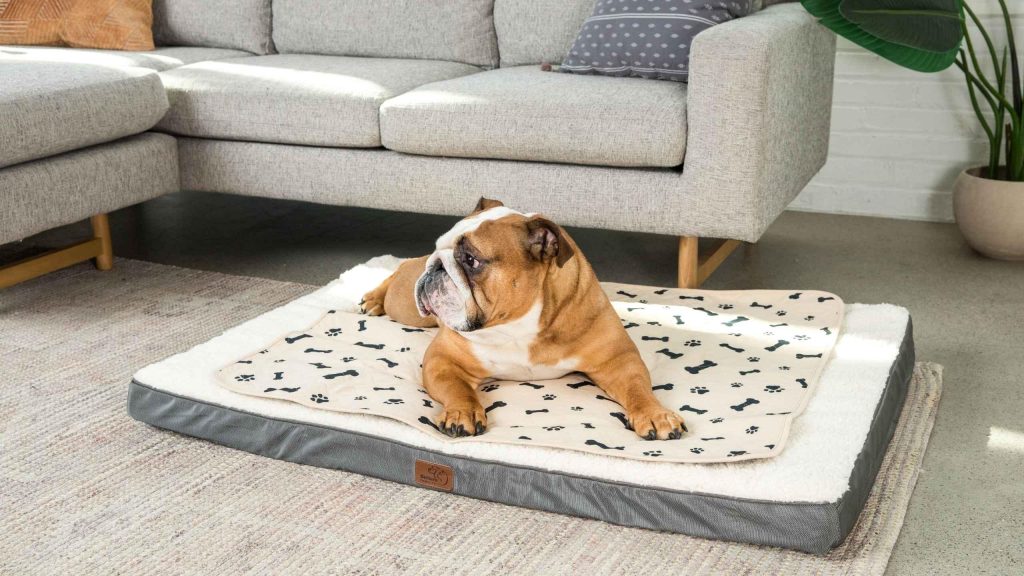
Make a cozy, quiet spot for your dog to rest. This helps your dog feel secure when alone.
Include these items in your dog’s safe space:
- Soft bedding or blanket
- Favorite toys to keep busy
- Access to fresh water
- A place away from loud noises
Gathering Essential Supplies
Prepare everything your dog needs while you are gone. This keeps your dog comfortable and safe.
| Supply | Purpose |
| Water bowl | Keep your dog hydrated |
| Food dispenser | Provide snacks or meals |
| Toys | Prevent boredom and stress |
| Chew items | Help with teething and anxiety |
| Baby gate or crate | Limit access to unsafe areas |
Credit: oberhund.com
Building Positive Associations
Training your dog to be home alone starts with making them feel safe and happy. Building positive associations helps your dog enjoy alone time.
When your dog links being alone with good things, they stay calm and relaxed. Use treats, toys, and routine to create these good feelings.
Using Treats And Toys
Treats and toys help your dog feel happy when alone. Give special treats or favorite toys only during alone time.
This makes your dog look forward to being by themselves. Puzzle toys or chew toys keep them busy and calm.
- Offer treats right before leaving
- Use toys that last longer
- Choose safe, quiet toys
- Rotate toys to keep interest
Establishing A Routine
Dogs feel safe when they know what to expect. Create a daily schedule for alone time so your dog learns the pattern.
Leave and return at similar times each day. This helps your dog trust that you will come back soon.
- Set regular times for leaving
- Keep the same goodbye routine
- Use calm words before leaving
- Keep arrivals low-key and quiet
Gradual Alone Time Increments
Start by leaving your dog alone for short times. Slowly increase how long you are gone as your dog adjusts.
Watch your dog’s behavior to see if they are comfortable. Do not rush this process to avoid stress.
- Begin with a few minutes
- Add a few minutes each day
- Stay nearby at first
- Only increase time if dog stays calm
Training Techniques To Reduce Anxiety
Training your dog to stay home alone can be hard. Many dogs feel anxious when left by themselves.
Using the right training techniques helps your dog feel calm and safe during alone time.
Desensitizing Departure Cues
Dogs learn to expect you will leave when they see certain cues. These cues can cause anxiety.
Desensitize your dog by doing these cues without leaving. This helps your dog stay calm.
- Pick up your keys but do not leave
- Put on your coat and stay inside
- Open the door and close it without going out
- Repeat these actions often to reduce anxiety
Practicing Calm Exits And Entries
When leaving or coming home, stay calm and quiet. Avoid excitement or long goodbyes.
Practice short exits and entries to help your dog get used to alone time without stress.
- Leave for just a few seconds at first
- Return calmly without loud noises or hugs
- Slowly increase the time you are away
- Keep your voice soft and movements slow
Employing Interactive Toys And Puzzles
Interactive toys and puzzles keep your dog busy and distracted while alone. This lowers anxiety.
Use toys that release treats or need problem-solving to keep your dog’s mind active.
- Choose treat-dispensing toys your dog enjoys
- Introduce toys before alone time
- Rotate toys to keep interest high
- Use puzzles that challenge your dog’s thinking

Credit: www.reddit.com
Managing Behavior While Alone
Training your dog to stay calm and well-behaved when alone is important. Dogs can feel anxious or bored without company. This can lead to bad habits.
Teaching good behavior helps your dog feel safe. It also protects your home from damage. Use consistent methods to guide your dog.
Preventing Destructive Habits
Dogs may chew furniture or scratch doors when left alone. You can stop this by giving them proper outlets for energy and boredom.
- Give plenty of exercise before leaving
- Provide chew toys and puzzles
- Keep your dog in a safe area with limited access
- Use calming scents or music to reduce stress
- Practice short absences and reward calm behavior
Using Crate Training Effectively
Crates can be a safe space for dogs while alone. They prevent roaming and destructive actions. Proper crate training is key.
| Crate Training Tips | Description |
| Make crate cozy | Use soft bedding and favorite toys |
| Start slowly | Let dog explore crate with door open |
| Use treats | Reward your dog for entering crate |
| Keep sessions short | Gradually increase alone time inside crate |
| Never use crate for punishment | Keep crate a positive place |
Monitoring Through Technology
Technology helps you watch your dog when away. Cameras and apps allow you to check behavior anytime. This helps you act quickly if needed.
Popular technology tools include:
- Pet cameras with two-way audio
- Activity trackers to monitor movement
- Automatic treat dispensers to reward good behavior
Addressing Separation Anxiety
Many dogs feel nervous when left alone. Separation anxiety can cause stress and unwanted behavior.
Understanding and managing anxiety helps your dog stay calm and safe at home.
Recognizing Signs Of Anxiety
Watch your dog closely for nervous behaviors. These signs show your dog feels anxious.
- Excessive barking or howling
- Chewing furniture or doors
- Drooling or pacing
- Trying to escape or dig at doors
- Urinating or defecating indoors
Implementing Calming Strategies
Use these ways to help your dog feel calm when alone. Practice daily for best results.
- Give your dog plenty of exercise before you leave
- Leave toys or puzzles to keep your dog busy
- Create a safe, quiet space with your dog’s bed
- Use calming scents or sounds, like lavender or soft music
- Practice short absences and gradually increase time alone
When To Seek Professional Help
Some dogs need extra support. A professional can help if anxiety is severe.
| Signs | Details |
| Extreme Destruction | Damage to home or self-injury when left alone |
| Continuous Vocalizing | Nonstop barking or whining for long periods |
| Refusal to Eat | Not eating or drinking due to stress |
| Physical Symptoms | Vomiting, diarrhea, or shaking from anxiety |
| Failed Home Strategies | No improvement after trying calming methods |
Credit: www.mydoodlepuppy.com
Maintaining Consistency And Patience
Training your dog to be home alone takes time and steady effort. Consistency helps your dog understand what is expected.
Patience is key because your dog may feel anxious or confused at first. Stay calm and keep your training routine steady.
Tracking Progress
Keep notes on how your dog behaves when left alone. Write down any signs of anxiety or calm behavior.
Use these notes to see if your dog is improving over time. This helps you know if the training works or needs change.
Adjusting Training Based On Feedback
Watch how your dog reacts during training sessions. If your dog shows stress, try shorter alone times at first.
Change your approach if needed. Some dogs need more comfort items or extra play before alone time.
- Shorten alone time if your dog is anxious
- Add toys or blankets for comfort
- Use calm voices when leaving and returning
Staying Patient And Positive
Dogs learn best when you stay calm and encouraging. Avoid getting upset if your dog makes mistakes.
Reward small successes with treats or praise. This helps your dog feel safe and want to do well.
- Keep a calm tone during training
- Give treats for good behavior
- Ignore minor accidents without punishment
Frequently Asked Questions
How Long Should I Leave My Dog Home Alone?
Start with short periods, like 10-15 minutes. Gradually increase time to build your dog’s comfort and trust.
What Are The Best Training Techniques For Alone Time?
Use positive reinforcement, crate training, and gradual desensitization. Reward calm behavior to help your dog feel secure.
How Can I Prevent Separation Anxiety In Dogs?
Keep departures low-key, create a safe space, and maintain a consistent routine. Provide toys and mental stimulation.
What Supplies Should I Prepare For My Dog Alone?
Provide water, comfortable bedding, toys, and a safe confined area. Avoid hazards and ensure proper ventilation.
Conclusion
Training your dog to stay home alone takes patience and consistency. Start with short periods. Gradually increase the time. Make sure your dog feels safe and comfortable. Provide toys and treats to keep them busy. Practice often and stay calm.
Reward good behavior with praise or treats. This creates a positive experience for your dog. Remember, every dog is different. Adjust your approach as needed. Soon, your furry friend will enjoy their alone time. And you’ll have peace of mind while away.

Emily Barker is the founder of ChillDogLife.com, a space dedicated to helping pup parents discover the best dog products, lifestyle tips, and cozy ideas for happier homes.
A lifelong dog lover, Emily combines her passion for pets with a knack for research to share trusted recommendations on everything from toys and furniture to health and everyday care.
Her goal is simple: to make life easier, stylish, and more joyful for dogs and the people who love them.




