
Have you ever noticed your dog digging, scratching, or arranging blankets in a certain spot? These actions might seem simple, but they reveal something called nesting behavior.
Understanding this natural instinct can help you connect better with your furry friend and improve their comfort and happiness. Keep reading to discover what nesting behavior in dogs really means and why it matters to your pet’s well-being.
Nesting Behavior In Dogs
Nesting behavior is when dogs prepare a space to rest or give birth. This instinct comes from their wild ancestors.
Dogs may dig, scratch, or move objects to make a safe and comfy area. This behavior is natural and common in many breeds.
Signs Of Nesting
Watch your dog for these signs that show nesting behavior:
- Scratching or digging at floors, blankets, or bedding
- Circling around a spot before lying down
- Carrying soft items like towels or toys to a chosen area
- Increased restlessness or pacing
- Building a small pile of bedding or blankets
When Nesting Occurs
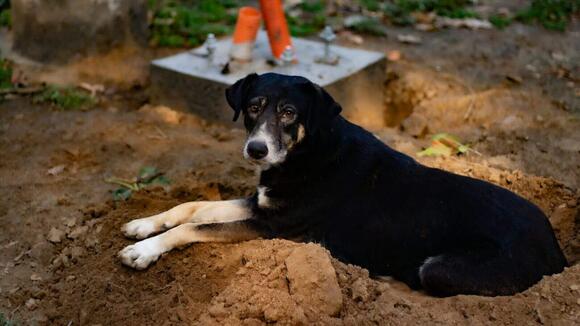
Nesting usually happens at specific times in a dog’s life. It is most common in female dogs before they give birth.
| Time | Reason |
| Pregnancy | Preparing a safe place for puppies |
| Before Sleep | Making a comfy resting spot |
| Stressful Situations | Seeking security and comfort |
| New Environment | Adjusting by creating a safe area |
Credit: www.newsbreak.com
Instincts Behind Nesting
Nesting behavior in dogs comes from deep inside their instincts. It is a natural act that many dogs show before resting or having puppies.
This behavior helps dogs feel calm and ready for what is ahead. It shows how much their wild past still guides them today.
Ancestral Roots
Long ago, wild dogs and wolves made nests to protect themselves. They used leaves, grass, and dirt to build soft, safe places.
This nesting helped keep their babies warm and safe from danger. Today’s dogs still carry this old habit in their genes.
Survival And Safety
Nesting helps dogs feel secure and hide from threats. By making a small, cozy spot, dogs can watch for danger and stay calm.
This behavior also helps pregnant dogs prepare a safe place for their puppies. It increases the chances of survival for the new family.
Nesting In Pregnant Dogs
Nesting behavior is common in pregnant dogs. It means they prepare a safe place for their puppies.
This behavior helps the mother feel calm and ready to care for her litter. It starts a few days before birth.
Preparing For Puppies
Pregnant dogs look for a quiet, warm, and safe spot to have their puppies. They may move around a lot to find the perfect place.
- The dog may scratch or dig to make the area comfortable.
- She might carry soft items like blankets or towels to the spot.
- Sometimes, she circles the area before settling down.
- The mother dog often stays close to this spot as the birth approaches.
Common Nesting Materials
Dogs use different materials to build a cozy nest. These items help keep the puppies warm and safe.
| Material | Purpose |
| Blankets | Soft bedding and warmth |
| Towels | Comfort and absorbency |
| Clothes | Familiar scent and softness |
| Straw or Hay | Insulation and cushioning |
| Paper or Shredded Cardboard | Easy to clean and soft |

Credit: pethelpful.com
Nesting Beyond Pregnancy
Nesting behavior is often linked to pregnant dogs. They build safe spaces for their puppies.
But dogs may nest even without pregnancy. This behavior helps them feel calm and safe.
Stress And Anxiety
Dogs use nesting to reduce stress and anxiety. They create cozy spots to feel secure.
- Scratching or digging at bedding
- Gathering blankets or toys
- Seeking quiet, enclosed spaces
- Resting in familiar areas
Nesting helps dogs calm down during loud noises or changes in their environment.
Comfort And Territory
Nesting also marks a dog’s territory. It shows where they feel most comfortable.
| Behavior | Reason |
| Choosing a specific spot | Claims territory |
| Arranging bedding | Creates comfort |
| Bringing favorite items | Personalizes space |
How To Support Your Dog’s Nesting
Nesting behavior is common in dogs. It involves creating a comfortable space.
Understanding this can help you support your furry friend. Let’s explore how.
Creating A Safe Space
Dogs need a safe spot to relax and feel secure. This helps them feel at ease.
- Choose a quiet corner in your home.
- Provide a soft bed or blanket.
- Ensure the area is free from hazards.
Avoiding Disruption
Keep the nesting area calm. Avoid loud noises and frequent disruptions.
When Nesting Becomes A Concern
Nesting is a natural behavior in dogs, especially before giving birth. They create a safe, comfortable space for their puppies.
Sometimes, nesting may become excessive or signal other problems. It is important to know when to watch closely.
Excessive Nesting
Excessive nesting means your dog spends too much time preparing a nest or rearranging bedding. This can cause stress or injury.
- Repeatedly digging or scratching at the same spot
- Destroying bedding or household items
- Refusing to rest or relax in the nest
- Showing signs of anxiety or restlessness
Seeking Veterinary Advice
Contact your veterinarian if nesting behavior changes suddenly or seems extreme. A vet can check for health or hormonal issues.
| Signs to Watch | Possible Causes |
| Excessive digging | Stress, anxiety, pain |
| Refusal to eat or rest | Illness, discomfort |
| Repeated nesting without pregnancy | Hormonal imbalance |
| Behavior changes | Medical or psychological problems |
Credit: www.alvarpet.com
Frequently Asked Questions
What Is Nesting Behavior In Dogs?
Nesting behavior in dogs is when they create a safe, comfortable space. It often involves digging, scratching, or arranging bedding. This behavior is common before giving birth or when feeling anxious. Nesting helps dogs feel secure and prepare for puppies or rest.
Why Do Pregnant Dogs Show Nesting Behavior?
Pregnant dogs nest to prepare a safe area for their puppies. This instinctual behavior ensures warmth and protection for newborns. Nesting also helps reduce stress and signals that birth is near. It is a natural and essential part of a dog’s maternal care.
How Can I Support My Dog’s Nesting Instincts?
Provide a quiet, cozy space with soft bedding for your dog. Avoid disturbing her during nesting to reduce stress. Offer extra comfort and monitor her closely for labor signs. Supporting nesting helps ensure a calm and safe environment for your dog.
Is Nesting Behavior Normal In Non-pregnant Dogs?
Yes, non-pregnant dogs may nest when anxious or stressed. They might also do this to find comfort or during illness. Nesting can be a way to self-soothe or create a safe spot. If excessive, consult a vet to rule out health issues.
Conclusion
Nesting behavior in dogs shows their natural instincts clearly. This behavior helps them feel safe and comfortable. Dogs may gather blankets or toys to create a cozy spot. Understanding this helps owners care for their pets better. Watch your dog’s actions to learn what they need.
Creating a quiet space supports their nesting habits well. This simple act strengthens the bond between you and your dog. Paying attention to nesting helps keep your dog happy and calm. Small changes in their environment make a big difference.
Nesting is a natural part of a dog’s life.

Emily Barker is the founder of ChillDogLife.com, a space dedicated to helping pup parents discover the best dog products, lifestyle tips, and cozy ideas for happier homes.
A lifelong dog lover, Emily combines her passion for pets with a knack for research to share trusted recommendations on everything from toys and furniture to health and everyday care.
Her goal is simple: to make life easier, stylish, and more joyful for dogs and the people who love them.




