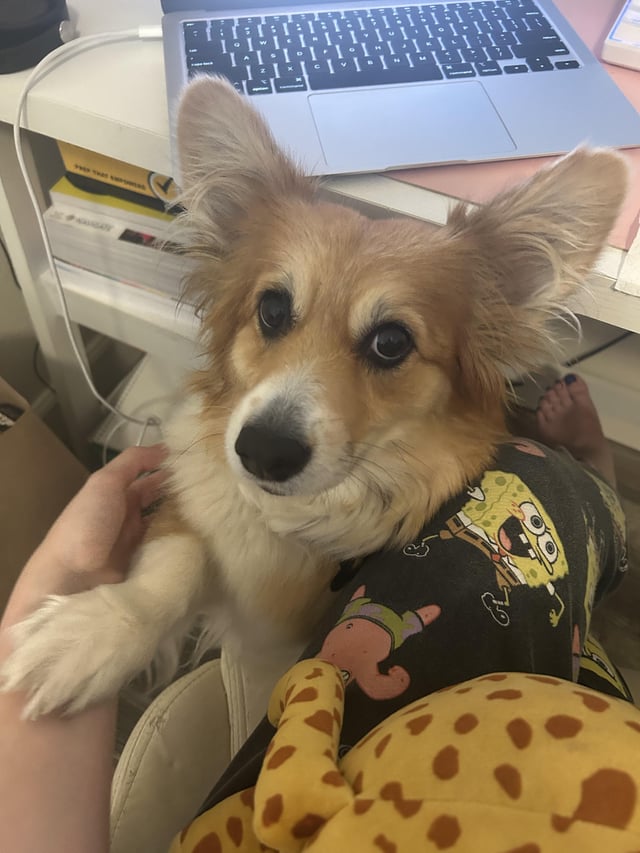
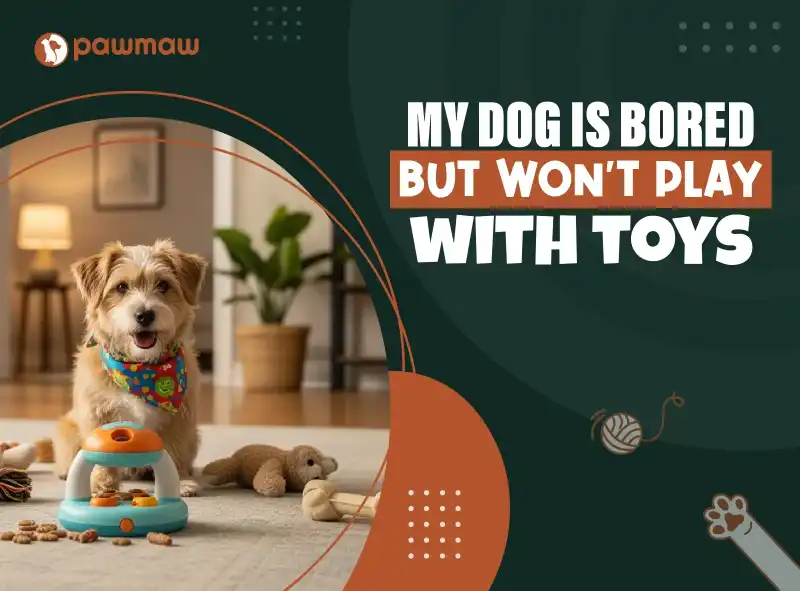
Have you ever wondered why your dog won’t play with toys? It’s frustrating to see your furry friend ignore the very things meant to bring joy and exercise.
You might feel confused or worried, thinking something could be wrong. But don’t worry—there are simple reasons behind this behavior, and understanding them can help you reconnect with your pet. Keep reading to discover why your dog isn’t interested in toys and how you can spark their playful side again.
Credit: www.pawmaw.com
Common Reasons Dogs Avoid Toys
Many dog owners wonder why their pets avoid toys. Understanding the reasons helps improve playtime. Dogs may ignore toys for several common reasons. Each dog is unique, and their behavior shows their preferences.
Lack Of Interest Or Boredom
Some dogs simply do not find toys exciting. They may have seen the same toys too often. Repetitive play can make toys dull and unappealing. Dogs need new, varied toys to stay interested. Sometimes, the texture or size of the toy may not suit them.
Health Issues Affecting Play
Health problems can reduce a dog’s desire to play. Pain from arthritis or dental issues limits activity. Illness or fatigue also lowers energy for toys. Always check with a vet if play stops suddenly. Early diagnosis helps dogs feel better and return to play.
Past Negative Experiences
Bad memories can cause a dog to avoid toys. Rough play or accidents linked to toys create fear. Some dogs may associate toys with discomfort. Trust-building and gentle encouragement help overcome these fears. Patience is key to restore positive play habits.
Age And Energy Levels
Young puppies usually love toys and play often. Older dogs might slow down and prefer rest. Energy naturally decreases with age. Senior dogs might enjoy softer or quieter toys. Matching toys to the dog’s age keeps play fun and safe.
Personality And Breed Traits
Understanding why your dog won’t play with toys often starts with their personality and breed traits. These factors shape how dogs enjoy playtime. Not every dog shows interest in toys in the same way. Some breeds have unique play styles, and each dog’s personality plays a big role in their preferences.
Breed-specific Play Styles
Different breeds have different ways of playing. Herding breeds like Border Collies enjoy chasing and herding games. Retrievers love fetching and carrying items in their mouths. Toy breeds may prefer gentle and calm play. Some dogs use toys to satisfy natural instincts like digging or chewing. Understanding these breed traits helps you pick the right toys and games.
Individual Personality Differences
Every dog has a unique personality. Some dogs are naturally energetic and love active play. Others are shy or calm and prefer quiet time. A dog’s past experiences also affect how they play. Fear or lack of socialization can make dogs avoid toys. Respecting your dog’s personality means finding play that suits them best. Patience and observation reveal what excites your dog.
Environmental Factors
Environmental factors play a big role in whether your dog wants to play with toys or not. Sometimes, the problem isn’t the toy itself but what’s happening around your pet. Understanding these elements can help you create a better space for your dog to feel excited about playtime.
Distractions And Noise
Dogs are easily distracted by loud noises or busy surroundings. If your home is noisy or full of activity, your dog might choose to ignore toys altogether. Have you noticed your dog’s behavior change when the TV is on or when guests are over?
Try to create a quiet, calm spot for play. Turn off loud appliances and move away from high-traffic areas. This can help your dog focus and feel more comfortable engaging with toys.
Comfort And Safety Concerns
Your dog won’t play with toys if they don’t feel safe or comfortable. A slippery floor or a cramped space can make playing stressful instead of fun. Is your dog avoiding toys in certain rooms or on certain surfaces?
Make sure the play area has soft flooring or rugs where your dog can feel secure. Remove any sharp objects or hazards nearby. When your dog feels safe, they’re more likely to relax and enjoy playtime.
Choosing The Right Toys
Choosing the right toys can make all the difference when your dog isn’t interested in playing. Dogs have unique preferences, and finding the perfect toy often means matching their personality, play style, and physical needs. Understanding these factors helps you pick toys that truly capture your dog’s attention and encourage active play.
Types Of Toys That Appeal To Dogs
Dogs respond differently to various types of toys. Some love chew toys that satisfy their natural urge to gnaw, while others prefer fetch toys like balls or frisbees that engage their chasing instincts. Puzzle toys can stimulate your dog's mind and keep them busy when they need a break from physical play.
Think about your dog’s behavior. Do they like tugging? Try rope toys. Are they more independent? A treat-dispensing toy might be a hit. Experimenting with different styles can reveal what excites your dog the most.
Size And Texture Preferences
The size of the toy matters for comfort and safety. A toy too large may be frustrating, while one too small could be a choking hazard. Observe how your dog holds and carries toys to find a size that fits their mouth perfectly.
Texture plays a big role, too. Some dogs enjoy soft plush toys for snuggling, while others prefer harder rubber or nylon toys for chewing. Notice if your dog avoids certain materials or seems more engaged with specific textures, and use that insight to guide your choices.
Introducing New Toys Effectively
Simply placing a new toy in front of your dog doesn’t guarantee playtime. Introduce toys by making them exciting—use enthusiasm and encourage interaction. You might start by playing with the toy yourself or using it during a game to show your dog how fun it can be.
Rotate toys regularly to keep things fresh. Dogs lose interest quickly if they see the same items all the time. How do you usually introduce new toys to your dog? Trying a different approach could spark their interest.
Encouraging Play Behavior
Encouraging your dog to play with toys can sometimes feel like a challenge, especially if they show little interest at first. Understanding how to gently motivate them without pressure is key. Play is not just fun; it builds their confidence and strengthens your connection.
Using Positive Reinforcement
Reward your dog when they show any interest in a toy, even just sniffing or pawing at it. Use treats, praise, or a happy tone to make the experience enjoyable.
Try to catch your dog at a moment when they are curious or calm, then introduce the toy slowly. This approach helps your dog associate playtime with positive feelings rather than stress or boredom.
Incorporating Play Into Routine
Adding short play sessions into your daily schedule can make toys a natural part of your dog’s day. Dogs thrive on routine, and regular playtime creates anticipation and excitement.
Even five minutes before a walk or after meals can be a perfect time to bring out toys. Consistency helps build a habit that your dog will look forward to.
Playing Together As Bonding
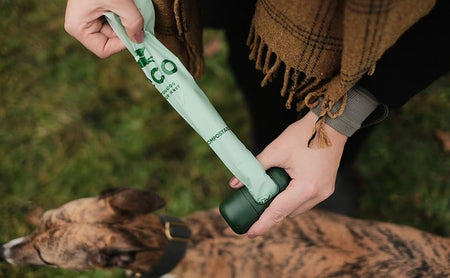
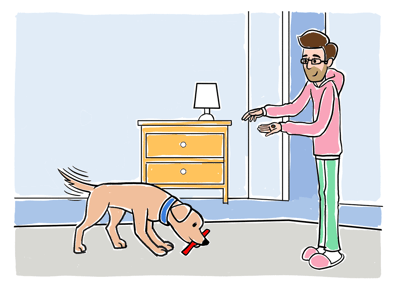
Join your dog in play to make it more engaging and fun. Your active participation teaches them that playtime is special and rewarding.
Games like tug-of-war, fetch, or gentle chase involve you directly, making toys more interesting. Have you noticed how your dog responds when you get involved? Their energy and enthusiasm often increase significantly.
Credit: www.becopets.com
When To Consult A Veterinarian
Noticing your dog’s sudden disinterest in toys can be puzzling and worrying. While sometimes it’s just a phase, other times it signals a deeper issue. Knowing when to consult a veterinarian can make all the difference for your pet’s health and happiness.
Signs Of Underlying Medical Issues
Has your dog stopped playing abruptly, showing signs of lethargy or pain? Changes like limping, excessive panting, or a loss of appetite may indicate health problems affecting their willingness to play.
Sometimes dental pain or arthritis can make chewing or moving uncomfortable. If your dog’s behavior shifts alongside physical symptoms, it’s time to seek professional advice.
Think about how your dog behaves during walks or other activities. Are they less active or reluctant to engage? These subtle clues help your vet pinpoint medical causes behind toy disinterest.
Behavioral Assessments
Your dog’s mood and environment play a huge role in their play habits. Stress, anxiety, or recent changes at home can stop your dog from enjoying toys as they used to.
Have you noticed if your dog seems withdrawn or unusually clingy? Behavioral shifts can suggest emotional struggles that a vet or animal behaviorist can help address.
Sometimes boredom or lack of stimulation leads to disinterest in toys. A vet can help rule out medical issues and guide you toward behavioral strategies that reignite your dog’s play drive.
Credit: www.preventivevet.com
Frequently Asked Questions
Why Won’t My Dog Play With Toys Anymore?
Dogs may lose interest due to boredom, stress, or health issues. Check for pain or anxiety and try new toys or play styles to rekindle their interest.
Can Health Problems Cause Dogs To Avoid Toys?
Yes, pain or illness can reduce a dog’s energy and desire to play. A vet visit can help rule out medical concerns affecting their behavior.
How To Encourage A Dog To Play With Toys?
Use interactive play, praise, and treats to motivate your dog. Rotate toys regularly and choose ones matching your dog’s size and preferences.
Is Age A Factor In Dogs Not Playing With Toys?
Older dogs may play less due to decreased energy or joint pain. Gentle, low-impact toys and activities suit senior dogs better.
Conclusion
Dogs may avoid toys for many simple reasons. They might feel tired, scared, or just not interested. Sometimes, health problems or age affect their play. Changing toys or trying new games can help. Patience and gentle encouragement work best. Watch your dog’s behavior and learn their likes.
Play should be fun, not forced. Understanding your dog’s feelings builds trust and joy. Keep trying different ways to engage your pet. Soon, playtime can become a happy routine for both.

Emily Barker is the founder of ChillDogLife.com, a space dedicated to helping pup parents discover the best dog products, lifestyle tips, and cozy ideas for happier homes.
A lifelong dog lover, Emily combines her passion for pets with a knack for research to share trusted recommendations on everything from toys and furniture to health and everyday care.
Her goal is simple: to make life easier, stylish, and more joyful for dogs and the people who love them.




