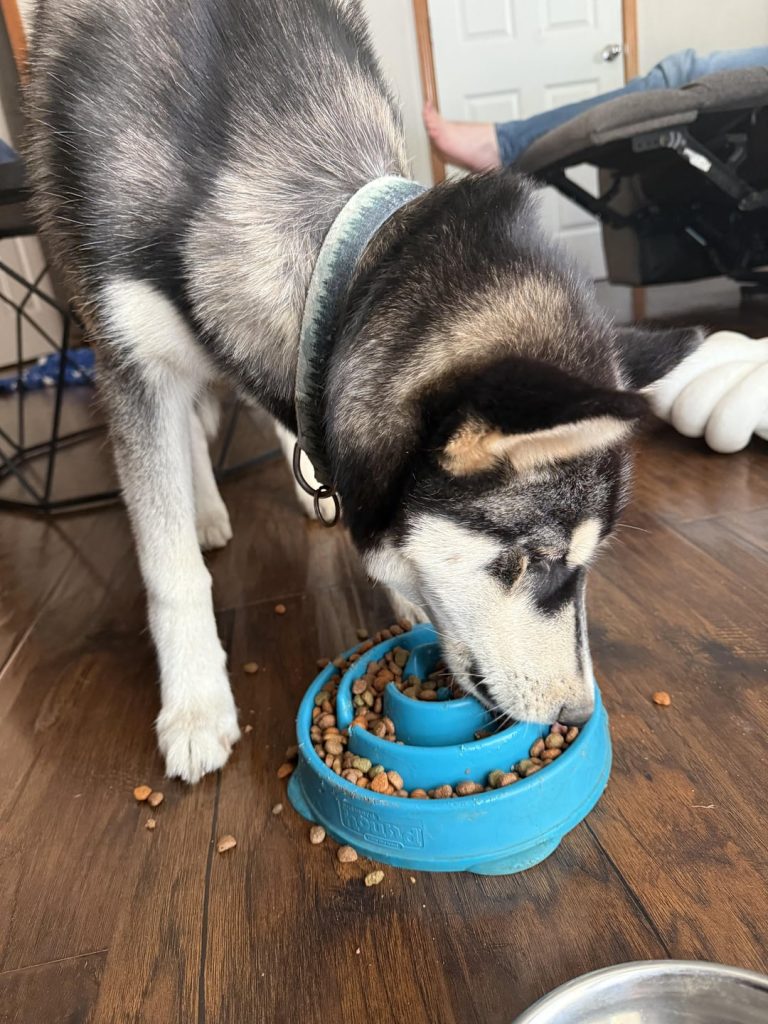
Have you ever poured kibble into your dog’s bowl, only to watch them turn away in frustration? It’s confusing and frustrating when your furry friend refuses the food you thought they’d love.
You might wonder, “Why does my dog hate kibble? ” Understanding the reasons behind this behavior can help you find the right solution and make mealtime enjoyable again. Keep reading, because the answers might surprise you—and they could change how you feed your dog forever.

Credit: www.reddit.com
Common Reasons Dogs Reject Kibble
Many dogs refuse to eat kibble for several common reasons. Understanding these reasons helps improve your dog’s mealtime experience. Some dogs dislike kibble because of its taste or texture. Others may have health issues affecting their appetite. Sensitivity to certain ingredients can also cause rejection. Past negative experiences with food might make a dog wary of kibble.
Taste And Texture Preferences
Dogs have different taste buds and preferences. Some prefer wet or fresh food over dry kibble. Kibble’s hard texture might be unpleasant for certain dogs. Changing the shape or flavor can sometimes help. Dogs may also get bored eating the same food daily.
Health Issues Affecting Appetite
Health problems often cause a reduced appetite. Dental pain can make chewing kibble difficult. Digestive issues might cause discomfort after eating dry food. Illness or medication side effects may reduce hunger. A vet visit can rule out medical causes.
Sensitivity To Ingredients
Some dogs react badly to specific ingredients. Common allergens include wheat, corn, soy, and certain proteins. Sensitivities may cause stomach upset or skin problems. Dogs may avoid foods that make them feel unwell. Choosing hypoallergenic or limited-ingredient kibble might help.
Past Negative Experiences
Dogs remember bad experiences linked to food. Vomiting or choking on kibble can cause fear. Loud noises during mealtime may create stress. Negative associations make dogs refuse kibble. Patience and positive reinforcement can rebuild trust.
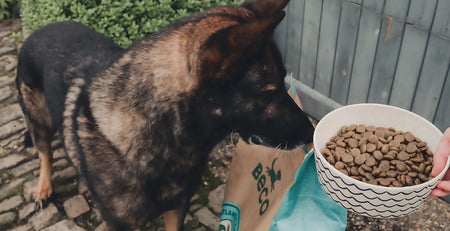
Credit: www.becopets.com
Impact Of Kibble Quality
The quality of the kibble you choose can have a huge impact on your dog’s willingness to eat it. Not all kibbles are created equal, and differences in ingredients, additives, and brand reliability can make your dog either excited or turned off at mealtime. Understanding these factors helps you pick a kibble that suits your dog’s taste and health needs.
Nutritional Value Differences
Not all kibble packs the same nutritional punch. Some brands use low-quality fillers like corn or wheat, which offer little benefit and can make your dog less interested in eating. Others focus on high-quality proteins, real meat, and balanced vitamins, which can improve your dog’s health and appetite.
Think about the last time you tried a bland, processed snack versus a fresh, tasty meal. Dogs feel this too. You want to choose kibble that provides real nourishment so your dog feels satisfied and eager for the next bowl.
Additives And Preservatives
Many kibbles contain artificial additives and preservatives to extend shelf life. These chemicals might affect your dog’s taste buds or even cause digestive upset, leading to refusal. If your dog suddenly rejects kibble they once liked, check the ingredient list for new additives.
Natural preservatives like mixed tocopherols or rosemary extract are less likely to bother your dog. You might find that switching to a brand with fewer artificial ingredients makes your dog more willing to eat their meals.
Brand Reputation And Trust
Some brands are known for quality control and transparency, while others have a spotty history with recalls or vague ingredient sourcing. Dogs can pick up on subtle differences in smell and taste caused by ingredient quality. Trustworthy brands often invest more in research and better ingredients.
Have you noticed how your dog reacts differently to various brands? Choosing a reputable brand can mean better consistency and fewer surprises at mealtime. It’s worth investing in brands that prioritize your pet’s health and happiness.
Environmental And Behavioral Factors
Dogs react to their environment and habits in many ways. These factors can affect their interest in kibble. Changes in routine, stress, and social settings can make a dog dislike their food. Understanding these helps to find the cause of the problem.
Feeding Routine Disruptions
Dogs feel safe with a steady feeding schedule. Sudden changes in feeding times or locations can confuse them. This confusion may lead to refusal of kibble. Consistency helps dogs enjoy their meals and stay healthy.
Stress And Anxiety
Stress affects dogs’ appetite and food preferences. Loud noises, new people, or changes at home cause anxiety. An anxious dog may avoid eating kibble. Creating a calm feeding environment encourages better eating habits.
Competition And Social Dynamics
Dogs in groups may compete for food. This competition can cause stress or aggression. Some dogs may avoid kibble to keep peace or avoid fights. Feeding dogs separately can reduce tension and improve eating behavior.

Credit: portlandpetfoodcompany.com
Solutions To Encourage Kibble Eating
Getting your dog to eat kibble can be a challenge, but there are practical ways to make mealtime more appealing. Understanding how to encourage your dog gently and effectively can change their attitude toward kibble. Here are some solutions that can help turn kibble into a favorite meal rather than a dreaded one.
Gradual Diet Transition
Sudden changes in diet can put off your dog, causing them to reject kibble. Try mixing a small amount of kibble with their current food and slowly increase the kibble portion over several days.
This slow change helps your dog adjust to new tastes and textures without stress. You might notice more interest as familiar flavors blend with the kibble.
Enhancing Flavor And Aroma
Dogs rely heavily on smell to decide if food is appealing. Boosting the aroma of kibble can make a big difference.
Try adding a bit of warm water, low-sodium broth, or a spoonful of wet dog food to the kibble. These tricks make the meal smell richer and tastier, which can spark your dog’s appetite.
Consulting A Veterinarian
If your dog persistently refuses kibble, it might signal an underlying health issue. A vet can check for dental problems, allergies, or digestive issues that affect eating habits.
Getting professional advice ensures you address any medical concerns promptly and tailor the diet to your dog’s specific needs.
Alternative Feeding Methods
Sometimes, changing how you feed your dog can encourage better eating habits. Puzzle feeders or slow feeders add mental stimulation and make mealtime fun.
Hand-feeding small amounts or feeding multiple smaller meals throughout the day may also help if your dog is a picky eater. These methods turn feeding into a positive experience that your dog looks forward to.
When To Consider Alternative Diets
Noticing your dog turning up its nose at kibble can be frustrating. Sometimes, this dislike signals a deeper issue with the food’s ingredients or texture. Knowing when to explore alternative diets can improve your dog’s health and happiness.
Raw And Fresh Food Options
Raw diets focus on feeding your dog uncooked meats, vegetables, and fruits. Many owners report increased energy and shinier coats after switching to fresh food. However, handling raw meat requires strict hygiene to avoid bacteria risks.
If you’re considering raw feeding, consult your vet to ensure it meets your dog’s nutritional needs. Would you feel comfortable preparing and storing raw meals safely every day?
Homemade Meals
Preparing homemade meals lets you control every ingredient. You can avoid preservatives, fillers, and allergens that might be in commercial kibble. Many pet parents find joy in customizing recipes that suit their dog’s tastes and sensitivities.
Start simple with balanced portions of protein, carbs, and veggies. Remember, a sudden switch might upset your dog’s stomach, so introduce new meals gradually. What ingredients does your dog love most?
Specialized Diets For Allergies
Some dogs reject kibble due to food allergies or intolerances. Specialized diets use limited ingredients or novel proteins to reduce allergic reactions. These options can relieve symptoms like itching, digestive upset, or ear infections.
Work with your vet to identify potential allergens through testing or elimination diets. Could switching to a hypoallergenic formula improve your dog’s quality of life?
Frequently Asked Questions
Why Does My Dog Dislike Kibble?
Dogs may dislike kibble due to its texture, taste, or smell. Some dogs have preferences for wet or homemade food. Health issues like dental problems or allergies can also cause aversions. Gradually introducing new foods or mixing kibble with wet food can help.
Can Kibble Quality Affect My Dog’s Preference?
Yes, kibble quality can impact your dog’s preference. High-quality kibble with natural ingredients is often more appealing. Poor-quality kibble may contain fillers or artificial flavors that dogs dislike. Always check the ingredients list and consider your dog’s dietary needs for a better choice.
How Can I Make Kibble More Appealing?
To make kibble more appealing, try adding warm water or low-sodium broth. This enhances flavor and aroma. You can also mix kibble with wet food or healthy toppings like cooked vegetables. Experimenting with different flavors or brands may also improve your dog’s interest.
Is It Normal For Dogs To Avoid Kibble?
Yes, it’s normal for some dogs to avoid kibble due to taste preferences. Some dogs prefer wet or fresh food. However, if this behavior is sudden, consult a vet. It could indicate underlying health issues. Always ensure your dog receives a balanced diet for optimal health.
Conclusion
Dogs may dislike kibble for many simple reasons. Taste and texture matter a lot to them. Sometimes, health issues or boredom cause rejection. Changing food slowly can help your dog adjust. Offering fresh water and occasional treats improves their meal time.
Pay attention to your dog’s preferences and needs. A happy dog often eats well and feels good. Understanding your dog’s dislikes leads to better care. Keep trying different approaches to find what works best. Your patience will help your dog enjoy mealtime again.

Emily Barker is the founder of ChillDogLife.com, a space dedicated to helping pup parents discover the best dog products, lifestyle tips, and cozy ideas for happier homes.
A lifelong dog lover, Emily combines her passion for pets with a knack for research to share trusted recommendations on everything from toys and furniture to health and everyday care.
Her goal is simple: to make life easier, stylish, and more joyful for dogs and the people who love them.




