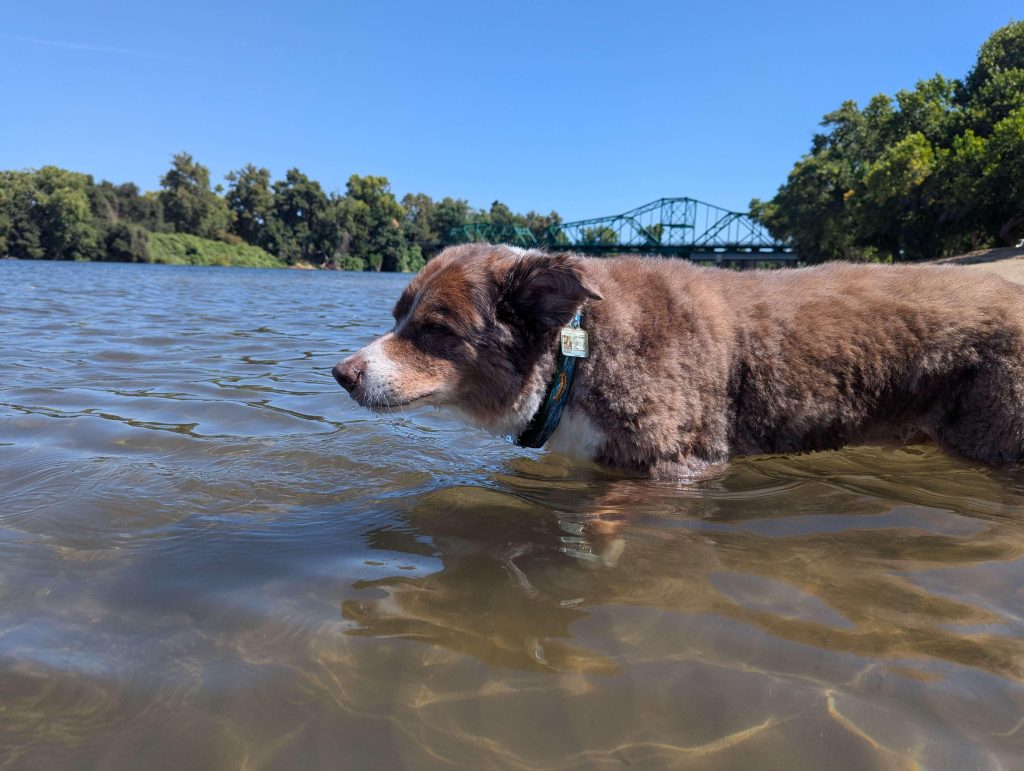
Looking for the perfect spot to take your dog swimming? Whether your furry friend loves splashing around or needs a safe place to cool off, finding the right location is key.
You want a place that’s fun, safe, and welcoming for both you and your pup. You’ll discover the best spots where your dog can swim freely and enjoy the water to the fullest. Ready to make a splash with your best friend?
Let’s dive in!
Credit: www.chewy.com
Best Dog Beaches
Finding the best dog beaches gives your furry friend a chance to swim and play freely. These spots offer clean water, open space, and a friendly atmosphere. A good dog beach lets your pet enjoy nature safely while socializing with other dogs. Many coastal areas have special zones just for dogs. Knowing the best places helps you plan a fun day by the sea.
Popular Coastal Spots
- Huntington Dog Beach, California – Wide sandy shore with dog showers.
- Fort De Soto Park, Florida – Large off-leash area and calm waters.
- Montrose Dog Beach, Chicago – Urban beach with dog swimming zones.
- Lady Bird Lake, Texas – Freshwater spot with easy access for dogs.
- Hove Lagoon, UK – Popular for dog swimming and scenic views.
Dog-friendly Rules
- Check leash laws – some beaches require dogs to be on a leash.
- Clean up after your dog to keep the beach safe and clean.
- Follow posted hours for dog access; some beaches allow dogs only at certain times.
- Respect other beachgoers and their pets to avoid conflicts.
- Bring fresh water and avoid letting your dog drink seawater.
Safety Tips At Beaches
- Watch your dog closely to prevent strong currents or waves.
- Use a dog life vest for extra safety during swimming.
- Protect paws from hot sand or sharp shells.
- Rinse your dog with fresh water after swimming to remove salt and sand.
- Be aware of wildlife and avoid areas with jellyfish or sharp rocks.
Lakes For Dog Swimming
Finding the perfect lake for your dog to swim in can make a world of difference in their enjoyment and safety. Lakes often offer natural, open spaces where dogs can splash around freely and burn off energy. But not all lakes are the same, so knowing what to look for helps you pick the best spot for your furry friend.
Clean Water Choices
Choosing a lake with clean, clear water is essential for your dog’s health. Polluted water can cause infections or stomach issues if your dog drinks or swims in it. Look for lakes regularly tested for water quality or those with minimal industrial or agricultural runoff nearby.
Some lakes have designated dog-friendly areas where water cleanliness is monitored more closely. You might even find local online forums where dog owners share their experiences about water quality at different lakes. Have you ever noticed how your dog reacts to different waters? That can be a good clue about what’s safe for them.
Shallow Areas For Pups
Not every dog is a strong swimmer, especially puppies or older dogs. Lakes with gently sloping, shallow areas allow dogs to wade and build confidence in the water. These spots provide a safer environment where you can keep a close eye on your dog.
Check if the lake has sandy or grassy bottoms rather than rocky or muddy ones, which can be uncomfortable or slippery for your dog. If your dog is new to swimming, spending time in shallow water can reduce anxiety and prevent accidents. Have you explored a lake where your dog could stand comfortably while still enjoying the swim?
Local Regulations
Every lake has its own rules about dogs. Some require dogs to be on a leash, while others allow off-leash swimming. Some lakes may even have seasonal restrictions to protect wildlife or water quality.
Before heading out, check local park or wildlife websites for any regulations. Ignoring these rules can lead to fines or worse, putting your dog or the environment at risk. Have you ever encountered unexpected rules at a lake? Knowing them ahead of time helps you avoid surprises and keeps your outing stress-free.
Rivers And Streams
Rivers and streams offer a refreshing and natural spot for your dog to swim. They provide a different experience compared to pools or lakes, with running water that can be both exciting and stimulating for your furry friend. However, not every river or stream is safe or suitable for swimming, so knowing where and how to choose the right spot is crucial for a fun and safe outing.
Calm Current Locations
Look for areas where the water flows gently. These calm spots are usually found in wider bends or where the river slows down near the banks. Slow-moving water reduces the risk of your dog being swept away and makes swimming easier for them.
One time, I took my dog to a river bend where the water barely moved, and she loved paddling around without struggling. If you spot a place where ducks or other animals are resting on the water, it’s often a good sign that the current is mild.
Access Points
Safe entry and exit points are vital. Steep or slippery banks can make it hard for your dog to get in and out of the water. Look for gentle slopes, sandy shores, or flat rocks that provide secure footing.
Check if the area has clear paths or trails nearby so you can easily carry your dog’s gear or help if needed. Sometimes, a spot that looks perfect from the water might be difficult to reach on foot, so scouting ahead helps avoid surprises.
Avoiding Hazards
Rivers and streams can hide dangers like sharp rocks, strong undercurrents, or sudden drop-offs. Always keep an eye on your dog and avoid areas with fast-moving water or debris. If you notice signs warning about water conditions or wildlife, respect them.
Watch out for algae blooms or murky water, which can be harmful to your dog’s health. Asking locals or checking online forums for recent water quality reports can save you from an unsafe swim.

Credit: www.reddit.com
Dog Parks With Water Features
Dog parks with water features offer a perfect spot for dogs to cool off and have fun. These parks combine open spaces with water elements designed for dogs to splash around safely. They provide a great way for dogs to exercise, play, and stay hydrated on warm days.
Splash Pads And Pools
Splash pads create gentle water sprays and jets that dogs enjoy chasing. They are shallow and safe, perfect for dogs of all sizes. Small pools allow dogs to swim or wade in cool water. These features keep dogs entertained and help them stay cool during hot weather.
Socializing Opportunities
Water features attract many dogs, making parks lively and social. Dogs can play together, improving their social skills. Owners meet other dog lovers, sharing tips and stories. Social play also helps reduce anxiety and build confidence in dogs.
Maintenance And Cleanliness
Good dog parks maintain water cleanliness regularly. Clean water prevents infections and keeps dogs healthy. Staff often check splash pads and pools for safety. Well-kept parks ensure a safe environment for all dogs and owners.
Indoor Swimming Options
Indoor swimming options offer a great way for dogs to enjoy water exercise all year round. Whether the weather outside is too cold, rainy, or simply unpredictable, indoor facilities provide a controlled environment where your dog can swim safely and comfortably. These spaces often come with specialized pools designed specifically for dogs, making them a fantastic alternative to outdoor lakes or beaches.
Doggy Pools And Spas
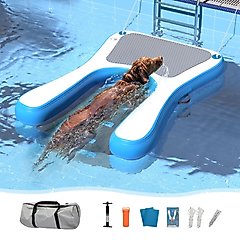
Doggy pools and spas are designed with your pet’s size and needs in mind. These pools are usually smaller than human pools and have gentle ramps or steps to help your dog get in and out easily. Some spas even offer warm water to soothe muscles and joints, which can be especially helpful after a long walk or play session.
Many indoor centers also provide additional services like grooming and training, making it a one-stop spot for your dog’s wellness. Have you noticed how some dogs hesitate around water? These pools often have trainers who can help ease that fear.
Benefits For Older Dogs
Older dogs can really benefit from swimming indoors. The low-impact exercise helps maintain joint flexibility without putting stress on hips and knees. Warm water pools also help reduce pain from arthritis or other chronic conditions.
Swimming indoors means you don’t have to worry about rough terrain or slippery surfaces that might cause injuries. Have you seen how your senior dog perks up after a gentle swim? It’s a great way to keep them active and happy without risking harm.
Booking And Safety
Booking a session at an indoor dog pool usually requires a quick call or online reservation. Many places limit the number of dogs at a time to avoid overcrowding and ensure individual attention. It’s a good idea to ask about any vaccination requirements or health checks to keep all dogs safe.
Always watch your dog closely during swim time and use provided safety equipment if available. Have you thought about how you’d react if your dog got tired or anxious in the water? Knowing the facility’s safety protocols can give you peace of mind and make the experience enjoyable for both of you.
Preparing Your Dog For Swimming
Preparing your dog for swimming ensures a safe and fun experience. Dogs need time to adjust to water. Preparation helps build confidence and prevents accidents. It also keeps your dog healthy during swim time.
Swimming Gear Essentials
- Life jacket: Provides extra buoyancy and safety.
- Leash: Helps control your dog near water.
- Towels: For drying your dog after swimming.
- Water bowl: Fresh water to keep your dog hydrated.
- Protective booties: Protect paws from rough or hot surfaces.
Training Tips
Start in shallow water. Let your dog get used to the feeling. Use treats to encourage your dog to enter water. Practice commands like “come” and “stay” near water. Keep sessions short and positive. Always stay close to your dog.
Health Precautions
- Check water quality to avoid harmful bacteria.
- Rinse your dog after swimming to remove chlorine or salt.
- Watch for signs of tiredness or distress.
- Keep vaccinations and parasite control up to date.
- Consult a vet if your dog has health issues before swimming.
After-swim Care
After a fun swim, taking care of your dog is very important. Proper after-swim care keeps your dog healthy and comfortable. It helps prevent skin problems and keeps your dog happy. Follow these simple steps to care for your dog after swimming.
Drying And Grooming
Start by drying your dog well with a towel. Pay special attention to the ears and paws. Use a brush to remove any dirt or debris stuck in the fur. Drying prevents skin infections and keeps your dog warm. Grooming also helps check for any hidden issues.
Checking For Irritations
Look closely at your dog’s skin, ears, and eyes for any signs of irritation. Redness, swelling, or unusual smells can mean infections. Check between toes and under the collar area too. Early detection helps prevent bigger health problems. If you see irritation, consult a vet quickly.
Hydration And Rest
Swimming uses a lot of energy and water from your dog’s body. Offer fresh water to keep your dog hydrated. Let your dog rest in a quiet, comfortable spot. Rest helps muscles recover and keeps your dog calm. Proper hydration and rest speed up recovery after swimming.

Credit: www.calmshops.co.uk
Frequently Asked Questions
Where Can Dogs Swim Safely?
Dogs can swim safely at designated dog-friendly beaches, lakes, and rivers. Ensure the water is clean and free from strong currents. Check for local dog parks with swimming areas. Always supervise your dog while swimming to ensure their safety.
Are Public Pools Dog-friendly?
Most public pools do not allow dogs for hygiene reasons. However, some areas offer dog-friendly pools or specific dog swim days. Check local regulations and pool policies. Always ensure your dog is comfortable in such environments.
How To Choose A Dog-friendly Beach?
Choose beaches that specifically allow dogs. Look for signs indicating dog-friendly zones. Check online reviews or local guidelines. Ensure the beach has shallow areas for easier access. Always keep your dog leashed when required.
Can Dogs Swim In Lakes?
Yes, many dogs can swim in lakes. Ensure the water is clean and free from harmful algae. Avoid lakes with strong currents or dangerous wildlife. Always supervise your dog to ensure safety and prevent any accidents.
Conclusion
Finding the right spot for your dog to swim makes all the difference. Safe, clean water keeps your pet happy and healthy. Beaches, lakes, and dog parks offer great options. Always watch your dog closely while swimming. Remember to check local rules before you go.
Swimming helps dogs stay active and cool in warm weather. Enjoy the time together, and make swimming fun for your furry friend. Choosing the best place ensures safe and happy water adventures.

Emily Barker is the founder of ChillDogLife.com, a space dedicated to helping pup parents discover the best dog products, lifestyle tips, and cozy ideas for happier homes.
A lifelong dog lover, Emily combines her passion for pets with a knack for research to share trusted recommendations on everything from toys and furniture to health and everyday care.
Her goal is simple: to make life easier, stylish, and more joyful for dogs and the people who love them.




