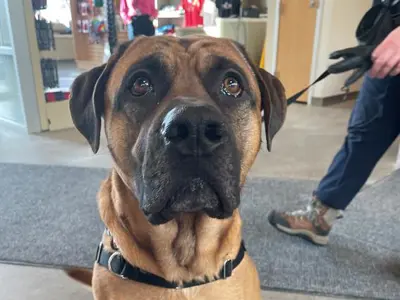
Thinking about finding a new home for your dog can be tough. You want to make sure your furry friend goes to a safe and loving family.
But where can you put your dog up for adoption without stress or worry? You need clear options and trustworthy places that care about your pet’s future. Keep reading, and you’ll discover the best ways to ensure your dog finds a happy new home quickly and safely.
Animal Shelters
Animal shelters offer a reliable option for finding a new home for your dog. They serve as safe places where pets wait for families who can care for them. Understanding the types of shelters can help you choose the best fit for your dog’s needs.
Local Municipal Shelters
Local municipal shelters are usually run by city or county governments. They focus on managing stray and surrendered animals within their area. Because they are publicly funded, these shelters often have limited resources and space.
Many municipal shelters operate on a first-come, first-served basis. This means your dog might face a short stay before being adopted or, unfortunately, euthanized if space runs out. You can visit these shelters in person or check their websites to see available animals and adoption procedures.
Think about your dog’s temperament and health before choosing a municipal shelter. These facilities sometimes prioritize quick turnover, so dogs that need special care might not get the attention they deserve. Would your dog thrive in a fast-paced shelter environment?
Private Nonprofit Shelters
Private nonprofit shelters are run by organizations dedicated to animal welfare. They often rely on donations and volunteers to keep operations running. These shelters may have more flexibility in caring for dogs, especially those with special needs or behavioral issues.
Nonprofit shelters usually have adoption programs that include screening and support for potential adopters. This can increase the chances of your dog finding a suitable, loving home. Many also offer foster care options, where dogs live in temporary homes rather than in the shelter itself.
Choosing a private nonprofit shelter can make a big difference if your dog requires extra care or time to adjust. Have you considered how much personal attention your dog might need during the adoption process? Nonprofits often provide that extra support.

Credit: scaarontario.weebly.com
Rescue Groups
Rescue groups play a key role in finding new homes for dogs. They care deeply about animals and work hard to connect pets with families. Choosing a rescue group helps ensure your dog gets attention from people who love animals. These groups often provide medical care and behavioral support during the adoption process.
Breed-specific Rescues
Breed-specific rescues focus on helping one type of dog. These groups understand the special needs of certain breeds. They offer expert care tailored to the breed’s health and personality. Placing your dog in a breed-specific rescue increases the chance of finding a perfect match. People who adopt from these rescues often know a lot about the breed.
General Dog Rescue Organizations
General dog rescue groups take in dogs of all breeds and sizes. They help dogs from shelters, strays, and owner surrenders. These organizations have many volunteers and resources to care for dogs. Your dog will receive medical care and training if needed. General rescues work hard to find loving homes quickly and safely.
Online Adoption Platforms
Online adoption platforms offer a convenient way to find a new home for your dog. These platforms connect you with people actively looking to adopt pets. You can share your dog’s profile, photos, and story to attract the right adopter quickly.
Popular Adoption Websites
Websites like Petfinder, Adopt-a-Pet, and Rescue Meare trusted places where many dogs find new families. These sites allow you to create detailed listings including your dog’s age, breed, temperament, and health status.
Listing your dog on multiple sites increases visibility. It’s a good idea to keep the information honest and clear to build trust with potential adopters. Have you thought about how your dog’s unique traits could appeal to different types of families?
Social Media Groups
Social media platforms like Facebook and Instagram have countless groups dedicated to pet adoption. You can join local or breed-specific groups where members share and look for adoptable dogs.
Sharing your dog’s story and photos in these groups often results in quick responses. You might even find someone nearby, which makes meeting and evaluating potential adopters easier. How often do you check these groups to see if there’s a match?
Using online platforms gives you control over the adoption process and helps you reach a wider audience. It’s about matching your dog with the right person, not just any person.
Veterinary Clinics
Veterinary clinics often serve as trusted community hubs for pet owners. They are more than just places for check-ups and vaccinations; they can play a crucial role in helping you find a new home for your dog. Many clinics support adoption efforts and provide resources that connect pets with loving families.
Clinic Bulletin Boards
One simple yet effective way to reach potential adopters is by using the clinic’s bulletin board. Many veterinary offices have dedicated spaces where they post flyers for pets needing homes.
Create a clear, eye-catching flyer with your dog’s photo, key details, and your contact info. Make sure to update it regularly to keep it visible and relevant.
Have you ever noticed how often pet owners stop to read these boards? This is your chance to catch their attention when they’re already thinking about pets.
Vet-recommended Resources
Veterinarians often know local shelters, rescue groups, and adoption networks that you might not find online. Asking your vet for recommendations can open doors to trusted adoption channels.
Some clinics even partner with rescue organizations for adoption events or can refer you to foster programs. These connections ensure your dog gets exposure to serious adopters.
Consider this: your vet’s endorsement can add credibility and trustworthiness to your adoption efforts. Wouldn’t you feel more confident adopting a dog recommended by a professional?
Pet Stores
Pet stores can be a helpful place to find homes for dogs needing adoption. Many stores have programs that support pet adoption. They offer a space where potential adopters can meet animals in person. This helps dogs get more visibility and increases their chances of finding a family. Pet stores often work with shelters and rescue groups to bring pets into their stores.
In-store Adoption Events
Pet stores often host in-store adoption events. These events let animals and people meet in a friendly environment. Visitors can ask questions about the dogs and learn about their needs. Staff and volunteers help guide potential adopters through the process. These events create a good chance for dogs to find new homes quickly.
Partnerships With Rescues
Many pet stores partner with local rescue groups. These partnerships bring rescued dogs into the store for adoption. The store provides space and exposure for the dogs. Rescue groups handle the care and health checks for the animals. This teamwork helps more dogs find families faster and gives adopters trusted information.
Community Networks
Community networks offer a powerful way to find a new home for your dog. These networks connect you directly with people in your area who might be looking to adopt. Tapping into these local connections often leads to quicker and more personal matches for your pet.
Local Community Centers
Local community centers often have bulletin boards or newsletters where you can post adoption notices. These centers attract a diverse group of people who care about their neighborhood, increasing the chances your dog will find a loving home nearby.
Try visiting your local library, recreation center, or church and ask if they allow pet adoption flyers. You can include a clear photo of your dog, basic info, and your contact details.
Sometimes, community centers host pet events or adoption fairs. Participating in these can give you face-to-face time with potential adopters, which helps you feel more confident about where your dog is going.
Neighborhood Online Forums
Neighborhood forums like Nextdoor, local Facebook groups, and community apps are great places to post about your dog’s adoption. These platforms let you reach people who live close by, which is often better for the dog’s adjustment.
Be honest and detailed in your posts. Share your dog’s personality traits, health status, and any special needs. This helps attract adopters who are a good fit and reduces the chances of the dog ending up back in a shelter.
Have you noticed how many people in your neighborhood use these forums daily? Engaging with replies promptly and answering questions builds trust. You might even get recommendations from neighbors who know someone looking for a dog.
Things To Consider Before Adoption
Giving a dog up for adoption takes careful thought. It affects the dog’s future and the new family. Some key points help make the right choice.
Consider the dog’s needs and the qualities of the new owner. This ensures a good match and a happy life for the dog.
Assessing Dog’s Needs
Every dog has different needs based on age, breed, and health. Think about these factors before adoption.
- Energy level: Does your dog need lots of exercise?
- Health issues: Are there any special medical needs?
- Behavior: Is the dog calm or very active?
- Social skills: How does the dog interact with people and other pets?
- Environment: Does the dog prefer a quiet home or an active one?
Knowing these needs helps find the right home where the dog will thrive.
Screening Potential Adopters
Finding the right adopter is key to your dog’s well-being. Screening helps ensure the dog’s safety and happiness.
- Ask about the adopter’s experience with dogs.
- Check if the home is safe and suitable.
- Find out if the adopter can meet the dog’s exercise and care needs.
- Confirm they understand the commitment of dog ownership.
- Discuss how they plan to handle training and behavior issues.
Proper screening reduces risks and leads to a successful adoption.

Credit: scaarontario.weebly.com
Credit: www.ottawahumane.ca
Frequently Asked Questions
How Do I Find A Dog Adoption Center?
To find a dog adoption center, search online for local shelters or rescues. Websites like Petfinder and Adopt-a-Pet can help. Visit or contact them to learn about their adoption process and available dogs.
What Are The Steps For Dog Adoption?
Start by researching adoption centers near you. Visit them to meet potential dogs. Fill out an application, undergo a screening process, and pay the adoption fee. Once approved, you can take your new pet home.
Can I Put My Dog Up For Adoption Online?
Yes, you can use online platforms like Petfinder or Adopt-a-Pet to list your dog for adoption. Include details and photos to attract potential adopters. Ensure you screen potential adopters to find a suitable home for your dog.
What Documents Are Needed For Dog Adoption?
You’ll need your ID, proof of address, and vaccination records for your dog. Some centers may require additional documents, like a vet’s contact or a personal reference. Always check with the specific adoption center for their requirements.
Conclusion
Finding a safe place for your dog matters a lot. Animal shelters and rescue groups help many pets find new homes. You can also try trusted online platforms made for pet adoption. Always choose places that care about your dog’s well-being.
Take time to check the options carefully. Your dog deserves a loving family and a fresh start. Helping your pet find a good home feels very rewarding. Remember, kindness makes a big difference in your dog’s life.

Emily Barker is the founder of ChillDogLife.com, a space dedicated to helping pup parents discover the best dog products, lifestyle tips, and cozy ideas for happier homes.
A lifelong dog lover, Emily combines her passion for pets with a knack for research to share trusted recommendations on everything from toys and furniture to health and everyday care.
Her goal is simple: to make life easier, stylish, and more joyful for dogs and the people who love them.




