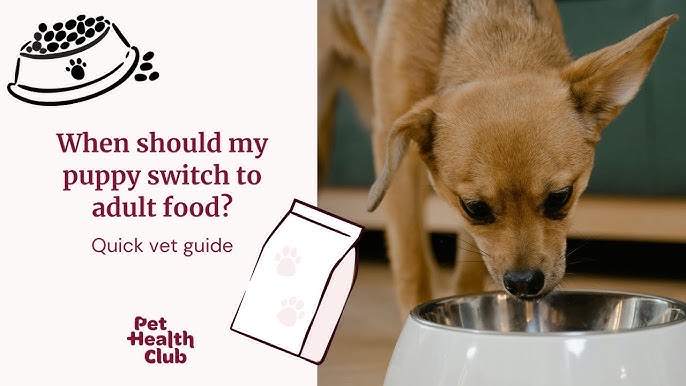
Are you wondering when your puppy should switch to adult dog food? Knowing the right time to make this change is important for your dog’s health and growth.
Feed them too early, and they might miss out on vital nutrients. Wait too long, and they could gain unwanted weight or face digestive issues. You’ll discover clear signs and expert tips to help you make the best choice for your furry friend.
Keep reading to ensure your dog stays happy and healthy every step of the way.
Puppy Nutrition Basics
Puppies need special food to grow strong and healthy. Their diet must support fast growth and energy needs.
Choosing the right food helps puppies develop bones, muscles, and a good immune system.
Nutritional Needs Of Puppies
Puppies require more calories and nutrients than adult dogs. They need food rich in protein and fat.
- High protein for muscle growth
- Fat for energy and brain development
- Calcium and phosphorus for strong bones
- Vitamins and minerals for overall health
- Easy-to-digest ingredients
Why Puppy Food Matters
Puppy food is made to meet their unique needs. Adult dog food lacks some nutrients puppies require.
| Food Type | Protein (%) | Fat (%) | Calcium (%) | Purpose |
| Puppy Food | 22-32 | 8-20 | 1.2-1.8 | Supports growth and energy |
| Adult Dog Food | 18-25 | 5-15 | 0.6-1.2 | Maintains health and weight |
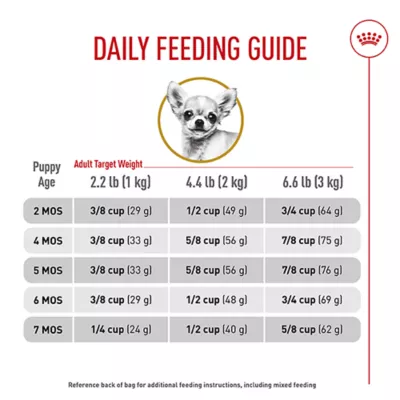
Credit: www.petsmart.com
Signs Your Dog Is Ready
Switching your dog to adult food is an important step. It supports their health as they grow.
Knowing when to start adult food helps your dog get the right nutrients at the right time.
Age Milestones
Most dogs start adult food between 10 and 12 months old. Small breeds may switch earlier.
Large breeds often need more time, sometimes up to 18 months before switching.
- Small dogs: 9 to 12 months
- Medium dogs: 12 months
- Large dogs: 12 to 18 months
Physical Indicators
Physical changes show your dog is ready for adult food. Look for these signs.
They may have full adult teeth and a steady weight. Their coat looks healthy and shiny.
- All adult teeth have grown in
- Weight and size are stable
- Coat is thick and shiny
Behavioral Changes
Your dog’s behavior can tell you if they are ready for adult food. Notice how they act.
They may show less puppy energy and start calming down. Appetite may become more steady.
- Less hyperactivity than before
- Eating habits become consistent
- More focused and calm behavior
Transitioning To Adult Food
Changing your dog’s diet from puppy to adult food is an important step. It helps your dog get the right nutrients for its age and size.
Making the switch carefully keeps your dog healthy and avoids stomach problems. Here are key tips for a smooth change.
Gradual Food Switch
Switch your dog’s food slowly over 7 to 10 days. Mix small amounts of adult food with puppy food. Increase adult food each day while reducing puppy food.
- Start with 25% adult food and 75% puppy food
- Change to 50% adult and 50% puppy food after 3 days
- Move to 75% adult and 25% puppy food after 6 days
- Feed only adult food by day 10
Choosing The Right Adult Food
Select adult food based on your dog’s breed, size, and activity level. Look for food with balanced protein, fats, and essential vitamins.
| Dog Size | Protein % | Fat % | Energy Needs |
| Small | 22-28% | 8-12% | High |
| Medium | 20-26% | 8-12% | Moderate |
| Large | 18-24% | 6-10% | Lower |
Avoiding Common Mistakes
Do not switch food too fast or skip mixing phases. Avoid feeding adult food too early or too late. Watch your dog’s reaction and stool quality during the switch.
- Never change food abruptly
- Do not feed adult food before 9-12 months
- Check for allergies or digestive upset
- Consult your vet if unsure

Credit: petheavenblogs.com
Breed And Size Considerations
Dogs need different foods at different ages. The time to switch to adult food depends on their breed and size.
Choosing the right time helps your dog grow healthy and strong. Not all dogs change diets at the same age.
Small Vs Large Breeds
Small breeds grow faster than large breeds. They often start adult food earlier, around 9 to 12 months old.
Large breeds take longer to mature. They may need puppy food until 12 to 18 months old.
- Small breeds: switch at 9-12 months
- Medium breeds: switch at 12 months
- Large breeds: switch at 12-18 months
Special Dietary Needs
Some dogs need special diets due to health or breed traits. These needs can affect when they switch foods.
Talk to a vet if your dog has allergies, weight issues, or health problems. They can recommend the best time and food type.
- Allergic dogs may need hypoallergenic food
- Overweight dogs may need weight control diets
- Dogs with joint problems may need food with supplements
Health Impacts Of Early Or Late Switching
Switching your dog to adult food at the right time is important. Feeding adult food too early or too late can affect your dog’s health.
Understanding the health impacts helps you make the best choice for your dog’s growth and well-being.
Digestive Health
Puppies have sensitive stomachs that need special nutrients in puppy food. Switching to adult food too early can cause stomach upset and diarrhea.
Late switching may cause the digestive system to slow down. It might not handle adult food well later on.
- Early switching can lead to loose stools and gas
- Puppy food supports easier digestion for growing dogs
- Late switching can cause poor digestion of richer adult food
Growth And Development
Puppy food has more protein, fat, and calories to support fast growth. Changing to adult food too soon may slow growth.
Delaying the switch too long can lead to excess weight gain. Puppy food is higher in calories than adult food.
- Early switch can cause nutrient shortages for bones and muscles
- Puppy food helps build strong bones and healthy muscles
- Late switch may cause extra fat and slower metabolism
Long-term Effects
Feeding the right food at the right time helps your dog stay healthy for life. Early or late switching can cause health problems later.
Proper timing supports a healthy weight, good digestion, and strong immunity. It lowers the risk of diseases as your dog ages.
- Early switching may cause poor bone density and joint issues
- Late switching might increase risk of obesity and heart problems
- Correct timing helps maintain overall health and energy
Expert Tips For Feeding Schedules
Deciding when to switch your dog from puppy food to adult food is crucial. Proper timing and feeding schedules can impact their health significantly.
Experts suggest different schedules based on your dog’s breed, size, and activity level. Let’s explore some key aspects to consider.
Meal Frequency
Dogs need different meal frequencies at various life stages. Puppies eat more often, while adults can have fewer meals.
- Puppies: 3-4 meals daily
- Young Adults: 2-3 meals daily
- Mature Adults: 1-2 meals daily
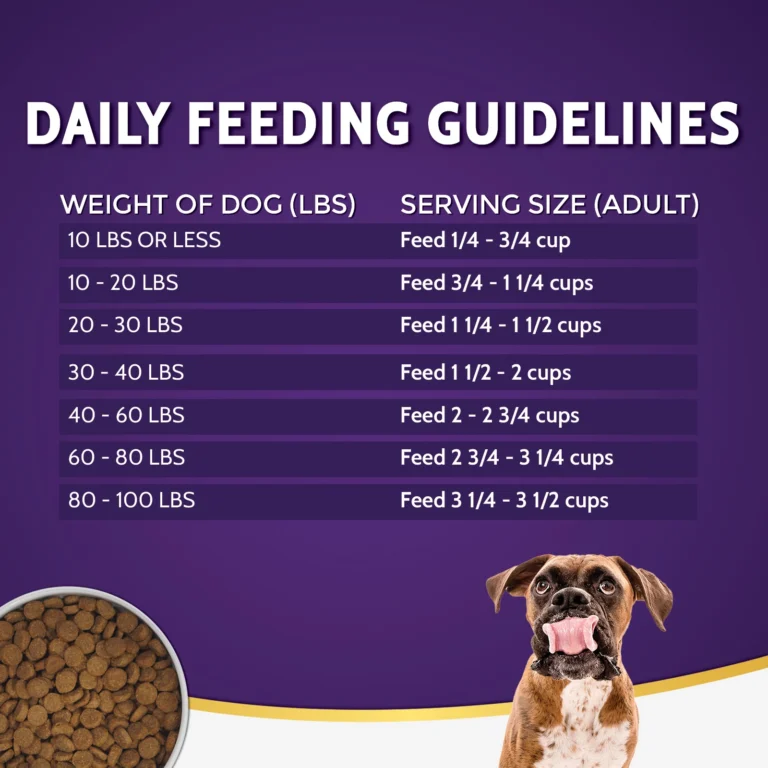
Portion Control
Portion control is essential to maintain your dog’s ideal weight. Overfeeding can lead to obesity and health issues.
Using a measuring cup ensures you feed the right amount each time.
| Weight Range | Recommended Portion |
| 10-20 lbs | 3/4 to 1 cup daily |
| 20-50 lbs | 1 to 2 cups daily |
| 50-100 lbs | 2 to 3 cups daily |
Monitoring Your Dog’s Response
When transitioning your dog to adult food, observe their reaction closely. Watch for changes in weight and energy levels to ensure they are adjusting well.
It’s important to be attentive to your dog’s health during this dietary shift. Monitoring their response helps you make informed decisions about their nutrition.
Tracking Weight And Energy
Regularly check your dog’s weight to see if they are maintaining a healthy balance. Notice any shifts in their energy levels during play and rest times.
| Week | Weight (lbs) | Energy Level |
| 1 | 50 | High |
| 2 | 49 | Moderate |
| 3 | 50 | High |
Adjusting Diet As Needed
If you notice any unwanted changes, adjust your dog’s diet. This could mean altering portion sizes or trying different food brands.
- Consider a gradual change in food types
- Monitor for any allergic reactions
- Consult with a vet if concerns arise
Credit: zignature.com
Frequently Asked Questions
When Should Puppies Switch To Adult Dog Food?
Puppies should switch to adult dog food between 9 to 12 months. Large breeds may transition later, around 12 to 18 months. This timing supports their growth and nutritional needs for adulthood.
Why Is Timing Important For Changing Dog Food?
Proper timing ensures dogs get the right nutrients for growth and health. Switching too early or late may cause digestion issues or nutrient imbalances, affecting your dog’s overall well-being.
How To Transition Dogs To Adult Food Smoothly?
Gradually mix adult food with puppy food over 7-10 days. This helps your dog’s digestive system adjust without stomach upset or loss of appetite during the change.
What Signs Show A Dog Is Ready For Adult Food?
Signs include slowed growth, stable weight, and dental development. If your dog’s breed size and age align with the recommended switch period, they are likely ready for adult food.
Conclusion
Dogs need adult food at the right time for healthy growth. Usually, this change happens around one year old. Watch your dog’s size, breed, and energy to decide the switch. Feeding adult food too early or too late can cause problems.
Always choose good quality food that fits your dog’s needs. Regular vet visits help to check your dog’s health and diet. Remember, each dog is unique. Careful feeding supports a long, happy life for your pet. Keep learning about your dog’s needs as they grow.

Emily Barker is the founder of ChillDogLife.com, a space dedicated to helping pup parents discover the best dog products, lifestyle tips, and cozy ideas for happier homes.
A lifelong dog lover, Emily combines her passion for pets with a knack for research to share trusted recommendations on everything from toys and furniture to health and everyday care.
Her goal is simple: to make life easier, stylish, and more joyful for dogs and the people who love them.




