
You love your dog and want to give them the best care possible. One important question many dog owners face is: When do I switch to adult dog food?
Feeding your furry friend the right food at the right time can make a big difference in their health and happiness. If you’re unsure about the perfect moment to make this change, you’re not alone. Keep reading to discover clear signs and expert tips that will help you make the best choice for your dog’s nutrition and well-being.
Signs Your Puppy Is Ready
Switching your puppy to adult dog food is an important step. It helps meet their changing nutritional needs.
Knowing the right time can keep your dog healthy and strong as they grow.
Age Milestones For Switching
Most puppies switch to adult food between 9 and 12 months old. Small breeds may switch earlier.
- Small breeds: around 9 months
- Medium breeds: about 12 months
- Large breeds: 12 to 18 months
Behavioral Changes
Watch your puppy’s behavior for clues. They may seem less hungry or more active.
- Eating less puppy food
- Showing more energy
- Chewing less on toys
- Begging for different foods
Growth And Weight Indicators
Growth slows as your puppy reaches adult size. Weight gain should also slow down.
| Growth Stage | Weight Pattern | Food Needs |
|---|---|---|
| Rapid growth | Fast weight gain | Puppy food needed |
| Near adult size | Weight gain slows | Start adult food |
| Full adult size | Weight stable | Adult food only |
Choosing The Right Adult Food
Switching your dog to adult food is an important step. Adult dog food supports healthy growth and energy levels.
Choosing the right food helps your dog stay strong and active throughout adulthood.
Nutritional Needs Of Adult Dogs
Adult dogs need balanced nutrients for good health. Proteins, fats, and carbohydrates provide energy and maintain body functions.
Vitamins and minerals support the immune system and keep bones strong. The right amount of fiber helps digestion.
- Protein: Builds and repairs muscles
- Fat: Supplies energy and healthy skin
- Carbohydrates: Fuel for daily activities
- Vitamins and minerals: Support overall health
- Fiber: Aids digestion and prevents constipation
Types Of Adult Dog Food
There are different types of adult dog food. Dry kibble is easy to store and helps clean teeth.
Wet food has more moisture and can be tastier. Some owners choose raw or homemade meals for variety.
- Dry kibble: Convenient and dental-friendly
- Wet food: Moist and flavorful
- Raw diet: Natural and unprocessed
- Homemade meals: Customized ingredients
Reading Dog Food Labels
Dog food labels show what ingredients are included. Look for high-quality protein as the first ingredient.
Check the guaranteed analysis to see nutrient amounts. Avoid foods with too many fillers or artificial additives.
- First ingredient should be a named protein
- Check protein, fat, fiber, and moisture levels
- Avoid foods with artificial colors or flavors
- Look for statements like “complete and balanced”
- Consider your dog’s specific health needs
Transitioning To Adult Food
Switching your dog to adult food is an important step for their health. It helps meet their changing nutritional needs as they grow.
Making the change carefully can avoid digestive problems and keep your dog happy and healthy.
Gradual Switching Process
Change your dog’s food slowly over 7 to 10 days. This helps their system adjust without issues.
- Start by mixing 25% adult food with 75% puppy food.
- After 3 days, mix 50% adult and 50% puppy food.
- Then, use 75% adult food with 25% puppy food for 3 more days.
- Finally, feed 100% adult dog food.
Managing Digestive Changes
Your dog’s digestive system may react as it adapts. Watch for signs like soft stools or mild gas.
| Symptom | What to Do |
| Soft stools | Give smaller meals and keep water available |
| Gas | Keep meals consistent and avoid treats during switch |
| Loss of appetite | Try mixing food warmer or adding a bit of broth |
Monitoring Your Dog’s Reaction
Watch how your dog behaves and feels during the switch. Check their energy, coat, and bathroom habits.
Keep a simple log to track changes:
- Day and food ratio
- Stool type and frequency
- Energy levels and mood
- Any unusual signs
This helps you and your vet spot problems early.
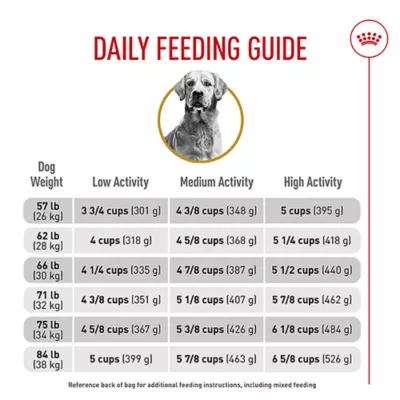
Credit: www.petsmart.com
Special Considerations
Switching your dog to adult food is an important step. It helps meet their changing nutritional needs.
Some dogs need special care when changing their diet. Paying attention to these details keeps them healthy.
Breed And Size Differences
Different breeds grow at different speeds. Large breeds take longer to mature than small breeds.
Small dogs often switch to adult food around 9 to 12 months. Large dogs may need puppy food up to 18 months.
- Small breeds: switch at about 9-12 months
- Medium breeds: switch at about 12 months
- Large breeds: switch at 12-18 months
- Giant breeds: may switch closer to 18-24 months
Health Conditions And Diet
Some dogs have health problems that affect their diet needs. These include allergies, obesity, or digestive issues.
Special diets may be needed for these dogs. Switching foods too fast can cause stomach upset.
- Allergies require hypoallergenic or limited ingredient diets
- Obese dogs need low-calorie, high-fiber food
- Digestive issues may require sensitive stomach formulas
- Always watch for signs of discomfort during food changes
Consulting Your Veterinarian
Your vet knows your dog’s health best. Ask them before changing your dog’s food.
They can suggest the right time and type of adult food. This helps avoid health problems and supports growth.
- Discuss breed and size for feeding timing
- Share any health concerns or allergies
- Follow vet advice on gradual food changes
- Schedule regular check-ups to monitor health
Common Mistakes To Avoid
Switching your dog to adult food is an important step. Doing it wrong can cause health problems.
Learn about common mistakes so you can avoid them and keep your dog healthy.
Switching Too Early Or Late
Changing your puppy’s food too early can cause nutrient gaps. Their bodies still need puppy food.
Waiting too long to switch can lead to obesity or poor digestion. Adult food suits mature dogs better.
- Check your dog’s breed and size for the right time to switch
- Follow your vet’s advice on when to start adult food
- Watch your dog’s growth and health for signs to change food
Ignoring Nutritional Balance
Adult dog food must have the right mix of protein, fat, and vitamins. Poor balance harms your dog.
Don’t just pick any adult food. Look for quality ingredients and nutrients for your dog’s size and age.
- Choose foods with complete and balanced nutrition labels
- Avoid foods with too much filler or artificial ingredients
- Ask your vet about special dietary needs or allergies
Overfeeding Adult Dogs
Adult dogs need fewer calories than puppies. Feeding too much causes weight gain and health risks.
Use feeding guides on packages and adjust based on activity and body condition. Avoid free feeding.
- Measure food portions carefully
- Feed your dog two or three times a day
- Keep treats healthy and limited
- Regularly check your dog’s weight and shape

Credit: jiminys.com
Maintaining A Healthy Adult Diet
Switching to adult dog food is an essential step for your pet's health. Adult dogs need different nutrients than puppies. Their diet should support their energy levels and maintain a healthy weight.
Ensuring a balanced diet helps prevent health issues. You need to adjust feeding habits as your dog grows. This includes portion sizes and the type of food they eat.
Portion Control Tips
Feeding the right portion helps manage your dog’s weight. Overfeeding can lead to obesity. Underfeeding can cause malnutrition.
Check the food package for guidelines. Adjust portions based on your dog’s activity level and size.
- Measure food with a cup
- Feed twice a day
- Avoid free-feeding
Incorporating Treats Wisely
Treats should be a small part of your dog’s diet. They can be used for training and rewards. Too many treats can upset the diet balance.
Choose healthy treats with low calories. Consider using fruits or vegetables as snacks. Always ensure they are safe for dogs.
- Limit treats to 10% of daily calories
- Use treats for training only
- Avoid high-sugar treats
Regular Health Checkups
Regular vet visits help keep track of your dog’s health. Vets can give advice on diet changes. They can also check for any health issues.
Schedule checkups at least once a year. More frequent visits might be needed for older dogs.
- Discuss diet with your vet
- Monitor weight and health
- Update vaccinations

Credit: petheavenblogs.com
Frequently Asked Questions
When Should I Switch My Puppy To Adult Dog Food?
Switch your puppy to adult dog food when they reach about 80% of their expected adult size. This usually happens between 9 and 12 months, depending on the breed. Large breeds may take longer. Consult your vet for the best timing based on your dog’s growth.
What Are Signs My Dog Needs Adult Food?
Signs include slowed growth, decreased energy needs, and completion of teething. Your dog may also show less interest in puppy food. These indicate it’s time to transition to adult dog food to meet changing nutritional needs.
Can I Switch To Adult Dog Food Early?
Switching too early can cause nutritional imbalances and digestive upset. Puppies need extra nutrients for growth, so wait until your dog is physically mature. Always transition gradually over 7-10 days to avoid stomach issues.
How Do I Transition From Puppy To Adult Food?
Mix increasing amounts of adult food with decreasing puppy food over 7-10 days. This gradual shift helps prevent digestive upset. Monitor your dog’s response and adjust if needed. Always provide fresh water during the transition.
Conclusion
Switching to adult dog food is a key step in your pet’s growth. Watch your dog’s age and size to choose the right time. Adult food gives the nutrients your dog needs now. Feeding the right food helps keep your dog healthy and happy.
Talk to your vet if you are unsure about the switch. Each dog grows at its own pace. Trust your pet’s needs and adjust feeding habits gently. This way, your dog will enjoy a balanced diet every day.

Emily Barker is the founder of ChillDogLife.com, a space dedicated to helping pup parents discover the best dog products, lifestyle tips, and cozy ideas for happier homes.
A lifelong dog lover, Emily combines her passion for pets with a knack for research to share trusted recommendations on everything from toys and furniture to health and everyday care.
Her goal is simple: to make life easier, stylish, and more joyful for dogs and the people who love them.




