Wondering when the right time is to switch your furry friend to adult dog food? You want to make sure your dog gets the best nutrition as they grow, but it’s not always easy to know the exact moment to make the change.
Switching too early or too late can affect your dog’s health and energy levels. You’ll discover the clear signs and simple guidelines to help you decide the perfect time to transition your dog’s diet. Keep reading to give your companion the nutrition they truly need!
Puppy Growth Stages
Puppies grow fast and need different food as they age. Knowing when to switch to adult dog food is important.
Each stage of growth has unique needs. This guide explains the stages and when to change their diet.
Neonatal To Weaning Phase
This phase lasts from birth to about 4 weeks old. Puppies rely on their mother’s milk for nutrition.
At around 3 to 4 weeks, puppies start eating soft, wet food as they wean off milk. Their digestive system is still delicate.
- Birth to 2 weeks: Only mother’s milk
- 3 to 4 weeks: Introduce soft puppy food
- Weaning completes by 6 to 8 weeks
Juvenile Development
This stage covers 2 to 6 months of age. Puppies grow quickly and need more calories and protein.
Puppy food during this time supports strong bones and muscles. Their teeth also develop, so they chew solid food better.
- Feed high-quality puppy food
- Provide balanced nutrients for growth
- Monitor weight and health regularly
Adolescent Changes
Between 6 to 12 months, puppies enter adolescence. Growth slows but they still need good nutrition.
Large breeds may grow longer. Small breeds reach adult size sooner. This affects when to switch to adult food.
- Small breeds: switch at 9-12 months
- Large breeds: switch at 12-18 months
- Consult a vet for breed-specific advice
Signs Your Puppy Is Ready
Switching your puppy to adult dog food is an important step. It helps them get the right nutrients for their new stage of life. Knowing when to switch can keep your dog healthy and happy.
Look for signs that show your puppy is growing and changing. These signs fall into three main groups: physical indicators, behavioral changes, and nutritional needs.
Physical Indicators
Your puppy’s body shows clear signs when it is time to change food. Usually, this happens around one year old but can vary by breed and size.
- Adult teeth have replaced baby teeth
- Growth in height and weight slows down
- Coat becomes thicker and shinier
- Body shape looks more mature and muscular
Behavioral Changes
How your puppy acts can also tell you if they are ready. These changes often match the new food needs.
| Behavior | What It Means |
| Less chewing on everything | Teething is done; teeth are strong |
| More calm and focused | Energy levels are stabilizing |
| Eating less but still healthy | Growth rate slows down |
| Shows interest in adult dog food | Ready for new diet |
Nutritional Needs
Puppies and adult dogs need different nutrients. Switching food helps meet their new health needs.
Here are key nutritional changes to watch for:
- Reduced calories to avoid weight gain
- Less fat but enough protein for muscle
- Added vitamins and minerals for adult health
- Smaller kibble size for easier chewing
Breed And Size Considerations
Switching to adult dog food depends on your dog’s breed and size. Different breeds grow at different rates. This affects the right time to change their diet.
Choosing the right moment ensures your dog gets proper nutrients. It helps keep them healthy as they grow into adults.
Small Breeds
Small breed dogs usually mature faster than larger breeds. Most small dogs can switch to adult food around 9 to 12 months old. Their metabolism stays high, so adult food supports their energy needs.
Medium Breeds
Medium breeds grow at a steady pace. They often reach full size between 12 and 15 months. You can start switching to adult food once they stop growing quickly. This change helps maintain muscle and bone health.
Large And Giant Breeds
Large and giant breeds take longer to mature. They may grow until 18 to 24 months old. Switching to adult food too soon can cause joint problems. Use a special growth chart like the one below to decide the right time.
| Breed Size | Typical Maturity Age | Recommended Switch Age |
| Small | 9–12 months | 9–12 months |
| Medium | 12–15 months | 12–15 months |
| Large | 18–24 months | 18–24 months |
| Giant | 18–24 months | 24 months or older |

Credit: petheavenblogs.com
Health Factors To Monitor
Switching your dog to adult food is an important step. You should watch your dog’s health closely. Some signs show if the timing is right.
Checking key health factors helps you decide when to change your dog’s diet. This keeps your dog healthy and happy.
Weight Management
Your dog’s weight tells a lot about their health. Puppies need food that supports growth. Adult dogs need food to keep a healthy weight.
Watch if your dog gains too much weight or loses weight. This can mean their food needs to change.
- Check weight regularly with a scale or vet visit
- Look for changes in body shape or fat levels
- Adjust food portions if your dog is too thin or overweight
Digestive Health
Digestive health is key when switching foods. Puppies often have sensitive stomachs. Adult food can be richer and harder to digest.
Watch for signs like diarrhea, vomiting, or gas. These may mean your dog is not ready for adult food yet.
- Monitor stool consistency and frequency
- Notice any vomiting or upset stomach
- Consult your vet if digestion problems continue
Allergy Considerations
Some dogs have food allergies or sensitivities. New adult food may cause allergic reactions. Watch for itching, redness, or swelling.
Allergies can affect when and what adult food to use. Keep an eye on your dog’s skin and coat health.
- Check for skin redness or rashes
- Notice if your dog scratches or bites often
- Talk to your vet if allergies appear after food change
Choosing The Right Adult Food
Switching your dog to adult food is an important step. Adult dog food meets their changing needs as they grow.
Choosing the right food helps keep your dog healthy and active throughout adulthood.
Nutrient Requirements
Adult dogs need a balanced diet with the right nutrients. Proteins, fats, and carbohydrates must be in proper amounts.
- Protein supports muscle maintenance and repair.
- Fats provide energy and help absorb vitamins.
- Carbohydrates supply fuel for daily activities.
- Vitamins and minerals keep the immune system strong.
Ingredient Quality
High-quality ingredients make food more digestible and nutritious. Look for natural sources of meat and vegetables.
| Ingredient Type | Why It Matters |
| Real Meat | Good protein source for strong muscles |
| Whole Grains | Provide fiber for healthy digestion |
| Vegetables | Supply vitamins and antioxidants |
| No Fillers | Avoids unnecessary calories and allergies |
Special Diets
Some dogs need special diets for health reasons. Talk to your vet before choosing these foods.
Common special diets include:
- Grain-free for sensitive stomachs
- Low-fat for weight management
- Hypoallergenic for food allergies
- Senior formulas with joint support

Credit: jiminys.com
Transitioning Tips
Switching your dog to adult food is important. It helps with their growth and health.
Knowing when to make the switch can be tricky. Follow these tips for a smooth transition.
Gradual Introduction
Introduce adult food slowly. This helps your dog adjust better.
Mix the new food with their current food over a week. Gradually increase the amount of adult food.
- Day 1-2: 25% adult food, 75% puppy food
- Day 3-4: 50% adult food, 50% puppy food
- Day 5-6: 75% adult food, 25% puppy food
- Day 7: 100% adult food
Monitoring Reactions
Watch your dog’s reaction to the new food. Look for any signs of discomfort.
Common signs are upset stomach or changes in stool. If you notice problems, slow the transition.
Adjusting Portions
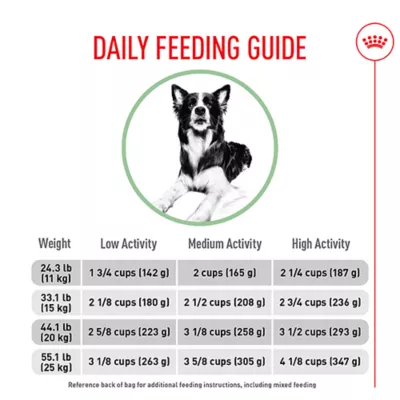
Adult dogs need different portions than puppies. Adjust the amount of food based on your dog’s weight and activity level.
Use the feeding guide on the food package. Monitor your dog’s weight and adjust portions if needed.
- Active dogs may need more food
- Less active dogs may need less food
- Check with a vet for personalized advice
Veterinary Guidance
Knowing when to switch your dog to adult food is vital. Veterinary guidance ensures your pet’s health and growth are optimal.
This switch depends on breed, size, and health. Always consult your vet for tailored advice.
Regular Checkups
Routine veterinary checkups are essential. They provide insights into your dog’s nutritional needs.
- Monitor weight and growth patterns
- Assess overall health and activity levels
- Evaluate dental health and coat condition
Tailored Recommendations
Every dog is unique, so food recommendations vary. Your vet can offer personalized advice based on specific needs.
| Breed | Transition Age (Months) |
| Small Breed | 9-12 |
| Medium Breed | 12-15 |
| Large Breed | 15-18 |
When To Seek Help
Sometimes, signs may indicate the need for a quicker dietary switch. Consult your vet if you notice any issues.
- Unexplained weight gain or loss
- Changes in stool or digestion
- Unusual lethargy or hyperactivity
Credit: www.petsmart.ca
Frequently Asked Questions
When Is The Right Age To Switch To Adult Dog Food?
Most dogs transition to adult food between 12 and 18 months. Small breeds mature faster, while large breeds may take up to 24 months. Consult your vet for the best timing based on your dog’s breed and growth.
How To Know If My Dog Needs Adult Food Now?
Signs include slowed growth, reduced calorie needs, and stable weight. Puppies become less active and require balanced nutrition to maintain health. Observe your dog’s energy and consult your vet for personalized advice.
Can Switching Too Early Harm My Puppy?
Yes, early switching can cause nutrient deficiencies and digestive issues. Puppies need higher protein and fat for growth. Delay adult food until your vet confirms your puppy is ready for the change.
What Differences Exist Between Puppy And Adult Dog Food?
Puppy food has more calories, protein, and fat to support growth. Adult food focuses on maintenance and balanced nutrition. Switching ensures your dog’s diet meets their changing energy and health needs.
Conclusion
Switching to adult dog food depends on your dog's age and size. Most dogs change at about one year old. Large breeds may need extra time before switching. Watch your dog’s growth and energy levels closely. Consult your vet to ensure a smooth change.
Gradually introduce new food to avoid stomach upset. Healthy food helps your dog stay strong and active. Keep an eye on how your dog reacts to the new diet. A careful switch supports your dog’s long-term health.

Emily Barker is the founder of ChillDogLife.com, a space dedicated to helping pup parents discover the best dog products, lifestyle tips, and cozy ideas for happier homes.
A lifelong dog lover, Emily combines her passion for pets with a knack for research to share trusted recommendations on everything from toys and furniture to health and everyday care.
Her goal is simple: to make life easier, stylish, and more joyful for dogs and the people who love them.




