Are you wondering when your puppy should start eating adult dog food? Making this switch at the right time is important for your dog’s health and growth.
Feed them too early, and they might miss out on vital nutrients. Wait too long, and they could gain extra weight or face digestive issues. You’ll discover the signs to watch for and the best time to make the change smoothly.
Keep reading to ensure your furry friend gets the nutrition they need at every stage of life.
Puppy Growth Stages
Dogs grow fast during their first year. Feeding them the right food helps their health. Knowing when to switch to adult food is important.
This guide explains puppy growth stages and when to change their diet.
Newborn To Weaning
Newborn puppies drink their mother’s milk only. This milk has all needed nutrients. It helps puppies grow strong and fight illness.
During this stage, puppies cannot eat solid food. They depend fully on their mother for food and warmth.
Transition To Solid Food
Puppies start eating solid food around 3 to 4 weeks old. This process is called weaning. It helps puppies get used to new textures.
Start with soft puppy food mixed with water or puppy milk replacer. Gradually reduce liquid as puppies eat more solid food.
- Introduce soft food slowly
- Feed small amounts several times a day
- Watch puppies for any digestion issues
Rapid Growth Phase
Puppies grow quickly from 8 weeks to 6 months. Their energy needs are high during this phase. Puppy food has more calories and nutrients than adult food.
Most dogs can switch to adult food after six months. Large breeds may need puppy food longer, up to 12 months.
- Small breeds: switch at 6 months
- Medium breeds: switch around 6-9 months
- Large breeds: switch at 12 months
Signs Your Dog Is Ready
Knowing when to switch your dog to adult food is important for their health. Dogs grow at different rates, so watch for clear signs.
These signs show your dog is ready to move from puppy food to adult food. Look closely at size, behavior, and teeth development.
Size And Weight Milestones
Your dog’s size and weight help decide when to change their diet. Most small breeds switch at 9 to 12 months.
Large and giant breeds take longer, often 12 to 24 months. Watch if your dog reached near their adult size.
- Small breeds: usually ready at 9-12 months
- Medium breeds: ready around 12 months
- Large breeds: may take 12-18 months
- Giant breeds: could take 18-24 months
Behavioral Changes
Changes in behavior can show your dog is ready for adult food. Puppies become calmer as they grow.
If your dog seems less hyper and more focused, it may be time to switch. They also eat less than before.
- Less hyperactivity and playfulness
- More calm and relaxed behavior
- Reduced hunger compared to puppy stage
Dental Development
Your dog’s teeth show big signs of growth. Puppy teeth fall out and adult teeth come in between 4 to 7 months.
Once all adult teeth grow in and look strong, your dog can handle adult food. This helps with chewing harder kibble.
- Puppy teeth start falling out around 4 months
- Adult teeth usually fully grow by 7 months
- Strong adult teeth help chew solid food
Breed And Size Factors
Choosing the right time to switch your dog to adult food depends on their breed and size. Different dogs grow at different rates.
Understanding these factors helps you give the best nutrition at the right time for your dog’s health.
Small Breeds Timeline
Small breed dogs mature faster than larger breeds. They usually switch to adult food earlier.
- Small breeds weigh under 20 pounds as adults.
- They often reach full size by 9 to 12 months.
- Switch to adult food around 9 to 12 months old.
Medium Breeds Timeline
Medium breed dogs grow at a moderate pace. Their adult food switch happens a bit later.
- Medium breeds weigh between 20 and 50 pounds as adults.
- They usually reach full size by 12 to 15 months.
- Start adult food around 12 to 15 months old.
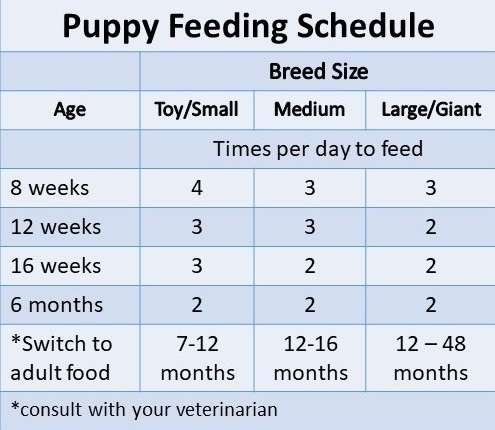
Large And Giant Breeds Timeline
Large and giant breeds take the longest to grow. Their food switch needs more care.
| Breed Size | Adult Weight | Switch to Adult Food | Growth Period |
| Large | 50-100 pounds | 12 to 18 months | Longer than small breeds |
| Giant | Over 100 pounds | 18 to 24 months | Longest growth period |
Credit: www.vetsupply.com.au
Choosing The Right Adult Food
Switching your dog to adult food is an important step. It helps meet their changing needs as they grow. Choosing the right adult food keeps your dog healthy and happy.
This guide covers key points to consider. Learn about nutritional needs, ingredient quality, and special dietary requirements for adult dogs.
Nutritional Needs
Adult dogs need balanced nutrition to stay active. Their food should have the right amount of protein, fat, and carbohydrates. Vitamins and minerals are also important for health.
- Protein supports muscle maintenance and energy.
- Fat provides energy and supports skin health.
- Carbohydrates supply fiber and energy.
- Vitamins and minerals boost immune function.
Ingredient Quality
High-quality ingredients make a big difference. Look for foods with real meat or fish as the first ingredient. Avoid foods with too many fillers or artificial additives.
| Ingredient | Why It Matters |
|---|---|
| Real meat or fish | Provides essential amino acids for health |
| Whole grains | Good source of fiber and energy |
| Vegetables | Supply vitamins and antioxidants |
| Artificial additives | Can cause allergies or digestive issues |
Special Dietary Requirements
Some dogs need special diets for health reasons. Your dog may require food for allergies, weight control, or sensitive stomachs. Talk to your vet about these needs.
- Hypoallergenic formulas for food sensitivities
- Low-fat diets for overweight dogs
- Diets with added fiber for digestion support
- Grain-free options for certain allergies
How To Transition Safely
Switching your dog to adult food is important for their health. It helps meet their changing nutritional needs as they grow.
Changing food too quickly can cause stomach problems. Follow safe steps to make the switch smooth and healthy.
Gradual Food Mixing
Start by mixing a small amount of adult food with your dog’s current food. Slowly increase the adult food over several days.
This gradual change helps your dog’s stomach adjust to the new food. It also reduces the chance of upset stomach or diarrhea.
- Day 1-2: 25% adult food, 75% puppy food
- Day 3-4: 50% adult food, 50% puppy food
- Day 5-6: 75% adult food, 25% puppy food
- Day 7: 100% adult food
Monitoring Digestive Health
Watch your dog’s digestion during the food change. Check for signs like loose stool or vomiting.
If your dog has digestive problems, slow down the transition. Give their stomach more time to get used to the new food.
- Look for normal stool consistency and color
- Note any vomiting or refusal to eat
- Contact your vet if problems last more than two days
Adjusting Portion Sizes
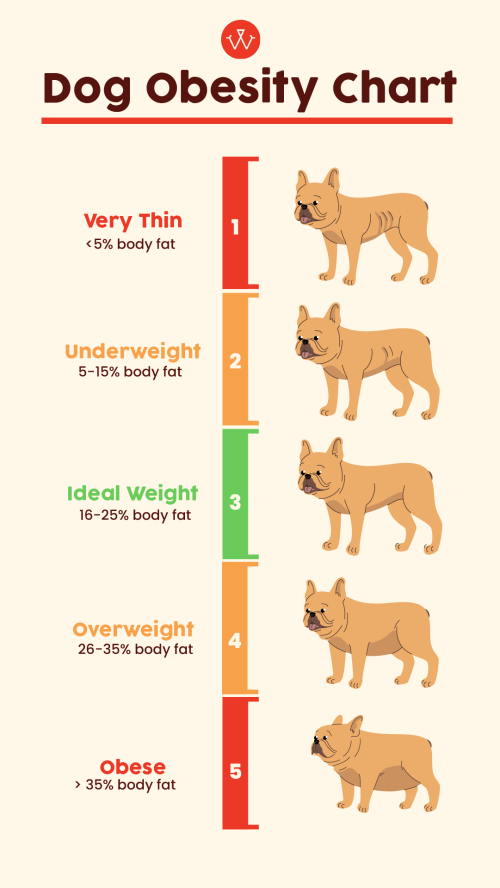
Adult dogs need different food amounts than puppies. Adjust the portion size based on their age, size, and activity level.
Follow feeding guidelines on the dog food package. Watch your dog’s weight and energy to find the right amount.
- Feed smaller portions if your dog gains weight
- Feed larger portions if your dog loses weight or seems hungry
- Divide daily food into two or three meals
Credit: wefeedraw.com
Common Mistakes To Avoid
Switching your dog to adult food is an important step. Doing it wrong can cause health issues. Learn the common mistakes to avoid for a smooth transition.
Knowing when and how to change your dog’s diet helps keep them healthy. Watch out for these errors many pet owners make.
Switching Too Early
Many owners switch to adult food before their dog is ready. Puppies need special nutrients for growth. Adult food may not meet these needs.
- Wait until your puppy reaches the right age for their breed size.
- Consult your vet about the best time to switch.
- Watch your dog’s growth and behavior to decide the right moment.
Abrupt Changes
Changing food suddenly can upset your dog’s stomach. Digestive problems may occur, like diarrhea or vomiting. Gradual changes help avoid these issues.
| Day | Food Mix |
| 1-2 | 75% old food, 25% new food |
| 3-4 | 50% old food, 50% new food |
| 5-6 | 25% old food, 75% new food |
| 7 | 100% new food |
Ignoring Individual Needs
Each dog has unique needs based on breed, size, and health. One diet does not fit all. Ignoring this can cause poor health or allergies.
Consider these points for your dog’s individual needs:
- Breed-specific dietary requirements
- Weight management needs
- Allergy or sensitivity concerns
- Activity level and lifestyle
Veterinarian Recommendations
When to switch your dog to adult food is a common concern for many pet owners. Veterinarians recommend a gradual transition to adult food around 12-18 months of age, but this timeline may vary depending on your dog’s breed, size, and individual needs.
Regular Checkups
Regular checkups with your veterinarian are essential to determine the best time to switch your dog to adult food. During these visits, your veterinarian will assess your dog’s weight, body condition, and overall health.
- Weight check: Your veterinarian will monitor your dog’s weight to ensure they are not under or overweight.
- Body condition: Your veterinarian will assess your dog’s muscle mass and body fat percentage to determine their ideal weight.
- Health checks: Your veterinarian will perform a physical examination to identify any potential health issues that may affect your dog’s diet.
Personalized Feeding Plans
Personalized feeding plans are tailored to your dog’s specific needs, taking into account their breed, size, age, and health status. Your veterinarian will help you create a feeding plan that meets your dog’s nutritional requirements.
A well-balanced diet is crucial for your dog’s overall health and well-being. Your veterinarian will recommend the best food for your dog, considering factors such as protein content, calorie needs, and ingredient quality.
When To Seek Professional Advice
It’s essential to seek professional advice from your veterinarian if you’re unsure about when to switch your dog to adult food. Your veterinarian will provide personalized guidance and help you make informed decisions about your dog’s diet.
- Puppies under 12 months: Consult your veterinarian before switching to adult food.
- Dogs with health issues: Consult your veterinarian to determine the best diet for your dog’s specific needs.
- Dogs with allergies or sensitivities: Consult your veterinarian to identify the best food for your dog’s allergies or sensitivities.

Credit: jiminys.com
Frequently Asked Questions
When Is The Right Age To Switch Dogs To Adult Food?
Dogs typically switch to adult food between 12 to 18 months. Large breeds may need more time, up to 24 months. Consult your vet for breed-specific recommendations to ensure proper growth and health.
How To Know If My Dog Is Ready For Adult Food?
Signs include reaching 80% of their expected adult size and reduced puppy energy. Consult your vet to confirm readiness and prevent nutritional gaps during the transition.
Can Switching To Adult Food Too Early Harm My Dog?
Yes, switching too early may cause nutritional deficiencies and growth issues. Puppy food supports rapid development, so wait until your dog reaches the right age or size before switching.
What Are The Benefits Of Adult Dog Food Over Puppy Food?
Adult dog food contains balanced nutrients for maintenance, not rapid growth. It helps maintain healthy weight, supports metabolism, and prevents excessive calorie intake in mature dogs.
Conclusion
Switching your dog to adult food depends on age and breed size. Small breeds may change around 9 to 12 months. Large breeds might need up to 18 months. Watch your dog’s growth and energy for signs. Talk to your vet for the best advice.
Feeding the right food helps keep your dog healthy. Remember, every dog is different. Take time and care with this change. Your dog will thank you with good health and happiness.

Emily Barker is the founder of ChillDogLife.com, a space dedicated to helping pup parents discover the best dog products, lifestyle tips, and cozy ideas for happier homes.
A lifelong dog lover, Emily combines her passion for pets with a knack for research to share trusted recommendations on everything from toys and furniture to health and everyday care.
Her goal is simple: to make life easier, stylish, and more joyful for dogs and the people who love them.




