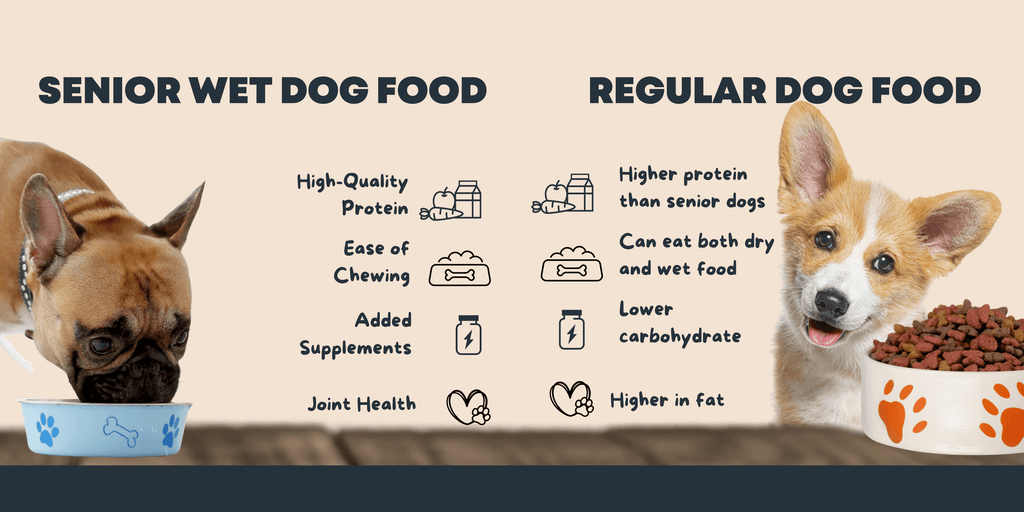
Are you wondering if your furry friend needs a change in their diet as they grow older? Choosing between senior and adult dog food can be confusing.
You want to give your dog the best nutrition, but how do you know what’s right for their age? Understanding the key differences will help you make the best choice for your dog’s health and happiness. Keep reading, and you’ll discover exactly what sets senior dog food apart from adult formulas—and why it matters for your loyal companion.
Credit: www.businessinsider.com
Nutritional Needs
Senior dogs and adult dogs have different nutritional needs. Their diets should match their energy and health requirements.
Choosing the right food helps keep your dog healthy as it ages. Understanding these differences improves your pet’s well-being.
Calories And Energy Levels
Adult dogs usually need more calories than senior dogs. Seniors are less active and burn fewer calories daily.
Senior dog foods often have lower calorie content to prevent weight gain. Adult dog foods support higher energy needs.
Protein Content
Protein helps maintain muscles and body functions. Senior dogs need quality protein for muscle health but in moderate amounts.
- Adult dog food contains enough protein for growth and energy.
- Senior dog food focuses on easily digestible proteins.
- Both types avoid excess protein to reduce kidney strain in seniors.
Fat And Fiber Differences
| Component | Adult Dog Food | Senior Dog Food |
|---|---|---|
| Fat | Higher fat for energy | Lower fat to control weight |
| Fiber | Standard fiber for digestion | Increased fiber to aid digestion |
Senior dog food has more fiber to support digestion. Less fat helps prevent obesity in older dogs.
Ingredients Variation
Senior dog food and adult dog food differ in many ways. One key difference is the ingredients used. These changes help meet the unique needs of older dogs.
Senior dogs need special care in their diet. Their food focuses on keeping them healthy as they age. Let’s look at three important ingredient areas.
Vitamins And Minerals
Senior dog food has adjusted levels of vitamins and minerals. These changes support aging bodies and keep organs working well.
- Higher vitamin E to help skin and coat health
- More vitamin B complex for energy and brain function
- Increased calcium and phosphorus to support bones
- Added antioxidants to protect cells from damage
Joint Support Additives
Older dogs often face joint stiffness and pain. Senior dog food usually includes additives to help joints stay strong and flexible.
| Additive | Purpose |
| Glucosamine | Supports cartilage repair |
| Chondroitin | Reduces joint inflammation |
| Omega-3 Fatty Acids | Lubricates joints and lowers swelling |
| Methylsulfonylmethane (MSM) | Promotes joint comfort |
Antioxidants And Immune Boosters
Senior dog food often has more antioxidants. These ingredients help protect the immune system and fight aging effects.
- Vitamin C and E for cell protection
- Beta-carotene to support eye health
- Prebiotics to promote good gut bacteria
- Natural herbs like turmeric for immune support
Health Considerations
Senior and adult dog foods differ mainly in how they support your dog’s health. Their nutritional needs change as they age. Choosing the right food helps maintain their well-being.
Focusing on key health areas like weight, digestion, and dental care can make feeding easier and more effective for each life stage.
Weight Management
Older dogs tend to gain weight due to less activity. Senior dog food usually has fewer calories. It helps keep their weight in check and avoid obesity.
- Adult dog food has more calories for active dogs.
- Senior dog food contains fiber to support metabolism.
- Balanced fat levels help control weight in senior dogs.
Digestive Health
Senior dogs often have sensitive stomachs. Their food includes gentle fibers and probiotics to support digestion. Adult dog food focuses on normal digestive needs.
| Feature | Adult Dog Food | Senior Dog Food |
| Fiber Content | Moderate | Higher for gut health |
| Probiotics | Sometimes included | Commonly added |
| Digestive Enzymes | Basic | Enhanced for better absorption |
Dental Care Factors
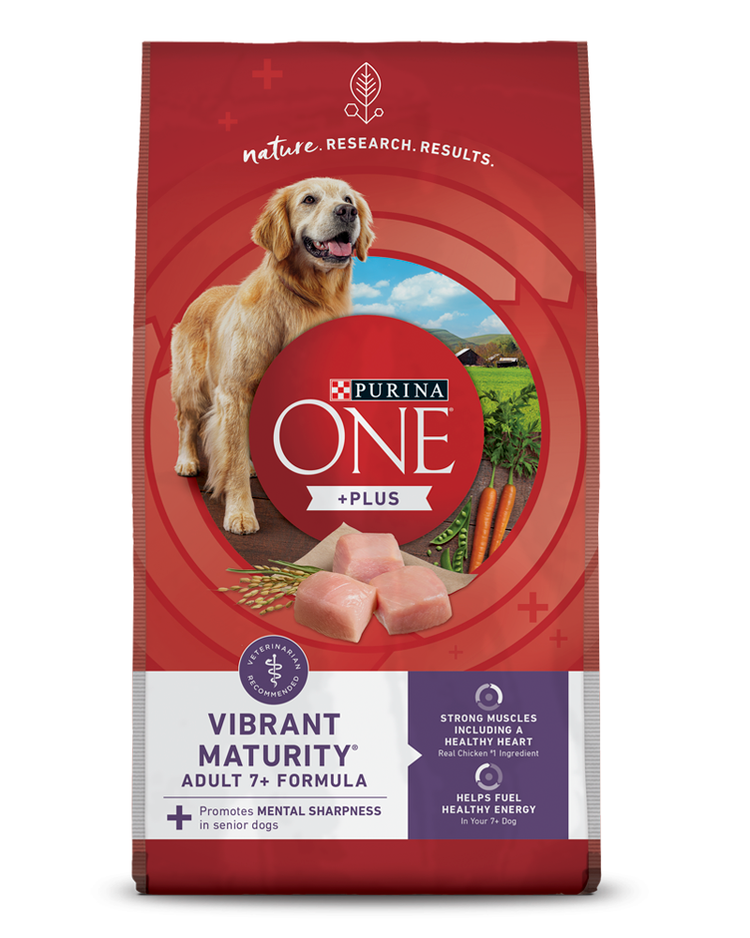
Adult dog food is not always designed for dental care. Senior dog food often includes ingredients that help reduce tartar and plaque build-up.
- Senior dog food may have larger kibble to encourage chewing.
- Added minerals can strengthen teeth and gums.
- Ingredients that freshen breath are common in senior formulas.
Credit: www.purina.com
Feeding Guidelines
Choosing the right food for senior and adult dogs is important. Their nutritional needs differ as they age. Proper feeding supports their health and energy levels.
Understanding portion sizes, feeding frequency, and how to change foods helps your dog stay healthy. These guidelines ensure they get the right nutrients.
Portion Sizes
Senior dogs usually need fewer calories than adult dogs. Their metabolism slows down with age. Overfeeding can lead to weight gain and health problems.
| Dog Type | Calorie Needs | Portion Size |
|---|---|---|
| Adult Dog | Higher | Standard serving based on weight |
| Senior Dog | Lower | Reduced serving to avoid weight gain |
Feeding Frequency
Adult dogs usually eat twice a day. Senior dogs may benefit from smaller, more frequent meals. This helps with digestion and energy levels.
- Feed adult dogs two meals daily.
- Offer senior dogs three to four smaller meals daily.
- Adjust based on your dog’s activity and health.
Transitioning Between Foods
Switching dog food should be done slowly. This prevents stomach upset. Mixing old and new food works best.
- Start with 25% new food and 75% old food.
- Increase new food by 25% every three days.
- Finish with 100% new food after about 12 days.
Choosing The Right Food
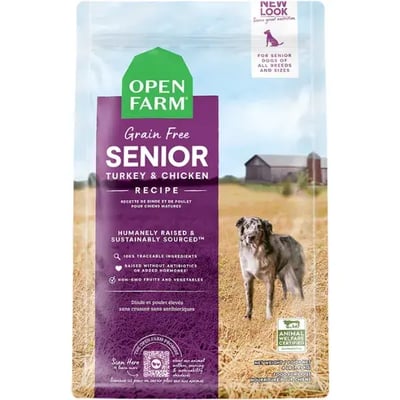
Choosing the right food for your dog is important for their health. Dogs need different nutrients at different life stages. Senior dogs have different needs than adult dogs.
Age and breed affect what kind of food is best. Reading labels and talking to a vet helps you decide. This guide covers key points to consider.
Age And Breed Factors
Senior dogs usually need fewer calories but more fiber. Adult dogs often need more protein and energy. Small breeds may need different nutrition than large breeds.
| Dog Stage | Calories Needed | Protein Level | Fiber Content |
| Adult | Higher | Moderate to High | Moderate |
| Senior | Lower | Moderate | Higher |
| Small Breed | Varies | Higher | Moderate |
| Large Breed | Varies | Moderate | Moderate |
Consulting Your Veterinarian
Your vet knows your dog’s health best. They can suggest the right food based on age, breed, and health issues. Always ask before changing diets.
- Discuss your dog’s current health status
- Ask about special dietary needs
- Request advice on portion sizes
- Check for allergies or sensitivities
- Review supplements if needed
Reading Food Labels
Food labels show ingredients and nutrients. Look for key facts to compare dog foods. Labels help you find the best option for your dog.
| Label Item | What to Look For | Why It Matters |
|---|---|---|
| Ingredients | Meat listed first | Higher protein quality |
| Guaranteed Analysis | Protein, fat, fiber percentages | Shows nutrient balance |
| Life Stage | Adult or senior | Matches your dog’s age |
| AAFCO Statement | Meets nutritional standards | Ensures complete nutrition |
Credit: blog.homesalive.ca
Frequently Asked Questions
What Nutrients Differ In Senior Vs Adult Dog Food?
Senior dog food often has fewer calories and more fiber. It includes joint-supporting ingredients like glucosamine. Adult dog food has balanced nutrients for active dogs without aging concerns.
Why Is Senior Dog Food Lower In Calories?
Older dogs tend to be less active. Lower calories help prevent weight gain and related health issues. Senior formulas support healthy metabolism and maintain ideal weight.
How Does Protein Content Vary In Senior Dog Food?
Senior dog food may have moderate protein to support muscle health. It balances protein levels to ease kidney strain common in older dogs.
Can Adult Dog Food Meet Senior Dogs’ Needs?
Adult dog food may lack joint support and adjusted calories. Senior dogs benefit from specialized nutrients tailored to aging bodies.
Conclusion
Senior dog food supports aging pets with gentle nutrients. Adult dog food meets energy needs of younger dogs. Both types focus on health but differ in key ways. Choosing the right food helps your dog stay strong and happy. Pay attention to ingredients and your pet’s stage of life.
Feeding the proper diet shows you care for their well-being. Small changes in food can make a big difference. Keep your dog’s age and health in mind daily. Good nutrition keeps tails wagging and spirits high.

Emily Barker is the founder of ChillDogLife.com, a space dedicated to helping pup parents discover the best dog products, lifestyle tips, and cozy ideas for happier homes.
A lifelong dog lover, Emily combines her passion for pets with a knack for research to share trusted recommendations on everything from toys and furniture to health and everyday care.
Her goal is simple: to make life easier, stylish, and more joyful for dogs and the people who love them.




