Thinking about opening up a dog park? You’re not alone.
Many dog lovers want a safe, fun space where their furry friends can run free and make new pals. But before you jump in, there are important things you need to know. From location and safety rules to community support and budget, each step matters.
Keep reading, and you’ll discover exactly what’s needed to create a dog park that both dogs and owners will love. Your perfect dog park could be closer than you think.
Credit: easy-peasy.ai
Site Selection
Choosing the right site for a dog park is a crucial step that shapes the overall experience for both dogs and their owners. Your choice influences safety, accessibility, and how much the community will embrace the space. Thoughtful site selection helps avoid costly changes later and ensures the park becomes a well-loved spot.
Choosing The Right Location
Look for a place that fits naturally within your community. Open spaces near residential areas encourage frequent visits and build a sense of neighborhood connection.
Consider how much shade and natural features like trees or gentle slopes the site offers. Dogs and owners appreciate a comfortable environment, especially during hot weather.
Also, think about the park’s visibility. A well-visible location helps with security and attracts more users, making your dog park lively and safe.
Assessing Accessibility
Accessibility goes beyond just finding a site close to homes. Check if there’s ample parking and easy access for people with different mobility levels.
Public transport links can be a big plus. If people can reach the dog park without a car, it broadens who can enjoy the space.
Paths leading to and inside the park should be smooth and wide enough for strollers and wheelchairs. Have you visited a park where you struggled just to get in? Avoid that frustration for your community.
Considering Safety Factors
Safety must be a top priority when picking your site. Look for areas free from hazards like busy roads or sharp drop-offs that could endanger dogs or their owners.
Drainage is another key factor. Poor drainage can create muddy, slippery conditions that discourage use and cause injuries.
Also, think about how you’ll separate different dog sizes and temperaments. Does the site allow for fencing that creates safe zones? This detail can prevent conflicts and makes the park welcoming for all dogs.
Legal Requirements
Opening a dog park requires meeting several legal requirements. These rules keep the park safe and lawful. Understanding these rules helps avoid fines or closures. It also protects both dogs and owners.
Zoning And Permits
Check local zoning laws before starting the park. Zoning rules tell where a dog park can be built. Some areas may not allow parks near homes or schools. Apply for necessary permits from city or county offices. Permits ensure the land use follows local plans. Keep copies of all documents for future reference.
Insurance Needs
Insurance protects against accidents or injuries in the park. Liability insurance is a must-have for dog parks. It covers damages caused by dogs or visitors. Also, consider property insurance for park structures. Speak with an insurance agent about the right coverage. Proper insurance reduces financial risks for park owners.
Local Regulations
Follow all local rules about dog parks. These may include park hours, size limits, and fencing standards. Some places require waste disposal stations and signage. Noise and safety rules also apply. Stay updated on changes in laws to keep compliance. Consult local government websites or offices for details.
Design And Layout
Design and layout form the foundation of a successful dog park. Thoughtful planning makes the space safe and fun for dogs and their owners. Clear zones and proper features help control dog behavior and improve the park’s flow. Every detail matters, from barriers to benches.
Fencing And Boundaries
Strong fencing keeps dogs safe inside the park. It must be tall enough to prevent jumping out. Gates should have double-entry systems to stop dogs from escaping. Boundaries must be clear and secure to avoid confusion and accidents.
Separate Areas For Different Dogs
Dogs have different sizes and energy levels. Separate zones for small and large dogs reduce risks of injury. Quiet areas help shy or older dogs relax. Dividing spaces allows dogs to play comfortably and safely.
Amenities And Facilities
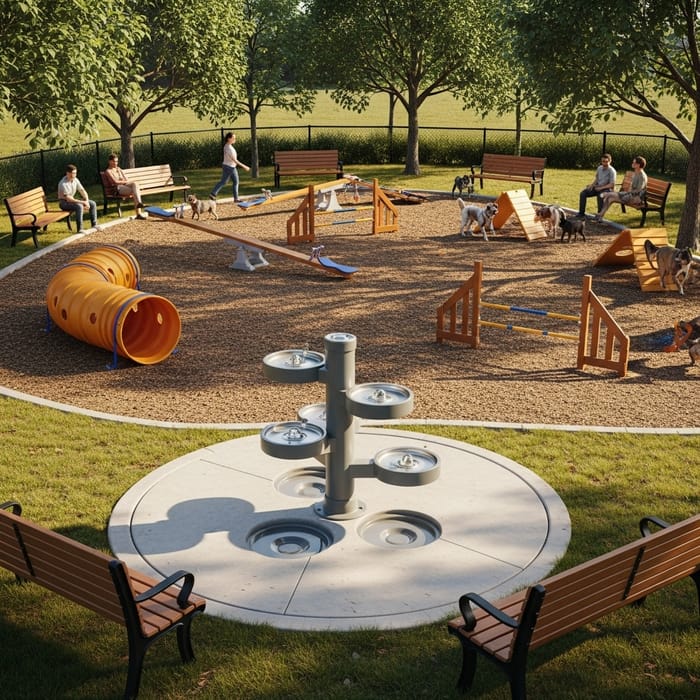
Good amenities improve the park experience for dogs and owners. Water stations keep dogs hydrated. Waste disposal bins encourage cleanliness. Seating areas allow owners to rest and watch their pets. Shade structures provide relief from sun and rain.
Credit: www.thetelegraph.com
Funding And Budget
Securing funding and managing your budget are crucial steps when opening a dog park. Without a clear financial plan, projects can stall or run out of money unexpectedly. Understanding the costs involved and where to find funds will give you control over your project from start to finish.
Estimating Costs
Start by listing every item and service your dog park will need. This includes fencing, signage, benches, waste disposal stations, and landscaping. Don’t forget ongoing expenses like maintenance, water, and insurance.
Consider reaching out to local parks or dog park groups to get real-world cost examples. You might be surprised how much small features, like double-gated entry systems, add to the budget. Are you accounting for permits or unexpected repairs?
Sourcing Funds
Finding the right funding sources can be a challenge, but there are multiple options to explore. Local government grants often support community projects like dog parks. You can also look into sponsorships from pet stores or vet clinics.
Community fundraising events and online crowdfunding campaigns have helped many dog parks get off the ground. Have you thought about partnering with local businesses for donations or in-kind support? These partnerships can reduce costs and strengthen community ties.
Budget Management
Once you secure funding, keeping track of every dollar is vital. Use simple tools like spreadsheets or budgeting apps to monitor expenses regularly. This helps you spot overspending before it becomes a problem.
Set aside a contingency fund for unexpected costs. Remember, a well-managed budget keeps your project moving forward smoothly. How will you ensure transparency and accountability with your funds?
Community Engagement
Community engagement is the heart of opening a successful dog park. Without local support and active involvement, even the best plans can stall. Your ability to connect with neighbors and dog owners will shape how well the park serves everyone’s needs.
Gathering Support
Start by talking to people in your neighborhood. Visit local events, post in community groups, and share your vision for the dog park. Ask questions like, “What features would make this park great for you and your dog?”
Building a coalition of supporters can help when seeking approval from local authorities. Show them that the community is eager and ready to maintain the space.
Volunteer Involvement
Volunteers can make a huge difference. They can help with everything from cleaning up the area to organizing events once the park opens.
Think about who might want to pitch in—dog trainers, local businesses, or families who want a safe place for their pets. Setting up a volunteer sign-up sheet early on keeps enthusiasm alive and creates a sense of ownership.
Feedback And Suggestions
Once you have initial interest, gather detailed feedback. Use surveys, community meetings, or social media polls to understand specific desires and concerns.
Don’t ignore critical voices; they often highlight potential problems before they arise. Adjust your plans based on this input to build trust and create a park that truly fits your community’s needs.
Credit: www.bringfido.com
Maintenance Planning
Maintenance planning is essential for a successful dog park. It keeps the space clean, safe, and enjoyable for dogs and owners. Regular tasks prevent damage and promote a healthy environment. A well-maintained park attracts more visitors and builds community trust.
Regular Cleaning
Cleaning must happen daily or several times a week. Pick up dog waste promptly to avoid odors and health risks. Empty trash bins often to prevent overflow. Rinse water stations and seating areas to keep them fresh. Clean pathways and open spaces to reduce dirt and mud.
Equipment Upkeep
Check all park equipment regularly for damage or wear. Fix broken fences, gates, or benches quickly. Replace worn-out toys and agility tools to keep dogs entertained safely. Paint or treat wooden structures to prevent rotting. Maintain water fountains and lighting for reliable use.
Ongoing Safety Checks
Inspect the park for hazards like sharp objects or holes. Ensure gates close securely to prevent dogs from escaping. Monitor plants and trees for toxic varieties or fallen branches. Watch for signs of pest infestations and address them. Keep emergency contact info visible and up to date.
Opening Day Preparation
Preparing for the opening day of your dog park is crucial to make a strong first impression and ensure everything runs smoothly. This day sets the tone for how the community will view your park, so careful planning is essential. You want visitors to feel welcomed, informed, and excited about the space you’ve created.
Promoting The Launch
Spread the word early and often. Use social media platforms like Facebook and Instagram to create buzz with engaging posts and eye-catching images of the park.
Consider reaching out to local pet stores, veterinarians, and dog trainers to help share the news. Flyers in community centers or popular dog-walking routes can also attract local dog owners who might not be online.
Ask yourself: How can you make your launch stand out in a busy community calendar? A well-timed announcement can fill the park on day one and build a loyal group of visitors.
Organizing Events
Plan activities that encourage dog owners to interact and enjoy the new space. Simple events like a “meet and greet” or agility demonstrations can draw crowds and create a friendly atmosphere.
Offer small giveaways such as dog treats or branded water bowls to make visitors feel appreciated. These tokens act as reminders and encourage repeat visits.
Think about including a short introduction or tour to explain the park’s features and layout. This helps first-timers feel comfortable and more likely to return.
Setting Rules And Guidelines
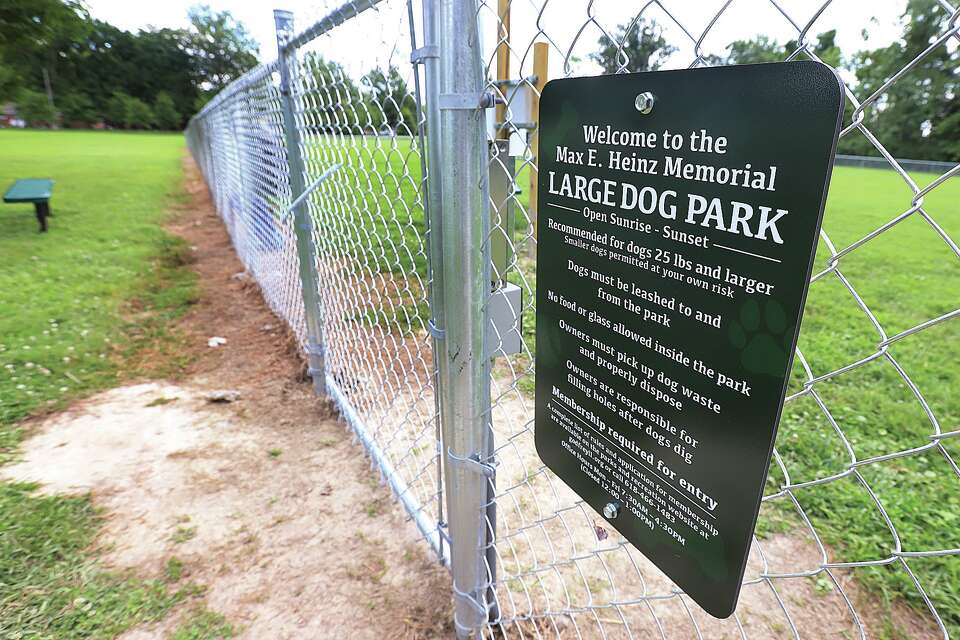
Clear rules keep everyone safe and happy. Display signs at entrances with easy-to-understand guidelines about leash requirements, waste cleanup, and dog behavior expectations.
Keep the language simple and positive to encourage compliance without sounding harsh. For example, instead of “No aggressive dogs allowed,” try “Please ensure your dog is friendly and well-behaved.”
Make sure you have a plan for enforcement and communicate it politely but firmly. Would you follow the rules better if they were clearly explained and backed by staff presence?
Frequently Asked Questions
What Permits Are Required To Open A Dog Park?
To open a dog park, you typically need local zoning permits. Check with your city’s planning department for specific requirements. Additionally, you may need public liability insurance and health department approvals. It’s crucial to ensure compliance with local ordinances and regulations to avoid legal issues.
How Much Space Is Needed For A Dog Park?
A dog park usually requires at least half an acre of land. This allows enough space for dogs to run freely. Larger parks can offer separate areas for large and small dogs. Adequate space ensures safety and enjoyment for both dogs and their owners.
What Amenities Should A Dog Park Have?
Essential amenities include water stations, waste disposal stations, and benches. Fencing is important for safety and security. Additional features like agility equipment and shaded areas enhance the park’s appeal. Amenities ensure a comfortable and enjoyable experience for both dogs and their owners.
How Do You Fund A Dog Park?
Funding can come from grants, sponsorships, and community donations. Local businesses may offer sponsorship in exchange for advertising. Crowdfunding platforms and community fundraising events are effective. Establishing a non-profit organization can also help in securing funds for ongoing maintenance.
Conclusion
Opening a dog park takes careful planning and effort. You need the right space, safety rules, and community support. Clear signs and clean water help dogs and owners enjoy the park. Good fences keep dogs safe inside. Don’t forget to check local laws and get permits.
A well-run dog park brings joy to pets and people. It also builds a friendly neighborhood space. Start small, stay organized, and listen to park users. Soon, your dog park can become a happy spot for all.

Emily Barker is the founder of ChillDogLife.com, a space dedicated to helping pup parents discover the best dog products, lifestyle tips, and cozy ideas for happier homes.
A lifelong dog lover, Emily combines her passion for pets with a knack for research to share trusted recommendations on everything from toys and furniture to health and everyday care.
Her goal is simple: to make life easier, stylish, and more joyful for dogs and the people who love them.




