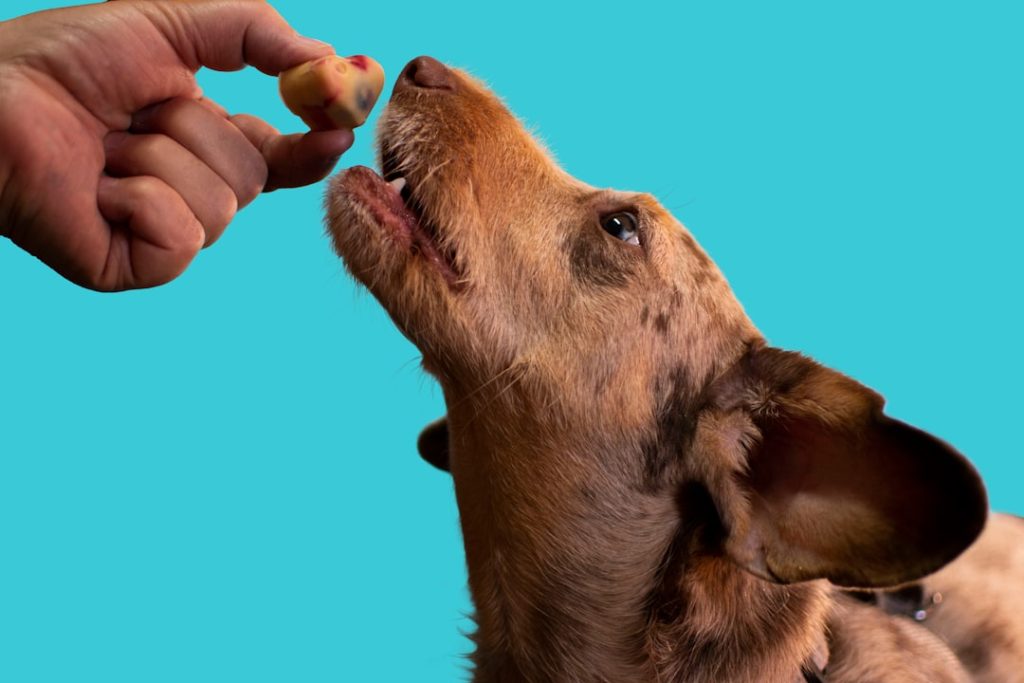
If your dog is struggling with a yeast infection, you’re probably wondering what to feed them to help clear it up fast. What you put in their bowl can make a big difference in fighting the infection and keeping your furry friend comfortable.
In this post, you’ll discover simple, effective food choices that support your dog’s healing process and boost their overall health. Keep reading to learn exactly what to feed your dog to beat that yeast infection once and for all.
Causes Of Yeast Infections In Dogs
Yeast infections in dogs happen when yeast grows too much on their skin or inside their ears. This overgrowth causes itching, redness, and discomfort. Understanding the causes helps you manage the infection better and support your dog’s health.
Several factors can trigger yeast infections. These factors create an environment where yeast thrives and multiplies.
Weakened Immune System
A weak immune system cannot control yeast growth. Dogs with illnesses or on certain medications often have weaker defenses.
Allergies
Food allergies or environmental allergies can irritate the skin. This irritation allows yeast to grow and cause infection.
Moisture And Warmth
Yeast loves warm, damp places. Dogs that swim a lot or have skin folds often develop yeast infections.
Poor Diet
Diets high in sugar or carbohydrates feed yeast. Low-quality food may contribute to yeast overgrowth.
Antibiotic Use
Antibiotics kill harmful and helpful bacteria. Without good bacteria, yeast can grow unchecked.
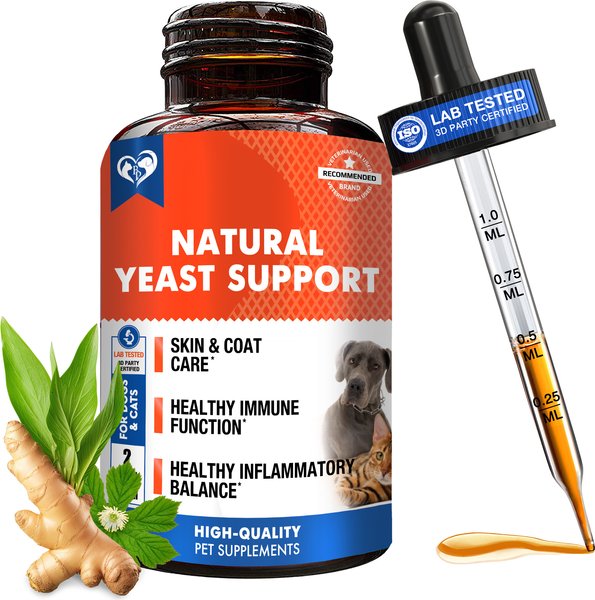
Credit: www.chewy.com
Symptoms To Watch For
Spotting the signs of a yeast infection in your dog early can make a huge difference in how quickly they get relief. Yeast infections often start subtly, so knowing exactly what to look for helps you act fast. Watch your dog’s behavior and appearance closely to catch these symptoms before they worsen.
Itchy Skin And Excessive Scratching
One of the most common signs is your dog scratching more than usual. They might also lick or chew specific areas repeatedly.
If you notice your dog rubbing against furniture or pawing at certain spots, it could be a red flag. Persistent itching is often a clear sign of a yeast overgrowth.
Redness And Inflammation
Check your dog’s skin for redness, especially around the ears, paws, or belly. Inflamed patches that seem warm to the touch can indicate irritation from yeast.
Sometimes the skin may look shiny or greasy. This happens because yeast infections can cause the skin’s natural oils to become unbalanced.
Unpleasant Odor
Yeast infections often bring a distinct smell, sometimes described as musty or like corn chips. If your dog suddenly has a strong odor, it’s worth investigating.
Smell the ears, paws, and skin folds—these areas are common yeast infection spots. A persistent bad smell often points to a yeast problem.
Hair Loss And Scaly Skin
Notice if your dog has bald patches or thinning fur, especially in areas they scratch a lot. Yeast infections can cause hair to fall out.
The affected skin might also appear flaky or scaly. This texture change often means the infection has been there for a while.
Changes In Behavior Or Energy
Sometimes, your dog might seem more tired or less playful. Discomfort from the infection can make them restless or irritable.
Pay attention if your dog avoids being touched in certain areas or seems generally unhappy. These subtle behavior shifts can signal underlying problems.
Foods That Help Combat Yeast
Feeding your dog the right foods can help fight yeast infections effectively. Certain ingredients support a healthy balance of good bacteria. They reduce yeast growth and improve your dog’s skin and coat. Choosing natural, wholesome foods strengthens your dog’s immune system. This helps keep yeast infections from coming back.
Probiotic-rich Options
Probiotics boost good bacteria in the gut. They stop harmful yeast from growing too much. Yogurt with live cultures is a good choice. Kefir also supports digestion and immunity. Make sure these dairy products have no added sugar. Probiotic supplements designed for dogs work well too.
Low-sugar Vegetables
Yeast thrives on sugar, so low-sugar veggies are best. Green beans, spinach, and broccoli are great picks. These vegetables provide vitamins and fiber without feeding yeast. Carrots and zucchini also help maintain a balanced diet. Serve them cooked or raw, depending on your dog’s preference.
Lean Protein Choices
Protein builds strong muscles and supports immune health. Lean meats like chicken, turkey, and fish are ideal. Avoid processed meats or fatty cuts that can cause inflammation. Eggs are another excellent source of protein. They are easy to digest and safe for most dogs.
Healthy Fats
Healthy fats reduce inflammation and nourish skin. Omega-3 fatty acids are especially helpful. Fish oil supplements or fatty fish like salmon work well. Flaxseed oil is a plant-based option rich in omega-3s. Use these fats in moderation to keep your dog healthy.
Foods To Avoid During Infection
When your dog is battling a yeast infection, what you feed them can either help or worsen their condition. Certain foods create an environment in your dog’s body where yeast thrives. Avoiding these foods is a crucial step to support your dog’s healing process and comfort.
Sugary Treats
Sugar acts like fuel for yeast growth. Feeding your dog sugary treats, even in small amounts, can make the infection worse. This includes not only candy or sweets but also treats with hidden sugars like some commercial dog biscuits.
Check ingredient labels carefully. If you want to reward your dog, try fresh vegetables like carrots or green beans instead. Have you noticed your dog’s infection flare up after certain treats?
Grains And Carbohydrates
Grains such as wheat, corn, and rice break down into sugars inside your dog’s body. These sugars feed yeast and can prolong infection symptoms. Many dogs with yeast infections benefit from grain-free diets or reduced carbohydrate intake.
Switching to foods with limited or no grains can be challenging but often pays off. Look for dog foods labeled “grain-free” or with ingredients like sweet potatoes or peas as carb sources. What has been your experience with grain-free options for your pet?
Dairy Products
Dairy can be problematic for dogs with yeast infections because it contains lactose, a sugar that can feed yeast. Many dogs are also lactose intolerant, which can cause digestive upset and worsen their overall condition. Avoid milk, cheese, yogurt, and other dairy treats during infection periods.
Instead, offer your dog alternatives like plain cooked meats or vegetables. If you feel dairy might help, discuss it with your vet first and consider lactose-free options. Have you tried cutting out dairy to see if your dog’s infection improves?
Homemade Meal Ideas
Feeding your dog the right meals during a yeast infection is crucial to help reduce inflammation and restore balance in their system. Homemade meals allow you to control every ingredient and avoid additives or sugars that can worsen the infection. Below are some simple, wholesome recipes that focus on natural, anti-yeast ingredients to support your dog’s recovery.
Chicken And Pumpkin Delight
This meal combines lean protein and fiber-rich pumpkin, which can soothe your dog’s digestive system.
- Ingredients:1 cup boiled chicken breast (shredded), ½ cup cooked pumpkin, ¼ cup green beans (steamed)
- Mix all ingredients well. Chicken provides essential protein without excess fat.
- Pumpkin helps regulate digestion and reduce yeast growth.
Turkey And Spinach Bowl
Turkey is a great low-fat protein that supports immune health, while spinach adds antioxidants and vitamins.
- Ingredients:1 cup ground turkey (cooked), ½ cup steamed spinach, ¼ cup quinoa (cooked)
- Combine all ingredients and serve once cooled.
- Quinoa is a grain alternative that’s gentle on the stomach and low in carbs.
Salmon And Sweet Potato Mix
Salmon is rich in omega-3 fatty acids, which can reduce inflammation and promote skin health.
- Ingredients:1 cup cooked salmon (deboned), ½ cup mashed sweet potatoes, ¼ cup steamed broccoli
- Mix ingredients thoroughly and offer in small portions.
- Sweet potatoes provide complex carbs and help keep blood sugar stable.
Vegetable And Egg Scramble
This protein-packed dish is easy to digest and free from grains that may feed yeast.
- Ingredients:2 eggs (scrambled), ½ cup zucchini (grated and lightly cooked), ¼ cup carrots (steamed)
- Cook eggs and vegetables together, then cool before serving.
- Eggs provide a clean protein source that helps repair tissues.
Have you noticed how your dog reacts differently to store-bought diets versus fresh meals? Sometimes, making these simple homemade recipes can make a significant difference in your pet’s comfort and healing process. It’s worth trying to see which meals your dog prefers and tolerates best during this sensitive time.

Credit: www.petscare.com
Supplements To Support Healing
Supplements can help your dog recover from a yeast infection faster. They support the immune system and reduce yeast growth. Adding the right supplements to your dog’s diet aids healing and comfort.
Probiotics For Gut Health
Probiotics balance the bacteria in your dog’s digestive system. They stop harmful yeast from growing too much. Choose supplements with multiple strains of good bacteria. These improve digestion and help fight infections naturally.
Omega-3 Fatty Acids
Omega-3 fatty acids reduce inflammation and soothe irritated skin. They come from fish oil or flaxseed oil supplements. Regular use supports skin repair and boosts overall health. Make sure the supplement is safe and made for dogs.
Vitamin C And E
Vitamins C and E act as antioxidants that protect cells. They help reduce swelling and promote healing of damaged skin. These vitamins also strengthen the immune system. Offer them through dog-specific supplements or foods rich in these vitamins.
Antifungal Herbs
Some herbs have natural antifungal properties. Examples include oregano oil and garlic in small, safe amounts. They can slow down yeast growth and improve skin health. Use these supplements carefully and consult your vet first.
Tips For Feeding During Recovery
Feeding your dog during a yeast infection recovery requires careful attention to their diet. What you provide can either support healing or make symptoms worse. Let’s talk about some practical tips that can help you nourish your dog while managing the infection effectively.
Choose Low-carbohydrate, Grain-free Foods
Yeast thrives on sugar and carbohydrates, so reducing these in your dog’s diet can help starve the infection. Opt for grain-free options that focus on proteins like chicken, turkey, or fish. This approach limits the sugars that yeast feeds on and supports your dog’s immune system.
Include Probiotics To Support Gut Health
Adding probiotics to your dog’s meals can restore good bacteria that fight off yeast overgrowth. You can find probiotic supplements made specifically for dogs or feed natural sources like plain yogurt. Have you noticed a change in your dog’s digestion after adding probiotics?
Avoid Dairy And Sugary Treats
Even if your dog loves cheese or sweet snacks, these can worsen yeast infections. Dairy products often contain sugars and lactose that feed yeast, so it’s best to avoid them during recovery. Instead, offer safe treats like baby carrots or green beans to keep your dog happy without the risk.
Hydrate With Fresh Water And Herbal Teas
Proper hydration is key to flushing out toxins and supporting healing. Always provide plenty of fresh water. Herbal teas like chamomile (cooled down) can soothe inflammation, but check with your vet before adding anything new.
Introduce Anti-inflammatory Foods Gradually
Foods rich in omega-3 fatty acids, like fish oil or flaxseed, can reduce inflammation caused by yeast infections. Start by adding small amounts to your dog’s food to avoid stomach upset. Have you tried these before, and did your dog respond well?

Credit: www.amazon.com
Frequently Asked Questions
What Foods Help Reduce Yeast Infection In Dogs?
Feeding your dog a low-carb diet can help reduce yeast infections. Foods like lean meats, fish, and non-starchy vegetables are beneficial. Avoiding grains and sugars can also help, as they feed yeast. Always consult your vet before making significant changes to your dog’s diet.
Are Probiotics Good For Dogs With Yeast Infections?
Yes, probiotics can be beneficial for dogs with yeast infections. They help balance gut bacteria and improve digestion. Probiotics can strengthen your dog’s immune system and reduce yeast overgrowth. Consider adding a high-quality probiotic supplement to your dog’s diet after consulting with your vet.
Can I Feed My Dog Coconut Oil For Yeast?
Coconut oil can be helpful for dogs with yeast infections. It has antifungal properties and can boost skin health. You can add a small amount to your dog’s food or apply it topically. Always consult your vet to determine the right dosage for your dog.
What Should I Avoid Feeding A Dog With Yeast?
Avoid feeding your dog high-carb foods, grains, and sugars. These can feed yeast and worsen infections. Processed foods and treats often contain hidden sugars and should be limited. Opt for a balanced, natural diet to help manage yeast infections effectively.
Conclusion
Feeding your dog the right food helps fight yeast infections fast. Choose low-sugar, grain-free options to reduce yeast growth. Fresh vegetables and lean proteins support healing and boost health. Avoid foods that cause allergies or upset the stomach. Regular vet visits keep your dog’s condition under control.
A good diet works best with proper care and medicine. Watch your dog’s reaction to new foods closely. Healthy eating makes a big difference in recovery. Keep your dog comfortable and clean for faster healing. Small changes in diet can lead to big health improvements.

Emily Barker is the founder of ChillDogLife.com, a space dedicated to helping pup parents discover the best dog products, lifestyle tips, and cozy ideas for happier homes.
A lifelong dog lover, Emily combines her passion for pets with a knack for research to share trusted recommendations on everything from toys and furniture to health and everyday care.
Her goal is simple: to make life easier, stylish, and more joyful for dogs and the people who love them.




