
Choosing the right shampoo for your dog can feel confusing. You want something that keeps your furry friend’s coat clean and healthy without causing any irritation.
But with so many options out there, how do you know which one is truly safe and effective? You’ll discover exactly what to look for in a dog shampoo and which ingredients to avoid. By the end, you’ll feel confident picking the perfect shampoo that keeps your dog happy, fresh, and comfortable.
Let’s get started!
Choosing The Right Shampoo
Choosing the right shampoo for your dog is more important than you might think. The wrong product can irritate their skin, strip natural oils, or even cause allergic reactions. Understanding what to look for will help you keep your furry friend clean and comfortable.
Ingredients To Avoid
Many dog shampoos contain harsh chemicals that do more harm than good. Avoid shampoos with artificial fragrances, parabens, sulfates, and alcohol. These ingredients can dry out your dog’s skin or trigger itching and redness.
Look out for products labeled “hypoallergenic” or “natural,” but always check the ingredient list yourself. Even natural ingredients like tea tree oil can be harmful in high concentrations. Have you ever noticed your dog scratching more after a bath? It could be the shampoo’s ingredients causing discomfort.
Types Of Dog Shampoos
There are several types of shampoos designed to meet different needs. Medicated shampoos help treat specific skin conditions like infections or allergies. Oatmeal-based shampoos soothe dry, itchy skin, while whitening shampoos brighten your dog’s coat.
Some shampoos are formulated for puppies with extra gentle ingredients. Others target flea and tick prevention. Choose based on your dog’s unique health and coat type rather than just the scent or brand name.
Shampoo For Sensitive Skin
If your dog has sensitive skin, finding the right shampoo is crucial. Look for formulas free of dyes and fragrances, as these often cause irritation. Ingredients like aloe vera and chamomile provide calming effects during baths.
I once switched to a mild, sensitive skin shampoo for my dog after noticing redness and flakes. The improvement was noticeable within a week. Could a change in shampoo be the answer if your dog’s skin seems irritated after washing?
Shampoo For Different Coat Types
Choosing the right shampoo depends on your dog’s coat type. Different coats need different care. Using the correct shampoo keeps the coat healthy and shiny. It also helps avoid skin problems and dryness.
Short-haired Dogs
Short-haired dogs have coats that lie close to the skin. They need shampoos that clean without stripping natural oils. Look for gentle, moisturizing formulas. These shampoos keep the skin balanced and the coat smooth. Avoid heavy conditioners that can weigh down the fur.
Long-haired Dogs
Long-haired dogs require shampoos that detangle and soften fur. Choose shampoos with conditioning agents. These help reduce mats and tangles after bathing. A shampoo with added shine enhances their coat’s natural gloss. Use products that prevent dryness to keep the hair healthy.
Curly And Wire-haired Breeds
Curly and wire-haired dogs need shampoos that maintain texture. For curly coats, use moisturizing shampoos to keep curls defined and soft. Wire-haired breeds benefit from shampoos that clean deeply without roughening the coat. Avoid shampoos with harsh chemicals that can cause irritation.
Specialized Shampoos
Specialized shampoos are designed to address specific needs of your dog’s skin and coat. Unlike regular shampoos, these products target particular issues such as infections, pests, or allergies. Choosing the right specialized shampoo can make a big difference in your dog’s comfort and health.
Medicated Shampoos
Medicated shampoos contain active ingredients to treat skin conditions like bacterial or fungal infections. If your dog suffers from itching, redness, or dandruff, a medicated shampoo might be necessary. Always consult your vet before using one, as the wrong product can irritate your dog’s skin further.
These shampoos often include ingredients like chlorhexidine or ketoconazole that kill harmful microbes. Regular use can help clear up infections and prevent them from coming back. Have you noticed persistent skin problems in your dog that regular shampoo can’t fix?
Flea And Tick Shampoos
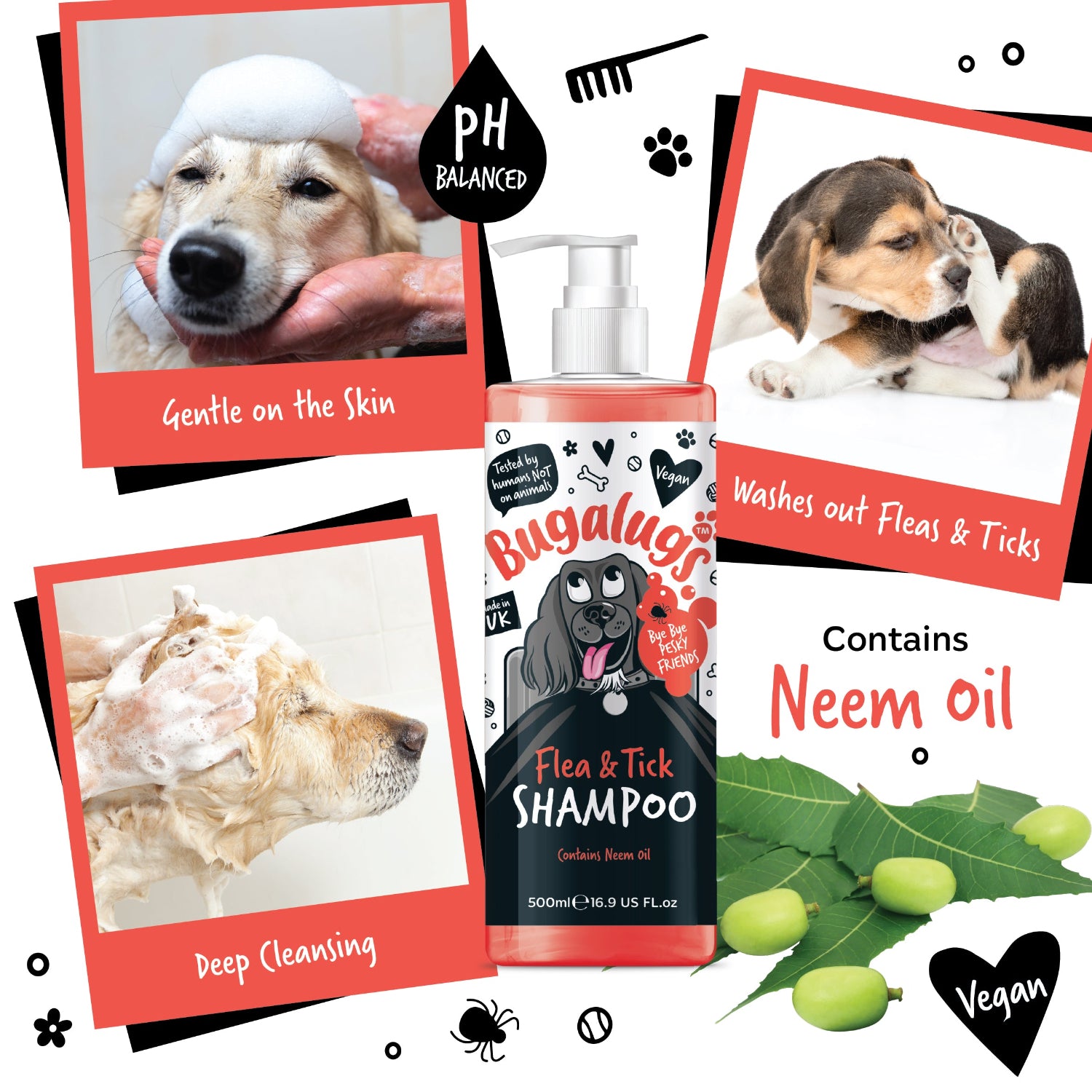
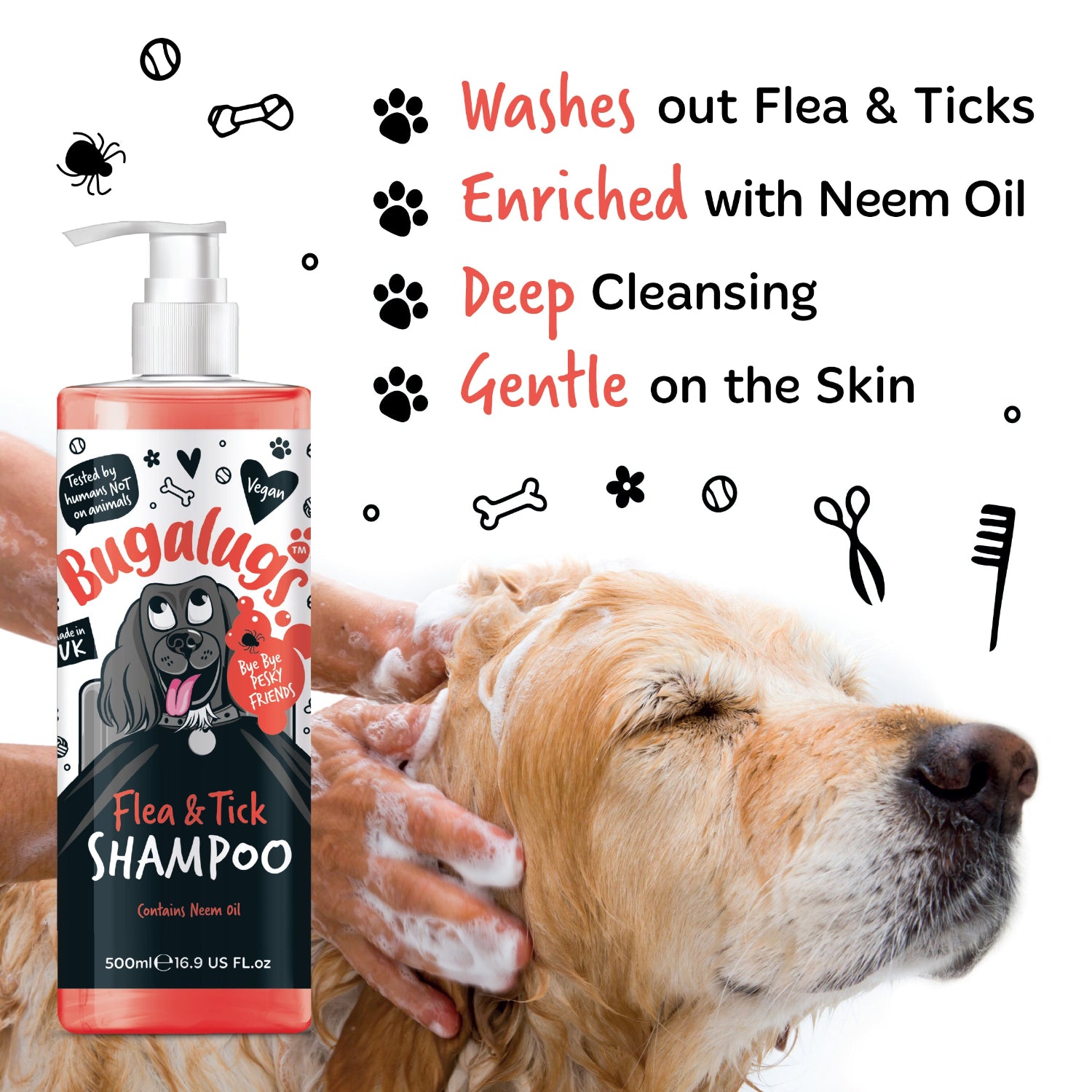
Flea and tick shampoos help eliminate these pests quickly and provide short-term protection. They contain insecticides that kill fleas, ticks, and their eggs on contact. If your dog spends a lot of time outdoors, using this shampoo during bathing can reduce pest problems immediately.
Keep in mind, flea and tick shampoos do not replace ongoing prevention methods like collars or oral treatments. Using these shampoos as part of a broader pest control plan keeps your dog comfortable and healthy. When was the last time you checked your dog for ticks?
Oatmeal And Hypoallergenic Shampoos
Oatmeal shampoos soothe dry, itchy, or sensitive skin with natural ingredients. They are gentle and help restore moisture without harsh chemicals. If your dog has allergies or skin sensitivities, these shampoos provide relief without causing irritation.
Hypoallergenic shampoos are formulated to minimize allergic reactions and often avoid fragrances or dyes. They’re ideal for dogs with delicate skin or allergies to common shampoo ingredients. Would your dog benefit from a gentler cleansing option?
Credit: bugalugspetcare.com
Diy Dog Shampoo Options
Making your own dog shampoo can be a rewarding way to care for your pet’s coat without worrying about harsh chemicals. DIY options let you control exactly what goes onto your dog’s skin, which is especially important if your furry friend has allergies or sensitive skin. You might find these homemade shampoos gentler and just as effective as store-bought versions.
Safe Homemade Ingredients
Choosing the right ingredients is key to keeping your dog clean and comfortable. Gentle substances like oatmeal, baking soda, and mild liquid castile soap often work well. Adding a few drops of natural oils such as coconut or lavender can soothe the skin and add a pleasant scent.
However, avoid ingredients like essential oils that are toxic to dogs, such as tea tree or eucalyptus. Even natural doesn’t always mean safe, so always research each ingredient before use. Your dog’s health depends on it.
Recipes To Try At Home
- Oatmeal Shampoo:Blend 1 cup of oatmeal into a fine powder, mix with 1 quart of warm water and 1/4 cup of liquid castile soap. This recipe helps relieve itching and dry skin.
- Baking Soda Wash:Dissolve 1/4 cup of baking soda in 1 quart of warm water for a simple deodorizing rinse. It’s perfect for dogs who love outdoor adventures.
- Coconut Oil Boost:Add 1 tablespoon of coconut oil to any mild shampoo recipe for extra moisturizing benefits.
Try these in small batches first to see how your dog responds. You might discover a favorite that keeps their coat shiny and skin happy.
Precautions When Using Diy Shampoos
Test any new shampoo on a small patch of your dog’s skin before a full bath. Watch for redness, itching, or irritation over 24 hours. If any reaction occurs, stop using the product immediately.
Remember, homemade shampoos lack preservatives, so make only what you need and store it in a cool place. Using old or contaminated mixtures can cause infections or skin problems.
Have you ever tried making your own shampoo for your dog? What ingredients did you find worked best? Your experience can help other pet owners find safe and effective options.
Proper Bathing Techniques
Giving your dog a bath can be a straightforward task if you use the right techniques. Proper bathing not only keeps your dog clean but also ensures their skin stays healthy and free from irritation. Paying attention to preparation, shampoo application, and drying can make the experience better for both you and your furry friend.
Preparing Your Dog For Bathing
Before you even turn on the water, take time to brush your dog’s coat. This helps remove loose hair and tangles that water might make worse. A calm dog is easier to bathe, so speak softly and offer treats to reduce anxiety.
Choose a bathing spot that’s safe and comfortable—whether it’s a tub, sink, or outdoors. Use lukewarm water; too hot or cold can upset your dog’s skin. Also, gather all the supplies you need beforehand to keep the process smooth and quick.
How To Apply Shampoo Correctly
Wet your dog’s coat thoroughly before applying shampoo. This ensures the shampoo spreads evenly and works effectively. Use a shampoo specifically made for dogs—human shampoos can disrupt their skin’s natural oils.
Start with a small amount of shampoo, adding more only if needed. Massage it gently into the coat, avoiding the eyes, ears, and mouth. Think of it like giving your dog a mini massage; this helps relax them and cleans deeply.
Rinsing And Drying Tips
Rinse your dog thoroughly to remove all shampoo residue. Leftover shampoo can cause itching or irritation, so take your time with this step. Use your hands to feel the coat and ensure it’s completely clean.
Dry your dog with a towel or a pet-friendly dryer on a low setting. Avoid rubbing vigorously as this can tangle the fur or irritate the skin. If your dog dislikes dryers, a gentle towel rub and some fresh air might be the best option.
Frequency Of Bathing
Knowing how often to bathe your dog is just as important as choosing the right shampoo. Bathing frequency depends on several factors including your dog’s breed, lifestyle, and skin condition. Striking the right balance helps keep your dog clean without damaging their skin or coat.
How Often To Shampoo Your Dog
Most dogs benefit from a bath every 4 to 6 weeks. However, active dogs that spend a lot of time outdoors may need more frequent baths to remove dirt and allergens. On the other hand, dogs with dry or sensitive skin might require fewer baths to avoid irritation.
Think about your dog’s daily activities and coat type. Long-haired breeds often need more regular grooming and occasional baths, while short-haired dogs may stay cleaner longer. Adjust your routine based on what you observe about your dog’s comfort and cleanliness.
Signs Your Dog Needs A Bath
Watch for clear signs that your dog is ready for a wash. A strong odor that won’t go away after brushing is a key indicator. Visible dirt, greasy fur, or excessive scratching can also mean your dog’s coat needs cleaning.
Sometimes you might notice flaky skin or dandruff, which suggests the skin is dry or irritated. If your dog rolls in something smelly or sticky, it’s definitely time for a bath. Are you able to spot these signs early to keep your dog fresh and comfortable?
Effects Of Over-bathing
Bathing your dog too often can strip essential oils from their skin and coat. This leads to dryness, itching, and sometimes flaky or irritated skin. Over-bathing can also disturb the natural balance of bacteria on your dog’s skin, increasing the risk of infections.
If you find yourself bathing your dog weekly without a clear reason, consider if it’s necessary. Using a gentle, dog-specific shampoo helps, but even the best products can’t fix damage caused by too much bathing. How often do you think is too often for your dog’s baths?
When To Consult A Vet
Choosing the right shampoo for your dog is important for their skin and coat health. Sometimes, a simple wash is not enough. Certain signs show that your dog needs a vet’s care. Knowing these signs helps protect your dog from worsening skin problems.
Skin Conditions Requiring Professional Care
Dogs can develop skin problems that need more than just shampoo. Conditions like mange, fungal infections, or hot spots need a vet’s diagnosis. These issues may cause redness, hair loss, or sores. Only a vet can prescribe the right treatment to heal these conditions safely.
Allergic Reactions To Shampoo
Not all shampoos suit every dog. Some dogs react badly to ingredients in shampoos. Signs of allergy include swelling, redness, or hives on the skin. Your dog may scratch or lick the area a lot. Stop using the shampoo and consult a vet for advice and safe alternatives.
Persistent Itching Or Irritation
Occasional itching is normal, but constant itching is not. If your dog keeps scratching after a bath, it may signal a deeper issue. This can be due to dry skin, parasites, or allergies. A vet can find the cause and recommend the right shampoo or treatment to ease the discomfort.

Credit: www.mutneys.com
Credit: bugalugspetcare.com
Frequently Asked Questions
What Ingredients Should I Avoid In Dog Shampoo?
Avoid shampoos with sulfates, parabens, artificial fragrances, and harsh chemicals. These can irritate your dog’s sensitive skin and cause dryness or allergic reactions.
Can I Use Human Shampoo On My Dog Safely?
No, human shampoos have different pH levels and ingredients. Using them can disrupt your dog’s skin balance and cause irritation or dryness.
How Often Should I Bathe My Dog With Shampoo?
Bathing frequency depends on your dog’s breed and activity. Generally, every 4 to 6 weeks is ideal unless your dog gets dirty or smelly sooner.
What Shampoo Is Best For Dogs With Sensitive Skin?
Choose shampoos labeled hypoallergenic or formulated for sensitive skin. Look for natural ingredients like oatmeal and aloe vera to soothe and protect.
Conclusion
Choosing the right shampoo for your dog matters. Dogs have sensitive skin. Human shampoos can harm them. Always opt for pet-safe options. Ingredients should be gentle and natural. Oatmeal and aloe vera are great choices. They soothe and nourish the skin.
Remember, not all dogs are the same. Some may need special shampoos. Check with your vet if unsure. Keep your furry friend clean and happy. A good bath boosts their health. Make bath time enjoyable for both of you. A little care goes a long way.
Happy washing!

Emily Barker is the founder of ChillDogLife.com, a space dedicated to helping pup parents discover the best dog products, lifestyle tips, and cozy ideas for happier homes.
A lifelong dog lover, Emily combines her passion for pets with a knack for research to share trusted recommendations on everything from toys and furniture to health and everyday care.
Her goal is simple: to make life easier, stylish, and more joyful for dogs and the people who love them.




