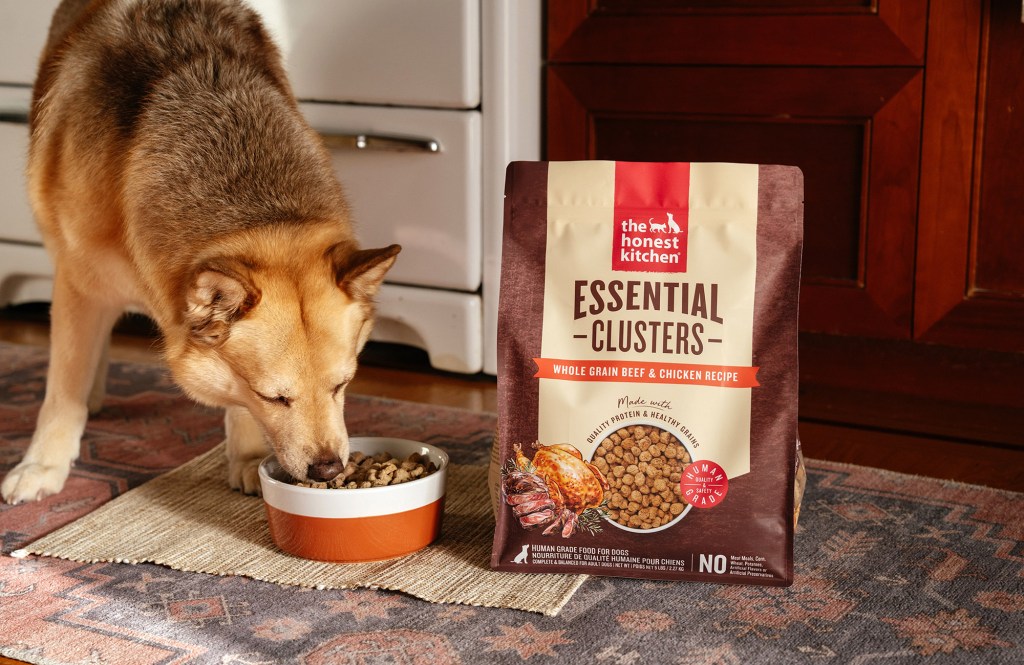
Choosing the best dog food for your adult dog can feel overwhelming. You want to give your furry friend the right nutrients to keep them happy and healthy.
But with so many options out there, how do you know which one is truly the best? You’ll discover simple, clear answers that make feeding your dog easier and stress-free. By the end, you’ll feel confident that you’re making the best choice for your loyal companion’s health and happiness.
Keep reading—you and your dog deserve it!
Credit: www.businessinsider.com
Key Nutrients For Adult Dogs
Adult dogs need the right nutrients to stay healthy and active. Their food should have a good balance of proteins, fats, carbohydrates, vitamins, and minerals.
Each nutrient plays a special role in keeping your dog’s body working well. Feeding your dog the right nutrients helps maintain strong muscles, a shiny coat, and good energy.
Proteins And Amino Acids
Proteins build and repair body tissues like muscles and skin. Dogs need high-quality proteins from meat, fish, or eggs. Amino acids are the building blocks of proteins.
Essential amino acids cannot be made by the dog’s body. These must come from their diet to support growth and immune health.
- Chicken, beef, and fish are good protein sources
- Essential amino acids include lysine, methionine, and tryptophan
- Protein helps keep muscles strong and healthy
Fats And Fatty Acids
Fats provide energy and help absorb vitamins. They also keep a dog’s skin healthy and coat shiny. Fatty acids like omega-3 and omega-6 are important for brain and heart health.
Good fats come from fish oil, flaxseed, and animal fats. Balance is key to avoid weight gain but still support vital functions.
- Omega-3 fatty acids reduce inflammation
- Omega-6 fatty acids support skin and coat health
- Fats supply twice the energy of proteins or carbs
Carbohydrates And Fiber
Carbohydrates provide energy and help keep digestion smooth. Fiber is a type of carbohydrate that helps regulate bowel movements and supports gut health.
Good sources of carbs include rice, oats, and vegetables. Fiber can come from pumpkin, beet pulp, or peas.
- Carbs fuel daily activities and play
- Fiber prevents constipation and supports digestion
- Complex carbs provide steady energy release
Vitamins And Minerals
Vitamins help many body processes like healing wounds and fighting infections. Minerals keep bones strong and help nerve and muscle function.
Dogs need a mix of vitamins A, D, E, and B-complex, plus minerals like calcium, phosphorus, and zinc. These support overall health and energy.
- Vitamin A helps vision and skin health
- Calcium and phosphorus build strong bones and teeth
- Zinc supports the immune system and skin

Credit: nypost.com
Types Of Dog Food
Choosing the right dog food is important for your adult dog’s health. There are different types of dog food available. Each type has its own benefits and drawbacks.
Understanding these types can help you pick the best food for your dog’s needs and preferences.
Dry Kibble
Dry kibble is the most common type of dog food. It is made by cooking and shaping ingredients into small pieces. Kibble is easy to store and feed.
It helps keep your dog’s teeth clean by reducing plaque buildup. Kibble usually lasts longer after opening than wet food.
- Affordable and widely available
- Good for dental health
- Long shelf life
- Can be left out for free feeding
Wet Canned Food
Wet canned food contains more moisture than dry kibble. It is soft and easy to chew. Many dogs enjoy the taste and texture.
This type is good for dogs who need more hydration or have trouble chewing dry food. It usually costs more and spoils faster once opened.
- High moisture content
- Good for picky eaters
- Helps keep dogs hydrated
- More expensive and perishable
Raw And Freeze-dried Options
Raw dog food mimics a dog’s natural diet. It includes raw meat, bones, and vegetables. Freeze-dried options keep nutrients without refrigeration.
These foods can improve coat health and energy. They require careful handling to avoid bacteria. Freeze-dried food is easier to store and prepare.
- Closer to natural diet
- High in protein and nutrients
- Needs proper handling for safety
- Freeze-dried lasts longer and is convenient
Homemade Meals
Homemade meals let you control every ingredient. You can tailor food to your dog’s health needs and tastes. Cooking at home needs time and knowledge.
It is important to balance nutrients to keep your dog healthy. Consult a vet before making homemade dog food regularly.
- Full control over ingredients
- Can meet specific dietary needs
- Requires time and effort
- Needs balanced nutrition advice
Top Dog Food Brands
Choosing the right dog food is important for your pet’s health. Many brands offer different benefits. Let’s explore some top choices for adult dogs.
We’ll look at premium options, budget-friendly brands, and special diets. This will help you find the best fit for your furry friend.
Premium And Holistic Choices
Premium dog foods focus on high-quality ingredients. They often include natural and holistic components.
- Blue Buffalo Life Protection
- Wellness CORE Natural
- Orijen Original
Budget-friendly Options
Affordable dog food can still be nutritious. Look for balanced formulas that meet your dog’s needs.
| Brand | Price Range |
| Purina ONE | $ |
| Pedigree Adult | $ |
| Iams Proactive Health | $$ |
Grain-free Vs. Grain-inclusive
Some dogs thrive on grain-free diets. Others do well with grains included. It depends on their health and preferences.
Grain-Free Benefits:
- May reduce allergies
- Often higher in protein
Grain-Inclusive Benefits:
- Good source of fiber
- Can be more affordable
Special Diet Formulas
Special diets cater to unique health needs. They include options for weight management, allergies, and sensitive stomachs.
- Hill’s Science Diet Sensitive Stomach & Skin
- Royal Canin Veterinary Diet
- Nutro Ultra Weight Management
Choosing Based On Dog’s Needs
Choosing the best dog food for adults depends on many factors. Each dog has unique needs based on size, age, health, and taste.
Understanding these needs helps you pick the right food that supports your dog’s health and happiness.
Breed And Size Considerations
Different breeds and sizes need different nutrients. Small breeds often need calorie-dense food in small portions. Large breeds benefit from food that supports joint health.
- Small breeds: Higher calories, smaller kibble size
- Medium breeds: Balanced nutrition and portion size
- Large breeds: Joint support and controlled calories
Age And Activity Level
Adult dogs have varying activity levels. Active dogs need more energy and protein. Less active dogs require fewer calories to avoid weight gain.
| Activity Level | Recommended Food Type |
| High | High protein and fat |
| Moderate | Balanced nutrition |
| Low | Low calorie and fat |
Health Conditions And Allergies
Some dogs have allergies or health issues. Choose food that avoids allergens and supports health problems like digestion or skin care.
Common allergens to avoid:
- Wheat
- Soy
- Chicken
- Dairy
Look for formulas with added vitamins and minerals to help specific health needs.
Taste Preferences
Dogs have taste preferences too. Some prefer wet food, others like dry kibble. Offering variety can keep meals interesting for your dog.
- Wet food: More moisture and flavor
- Dry kibble: Helps clean teeth
- Mix of both: Balanced taste and health benefits
Reading Dog Food Labels
Finding the best dog food for adults can be tricky. Understanding food labels helps in making better choices for your pet.
Let’s explore key elements to focus on. This will guide you in picking the right food.
Ingredient Lists
The ingredient list shows what is inside the dog food. Ingredients are listed by weight, from most to least.
- Look for meat as the first ingredient.
- Avoid foods with vague terms like “meat meal”.
- Check for unnecessary fillers like corn.
- Identify any potential allergens.
Nutritional Adequacy Statements
Nutritional adequacy statements tell if the food is complete and balanced. Look for labels that match your dog’s life stage.
Calorie Content
Calorie content helps manage your dog’s weight. It is often listed in kilocalories (kcal) per cup or can.
| Dog Size | Calories Needed |
| Small | 200-400 kcal |
| Medium | 400-800 kcal |
| Large | 800-1,200 kcal |
Expiration Dates
Expiration dates ensure the food is fresh. Always check the date before buying or feeding your dog.
Store food properly to maintain freshness and avoid spoilage.
Common Mistakes To Avoid
Choosing the best dog food for adults can be tricky. Many pet owners make errors that affect their dog’s health.
Learning about common mistakes helps you feed your dog properly and keep them healthy.
Overfeeding And Underfeeding
Giving too much or too little food harms your dog’s health. Overfeeding can cause obesity. Underfeeding leads to weakness and poor growth.
- Follow feeding guidelines on the dog food package.
- Adjust portions based on your dog’s size and activity.
- Use a measuring cup to control food amounts.
- Consult your vet for special dietary needs.
Ignoring Allergies
Some dogs have food allergies or sensitivities. Ignoring signs like itching or stomach upset worsens their condition.
Watch for symptoms and talk to your vet to find the right food that avoids allergens.
Switching Foods Abruptly
Changing your dog’s food suddenly can cause diarrhea or vomiting. Dogs need time to adjust to new food.
Use a gradual switch over 7 to 10 days by mixing old and new food in increasing amounts.
Relying On Trends
Some dog food trends sound good but lack solid evidence. Feeding trendy diets without research can harm your dog.
| Trend | Potential Issue | Advice |
|---|---|---|
| Grain-Free Diets | May lack fiber, cause heart issues | Check vet advice before switching |
| Raw Food | Risk of bacteria and unbalanced nutrition | Use trusted recipes and sources |
| Homemade Meals | Hard to balance nutrients | Consult a pet nutritionist |
Tips For Transitioning Foods
Changing your adult dog's food needs care and attention. A smooth change helps avoid stomach issues.
Follow simple steps to make the switch easy and safe for your dog.
Gradual Introduction
Start by mixing a small amount of the new food with the old food. Slowly increase the new food over 7 to 10 days.
This slow change helps your dog’s digestive system adjust without problems.
- Day 1-3: 25% new food, 75% old food
- Day 4-6: 50% new food, 50% old food
- Day 7-9: 75% new food, 25% old food
- Day 10: 100% new food
Monitoring Reactions
Watch your dog for any signs of discomfort or allergies. Check their stool, appetite, and energy levels daily.
If you see vomiting, diarrhea, or itching, stop the new food and consult your vet.
- Loose stools or diarrhea
- Vomiting
- Loss of appetite
- Skin redness or itching
- Changes in behavior or energy
Combining Old And New Foods
Mixing old and new foods helps your dog accept the change. Use the same feeding times and amounts.
This method keeps your dog comfortable and reduces stress during the transition.
- Keep feeding schedule consistent
- Mix foods evenly to avoid picky eating
- Use the same bowl to keep routine
- Offer fresh water at all times
Consulting A Veterinarian
Talk to your vet before changing your dog’s food. They can recommend the best options for your dog’s health.
Your vet can also help if your dog has allergies or special dietary needs.

Credit: www.purewow.com
Frequently Asked Questions
What Nutrients Should Adult Dog Food Contain?
Adult dog food should include balanced proteins, healthy fats, fiber, vitamins, and minerals. These nutrients support energy, muscle health, and digestion. Look for foods with quality meat sources and avoid fillers or artificial additives for optimal nutrition.
How To Choose The Best Dog Food For Adults?
Choose dog food based on your dog’s size, age, activity, and health needs. Check ingredient quality, guaranteed analysis, and brand reputation. Consult your vet to ensure the diet supports your adult dog’s overall well-being and lifestyle.
Is Grain-free Dog Food Better For Adults?
Grain-free dog food is not always better. Some dogs may need grain-free due to allergies. However, grains can be a good energy source. Always consult your vet before switching to grain-free diets to avoid nutritional imbalances.
How Often Should Adult Dogs Be Fed Daily?
Adult dogs are usually fed twice a day—morning and evening. This routine helps maintain energy levels and prevents overeating. Adjust feeding frequency based on your dog’s size, metabolism, and vet’s advice for best results.
Conclusion
Choosing the best dog food for adults helps keep your pet healthy and happy. Good food supports energy, strong muscles, and a shiny coat. Every dog is different, so pick food that fits their needs. Check ingredients and nutritional value carefully.
Feeding your dog well shows you care. Healthy dogs live longer and feel better every day. Simple choices make a big difference for your dog’s life. Keep your dog’s diet balanced and watch them thrive.

Emily Barker is the founder of ChillDogLife.com, a space dedicated to helping pup parents discover the best dog products, lifestyle tips, and cozy ideas for happier homes.
A lifelong dog lover, Emily combines her passion for pets with a knack for research to share trusted recommendations on everything from toys and furniture to health and everyday care.
Her goal is simple: to make life easier, stylish, and more joyful for dogs and the people who love them.




